A multiple murder links separate investigations until institutional corruption makes the investigators' own methods and loyalties part of the evidence.
Why this matches +
Selected for the central appeal: A rule-bending detective must reject police vigilantes who mistake his independence for support of organized extrajudicial killing.
Genres: Crime / Drama
Shared film traits
Based on recorded story, mood and style. Your preferences can change the order.
Investigation
What changes Police violence and a departmental conspiracy make detectives confront how their individual ideals enable criminal authority; an ensemble’s ambition and celebrity manipulation replace one outsider cop resisting an execution squad.
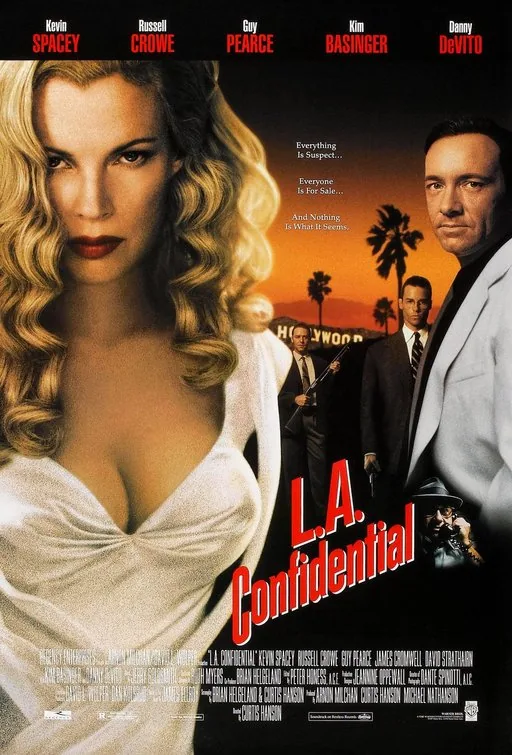
Three Los Angeles policemen with conflicting ambitions become connected to a massacre at an all-night diner. Their investigation leads through celebrity publicity, organised crime and arrangements that protect the department's public image. As apparently settled evidence begins to unravel, each man must confront how his preferred route to success has made him useful to people who manipulate both justice and appearances.
A colleague’s murder forces Ludlow to investigate the police unit whose authority he once trusted.
Why this matches +
Selected for the central appeal: A rule-bending detective must reject police vigilantes who mistake his independence for support of organized extrajudicial killing.
Genres: Crime / Drama
Shared film traits
Based on recorded story, mood and style. Your preferences can change the order.
Investigation
What changes A violent detective uncovers lethal corruption inside the police group that assumes his loyalty, forcing him to question what his own methods serve; a contemporary compromised insider’s conspiracy is murkier than Harry’s explicit rejection of a vigilante faction.
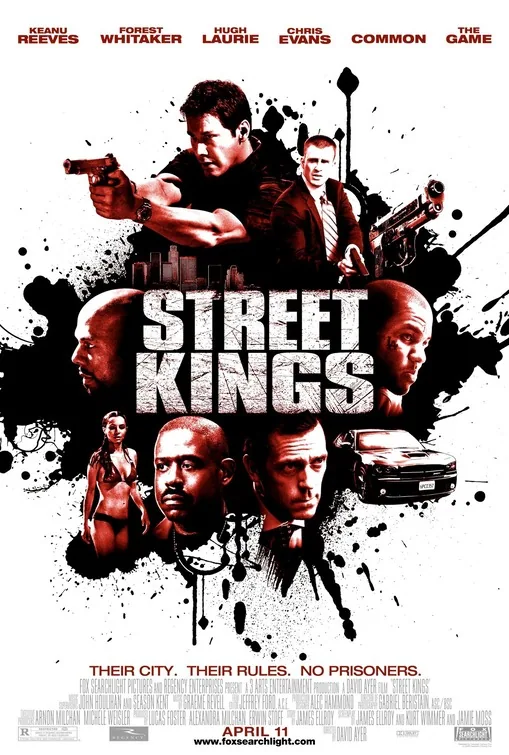
Los Angeles detective Tom Ludlow works within a violent police unit and becomes entangled in an investigation after his former partner is murdered. As colleagues offer competing explanations, he must question the loyalty and authority of the group he depends on. The crime drama follows his pursuit of evidence through a city where the distinction between policing and personal vengeance grows increasingly difficult to maintain.
A survivor engineers attacks from an apparently contained position to force a prosecutor into a contest over whether procedure can be trusted or must be replaced by exceptional violence.
Why this matches +
Related viewing experiences with the specific differences recorded for each pair.
An adjacent discovery: a related idea with a different viewing experience.
Genres: Thriller / Crime
Shared film traits
Based on recorded story, mood and style. Your preferences can change the order.
Investigation
What changes Punishment outside failed legal processes forces an official to confront the appeal and terror of unrestricted revenge; a spectacular lone civilian campaign and prosecutorial duel replace a detective exposing institutional vigilantes.
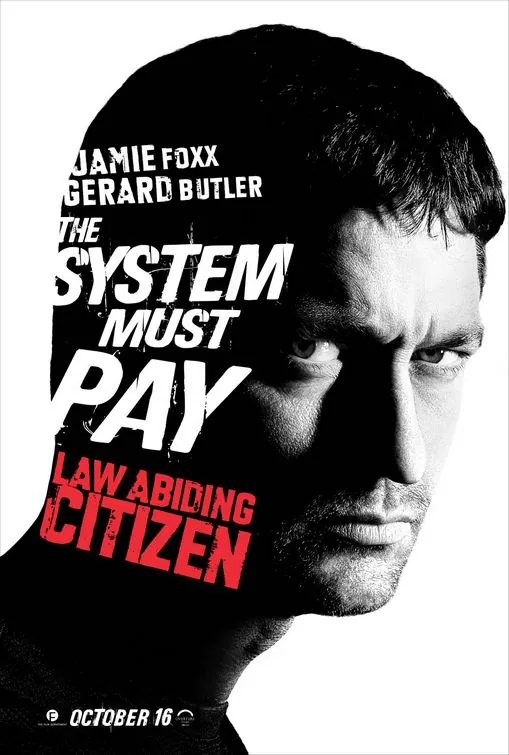
A man whose family was murdered watches a prosecutor accept a deal that protects a conviction record rather than satisfy his demand for justice. Years later, an elaborate retaliatory campaign continues even after he allows himself to be imprisoned, making confinement appear unable to limit his reach. The prosecutor must uncover how the attacks are organized while confronting his own earlier compromises. The thriller turns institutional grievance into a claim of unlimited punitive authority, exposing how the pursuit of exemplary justice can reproduce the disregard for persons it condemns.
A failed witness-protection assignment becomes an inquiry into the identity and purposes that political sponsorship initially treated as settled.
Why this matches +
Related viewing experiences with the specific differences recorded for each pair.
An adjacent discovery: a related idea with a different viewing experience.
Genres: Crime / Thriller
Shared film traits
Based on recorded story, mood and style. Your preferences can change the order.
Investigation
What changes A taciturn San Francisco detective pursues evidence despite official pressure to protect appearances, privileging professional judgment over authority; witness manipulation and patient procedure replace ideologically motivated police killings.
A San Francisco detective is assigned to protect a witness whose testimony could advance an ambitious politician's public agenda. After an attack undermines the arrangement, the detective pursues discrepancies that the sponsor would prefer subordinated to immediate blame and control. Street-level investigation and careful attention to identities expose the distance between protecting a person, producing a useful witness, and preserving the appearance of official competence.
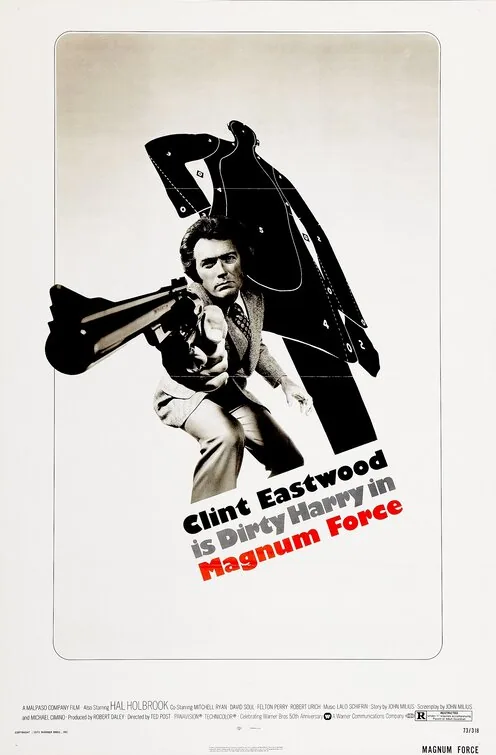
A detective known for pushing against official limits investigates killings that seem to remove people the courts failed to punish. The precision of the attacks points toward an organization within the police rather than a lone frustrated citizen. His reputation makes the perpetrators imagine he will recognize them as allies, forcing him to state a boundary his own methods have often blurred. The sequel turns familiar anti-bureaucratic competence against a system of organized extrajudicial execution, testing the difference between criticizing legal failure and claiming unrestricted power to replace it.
What drives the story
A series of apparently exemplary killings exposes a police death squad whose recruitment effort turns the investigating officer's reputation into a moral test.
The people at its centre
Callahan's skeptical independence conflicts with Briggs's command and the rookies' admiration, while professional affiliation proves less reliable than a demonstrated limit on violence.
What it feels like
Ballistic clues, controlled police spaces and abrupt action sustain a relatively procedural corruption inquiry inside a hard-edged action framework.
Worth knowing
The death-squad opposition does not make all of Callahan's conduct legally or ethically settled; the film draws a specific line rather than resolving every contradiction of vigilante policing.