Explore films connected to Maharaja through Family protection, Justice and revenge, Trauma and institutional failure. Choose the qualities you want to carry into your next watch.
What should feel similar?
Find your next favourite
9 films · Closest overall matches
Hide films you’ve seen or don’t want. Saved on this device.
No matches for this combination yet.
Try another option or reset your choices to see more films.
Based on recorded story, mood and style. Your preferences can change the order.
Investigation · Criminal underworld
What changes Maharaja: escalating, revelation-driven and action punctuations. The Foreigner: a personal search builds into a political standoff.
After his daughter is killed in a bombing, a quiet London businessman seeks answers and accountability from a former politician with connections to the group responsible. His pursuit exposes a history of political violence and a willingness to use force when official channels fail. The thriller contrasts an ordinary parent’s grief with the hidden networks of state power and insurgency.
Based on recorded story, mood and style. Your preferences can change the order.
Investigation · Criminal underworld
Expect tense and period, with escalating and suspense-led pacing.
A small group of thieves rob a London bank vault and discover that its contents expose powerful people to blackmail. The operation grows dangerous as police, politicians and criminals try to control what the stolen records reveal. The heist thriller ties personal greed to public secrecy, making information as consequential as the money. Period detail, measured planning and overlapping interests keep the plot grounded in a political crime atmosphere.
Based on recorded story, mood and style. Your preferences can change the order.
Investigation · Criminal underworld
What changes Maharaja: escalating, revelation-driven and action punctuations. Reservoir Dogs: intense.
After a jewellery robbery collapses into gunfire, surviving criminals regroup at a warehouse using colour-coded aliases rather than real names. With one man badly wounded and others missing, professional discipline gives way to suspicion that an undercover officer betrayed them. Flashbacks reveal fragments of recruitment and preparation, while the confined aftermath turns an unseen heist into a contest over loyalty, authority and competing stories.
Based on recorded story, mood and style. Your preferences can change the order.
Investigation · Criminal underworld
Expect somber and tense, with escalating and character-led pacing.
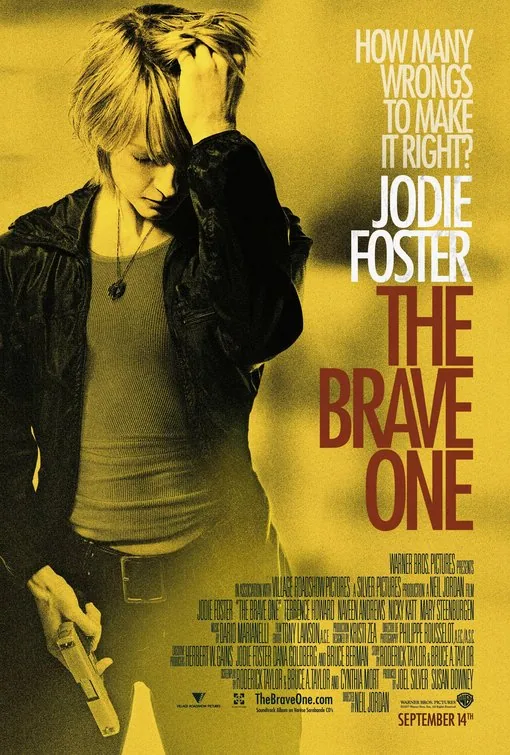
After a brutal attack kills her fiancé and leaves her seriously injured, a radio host becomes increasingly fearful of the city she once knew. When she begins carrying a weapon and using it during encounters with violence, a detective investigates the cases and becomes drawn into her moral crisis. The film follows the unsettling shift from victimhood toward retaliation, asking whether self-protection can become a new identity organized around revenge.
Based on recorded story, mood and style. Your preferences can change the order.
Investigation · Criminal underworld
What changes Maharaja is tagged tense and somber; Exit Wounds is tagged hard-edged and urgent.
A volatile Detroit detective is transferred to a troubled precinct and uncovers a network of corruption inside the police department. His pursuit of the truth forces him to work with people whose motives are difficult to separate from the case. The action film asks whether personal toughness can serve justice when the institution meant to enforce the law is compromised. Rapid fights, urban locations and a direct revenge-thriller structure keep the story focused on confrontation.
Both share revenge pursuit, plus a tense atmosphere.
Why this matches +
Genres: Action / Thriller
Shared film traits
Based on recorded story, mood and style. Your preferences can change the order.
Criminal underworld
Expect tense and forceful, with fast and escalating pacing.
The sequel continues the story of an Indian intelligence operative working under cover inside a criminal network in Pakistan. As his assignment deepens, personal loyalties, national interests and the demands of the operation become harder to separate. Aditya Dhar’s action drama extends the espionage story through shifting alliances, violent confrontations and a protagonist forced to maintain his concealed identity while navigating a wider underworld conflict.
Both share police investigation, plus a tense atmosphere.
Why this matches +
Genres: Action / Crime
Shared film traits
Based on recorded story, mood and style. Your preferences can change the order.
Investigation · Criminal underworld
What changes Maharaja: escalating, revelation-driven and action punctuations. Death Wish II: an assault triggers a methodical pursuit.
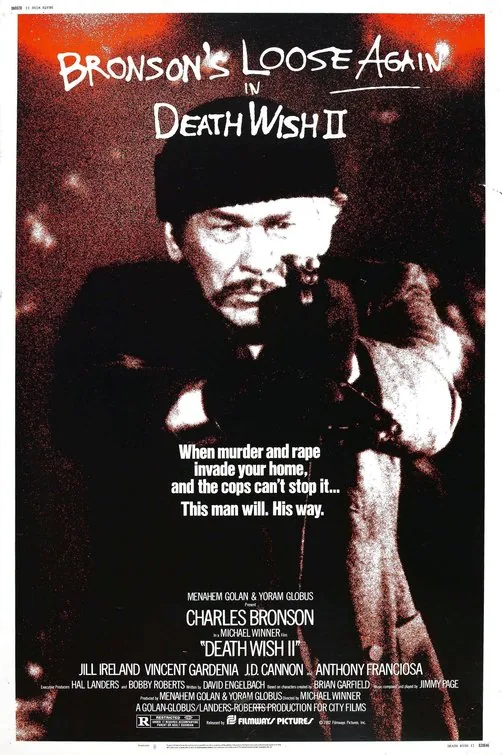
After moving to Los Angeles, architect Paul Kersey's family life is shattered by another violent attack. He responds by pursuing the people responsible and resumes his identity as a vigilante, while the police attempt to uncover the pattern behind the killings. The sequel turns grief into a stark revenge narrative and follows how private retaliation grows into public violence.
Both share revenge pursuit and police investigation.
Why this matches +
Genres: Action / Crime
Shared film traits
Based on recorded story, mood and style. Your preferences can change the order.
Investigation · Criminal underworld
What changes Maharaja: escalating, revelation-driven and action punctuations. Max Payne: propulsive and set-piece driven.
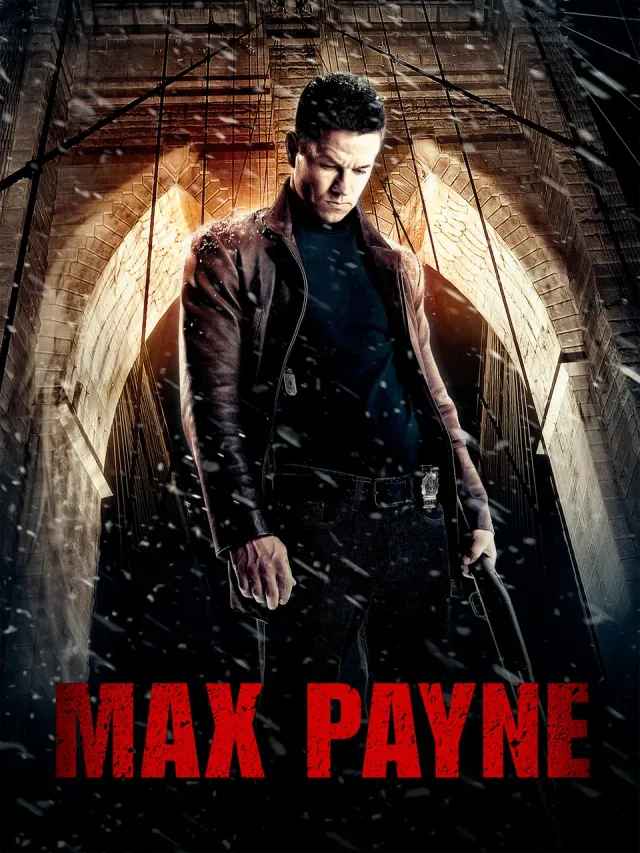
A New York detective searches for the people responsible for the deaths of his family and partner, following clues through a criminal network tied to a powerful drug. Hallucinations and stylized visual sequences complicate his investigation, while the pursuit pushes him toward increasingly dangerous confrontations. The action adaptation combines noir atmosphere with comic-book imagery and a revenge plot.
Based on recorded story, mood and style. Your preferences can change the order.
Criminal underworld
What changes Maharaja: escalating, revelation-driven and action punctuations. Roofman: a criminal hideout story develops into a relationship under growing exposure.
Based on the case of Jeffrey Manchester, the film follows a former soldier who robs fast-food restaurants and hides inside a toy store while evading police. There he forms a relationship with an employee and struggles to keep his secret from people who might trust him. The crime drama combines an unusual concealment premise with questions about reinvention, family responsibility, and the harm caused by a life built on deception.
Maharaja, a quiet barber in Chennai, reports that a beloved metal rubbish bin named Lakshmi has been stolen from his home. The police are baffled by the intensity of his request, and their reluctant investigation gradually reveals that the theft is tied to a much more serious crime and to a long-buried connection between several people. The film shifts across timelines as Maharaja pursues answers and revenge. Its mystery thriller structure hinges on family trauma, violence, and the unequal ways institutions respond to victims.
What drives the story
An apparently trivial theft report becomes the entry point to a nonlinear investigation into a violent crime and its aftermath.
The people at its centre
Maharaja’s reserved manner hides an intense protective drive, while officers and suspects reveal shifting loyalties as the timelines connect.
What it feels like
The film is a tightly plotted, violent revenge thriller; it also contains sexual violence against a minor and significant family trauma.
Worth knowing
Its mystery depends on a deliberately staggered timeline and a private quest for justice, rather than a conventional case-of-the-week police structure.
Family protectionJustice and revengeTrauma and institutional failure