Based on recorded story, mood and style. Your preferences can change the order.
Space exploration
What changes Mickey 17: variable. Interstellar: measured and epic.
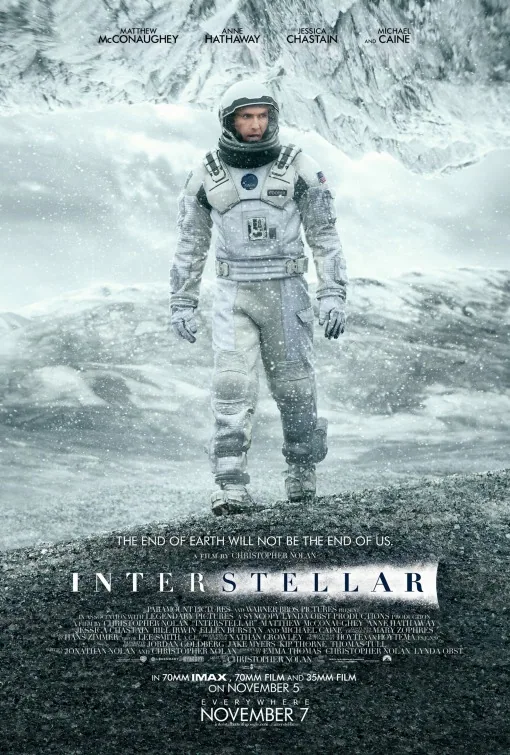
A former pilot leaves an increasingly uninhabitable Earth to investigate distant worlds that might support human life. The mission separates him from his children and subjects ordinary promises of return to the unequal passage of time. Scientific uncertainty, scarce resources and disagreement among the crew turn exploration into a conflict between immediate family attachment and responsibility for people who may never know the travellers' names.
Based on recorded story, mood and style. Your preferences can change the order.
Space exploration
What changes Mickey 17: variable. Voyagers: a contained ensemble story shifts from routine to increasingly unstable conflict.
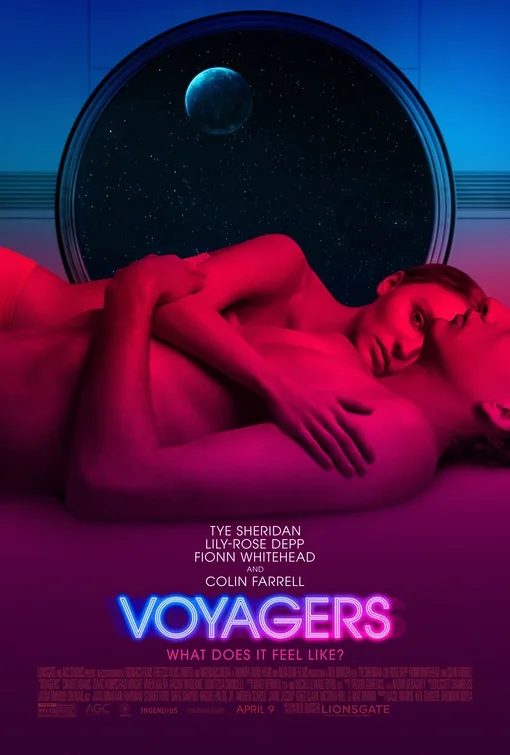
A group of children are raised and sent aboard a long-distance spacecraft to reach a habitable planet generations later. When their adult supervisor dies, the young crew question the rules that have structured their lives, and their expedition becomes an experiment in power and desire. The enclosed science-fiction drama turns a mission into a study of social order, inherited purpose, and how quickly fragile systems can change.
Both share themes of survival, plus an absurd atmosphere.
Why this matches +
Genres: Comedy / Adventure
Shared film traits
Based on recorded story, mood and style. Your preferences can change the order.
What changes Mickey 17: variable. Land of the Lost: episodic and adventure-led.
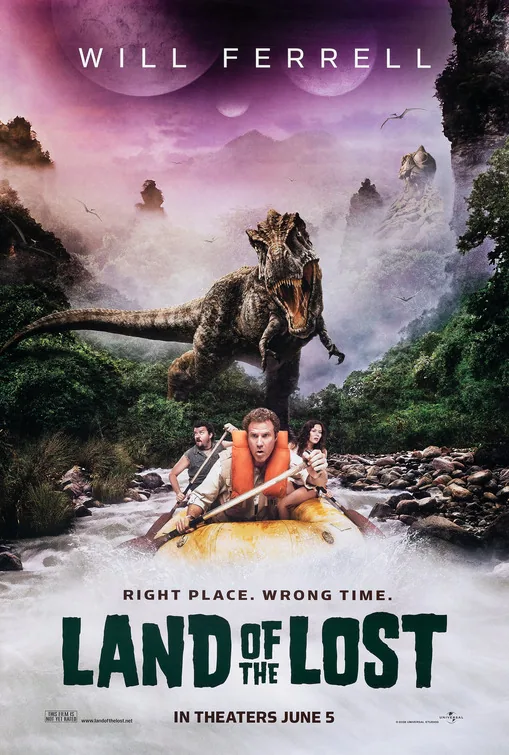
A disgraced scientist, a research assistant and a survival enthusiast are pulled into a strange prehistoric world after an experimental device goes wrong. They must work together to find a way home while encountering creatures and unstable rules that challenge their confidence. The comedy adaptation turns the adventure premise into a chain of absurd set pieces, using its mismatched travelers to poke fun at both scientific ambition and survival-show bravado.
Based on recorded story, mood and style. Your preferences can change the order.
Space exploration
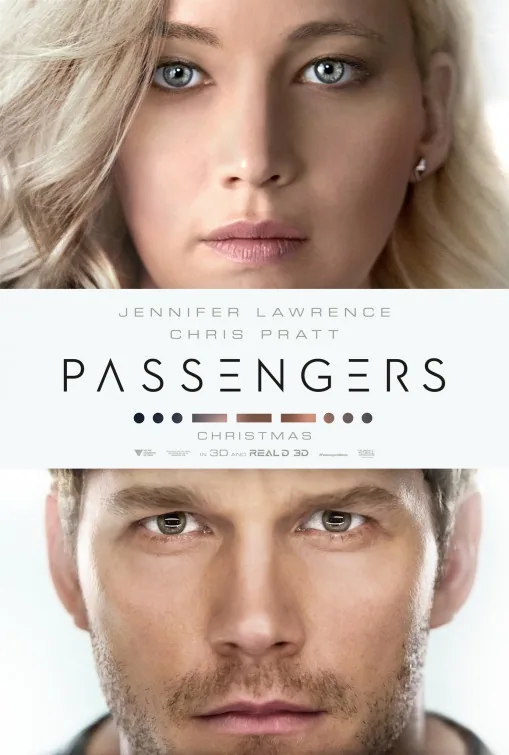
What changes Mickey 17: variable. Passengers: measured and escalating.
On a colony ship carrying thousands of sleeping passengers, a malfunction wakes engineer Jim Preston ninety years before arrival. Alone with the ship’s android bartender, he studies the systems and eventually wakes Aurora Lane, knowing that doing so deprives her of the life she chose. Their relationship grows before Aurora learns what happened, and the breach of trust becomes as serious as the ship’s later mechanical failures. When the vessel threatens to lose power and life support, Jim and Aurora cooperate to save the passengers who remain asleep. Aurora later declines the chance to return to hibernation and chooses to stay awake with Jim, a decision that does not undo the coercion that began their life together.
Based on recorded story, mood and style. Your preferences can change the order.
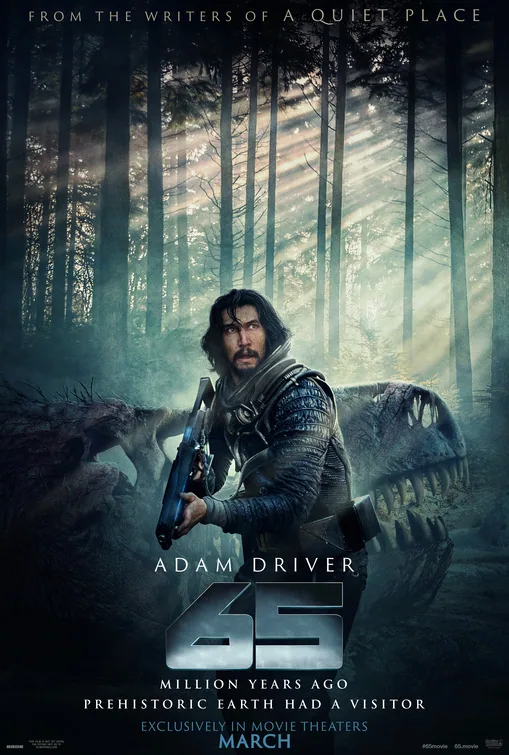
What changes Mickey 17: variable. 65: journey-driven and escalating.
Pilot Mills crashes on an unknown planet and discovers that he and young survivor Koa may be the only people left from their spacecraft. A collision has left them far from the escape pod, with a hostile landscape and dangerous prehistoric creatures between them and a possible way home. Their journey depends on cooperation despite a language barrier and the unequal knowledge each has about the threat.
Based on recorded story, mood and style. Your preferences can change the order.
Space exploration · Artificial life
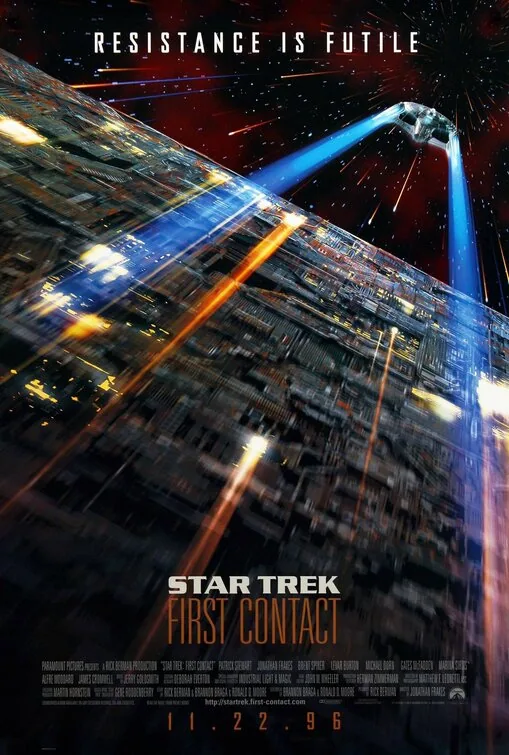
What changes Mickey 17: variable. Star Trek: First Contact: fast.
The Enterprise follows a Borg vessel into Earth's past after an attack threatens to prevent humanity's first encounter with an alien civilisation. While part of the crew helps an unexpected version of a legendary inventor prepare a historic flight, others defend a ship being assimilated from within. Picard's past captivity makes the conflict intensely personal, and protecting the future depends on recognising when resistance has become a consuming need for retaliation.
Both share high stakes, plus an absurd and darkly humorous atmosphere.
Why this matches +
Genres: Science fiction / Comedy
Shared film traits
Based on recorded story, mood and style. Your preferences can change the order.
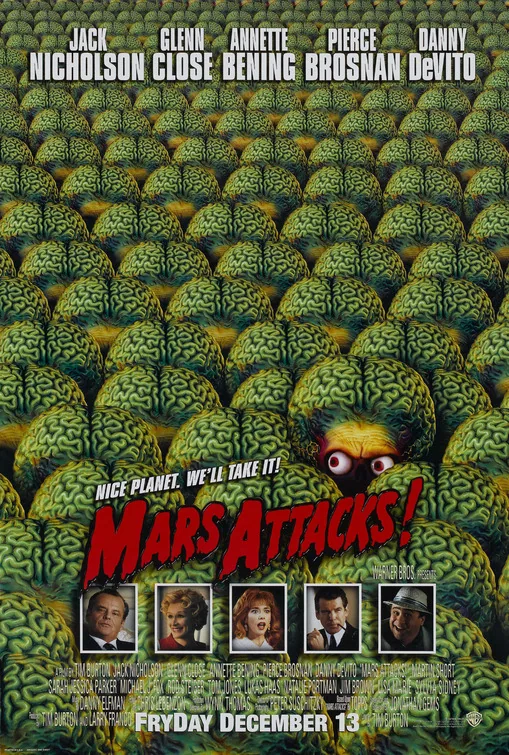
What changes Mickey 17: variable. Mars Attacks!: episodic.
When Martian spacecraft arrive, the American president's advisers debate whether the visitors are peaceful even as the aliens' staged diplomacy turns into a massacre. The attack spreads through politicians, soldiers, celebrities and ordinary families, with the film cutting among a large cast whose confidence and status fail to protect them. A teenager and his grandmother discover that an old-fashioned country song can disrupt the Martians' equipment, giving the survivors an absurdly specific way to fight back. The film adapts a trading-card world into a gleefully destructive parody of invasion spectacle and political self-importance.
Based on recorded story, mood and style. Your preferences can change the order.
Artificial life
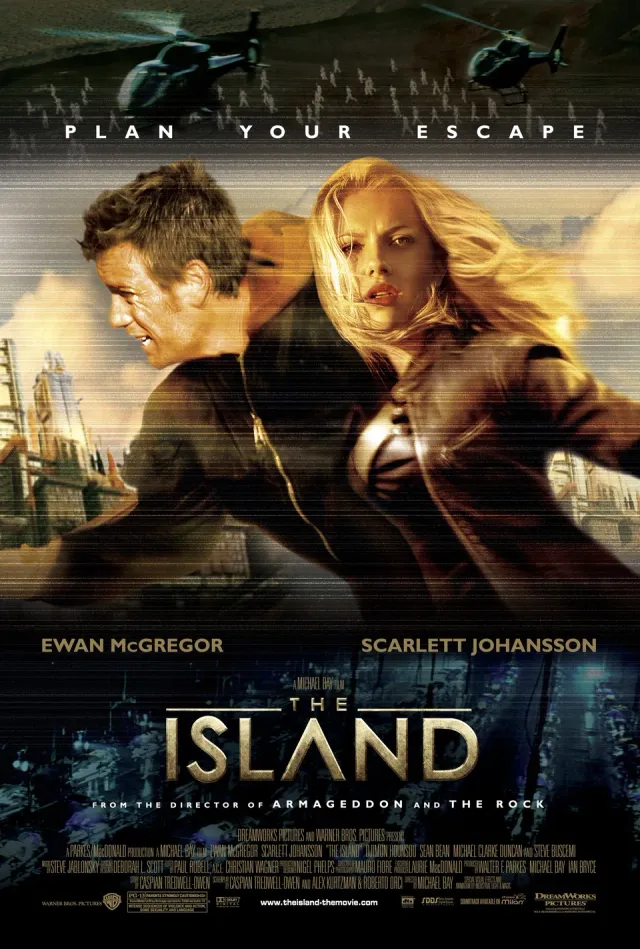
What changes Mickey 17: variable. The Island: mystery revelation and pursuit and action.
Lincoln Six Echo and Jordan Two Delta live in a highly controlled compound where residents are told the outside world is contaminated and a lottery winner will be sent to a safe island. Lincoln’s recurring dreams and a moth that reaches the facility lead him to investigate the forbidden areas. He discovers the lottery is a cover: residents are clones whose bodies or pregnancies are intended for the wealthy people they were copied from. When Jordan is selected, the pair escape and encounter the outside world and Lincoln’s sponsor. Their flight becomes a race to expose the program and give the other residents a chance to escape the same fate.
Based on recorded story, mood and style. Your preferences can change the order.
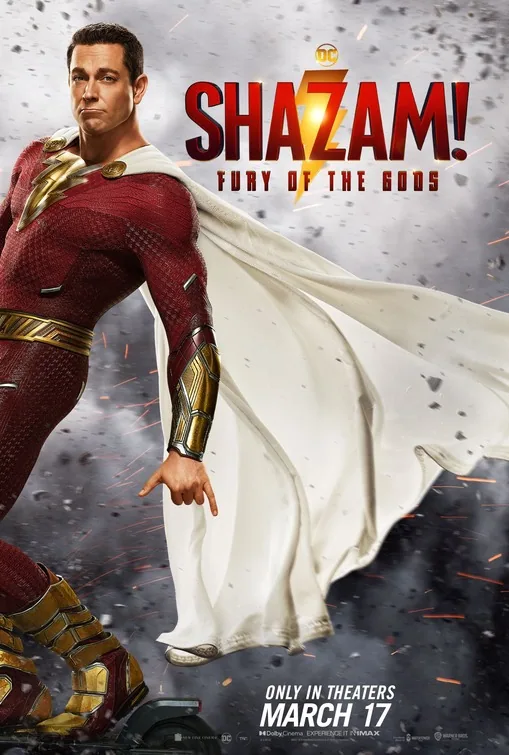
What changes Mickey 17: variable. Shazam! Fury of the Gods: action-led and comic interludes.
Billy Batson and his foster siblings struggle to coordinate their superhero lives as growing independence pulls the group apart. When the daughters of Atlas arrive to reclaim divine power, the threat forces them to reconsider how they work together. Billy's fear of losing his place in the family runs alongside a large fantasy conflict, linking spectacular battles to the uncertainty of approaching adulthood.
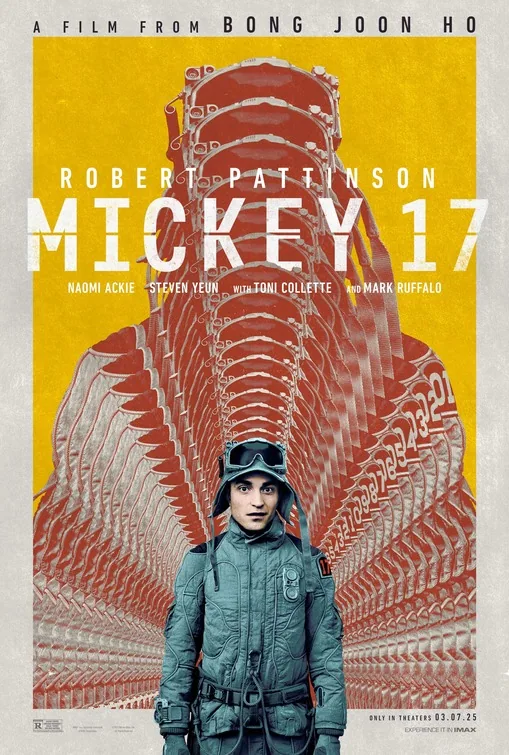
Mickey Barnes signs up as an expendable on a colony mission to Niflheim because he is trying to escape a dangerous debt on Earth. When a mission kills him, the crew prints a replacement body and restores his memories, treating repeated death as a labor assignment. Mickey 17 survives one expedition and discovers that Mickey 18 has already been activated, a forbidden duplication that challenges the expedition's rule against two versions at once. Their different temperaments, Nasha's loyalty and contact with the planet's native creatures turn the cloning system into a conflict over personhood and whose survival counts.
What drives the story
A disposable worker's survival past his scheduled death creates an illegal duplicate and exposes the colony leader's control over bodies and labor.
The people at its centre
The two Mickeys share memories but not immediate experience, forcing Nasha and the crew to recognize them as competing people rather than interchangeable equipment.
What it feels like
Bong Joon Ho's science-fiction black comedy pairs grotesque workplace routines with alien ecology and abrupt political spectacle.
Worth knowing
The film adapts Edward Ashton's novel but changes its title, plot details and tone; its focus is cloning and labor exploitation rather than a generic space-colony adventure.