Both share themes of control, plus a tense atmosphere.
Why this matches +
Genres: Drama / Thriller
Shared film traits
Based on recorded story, mood and style. Your preferences can change the order.
Investigation
What changes Mr. Brooks: intercut crimes and investigation with psychological confrontations. Falling Down: escalating.
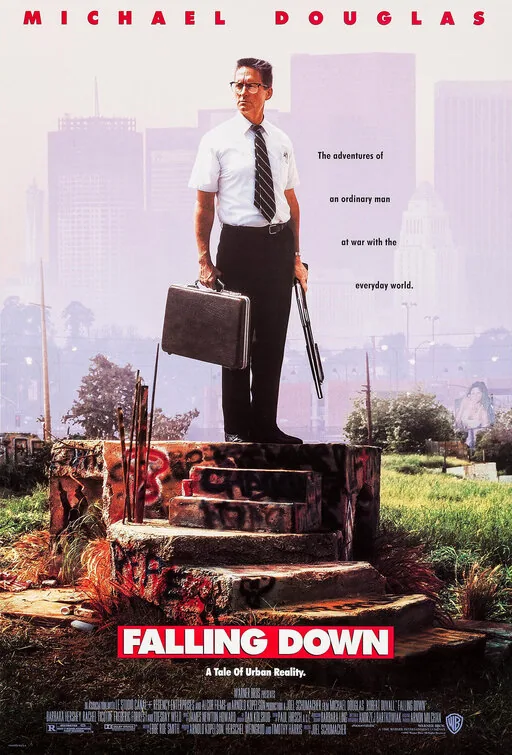
A divorced, armed man abandons his car in Los Angeles traffic and walks toward the home from which he has been excluded. He narrates each encounter as proof that ordinary rules have become intolerable, but his demand for recognition repeatedly becomes intimidation and injury. A nearing-retirement detective follows the accumulating violence while trying to reach the family before the walker does. The film’s satire gives the grievance momentum, then exposes how a self-image of victimhood can conceal both racialized aggression and a direct threat to people who owe the protagonist no access.
Based on recorded story, mood and style. Your preferences can change the order.
Investigation · Criminal underworld
What changes Mr. Brooks: intercut crimes and investigation with psychological confrontations. The Accountant 2: a clue-led investigation alternates with bursts of combat and family conflict.
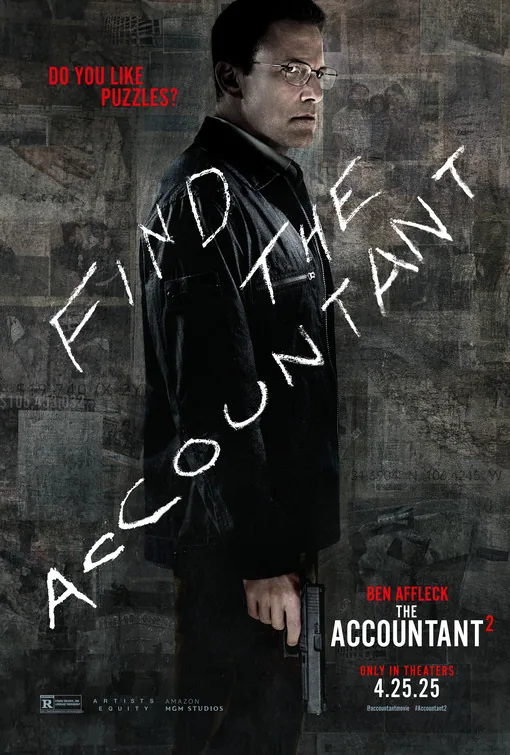
When former financial-crimes director Raymond King is murdered after seeking help with a missing family, his associate Marybeth Medina turns to Christian Wolff for answers. Christian reconnects with his estranged brother Brax, and the pair’s investigation draws them into a violent network whose records hide a broader human cost. The sequel combines procedural puzzles with sibling friction and kinetic action.
Based on recorded story, mood and style. Your preferences can change the order.
Investigation · Criminal underworld
What changes Mr. Brooks: intercut crimes and investigation with psychological confrontations. Solace: case-of-the-week clues, preemptive cat-and-mouse pursuit and reflective pauses.
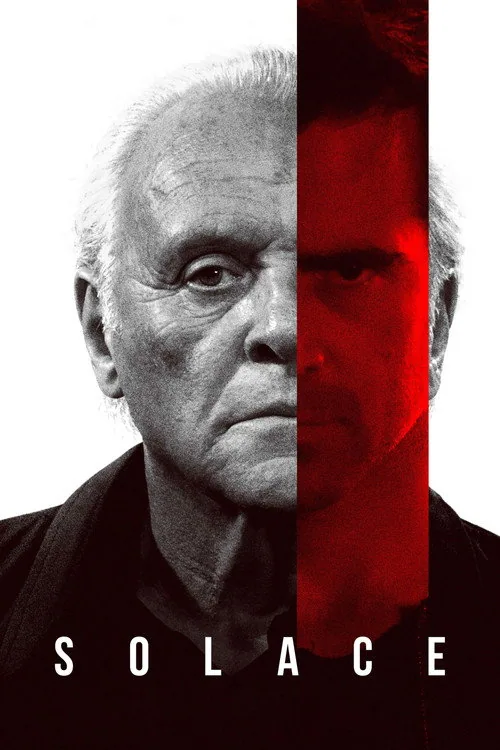
When a series of murders defeats an FBI investigation, agent Joe Merriwether asks retired physician and psychic John Clancy for help. Clancy’s visions provide fragments of possible futures, but a killer named Charles Ambrose appears to possess similar abilities and stay ahead of the bureau. Afonso Poyart’s thriller turns the pursuit into a contest between two men who can glimpse what may happen, while Clancy’s private grief shapes his reluctance to return to investigative work.
Based on recorded story, mood and style. Your preferences can change the order.
Investigation
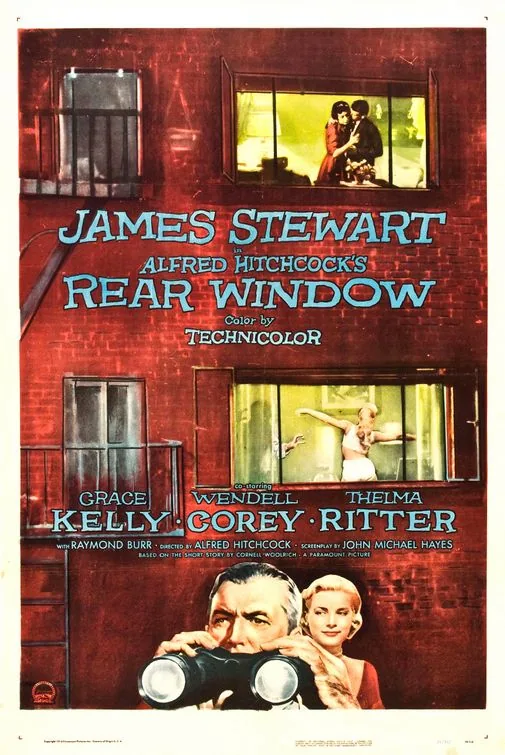
What changes Mr. Brooks: intercut crimes and investigation with psychological confrontations. Rear Window: slow burn.
Confined to his apartment with a broken leg, a photographer watches the neighbours across a courtyard and begins to suspect that one man has murdered his wife. His girlfriend and nurse become increasingly involved in testing observations made from a distance. The investigation converts everyday domestic fragments into possible evidence while exposing the photographer's own resistance to intimacy and the risks of watching without full knowledge.
Based on recorded story, mood and style. Your preferences can change the order.
Investigation · Criminal underworld
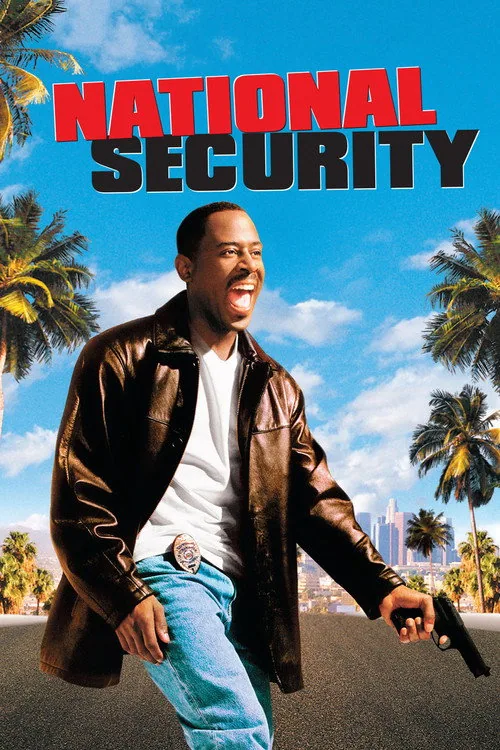
What changes Mr. Brooks: intercut crimes and investigation with psychological confrontations. National Security: meet-cute confrontation, buddy-cop investigation and action-comedy finale.
After a warehouse robbery leaves his partner Charlie dead, Los Angeles officer Hank Rafferty becomes obsessed with finding the thieves. Earl Montgomery, whose police academy career ended after a mishap, is now a security guard and clashes with Hank during a traffic stop. The encounter leads to Hank's dismissal and Earl's arrest; the two eventually uncover a larger robbery scheme and are pushed into working together. The action comedy builds on their hostile partnership and broad contrasts in personality and policing experience.
Based on recorded story, mood and style. Your preferences can change the order.
Investigation
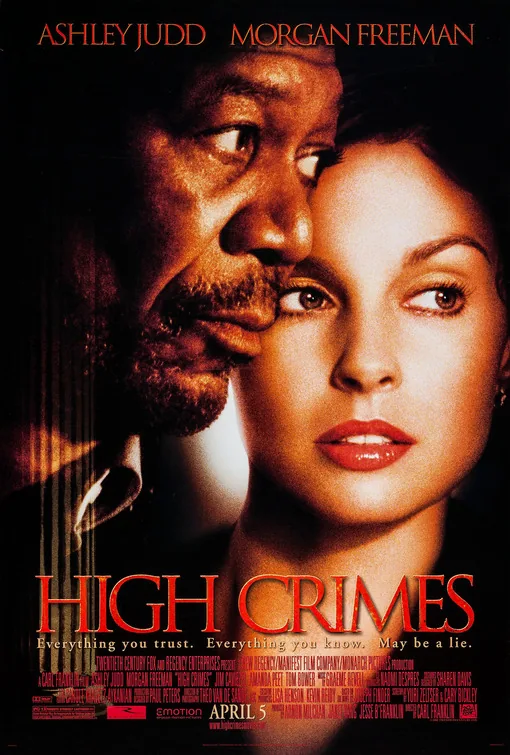
What changes Mr. Brooks: intercut crimes and investigation with psychological confrontations. High Crimes: measured and procedural escalation.
A successful defense attorney must defend her husband when authorities accuse him of concealing a violent military past under another identity. As she examines the evidence, trust in the man she married collides with courtroom strategy and disputed events overseas. This legal thriller combines intimate betrayal with investigation, asking how much of a private life can be known through testimony.
Both share themes of morality, plus a tense atmosphere.
Why this matches +
Genres: Crime / Drama
Shared film traits
Based on recorded story, mood and style. Your preferences can change the order.
Investigation · Criminal underworld
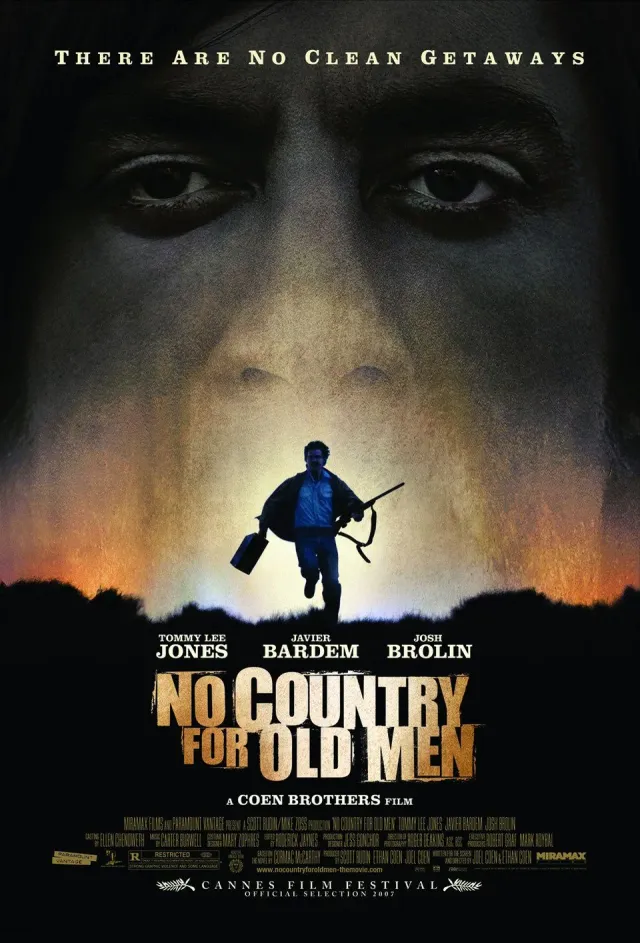
What changes Mr. Brooks: intercut crimes and investigation with psychological confrontations. No Country for Old Men: slow burn and intense.
A hunter discovers the aftermath of a failed drug deal and takes a case of money, drawing a relentless killer and other pursuers after him. An ageing sheriff follows the violence while questioning his ability to understand or contain it. Across motels, roads and sparsely populated towns, practical evasions unfold beside an increasingly troubling sense that experience and moral confidence provide little protection against chance and implacable force.
Based on recorded story, mood and style. Your preferences can change the order.
Investigation · Criminal underworld
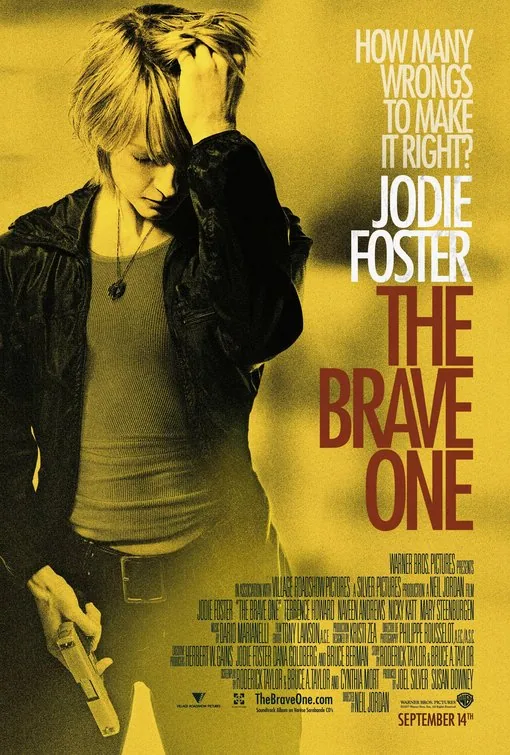
What changes Mr. Brooks: intercut crimes and investigation with psychological confrontations. The Brave One: escalating and character-led.
After a brutal attack kills her fiancé and leaves her seriously injured, a radio host becomes increasingly fearful of the city she once knew. When she begins carrying a weapon and using it during encounters with violence, a detective investigates the cases and becomes drawn into her moral crisis. The film follows the unsettling shift from victimhood toward retaliation, asking whether self-protection can become a new identity organized around revenge.
Based on recorded story, mood and style. Your preferences can change the order.
Investigation · Criminal underworld
What changes Mr. Brooks: intercut crimes and investigation with psychological confrontations. The Tinder Swindler: interview-led, revelation-based and investigation and response.
This documentary follows women who say they were deceived by a man presenting himself on Tinder as a wealthy diamond heir. The film recounts how he cultivated romance and trust before asking for money under the claim that he faced urgent danger, and it follows victims as they compare experiences and try to hold him accountable. Felicity Morris’s true-crime documentary combines interviews, messages, and media coverage to examine romance scams, digital identity, and the financial aftermath for survivors.
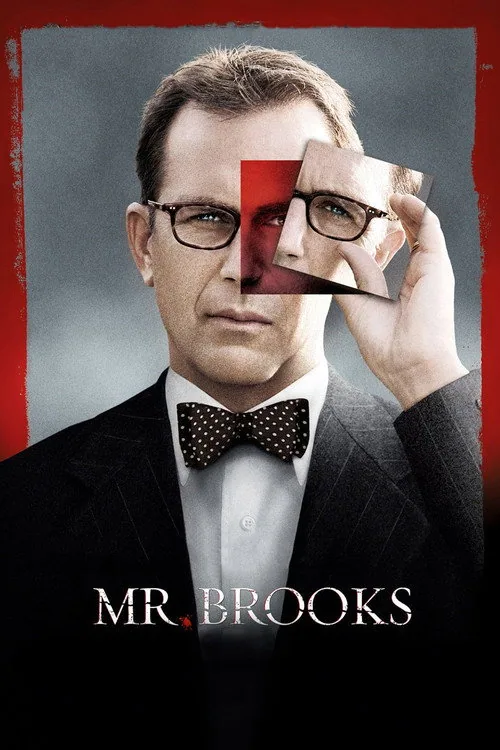
Earl Brooks is a respected Portland businessman and family man whose private life is controlled by an urge to kill. After a man photographs him during a murder, Brooks allows the witness to accompany him on another crime, while detective Tracy Atwood closes in and a violent fugitive targets her. The thriller makes outward respectability, compulsive violence, and the effort to control an imagined inner voice part of the same uneasy investigation.
What drives the story
A witness to Brooks’s latest murder asks to join his next one, turning a secret routine into a risky partnership.
The people at its centre
Brooks’s orderly public persona clashes with the imagined voice of Marshall, while Atwood’s own crisis complicates her pursuit.
What it feels like
The suspense comes from watching a practiced killer manage competing pressures, with violence and murder as central content.
Worth knowing
It is a psychological crime thriller about a serial killer’s control and exposure, not a procedural built around a wholly unknown culprit.
CompulsionSecrecyControl
Mood
Psychological · Tense · Macabre
Pacing
Intercut crimes and investigation with psychological confrontations