A baby forces three carefree roommates to build a shared routine, while a mistaken delivery brings an outside threat into their home.
Why this matches +
Selected for the central appeal: A laid-off father learns the demands of childcare as his wife returns to paid work.
Genres: Comedy / Family
Shared film traits
Based on recorded story, mood and style. Your preferences can change the order.
What changes Inexperienced men adapt to childcare and discover responsibility through domestic comedy; an unexpected baby rather than a parent's job loss.
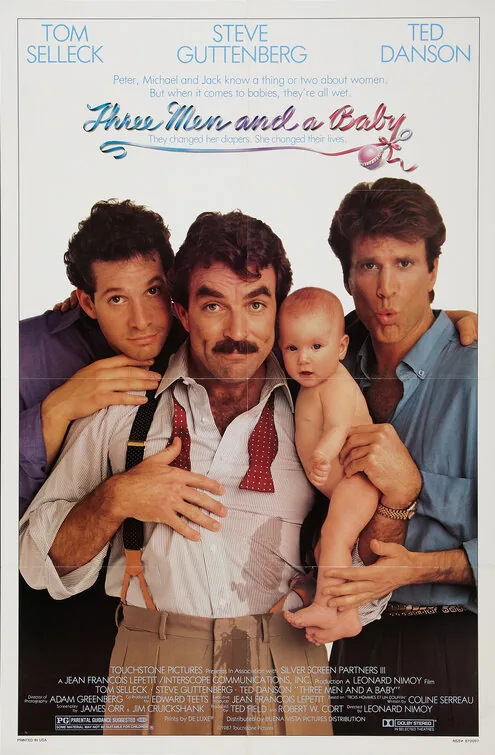
Three Manhattan bachelors find their routines overturned when baby Mary appears at their apartment with a note that connects her to Jack, who is away. Peter and Michael begin caring for her without much experience, and Jack returns to a household that has changed around an infant. The comic domestic adjustment is complicated by the arrival of dangerous men searching for a package, turning an improvised parenting arrangement into a light crime caper as well as a story about responsibility.
Two unemployed fathers build a daycare business and learn that looking after children requires attention, adaptation and teamwork.
Why this matches +
Selected for the central appeal: A laid-off father learns the demands of childcare as his wife returns to paid work.
Genres: Comedy / Family
Shared film traits
Based on recorded story, mood and style. Your preferences can change the order.
What changes Fathers confront assumptions about caregiving when they start a daycare; broader ensemble comedy.
After losing their jobs, two fathers open a daycare center and discover that caring for a group of young children demands more patience and skill than they expected. Their business attracts families and competes with an established school, turning everyday childcare into both a comic challenge and a test of the men’s confidence. The film treats caregiving as real work and lets the fathers grow through the routines they first underestimate.
A bachelor takes in a young boy and finds that the arrangement requires more care than he expected.
Why this matches +
Selected for the central appeal: A laid-off father learns the demands of childcare as his wife returns to paid work.
Genres: Comedy
Shared film traits
Based on recorded story, mood and style. Your preferences can change the order.
What changes An immature man learns responsibility through unexpectedly caring for a child; single-parent comedy.
A carefree New Yorker suddenly takes responsibility for a five-year-old boy and initially sees the arrangement as a way to impress the women in his life. The child changes the routine of his apartment, his social reputation, and his ideas about adulthood. As their friendship becomes genuine, the man must decide whether he will accept the difficult obligations that come with being the boy's dependable parent.
The film's engine follows the many children create an ensemble rhythm across different ages; this keeps the stakes tied to observable choices.
Why this matches +
These offer a related experience with a meaningful difference in story, tone, or presentation.
An adjacent discovery: a related idea with a different viewing experience.
Genres: Comedy / Family
Shared film traits
Based on recorded story, mood and style. Your preferences can change the order.
What changes Parents juggle work and the chaos of raising a large family; follows two working parents.
Tom and Kate Baker move their large family to a new town when Tom gets a coaching job, disrupting routines that had kept the household together. As the children adjust and their parents face competing ambitions, small conflicts multiply into a family-wide test of communication. The comedy treats domestic chaos as slapstick and a question about shared care.
A stepfather's fragile bond with his stepchildren is tested when their confident biological father returns.
Why this matches +
These offer a related experience with a meaningful difference in story, tone, or presentation.
An adjacent discovery: a related idea with a different viewing experience.
Genres: Comedy / Family
Shared film traits
Based on recorded story, mood and style. Your preferences can change the order.
What changes Men compete and adapt to changing parental roles in a household; stepfather rivalry rather than job loss.
Brad Whitaker works hard to become a trusted stepfather to his wife Sara's children, and he is beginning to feel that his patience is paying off. Their confidence is shaken when Sara's charismatic former husband, Dusty, arrives and starts competing for the children's affection. Brad's attempts to prove his worth grow increasingly absurd, revealing how both men confuse being loved with winning a contest.
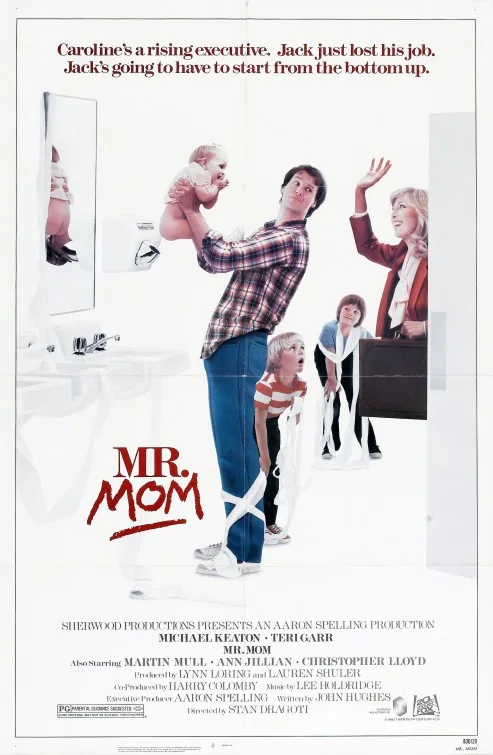
After a corporate layoff, engineer Jack Butler takes over the daily care of his three children while his wife Caroline returns to work. The shift reshapes their routines and exposes assumptions about paid work, household labor, and who is expected to adapt, as Jack learns the practical demands of parenting and Caroline navigates a workplace that rewards the very availability her family needs at home.
What drives the story
An unexpected layoff makes Jack the primary caregiver while Caroline becomes the household's wage earner.
The people at its centre
Jack's comic adjustment to routines and Caroline's new professional pressures reveal that both partners face unfamiliar judgments.
What it feels like
The humor comes from everyday domestic competence and a couple renegotiating labor rather than from extreme farce.
Worth knowing
Its role reversal centers family logistics and gender expectations, not a single career triumph or romantic triangle.