Based on recorded story, mood and style. Your preferences can change the order.
Survival
What changes Only the Brave: training-led, ensemble and foreboding. Backdraft: interwoven, procedural and intensifying.
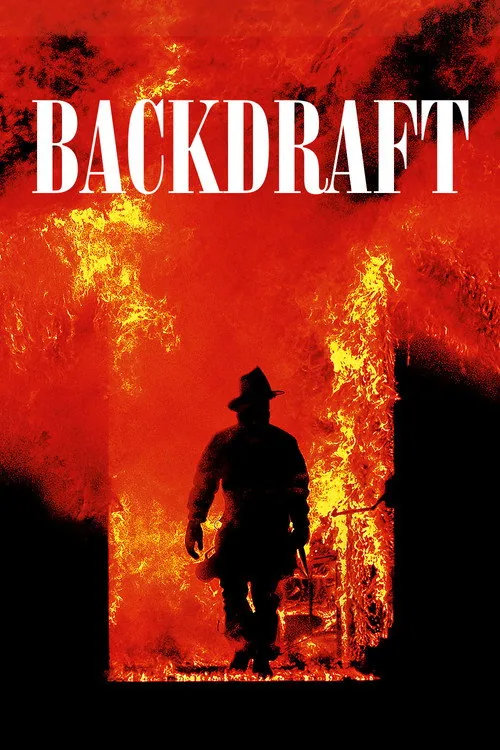
Firefighter Brian McCaffrey returns to Chicago Engine 17 and works in the shadow of his experienced older brother Stephen, whose dangerous methods worry colleagues and family. A series of explosive fires draws veteran firefighter and arson investigator Donald Rimgale into a search for the person setting them. As Brian assists, the brothers confront old grief, competing loyalties, and job risks. Ron Howard’s action drama combines firefighting spectacle with family conflict and an arson mystery.
Based on recorded story, mood and style. Your preferences can change the order.
Survival
What changes Only the Brave: training-led, ensemble and foreboding. The Iron Claw: a decades-spanning family story builds through career turns and losses.
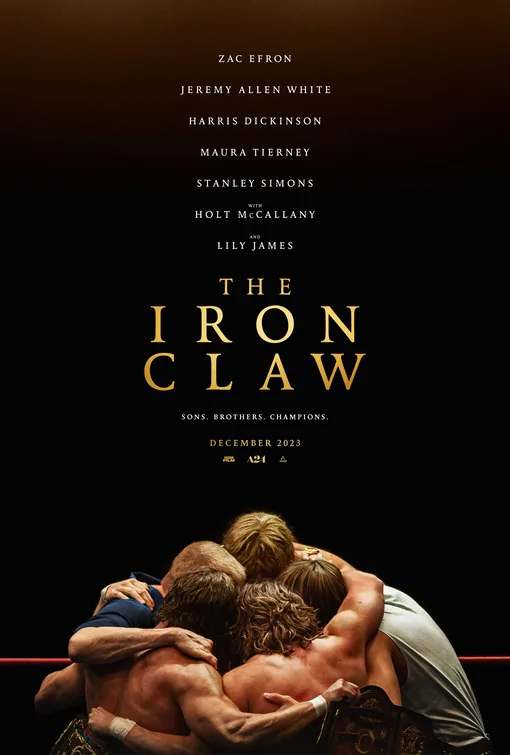
The Von Erich brothers grow up under the demanding influence of their father Fritz, a former wrestler who hopes to build a family wrestling legacy. Kevin, David, Kerry, and Mike pursue careers shaped by discipline, competition, and expectations of masculine toughness. The biographical drama examines how ambition and grief reverberate through a family, centering brotherhood while showing the cost of being measured against an inherited dream.
Based on recorded story, mood and style. Your preferences can change the order.
Survival
What changes Only the Brave: training-led, ensemble and foreboding. The Guardian: training-to-mission and action-driven.
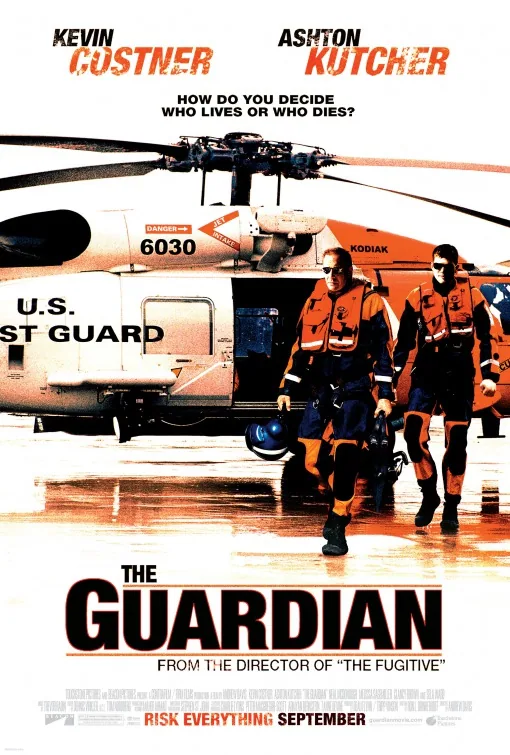
A veteran Coast Guard rescue swimmer is assigned to train new recruits after a mission leaves him carrying the weight of earlier losses. One talented but reckless recruit challenges the veteran's methods, and their relationship changes as training gives way to dangerous rescue work at sea. The action drama emphasizes the physical risk and discipline of saving others, while asking whether a mentor can prepare someone without controlling every choice.
Based on recorded story, mood and style. Your preferences can change the order.
Survival
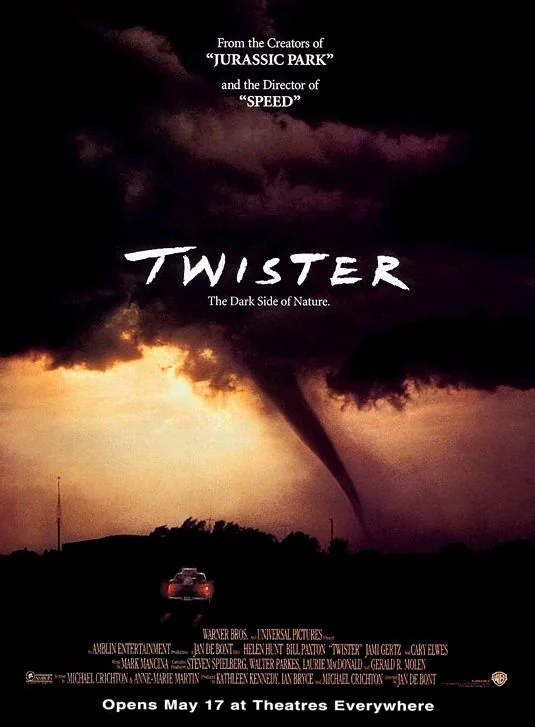
What changes Only the Brave: training-led, ensemble and foreboding. Twister: escalating storm chase.
On the eve of signing divorce papers, storm chasers Jo and Bill Harding reunite as a series of powerful tornadoes crosses Oklahoma. Jo’s team wants to deploy a new instrument, Dorothy, into a tornado so it can gather data that could improve warnings. Bill is skeptical but knows the project and the team better than the new corporate rival they face. As weather conditions worsen, professional competition collides with the former couple’s unresolved history and the practical danger of the chase. The film makes meteorology a physical pursuit: forecasts, road choices and rapidly changing skies determine where the characters can safely go. Its romance remains a secondary current within a disaster adventure organized around observation and risk.
Based on recorded story, mood and style. Your preferences can change the order.
Survival
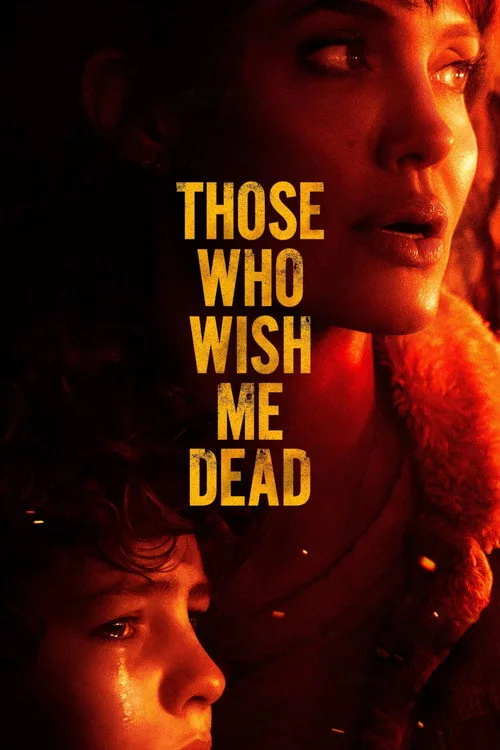
What changes Only the Brave: training-led, ensemble and foreboding. Those Who Wish Me Dead: fast escalation, intercut pursuits and action-driven.
Smokejumper Hannah Faber is stationed at a Montana fire lookout after a past rescue failure continues to haunt her. When forensic accountant Owen Casserly is killed while trying to protect evidence, his young son Connor reaches Hannah with assassins pursuing him. A deliberately set wildfire cuts off escape routes and threatens nearby homes, forcing Hannah and a local family to navigate both human danger and a fast-moving natural disaster. Taylor Sheridan’s action thriller combines wilderness survival, a fugitive chase, and the difficult work of finding purpose after trauma.
Based on recorded story, mood and style. Your preferences can change the order.
Survival
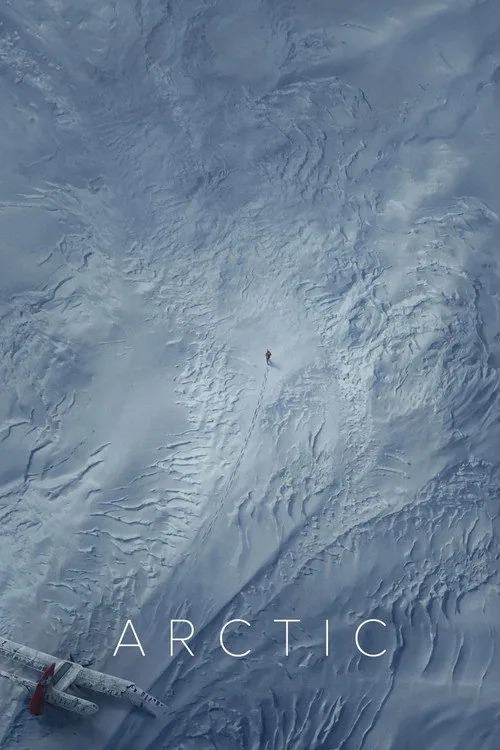
What changes Only the Brave: training-led, ensemble and foreboding. Arctic: deliberate survival process, episodic setbacks and steady physical escalation.
Overgård has survived a plane crash in the Arctic by turning its wreckage into shelter and following a strict routine for food and signaling. When a rescue helicopter crashes nearby, its injured passenger needs help, and Overgård must choose between staying with the supplies he knows and taking a dangerous journey toward a possible refuge. The film follows the physical details of movement, cold, and dwindling strength rather than explaining how he became stranded. Joe Penna's survival drama centers persistence and caretaking in an unforgiving landscape.
Based on recorded story, mood and style. Your preferences can change the order.
Survival
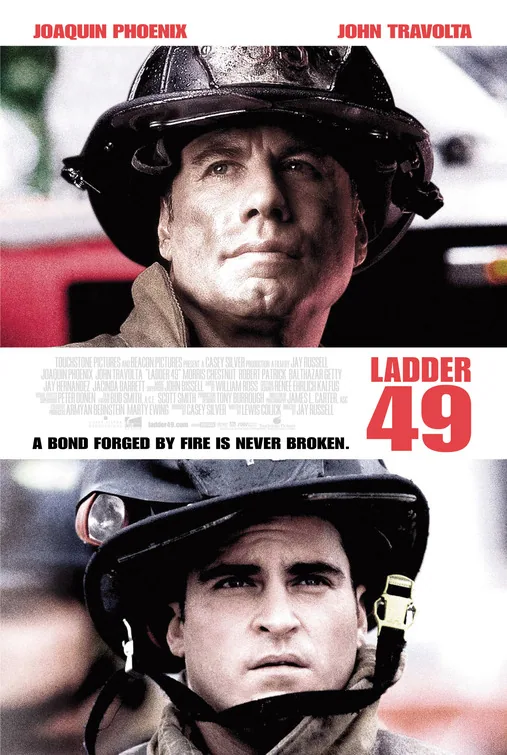
What changes Only the Brave: training-led, ensemble and foreboding. Ladder 49: interwoven and steady.
A Baltimore firefighter becomes trapped inside a burning building, and the story moves between the rescue attempt and memories of his career, friendships and family life. The structure gives the immediate emergency emotional context without reducing the job to action spectacle. Its central concern is the cost of service: the bonds that sustain firefighters and the uncertainty their loved ones live with when every call may become the last.
Both share themes of teamwork, plus an inspiring atmosphere.
Why this matches +
Genres: Drama / Sport
Shared film traits
Based on recorded story, mood and style. Your preferences can change the order.
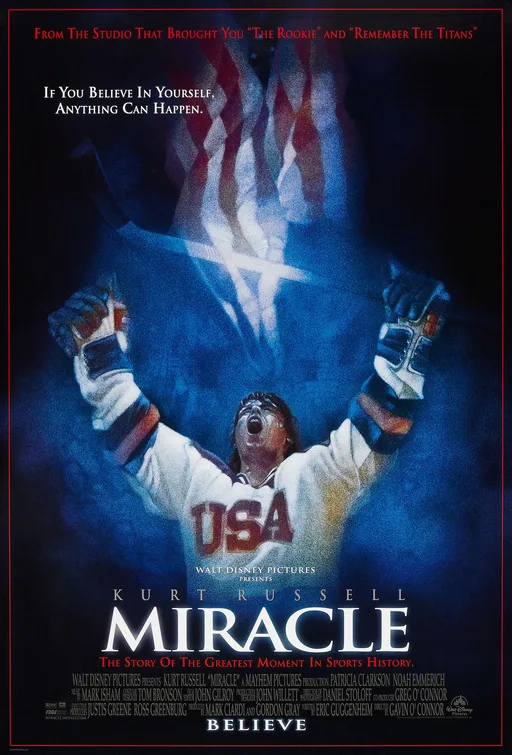
What changes Only the Brave: training-led, ensemble and foreboding. Miracle: training-to-competition and steady.
Coach Herb Brooks assembles a group of U.S. college hockey players and prepares them for the 1980 Winter Olympics, where they face the heavily favored Soviet team. The film follows the discipline, conditioning and disagreements that turn individuals with different backgrounds into a functioning team. Its historical sports drama focuses on leadership and collective effort, making the result depend on preparation and trust rather than presenting victory as an isolated miracle.
Based on recorded story, mood and style. Your preferences can change the order.
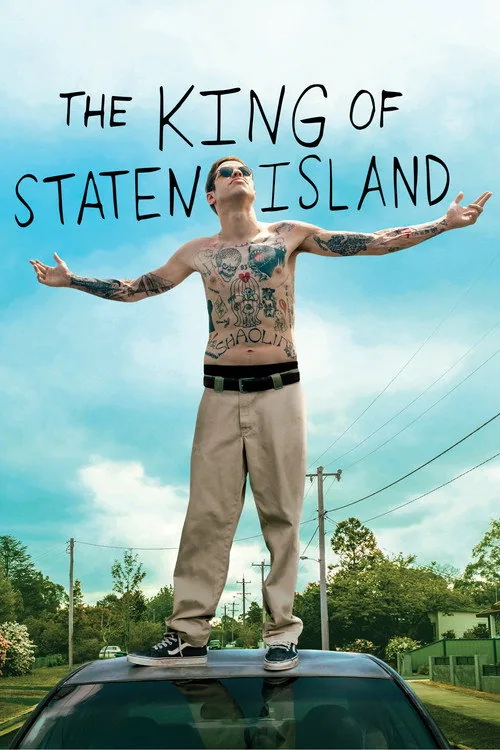
What changes Only the Brave: training-led, ensemble and foreboding. The King of Staten Island: character-led, episodic and gradual emotional movement.
Scott Carlin is a 24-year-old high-school dropout living with his mother and sister on Staten Island. He dreams of becoming a tattoo artist but spends much of his time avoiding responsibility and processing the childhood loss of his firefighter father. When his mother begins dating Ray, a firefighter with a son of his own, Scott’s resistance pushes him into new relationships and an unexpected stay at Ray’s firehouse. This comedy-drama draws on Pete Davidson’s background for a patient portrait of grief, arrested adulthood, and the uneven steps toward independence.
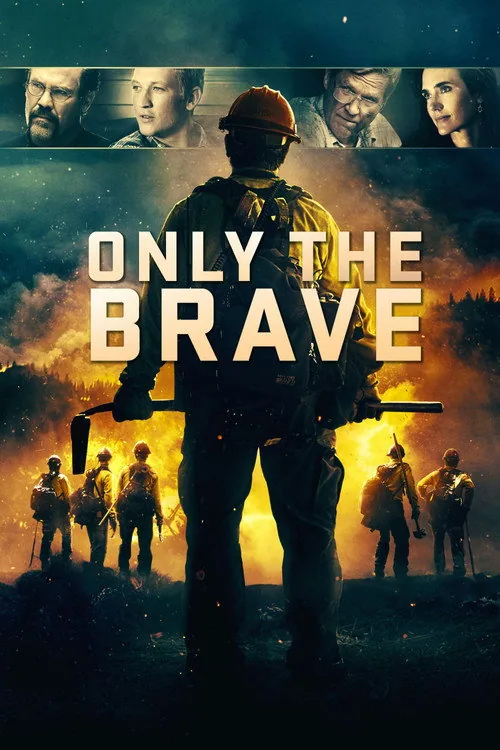
Eric Marsh leads an Arizona wildland crew seeking hotshot certification, which requires disciplined training and strong field performance. Recruit Brendan McDonough joins while rebuilding his life after heroin addiction and trying to become a dependable father. As the Granite Mountain Hotshots earn recognition and deploy to increasingly dangerous fires, their relationships face pressure. Joseph Kosinski’s biographical drama honors the firefighters who died at the Yarnell Hill Fire while showing their work, crew culture, and personal lives.
What drives the story
A wildland crew trains to become hotshots and faces increasingly dangerous deployments, including the Yarnell Hill Fire.
The people at its centre
Eric mentors Brendan through recovery and work, while crew loyalty connects professional purpose to family life.
What it feels like
Contains wildfire peril, deaths, addiction, injury, and grief; the climax depicts a real fatal disaster.
Worth knowing
This dramatized tribute to Granite Mountain Hotshots balances crew training with the known historical outcome.
BraveryTeamworkRecovery
Mood
Inspiring · Grounded · Tragic
Pacing
Training-led · Ensemble · Foreboding
Visual style
Expansive wildfire imagery · Field realism · Southwestern landscapes
Storytelling
Crew certification · Wildfire deployments · Personal recovery