Based on recorded story, mood and style. Your preferences can change the order.
What changes Only Yesterday: measured. Your Name: steady.
A schoolgirl in a rural town and a boy living in Tokyo begin intermittently experiencing each other's daily lives without understanding the exchange. Messages and improvised rules create familiarity through mistakes, social embarrassment and private glimpses of another person's world. When the connection becomes unreliable, searching for the person behind those experiences reveals that distance is not the only obstacle separating them, and that memory itself may not preserve what matters.
Both share themes of memory, plus a gentle atmosphere.
Why this matches +
Genres: Animation / Drama
Shared film traits
Based on recorded story, mood and style. Your preferences can change the order.
What changes Only Yesterday: measured. From Up on Poppy Hill: unhurried and interwoven.
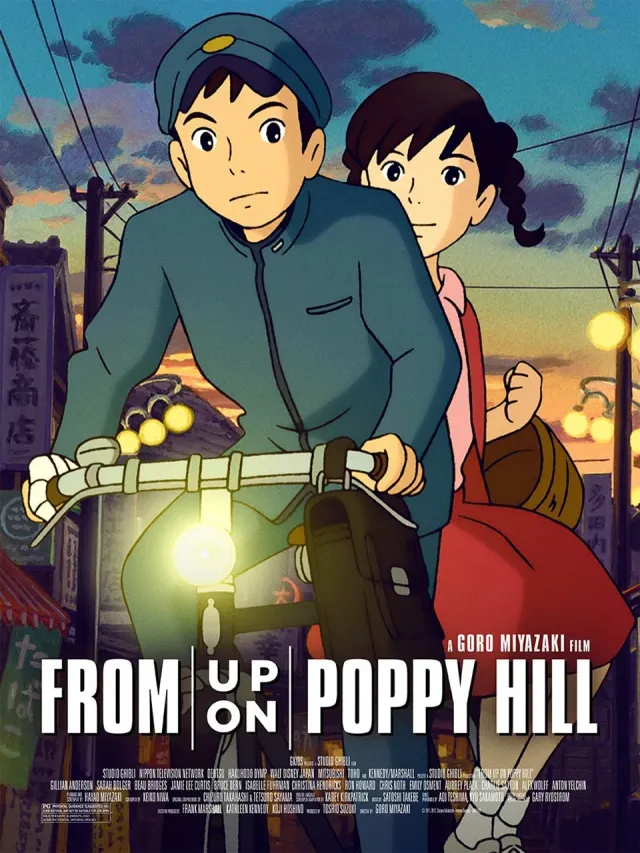
In 1963 Yokohama, high-school student Umi raises signal flags each morning in memory of her father. She becomes involved with Shun and a student campaign to save an old clubhouse from demolition, while questions about their family histories emerge. Gorō Miyazaki's animated drama sets youthful romance within a changing city, balancing civic activism, school life and the private meaning of inherited memory.
Based on recorded story, mood and style. Your preferences can change the order.
What changes Only Yesterday: measured. The Girl Who Leapt Through Time: buoyant and increasingly reflective.
A high-school student discovers that she can jump backward through time and initially uses the power to fix small embarrassments and improve ordinary days. The consequences grow more serious as her choices affect friends and a relationship she has not fully understood. The animated story turns a playful science-fiction device into a coming-of-age lesson about time, responsibility and the value of letting other people make their own choices.
Based on recorded story, mood and style. Your preferences can change the order.
Expect contemplative and melancholic, with measured pacing.
A young Japanese engineer pursues the beauty of aircraft design while earthquakes, illness and approaching war shape the world around him. His career develops through mentorship, compromise and imagined conversations with an admired designer. A tender relationship offers a different measure of a life well spent, while the uses of his technical achievement make creative devotion difficult to separate from destructive history.
Based on recorded story, mood and style. Your preferences can change the order.
What changes Only Yesterday: measured. Tokyo Godfathers: episodic search, coincidental encounters and emotional christmas resolution.
On Christmas Eve in Tokyo, three unhoused companions—Gin, Hana, and runaway teenager Miyuki—find a newborn among discarded belongings. They follow a few clues to identify the baby's parents and carry her through the city, encountering people connected to their own pasts along the way. Their search turns into a chain of coincidences, danger, and unlikely generosity. Satoshi Kon's animated drama uses a holiday structure for a humane urban adventure about chosen family, regret, and the possibility of returning a child to safety.
Based on recorded story, mood and style. Your preferences can change the order.
What changes Only Yesterday: measured. The Garden of Words: short and contemplative, repeated garden encounters and emotional late turn.
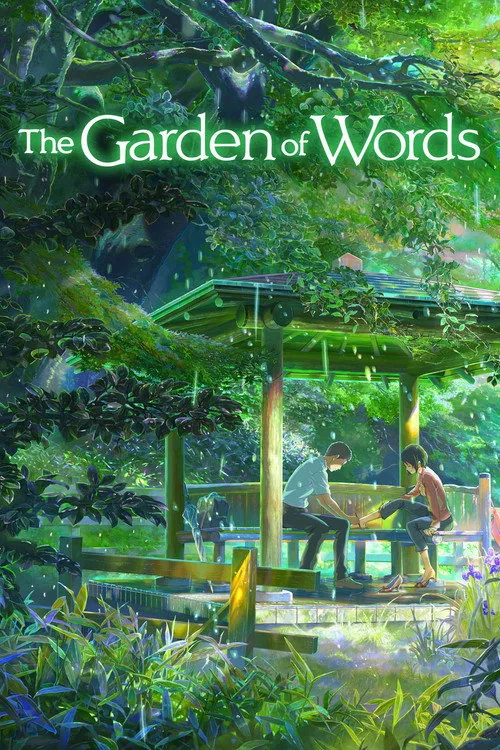
On rainy mornings in Tokyo, fifteen-year-old aspiring shoemaker Takao skips school to sketch in a garden and repeatedly encounters Yukari, an adult woman avoiding work. They begin sharing quiet time without exchanging much about themselves, and Takao plans to make shoes for her. When the rainy season ends and the meetings stop, their connection is tested by the lives they have each been hiding. Makoto Shinkai's short animated drama uses weather and urban greenery to frame loneliness, mentorship, and an uneven bond.
Both share themes of memory, plus a bittersweet atmosphere.
Why this matches +
Genres: Animation / Romance
Shared film traits
Based on recorded story, mood and style. Your preferences can change the order.
Expect melancholic and intimate, with measured pacing.
Three linked chapters follow a young man whose early bond with a classmate survives initially through letters and a difficult journey to see her. As distance, school, and adult routines intervene, the memory of that connection shapes other relationships. The film attends to hesitation and missed emotional availability, tracing how a cherished attachment can persist after two lives have stopped moving together.
Based on recorded story, mood and style. Your preferences can change the order.
What changes Only Yesterday: measured. Weathering with You: steady.
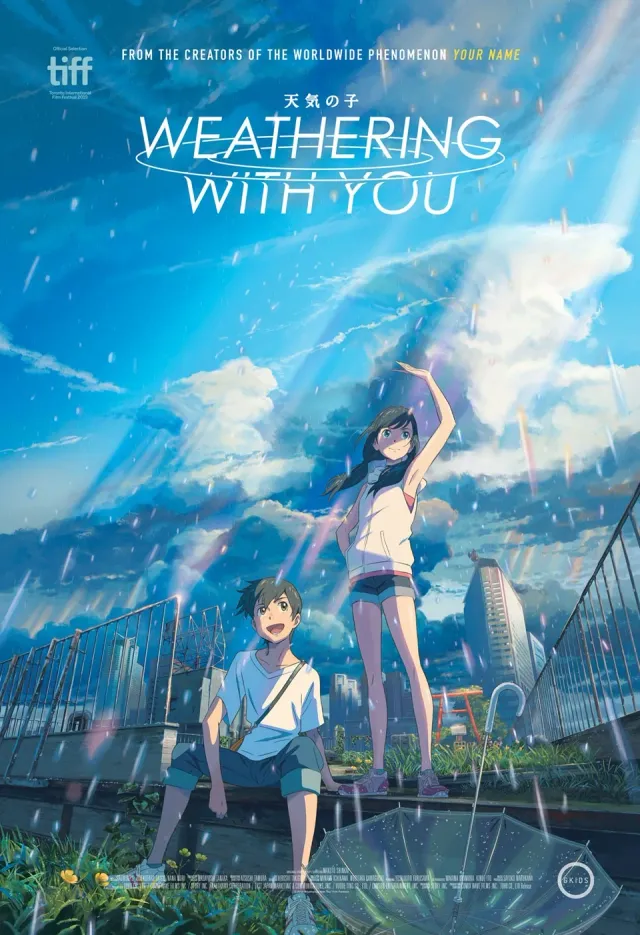
A teenage runaway finds precarious work in rain soaked Tokyo and befriends an orphaned girl who can briefly clear the sky. Selling her ability offers independence to young people whom the adult world cannot easily accommodate. As police searches and the threat of family separation close in, they discover that the weather's apparent cure requires a personal sacrifice, turning their improvised livelihood into a conflict between protecting one life and satisfying a city's needs.
Based on recorded story, mood and style. Your preferences can change the order.
What changes Only Yesterday: measured. Luca: brisk.
A young sea creature discovers that he can pass as human on land and joins a more confident friend in imagining a life of travel. A seaside town offers a race that might fund the dream, but also hostility toward the identity they conceal. A new friendship opens educational possibilities that threaten the first companion's fear of abandonment. The animated summer story makes belonging expansive only when it can withstand both disclosure and changed plans, rather than requiring two people to preserve a shared escape fantasy forever.
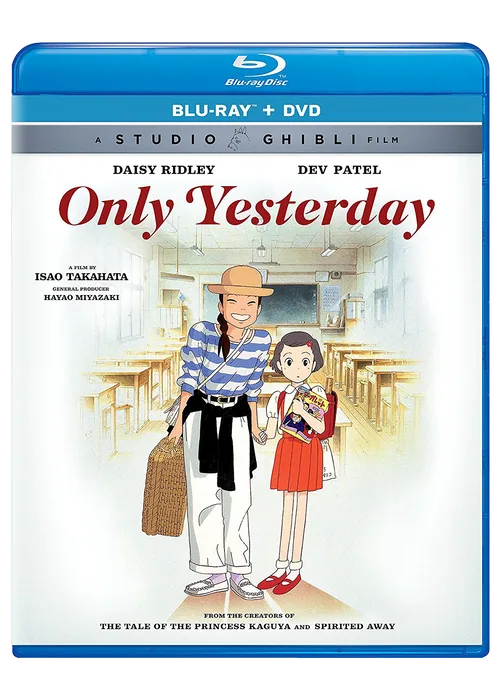
A Tokyo office worker takes a holiday helping with a rural harvest and finds memories of her ten-year-old self repeatedly surfacing. Small childhood experiences of school, family and embarrassment acquire new significance as she considers what she wants from adult life. Conversations with a young farmer create an alternative to familiar expectations without turning the countryside into a simple escape from difficulty.
What drives the story
An adult change of setting prompts a reassessment of childhood experiences and inherited expectations.
The people at its centre
A reflective woman approaches a possible new relationship while mentally revisiting the family that shaped her.
What it feels like
Agricultural routines and ordinary memories accumulate into a quiet account of choosing a life.
Worth knowing
Its childhood scenes serve an adult reflection on work and belonging rather than a child-led fantasy adventure.