A childhood act of silence creates a criminal mentorship that competes with a father's ordinary moral example.
Why this matches +
Selected for the central appeal: Working-class teenagers find loyalty and belonging in a gang rivalry whose violence carries lasting consequences.
Genres: Crime / Drama
Shared film traits
Based on recorded story, mood and style. Your preferences can change the order.
Coming of age
What changes A young man grows up amid neighborhood loyalty, class and criminal violence; a father-son crime drama.
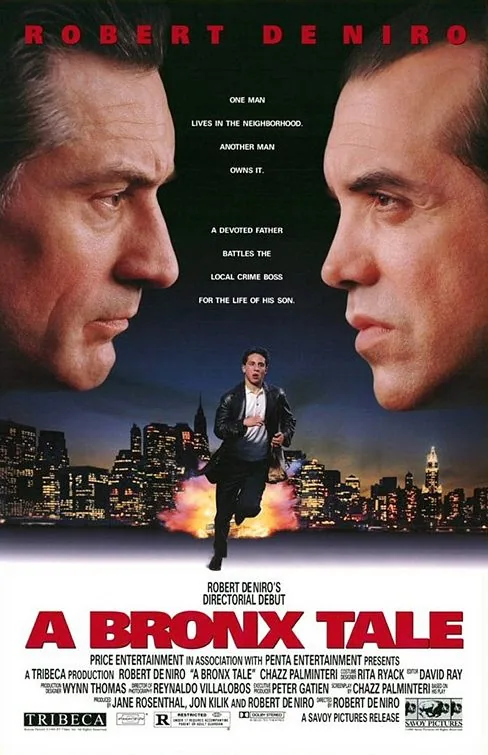
A boy in an Italian American neighborhood witnesses a killing and wins a local gangster's favor by refusing to identify him. As he grows up, he moves between the gangster's seductive authority and his bus driver father's insistence on honest work. An interracial romance and his friends' escalating racism make the choice between these models of adulthood increasingly urgent.
Rusty’s desire to inherit his brother’s legend conflicts with the older man’s effort to end the gang cycle.
Why this matches +
Selected for the central appeal: Working-class teenagers find loyalty and belonging in a gang rivalry whose violence carries lasting consequences.
Genres: Drama / Crime
Shared film traits
Based on recorded story, mood and style. Your preferences can change the order.
Coming of age
What changes Young brothers navigate gang identity, family and violence in a stylized working-class world; more dreamlike and existential.
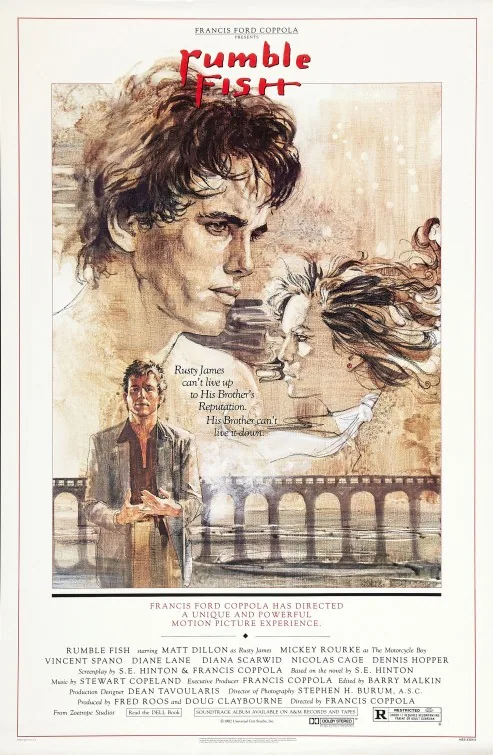
In Tulsa, Rusty James tries to live up to the reputation of his older brother, the Motorcycle Boy, who once kept rival gangs at peace. The brother’s return interrupts a fight and draws Rusty back into a family marked by poverty, drinking and a mother who has long been absent. Rusty’s attempts to imitate gang life strain his friendships and relationship with Patty, while his brother urges him to leave the gangs behind. The two spend time with their awkward friend Steve and their alcoholic father, who sees the brothers as unusually perceptive rather than mad. A visit to a pet shop brings the brothers to fighting fish that become part of the Motorcycle Boy’s final attempt to set something free.
A cross-group romance threatens inherited territorial loyalties just as a planned confrontation gives those loyalties immediate violent consequences.
Why this matches +
Selected for the central appeal: Working-class teenagers find loyalty and belonging in a gang rivalry whose violence carries lasting consequences.
Genres: Crime / Drama
Shared film traits
Based on recorded story, mood and style. Your preferences can change the order.
What changes Teen groups divided by social identity confront the tragic cost of rivalry; a musical and focused on romance.
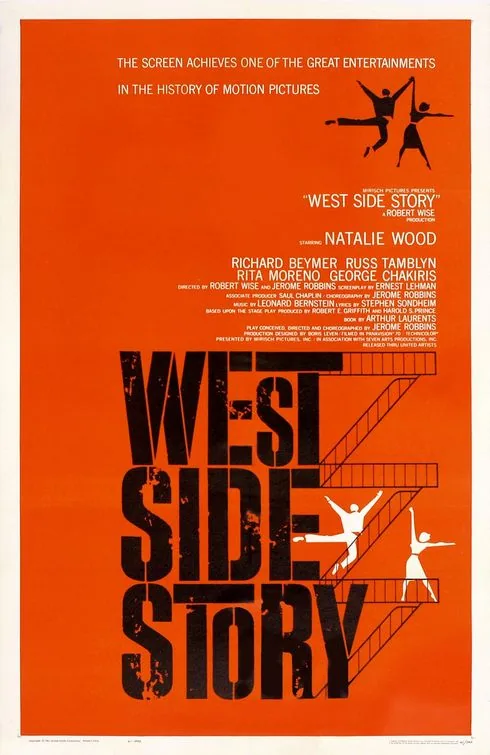
Two youth gangs compete over an Upper West Side neighbourhood shaped by migration, exclusion and claims to local belonging. A former gang member and the sister of his rivals' leader fall in love after meeting at a dance, imagining an escape from loyalties others treat as fixed. Efforts to contain the conflict fail as pride, prejudice and misinformation make personal reconciliation dependent on a community that repeatedly interprets intimacy as betrayal.
Kathy’s memories trace the club’s evolution as Benny’s attachment to its leader increasingly conflicts with their shared life.
Why this matches +
These offer a related experience with a meaningful difference in story, tone, or presentation.
An adjacent discovery: a related idea with a different viewing experience.
Genres: Drama / Crime
Shared film traits
Based on recorded story, mood and style. Your preferences can change the order.
Coming of age
What changes A close-knit group finds belonging in a subculture while violence undermines it; adult motorcycle riders.
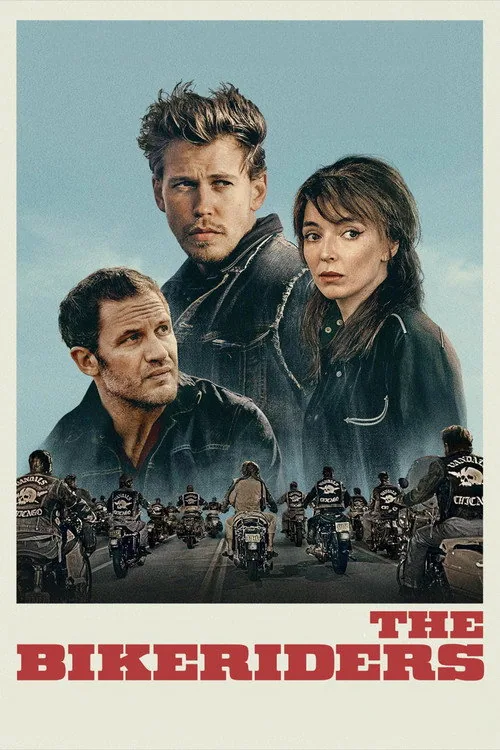
Kathy recounts how she met Benny, an impulsive young rider drawn to Johnny’s Chicago motorcycle club, the Vandals. Over the following years, the group grows from a local community of outsiders into a more volatile subculture, while Benny’s loyalty to Johnny and his relationship with Kathy pull him in different directions. Jeff Nichols’s period drama takes inspiration from Danny Lyon’s photographs and interviews, using Kathy’s perspective to look at changing biker identity, freedom, and violence in the 1960s.
A young man weighs leaving gang life while further violence pulls him toward retaliation.
Why this matches +
These offer a related experience with a meaningful difference in story, tone, or presentation.
An adjacent discovery: a related idea with a different viewing experience.
Genres: Crime / Drama
Shared film traits
Based on recorded story, mood and style. Your preferences can change the order.
Coming of age
What changes Young friends confront loyalty and lethal neighborhood violence; a contemporary urban setting with harsher realism.
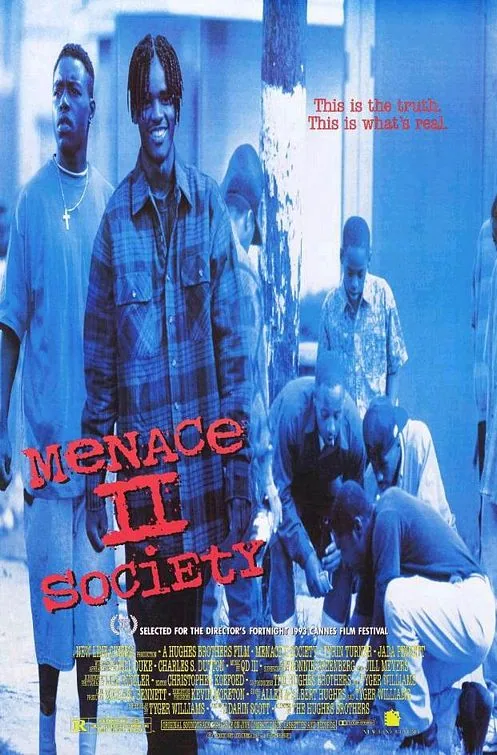
After high school, Caine Lawson considers leaving the gang-centered life around him in Watts, but violence and loyalty keep narrowing his choices. His friend O-Dog and the adults who advise him embody sharply different responses to their surroundings. The drama follows Caine's attempt to imagine another future while showing how neighborhood, grief and repeated retaliation make that possibility fragile.
Three separated stages of one life trace how protective habits form around experiences of shame, tenderness, violence and interrupted intimacy.
Why this matches +
These offer a related experience with a meaningful difference in story, tone, or presentation.
An adjacent discovery: a related idea with a different viewing experience.
Genres: Drama / Coming-of-age
Shared film traits
Based on recorded story, mood and style. Your preferences can change the order.
Coming of age
What changes A young person seeks identity and connection amid poverty and violence; an intimate coming-of-age drama across decades.
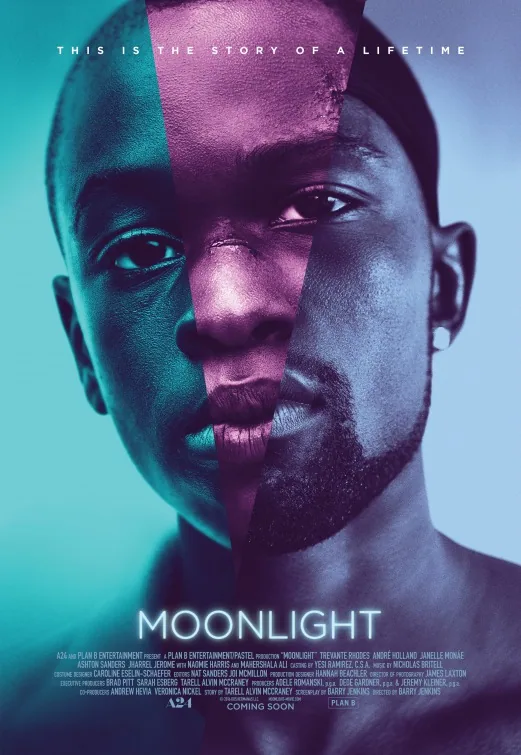
Across childhood, adolescence and adulthood, a quiet boy from Miami learns different ways to protect himself from bullying, instability at home and expectations of masculinity. A drug dealer and his partner offer care complicated by the economy harming his mother, while one friendship creates a vulnerable possibility of intimacy. The divisions between the three periods reveal how a hardened adult identity can preserve earlier wounds without extinguishing the desire to be known.
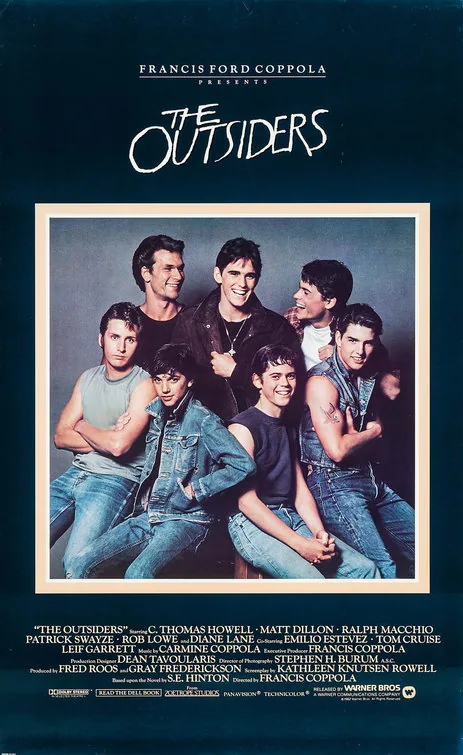
In 1960s Tulsa, teenager Ponyboy Curtis belongs to a close-knit group of working-class Greasers who are in constant conflict with the wealthier Socs. After one violent encounter changes everything, Ponyboy and his friend Johnny flee and try to make sense of loyalty, class resentment, and the future they have been denied. Their brotherhood offers shelter, but it cannot prevent the costs of escalating violence.
What drives the story
A class conflict between rival groups forces two teenagers to flee after violence changes their lives.
The people at its centre
Ponyboy's reflective nature complicates the gang's tough image, while Johnny's fear and tenderness make their loyalty vulnerable.
What it feels like
The film uses a youthful ensemble and lyrical imagery to place friendship beside grief and social division.
Worth knowing
Its heightened group melodrama differs from a contemporary school story focused on everyday awkwardness.