Both share supernatural threat, plus themes of family.
Why this matches +
Genres: Horror / Thriller
Shared film traits
Based on recorded story, mood and style. Your preferences can change the order.
Escape and pursuit
What changes Poltergeist is tagged eerie and suspenseful; Insidious: Chapter 2 is tagged uncanny and anxious.
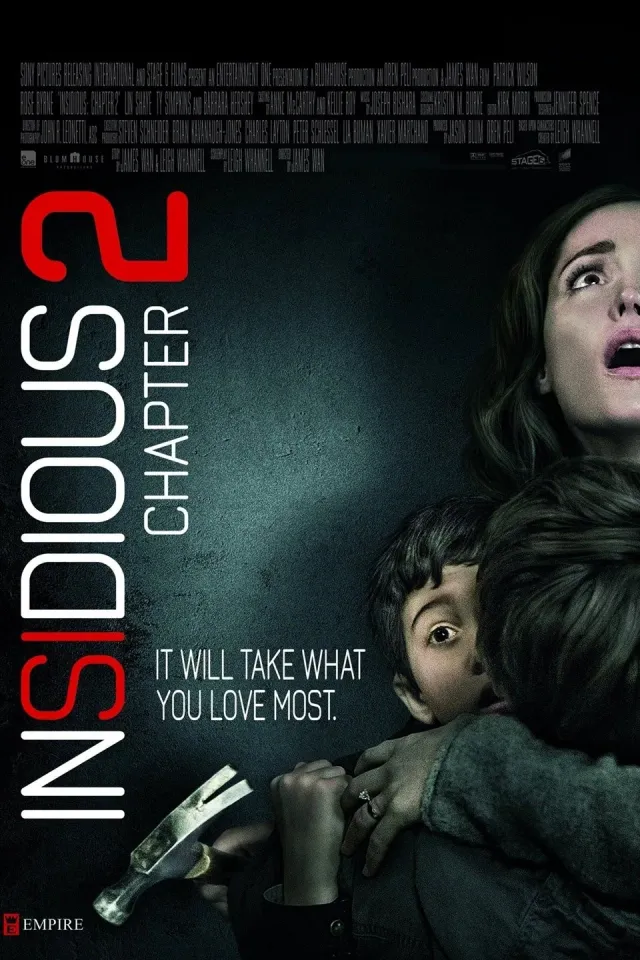
After a family survives a haunting, the danger follows them into a new house and begins attaching itself to the father’s unexplained behavior. Relatives and investigators revisit memories and old recordings to understand the link between the family and a violent presence. The sequel builds its scares around the possibility that home is no longer separate from the supernatural world.
Both share haunted house, plus an eerie atmosphere.
Why this matches +
Genres: Horror / Mystery
Shared film traits
Based on recorded story, mood and style. Your preferences can change the order.
What changes Poltergeist: building, sudden shocks and escalating. The Haunting: slow burn and building tension.
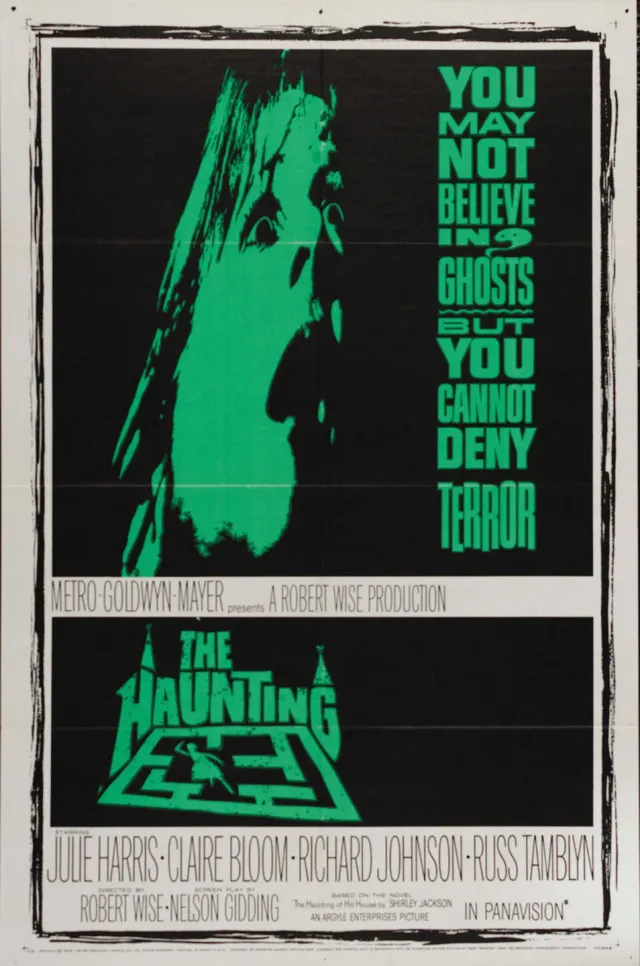
Paranormal researcher Dr. Markway invites a small group to stay at Hill House, a mansion with a disturbing history. Among his guests are Eleanor, a lonely woman eager to escape an oppressive home life, and the perceptive Theo. Strange sounds and tensions within the group make the house’s effects increasingly difficult to separate from Eleanor’s vulnerable state of mind.
Shared characteristics
Mood: Eerie
Story: Haunted house
Genre: Horror
Poster: Film rights holders; original promotional poster documented by Wikipedia · Image source
Both share supernatural threat, plus themes of family.
Why this matches +
Genres: Horror / Drama
Shared film traits
Based on recorded story, mood and style. Your preferences can change the order.
What changes Poltergeist: building, sudden shocks and escalating. Bring Her Back: slow burn.
A teenage boy and his visually impaired younger stepsister enter a foster household after their father's death. Their carer's apparent warmth is complicated by restrictive rules, an unsettling child already living there and an attachment to her own lost family. As the siblings seek stability, attempts to separate them expose a private project in which care and grief conceal increasingly dangerous intentions.
Based on recorded story, mood and style. Your preferences can change the order.
What changes Poltergeist is tagged eerie and suspenseful; Insidious is tagged menacing and uncanny.
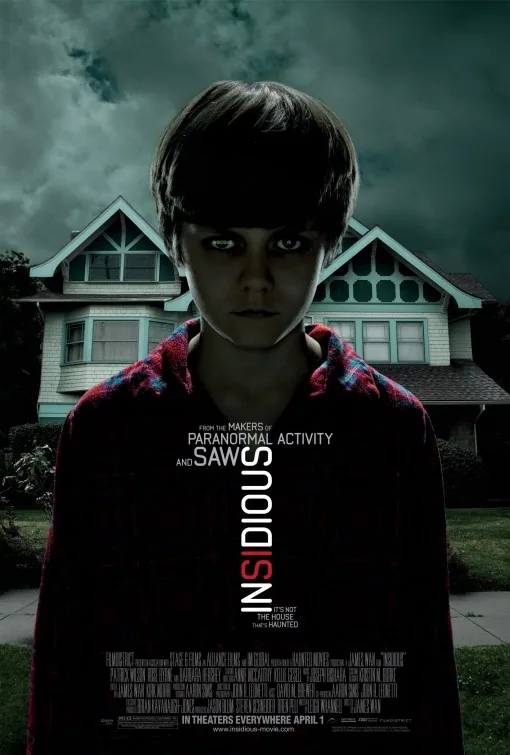
A child's unexplained unresponsiveness coincides with frightening disturbances that follow his family even after they leave their house. A specialist offers an account in which his consciousness has traveled away from his body, making that body available to other presences. The proposed rescue uncovers an earlier family history that had been concealed rather than resolved. The supernatural horror shifts its threat from a dangerous property to a vulnerable relationship between body, memory and inherited ability, making moving home an inadequate escape.
Based on recorded story, mood and style. Your preferences can change the order.
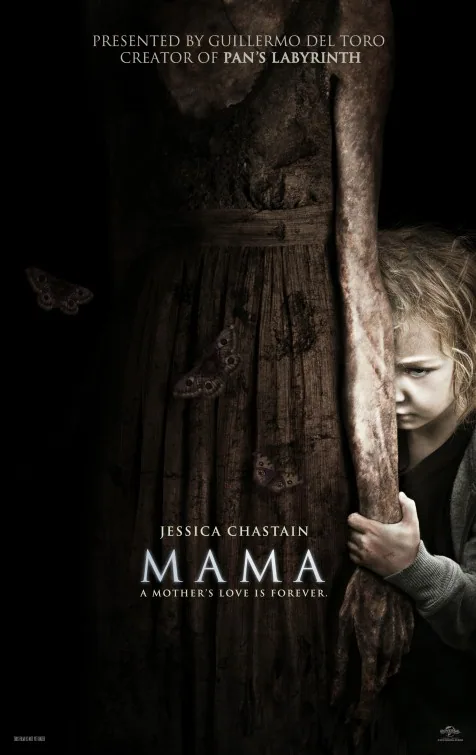
What changes Poltergeist: building, sudden shocks and escalating. Mama: slow-building and escalating menace.
Two sisters are discovered alive after years in an isolated cabin and are placed with their uncle and his reluctant partner. Their adjustment is disturbed by an unseen maternal presence that appears to have protected them. As the adults investigate the children's past, ordinary caregiving becomes entangled with supernatural jealousy, and the sisters' different attachments make the idea of returning home increasingly complicated.
Based on recorded story, mood and style. Your preferences can change the order.
Escape and pursuit
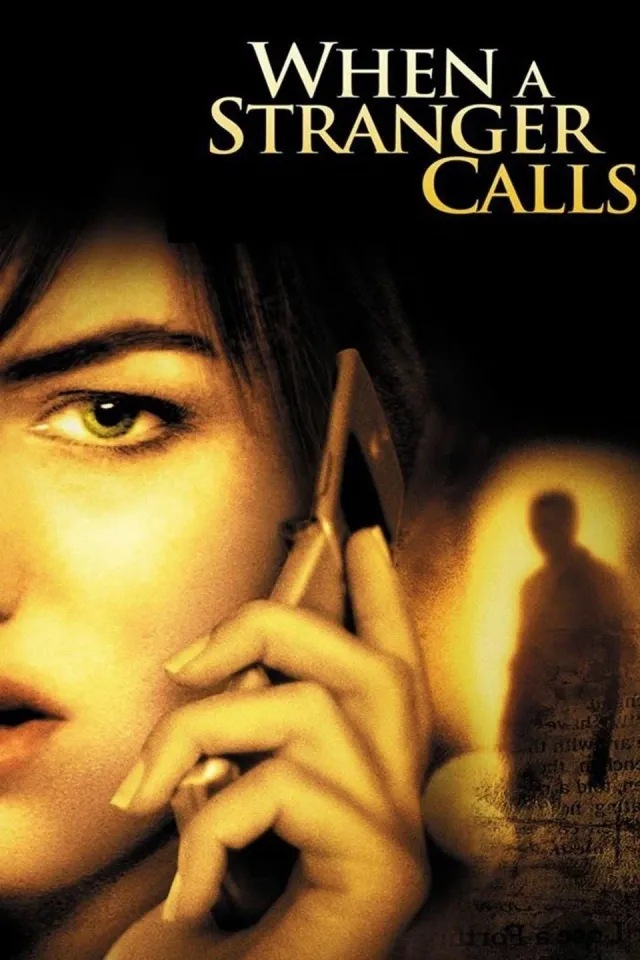
Expect ominous and suspenseful, with slow-building and escalating pacing.
A high-school student takes a babysitting job at a large, isolated house and begins receiving anonymous calls from someone who keeps asking about the children. At first the calls seem like a prank, but repeated contact and the house’s distance from help turn routine work into a frightening ordeal. The remake builds suspense through limited space and uncertainty about what can be heard or seen.
Based on recorded story, mood and style. Your preferences can change the order.
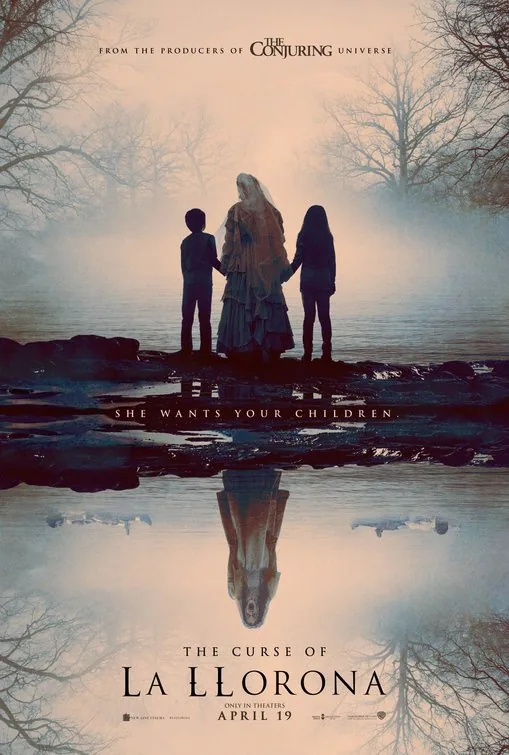
What changes Poltergeist is tagged eerie and suspenseful; The Curse of La Llorona is tagged ominous and anxious.
In 1970s Los Angeles, social worker Anna Tate-Garcia investigates a family whose children fear a figure associated with the weeping woman of Mexican folklore. After a supernatural attack reaches Anna's own children, she seeks help from a former priest who understands the legend. The film links a specific family crisis to an older haunting, turning domestic spaces and nighttime streets into places of escalating danger.
Both share haunted house, plus an eerie atmosphere.
Why this matches +
Genres: Horror / Thriller
Shared film traits
Based on recorded story, mood and style. Your preferences can change the order.
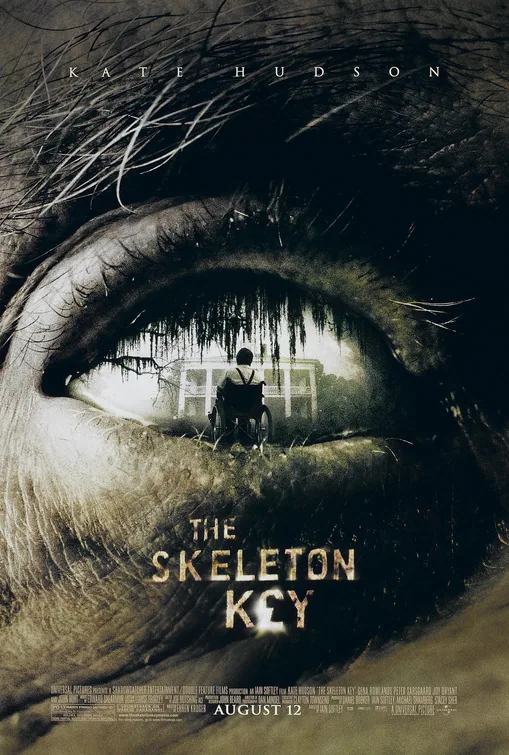
What changes Poltergeist: building, sudden shocks and escalating. The Skeleton Key: measured and gradually intensifying.
A young hospice caregiver takes a position at an isolated Louisiana estate and grows suspicious of the owners and the house’s history. Old keys open rooms that seem to hold more than ordinary belongings, leading her to investigate local practices and a story dismissed as superstition. This gothic thriller builds unease through her doubt about what she has been told and whom she can trust.
Based on recorded story, mood and style. Your preferences can change the order.
Expect uneasy and gothic, with gradual and suspenseful pacing.
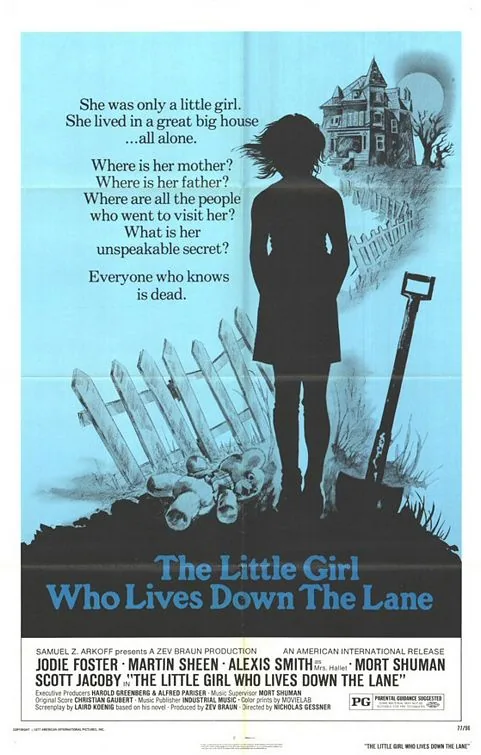
Rynn Jacobs, a thirteen-year-old who has recently moved from England to a seaside town in Maine, lives alone in a rented house while telling neighbors her father is away. She meets Mario, a local teenager, but her privacy is threatened by landlord Cora Hallet and Cora's adult son Frank, who makes unwanted advances. As suspicions grow, Rynn finds ways to protect her home and independence, and a hidden truth about her father changes the danger around her.
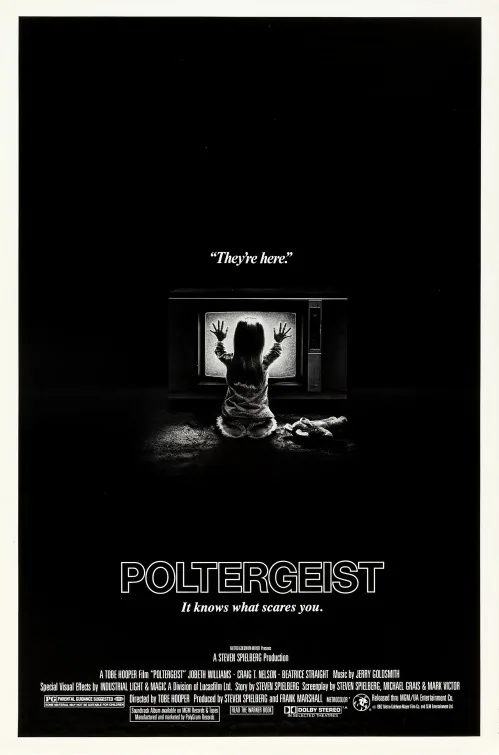
The Freeling family lives in a new California development where five-year-old Carol Anne begins speaking to the television’s static. Furniture moves, the house grows dangerous and the spirits eventually pull Carol Anne into another dimension. Her parents turn to paranormal researchers and medium Tangina Barrons, who explains how to reach the child through a passage in the house. As Steve tries to rescue Carol Anne, he discovers the development was built over a cemetery whose graves were moved without the bodies. The family escapes as their home collapses into the portal that has been tormenting them.
What drives the story
Carol Anne’s disappearance turns a series of apparently playful disturbances into a rescue, while the housing development’s buried history explains the haunting.
The people at its centre
Diane’s maternal determination and Steve’s growing fear drive the family through a crisis they cannot solve by treating the house as safe.
What it feels like
Spielberg’s suburban setting, practical effects and sudden supernatural eruptions turn familiar domestic spaces into spectacle and dread.
Worth knowing
It is a family-centered haunted-house rescue with a specific buried-cemetery cause, not a slasher or a story about an evil child.