Both share themes of belonging, plus a musical and adventurous atmosphere.
Why this matches +
Genres: Animation / Adventure
Shared film traits
Based on recorded story, mood and style. Your preferences can change the order.
What changes Quest for Camelot: building, song-driven and action-oriented. The Jungle Book 2: rescue chase and final reconciliation.
Now living in the Man-Village with Shanti and her family, Mowgli still misses his jungle life and the friend he left behind, Baloo. When Baloo sneaks into the village to bring him back, the pair slip into the forest, where Shere Khan is waiting to take revenge for their earlier conflict. Shanti and young Ranjan follow, believing Mowgli has been taken against his will. The chase separates and reunites the children, Baloo and Bagheera as the danger grows. Mowgli eventually faces the choice he has resisted: he can belong to his human family while keeping his friendship with the jungle, rather than treating either life as a betrayal.
Based on recorded story, mood and style. Your preferences can change the order.
What changes Quest for Camelot: building, song-driven and action-oriented. The Sword in the Stone: episodic and light.
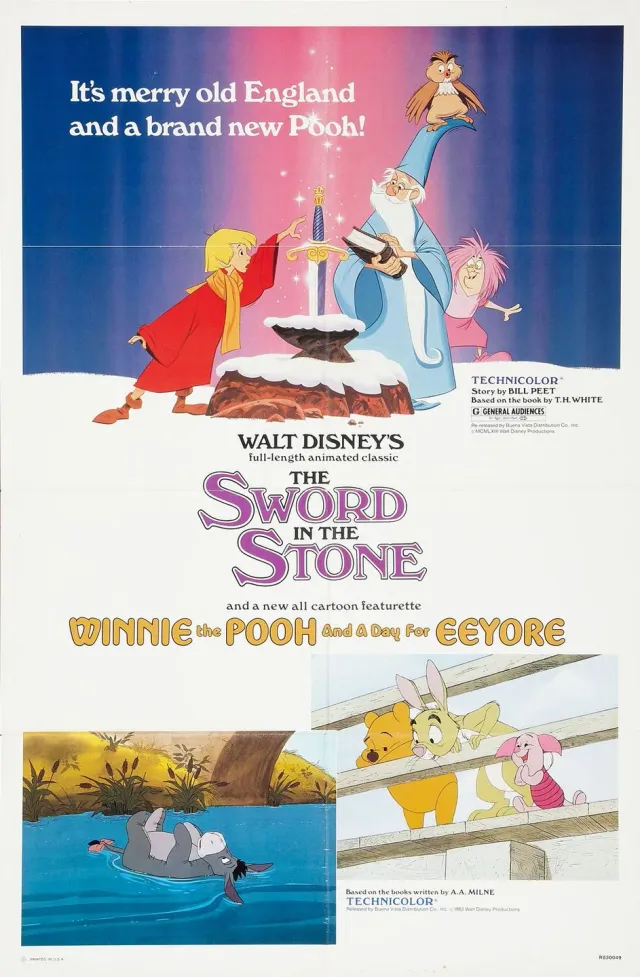
An orphaned boy known as Wart is sent to serve as a squire for the ambitious Sir Kay, but a chance meeting with the wizard Merlin changes his education. Merlin moves into the castle and teaches Wart through transformations into animals, hoping to prepare him for a future the boy does not yet understand. These lessons expose him to different kinds of strength and vulnerability, while Merlin's eccentric methods repeatedly collide with the practical demands of Wart's household. When a tournament is held to select a king, Wart's forgotten sword becomes the key to a prophecy. The story makes Arthur's rise feel accidental and playful, reached through curiosity and experience rather than a military conquest.
Based on recorded story, mood and style. Your preferences can change the order.
What changes Quest for Camelot: building, song-driven and action-oriented. The Hobbit: episodic, songful and quest-driven.
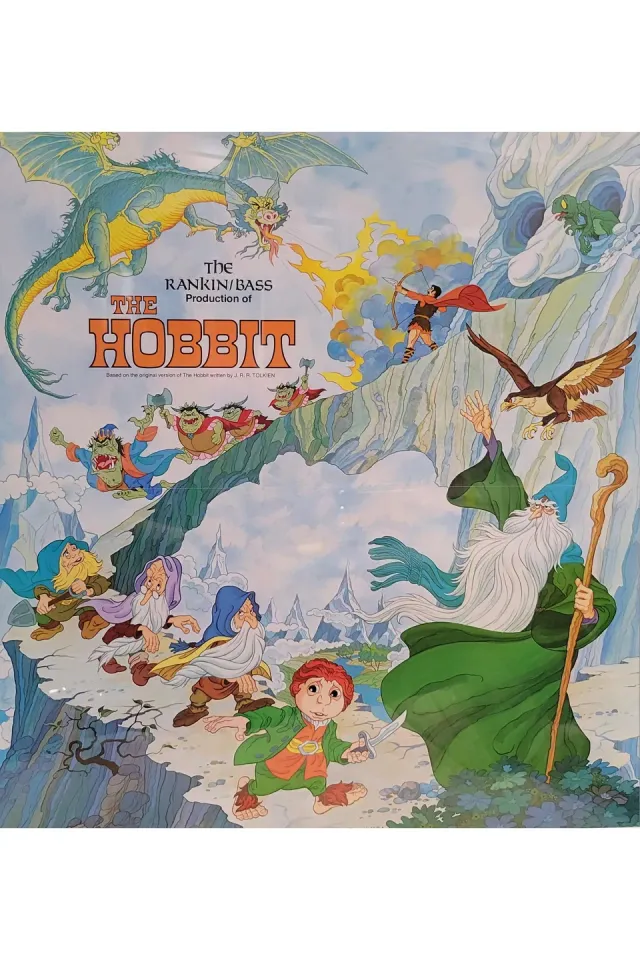
Bilbo Baggins is drawn from his comfortable life in the Shire into a journey with the wizard Gandalf and thirteen dwarves led by Thorin Oakenshield. The company hopes to reclaim the dwarves' homeland and treasure from the dragon Smaug. Along the way they face trolls, goblins, giant spiders, and other dangers, while Bilbo's caution and ingenuity become increasingly valuable. A magical ring helps him survive an encounter with Gollum, and the expedition leads toward a confrontation over competing claims and loyalties.
Based on recorded story, mood and style. Your preferences can change the order.
What changes Quest for Camelot: building, song-driven and action-oriented. Nimona: fast and escalating.
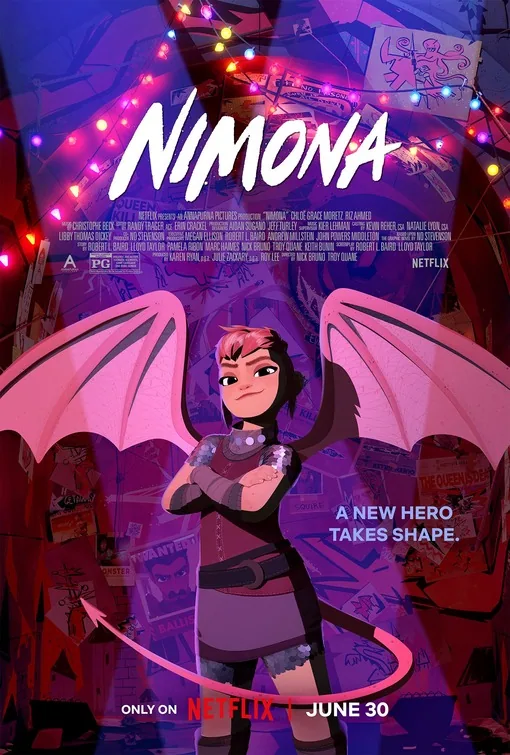
In a medieval-futuristic kingdom, commoner Ballister Boldheart is framed for killing Queen Valerin during his knighting ceremony. Nimona, a shape-shifting teenager hunted for looking like the monster from the kingdom's founding legend, appoints herself his sidekick so they can expose the Institute's director. Ballister's former boyfriend and fellow knight, Ambrosius, is sent to hunt him, making the institutional conflict personal. Their investigation reveals that the official account of Gloreth's heroic past conceals a political choice to exclude and fear people like Nimona. Ballister's evidence is destroyed, the city turns on them, and Nimona's connection to the legend becomes the key to whether the kingdom can change its story.
Based on recorded story, mood and style. Your preferences can change the order.
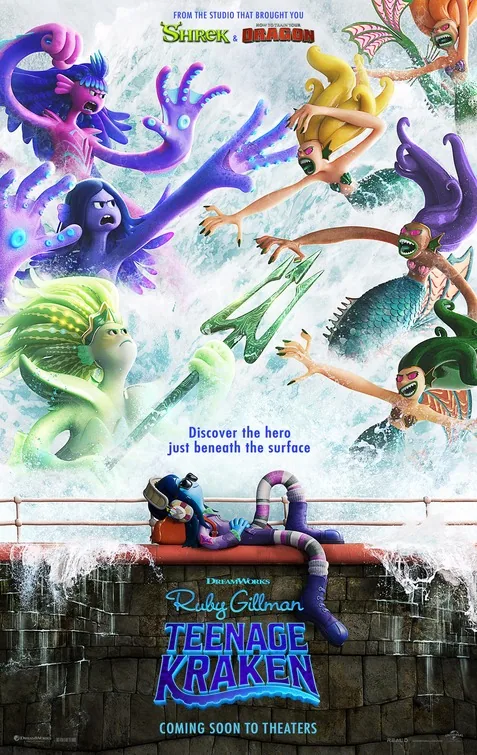
What changes Quest for Camelot: building, song-driven and action-oriented. Ruby Gillman, Teenage Kraken: fast and coming-of-age.
Ruby Gillman is a shy teenager who learns that her family are krakens when she saves her crush after he falls into the ocean. Her new abilities connect her to an underwater royal history her mother tried to keep from her, while a popular mermaid at school complicates Ruby's first steps into belonging. Kirk DeMicco's animated adventure blends high-school embarrassment with a mythic conflict over power and inherited identity.
Both share themes of trust, plus a musical and warm atmosphere.
Why this matches +
Genres: Animation / Fantasy
Shared film traits
Based on recorded story, mood and style. Your preferences can change the order.
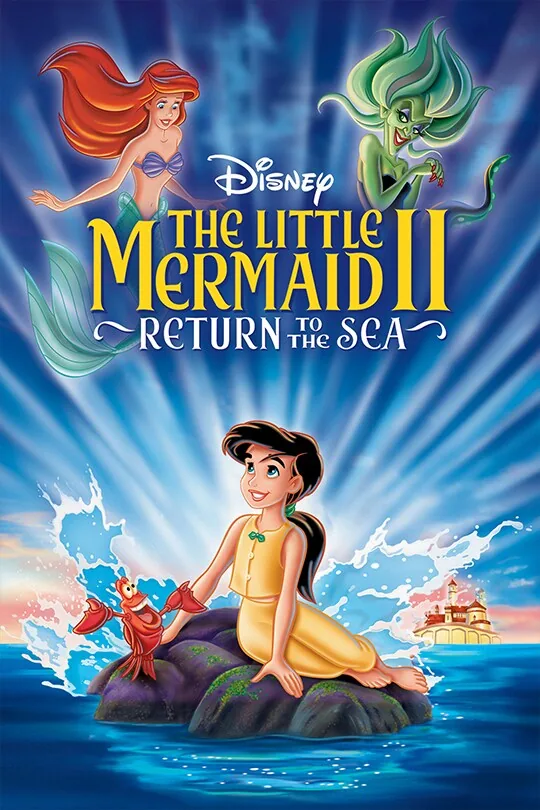
What changes Quest for Camelot: building, song-driven and action-oriented. The Little Mermaid II: Return to the Sea: coming-of-age quest and rescue climax.
Years after Ariel and Eric’s story, their daughter Melody is drawn to the ocean despite her parents’ attempts to keep her safe from Ursula’s sister Morgana. Melody finds a locket connected to her mermaid heritage and runs away to the sea, where Morgana offers to transform her and exploit her wish to belong. Ariel, Eric and their old allies search for Melody as the family must confront the secrecy that has kept her from understanding her origins. The sequel shifts the mermaid story to a parent-child conflict about protection, trust and identity.
Based on recorded story, mood and style. Your preferences can change the order.
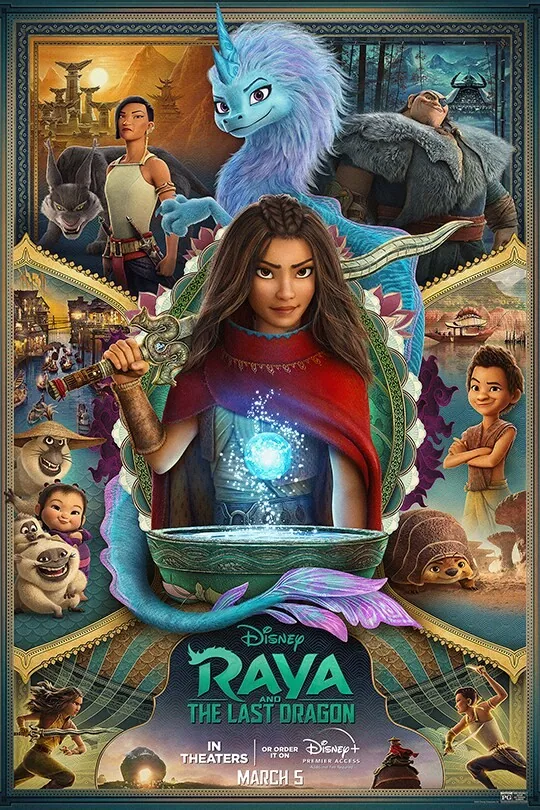
What changes Quest for Camelot: building, song-driven and action-oriented. Raya and the Last Dragon: quest-driven, fast and escalating.
After a magical gem breaks during a dispute among Kumandra’s five regions, the Druun return and petrify much of the land, including Raya’s father. Years later Raya searches for Sisu, the dragon who helped create the gem, and gathers its scattered pieces in the hope of restoring the people who were lost. Their journey brings them into contact with companions from other regions and repeatedly crosses paths with Namaari, whose earlier betrayal helped break the gem. Raya’s desire to protect everyone competes with the trust needed to unite the regions before the remaining people are consumed.
Based on recorded story, mood and style. Your preferences can change the order.
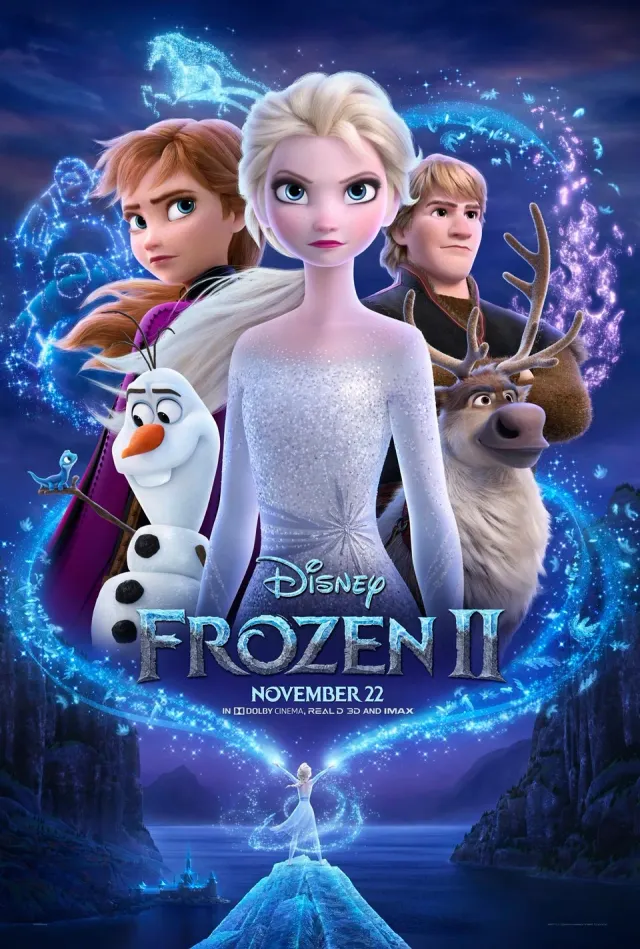
What changes Quest for Camelot: building, song-driven and action-oriented. Frozen 2: steady.
A young queen hears a call that unsettles the stability she and her sister have built, drawing them towards an enchanted forest connected to their parents' past. Travelling with familiar companions exposes a conflict whose official family history has concealed responsibility for harm. Protecting their home now requires more than understanding a magical ability: the sisters must decide whether loyalty to an inherited account is compatible with repairing what that account has allowed them to overlook.
Based on recorded story, mood and style. Your preferences can change the order.
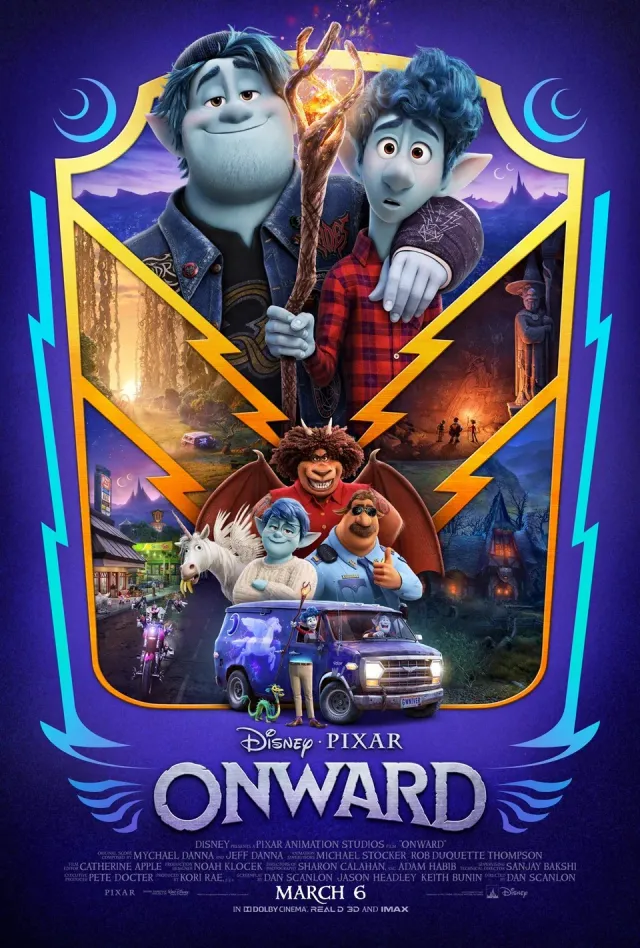
What changes Quest for Camelot: building, song-driven and action-oriented. Onward: fast and escalating.
In a suburban world where magic has faded into convenience, elf teenager Ian Lightfoot receives a staff and spell from his late father’s will on his sixteenth birthday. The spell restores their father for one day but fails before his upper body appears, so Ian and his older brother Barley set out to find a Phoenix Gem that can complete it. Their map sends them through Barley’s favorite fantasy game, a biker tavern and a dangerous roadside adventure. As the deadline approaches, Ian recognizes that Barley has already been the steady older presence he wanted from his father.
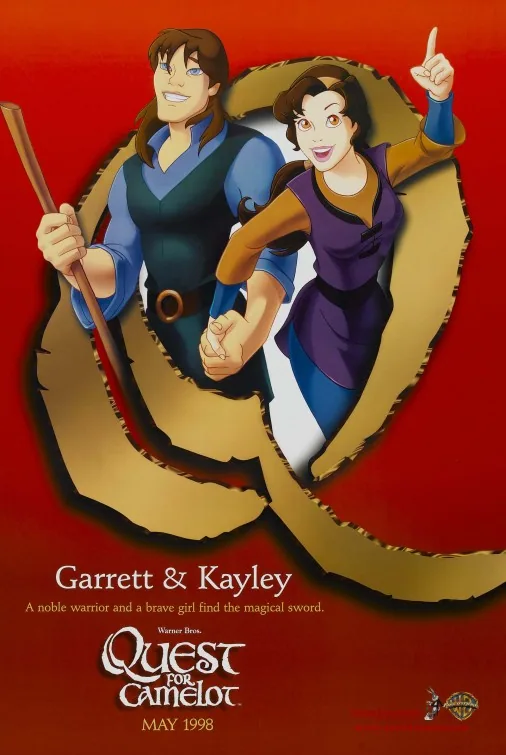
Kayley wants to become a knight like her father Lionel, who dies protecting King Arthur from Sir Ruber’s attack. Years later, Ruber steals Excalibur, and Kayley sets out to recover it from the Forbidden Forest before the kingdom falls into danger. She travels with Garrett, a blind hermit who once served with her father, and Devon and Cornwall, a two-headed dragon who cannot agree with himself. Their journey tests Kayley’s courage and Garrett’s willingness to trust others as Ruber pursues them. The group returns the sword and confronts the limits of the heroic role Kayley inherited.
What drives the story
The missing sword gives Kayley a route toward the knighthood she imagines, but her journey makes teamwork more important than inherited status.
The people at its centre
Garrett’s guarded independence and Kayley’s determination create friction that the dragon duo’s bickering turns into comic counterpoint.
What it feels like
A musical animated fantasy combines Arthurian imagery, songs and a road-quest structure aimed at family audiences.
Worth knowing
Its Camelot is a modern animated adventure with invented companions and simplified legend, not a close adaptation of Arthurian source texts.