Explore films connected to Quest for Fire through Knowledge and survival, Cooperation, Cultural difference. Choose the qualities you want to carry into your next watch.
What should feel similar?
Find your next favourite
9 films · Closest overall matches
Hide films you’ve seen or don’t want. Saved on this device.
No matches for this combination yet.
Try another option or reset your choices to see more films.
Based on recorded story, mood and style. Your preferences can change the order.
Survival · Coming of age
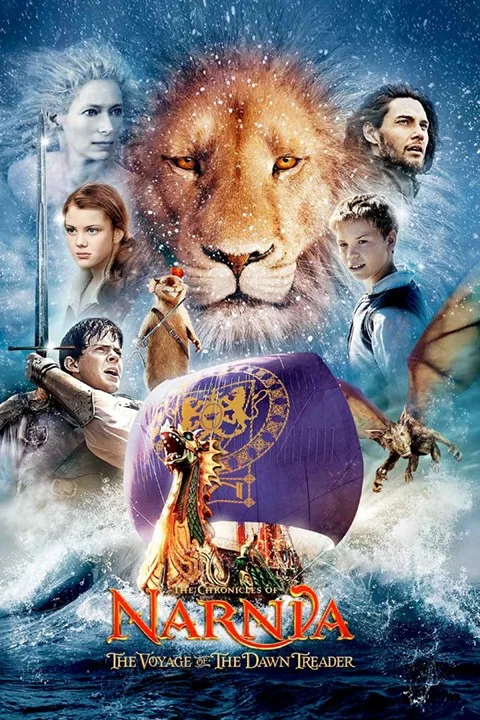
What changes Quest for Fire: quest-driven, episodic encounters, physical action and cumulative discovery. The Chronicles of Narnia: The Voyage of the Dawn Treader: episodic quest and maritime progression.
Edmund and Lucy are staying with their difficult cousin Eustace when a painting draws them into Narnia and aboard King Caspian's ship. The crew is searching for seven lords exiled by Caspian's uncle, but the voyage also brings them to islands where temptation and fear distort what they want. Lucy's self-doubt and Eustace's greed become personal trials, while a green mist threatens the wider crew. To reach the end of the journey, the travelers must recover the lords' swords and learn what courage means beyond winning a fight.
Based on recorded story, mood and style. Your preferences can change the order.
Survival · Escape and pursuit
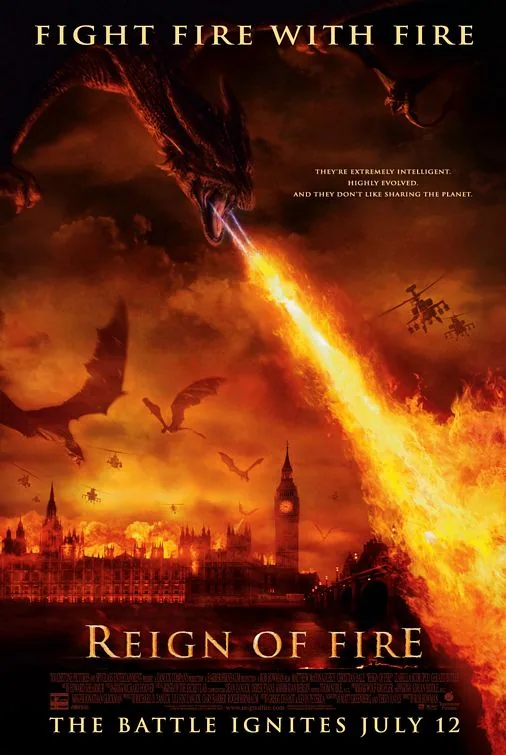
What changes Quest for Fire: quest-driven, episodic encounters, physical action and cumulative discovery. Reign of Fire: escalating and action-driven.
A group of survivors in a devastated future tries to stay alive after dragons emerge from underground and overwhelm human settlements. Their fragile community changes when an American force arrives with a plan to hunt the creatures, forcing the local leader to weigh bold action against the risks to everyone under his care. The film makes survival a problem of coordination and trust as much as firepower.
Based on recorded story, mood and style. Your preferences can change the order.
Survival
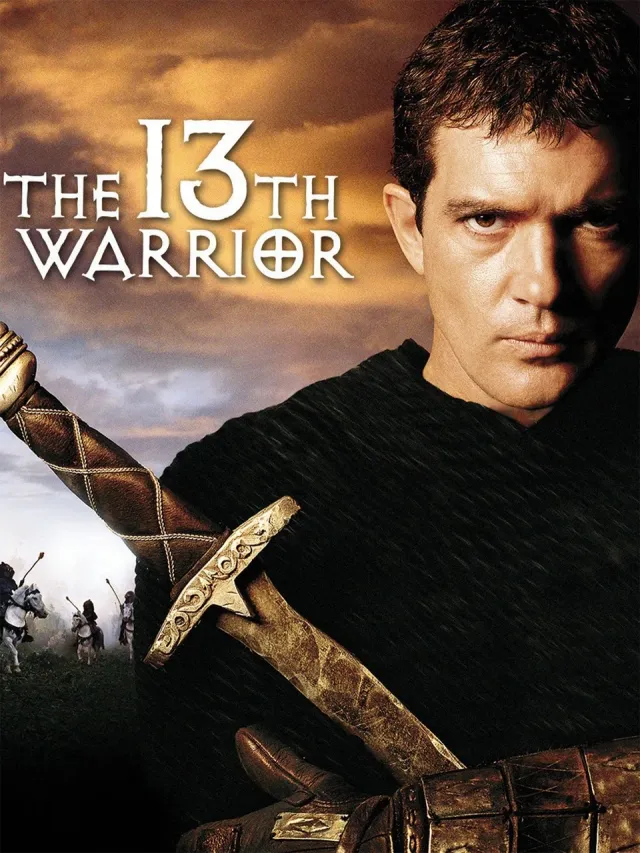
What changes Quest for Fire: quest-driven, episodic encounters, physical action and cumulative discovery. The 13th Warrior: journey into siege and defensive action.
After an affair sends him away from Baghdad, poet and diplomat Ahmad ibn Fadlan joins a Norse party traveling north. A king asks the warriors to help defend his people from an enemy they cannot identify, and a prophecy requires thirteen fighters, including one who is not Norse. Ahmad is chosen, initially hindered by language and unfamiliar customs. He learns enough to fight beside the others as they investigate villages and confront the raiders, whose identity challenges the group's assumptions. His account of the journey becomes a story of cultural distance, shared danger and earned trust.
Based on recorded story, mood and style. Your preferences can change the order.
Survival
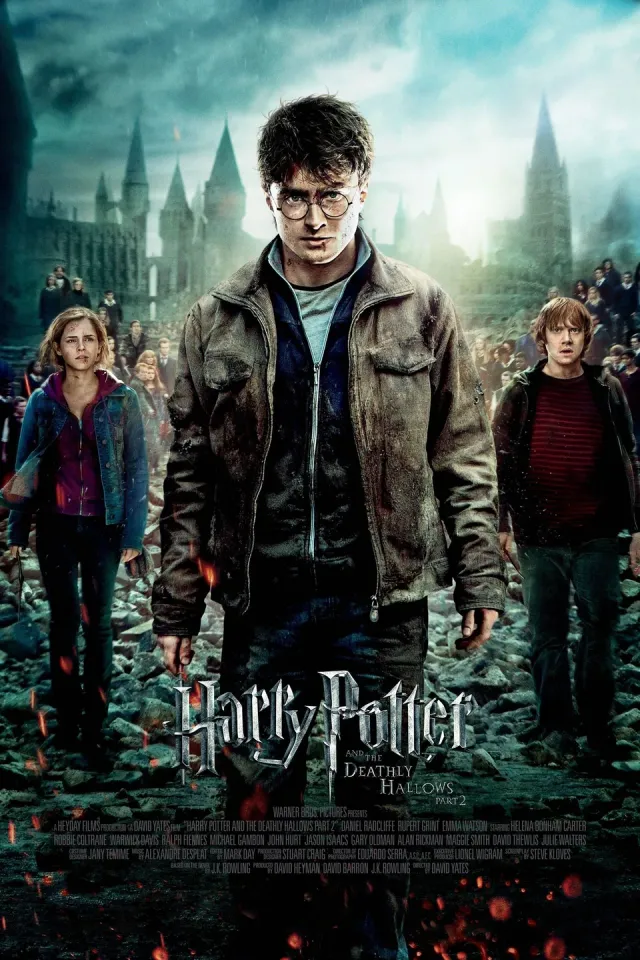
What changes Quest for Fire: quest-driven, episodic encounters, physical action and cumulative discovery. Harry Potter and the Deathly Hallows – Part 2: intense.
A final search for the means of defeating a powerful enemy brings three friends back towards their school as a wider conflict converges on it. Entering guarded spaces and interpreting contested memories become parts of the same urgent task, while people who once supplied ordinary lessons must decide what they are willing to defend. Personal histories change the apparent meaning of earlier loyalties, making the possibility of ending the war depend on accepting a cost that knowledge alone cannot remove.
Both share themes of cooperation and adaptation, plus an adventurous atmosphere.
Why this matches +
Genres: Action / Fantasy
Shared film traits
Based on recorded story, mood and style. Your preferences can change the order.
Survival
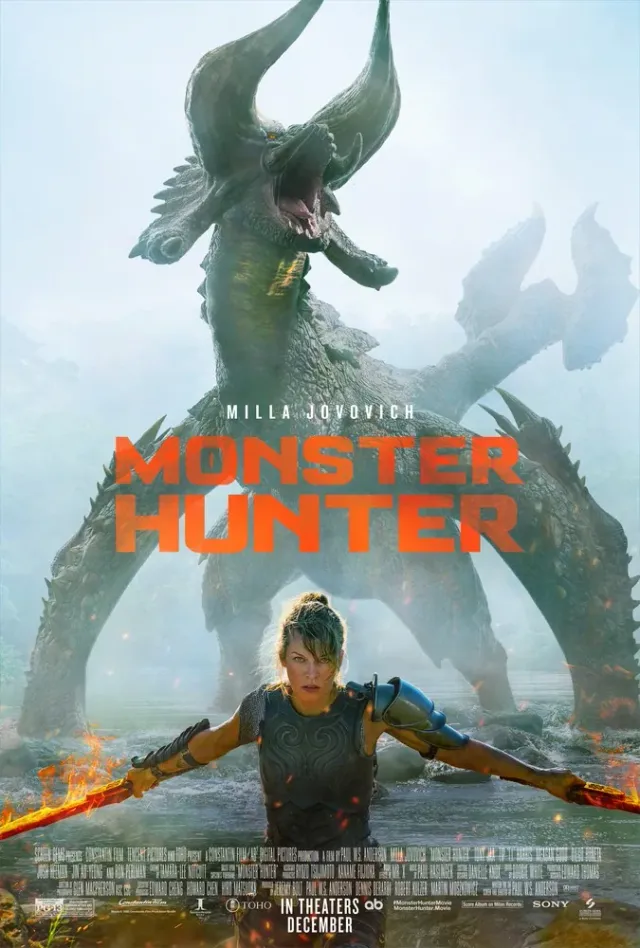
What changes Quest for Fire: quest-driven, episodic encounters, physical action and cumulative discovery. Monster Hunter: action-led and escalating.
Captain Artemis and her military unit are transported through a mysterious storm into a world where enormous creatures roam. Their weapons and training prove inadequate against the monsters, and Artemis survives only by learning from a skilled Hunter who has spent his life in this hostile environment. Cooperation grows out of necessity as the pair seek a route home and try to understand the forces connecting their worlds.
Based on recorded story, mood and style. Your preferences can change the order.
Coming of age · Escape and pursuit
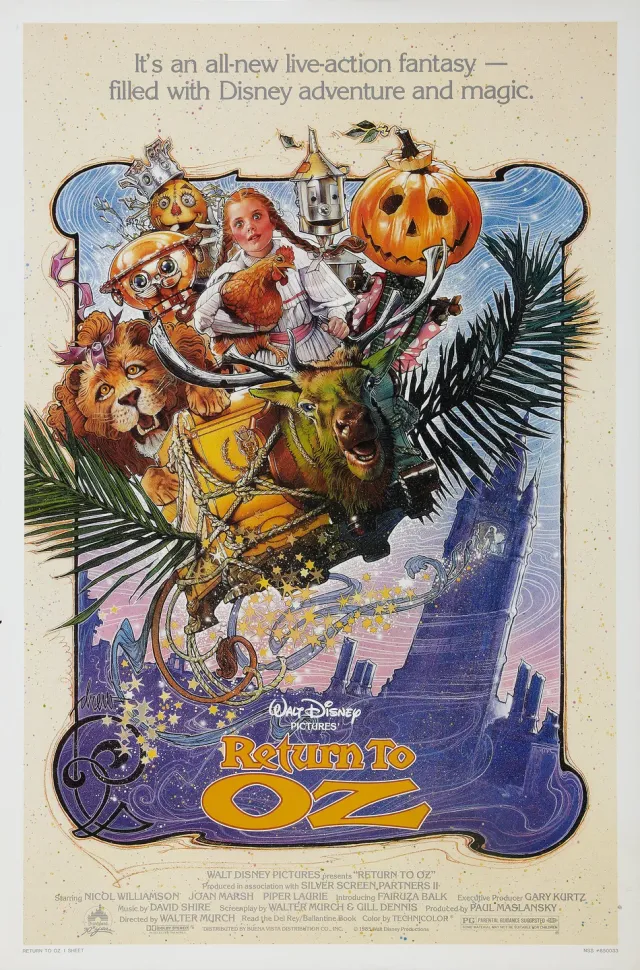
What changes Quest for Fire: quest-driven, episodic encounters, physical action and cumulative discovery. Return to Oz: quest structure with successive obstacles.
After a restless Dorothy is sent for treatment following her return from Oz, she awakens back in the strange land and finds the Emerald City deserted. She joins a talking hen, a mechanical man, a pumpkin-headed companion and the Gump on a quest to defeat Princess Mombi and the Nome King. The adventure uses practical creatures and a darker fairy-tale mood than a musical fantasy.
Based on recorded story, mood and style. Your preferences can change the order.
Survival · Escape and pursuit
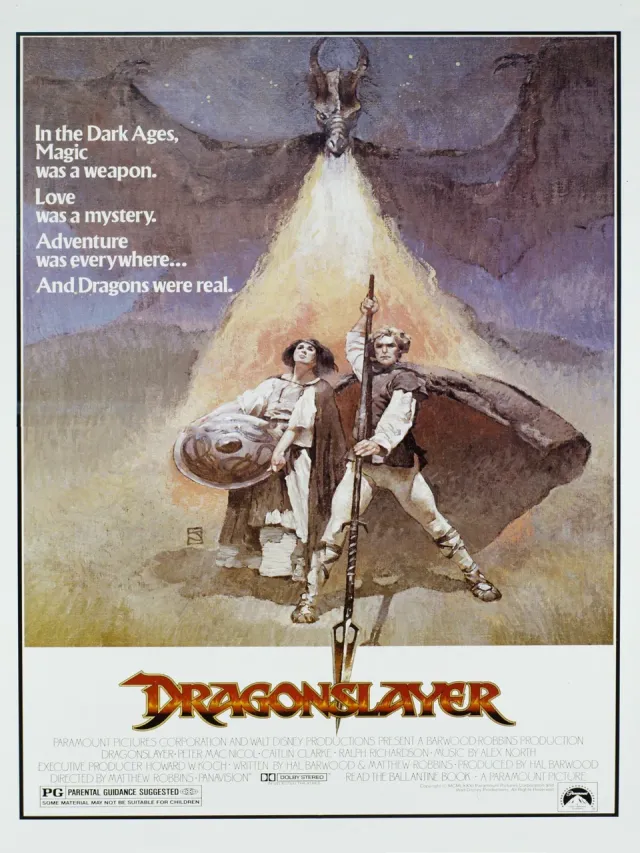
Expect dark and adventurous, with quest-driven and measured pacing.
In a kingdom where villagers have long paid tribute to a dragon, young apprentice Galen is sent to investigate after the old sorcerer Ulrich is asked to end the terror. The mission carries Galen into a dangerous landscape of political compromise, uncertain magic, and a living creature whose power makes courage alone insufficient, challenging him to decide what kind of responsibility belongs to a would-be hero.
Based on recorded story, mood and style. Your preferences can change the order.
Escape and pursuit
What changes Quest for Fire: quest-driven, episodic encounters, physical action and cumulative discovery. Masters of the Universe: fast-moving.
On the distant world of Eternia, the heroic He-Man and his companions battle Skeletor for control of Castle Grayskull. A device called the Cosmic Key transports the group to Earth, where two young people become caught in the conflict and help the heroes search for a way back. The struggle crosses science-fiction gadgets and fantasy warfare as Skeletor's ambition threatens both worlds.
Based on recorded story, mood and style. Your preferences can change the order.
Escape and pursuit
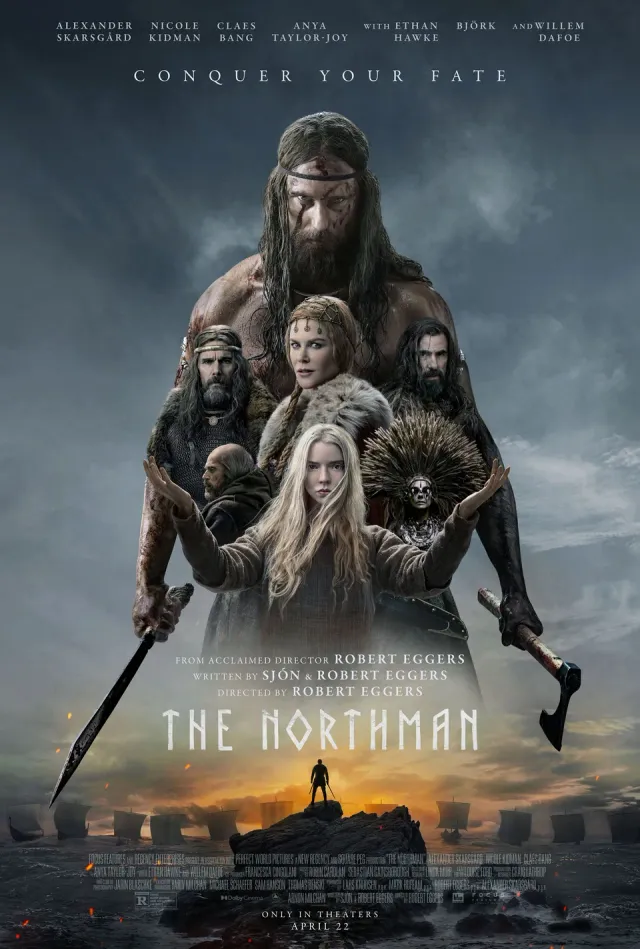
What changes Quest for Fire: quest-driven, episodic encounters, physical action and cumulative discovery. The Northman: ritualistic and gradual escalation.
As a child, Amleth watches a coup tear apart his family and escapes with a vow to avenge his father. Years later he infiltrates the household of the uncle who seized power, where memories of violence compete with a future that might ask him to stop. The film’s saga-like journey binds revenge to inherited ritual, bodily ordeal and the cost of living by prophecy.
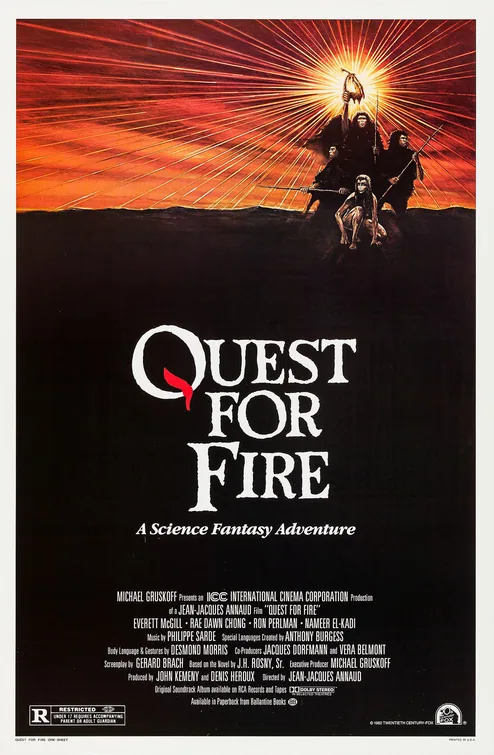
The Ulam people depend on a small flame for warmth, food, and protection, but after a raid forces them from their cave, their fire is extinguished. Because they do not know how to create a new one, three men—Naoh, Amoukar, and Gaw—are sent to find fire elsewhere. Their journey takes them through dangerous landscapes and into encounters with other human groups whose tools and customs differ from their own. Along the way, Naoh forms a bond with Ika, who understands a technique the Ulam have not mastered. The quest becomes a story of survival, learning, and exchange between communities.
What drives the story
Fire is both a practical resource and a shared source of security, so its loss puts the Ulam’s future at risk.
The people at its centre
Naoh, Amoukar, and Gaw learn through encounters with other groups, while Ika’s knowledge changes the purpose of the journey.
What it feels like
The film relies on gesture, movement, and environment to communicate, making human learning visible without ordinary dialogue.
Worth knowing
This is a speculative prehistoric adventure about cultural transmission and survival, not a documented reconstruction of one historical tribe.
Knowledge and survivalCooperationCultural difference