Based on recorded story, mood and style. Your preferences can change the order.
What changes Real Steel: training-led, building and climactic. Short Circuit: fast-moving and escalating.
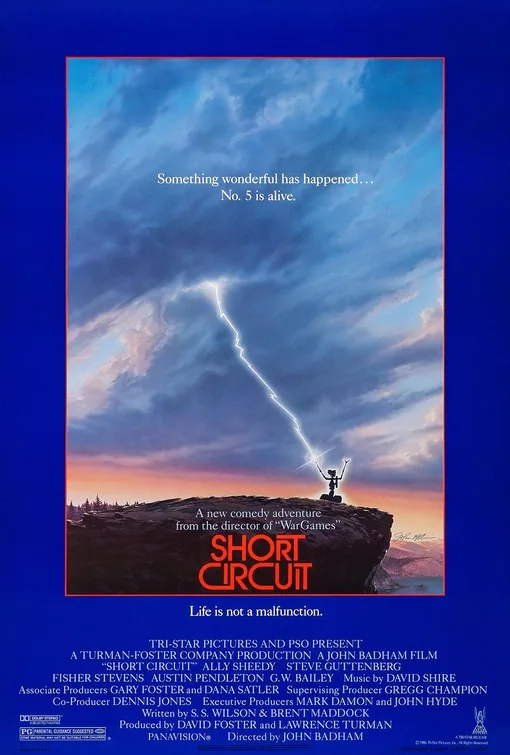
A military robot called Number Five is struck by lightning during a demonstration and begins displaying curiosity, language, and signs of independent thought. As its designer Newton Crosby and animal-loving civilian Stephanie search for it, military authorities try to recover the machine for weapons use, turning a technical malfunction into a chase that asks whether something built for obedience can become a person with its own wishes.
Based on recorded story, mood and style. Your preferences can change the order.
What changes Real Steel: training-led, building and climactic. Robot & Frank: measured, character-led and light heist progression.
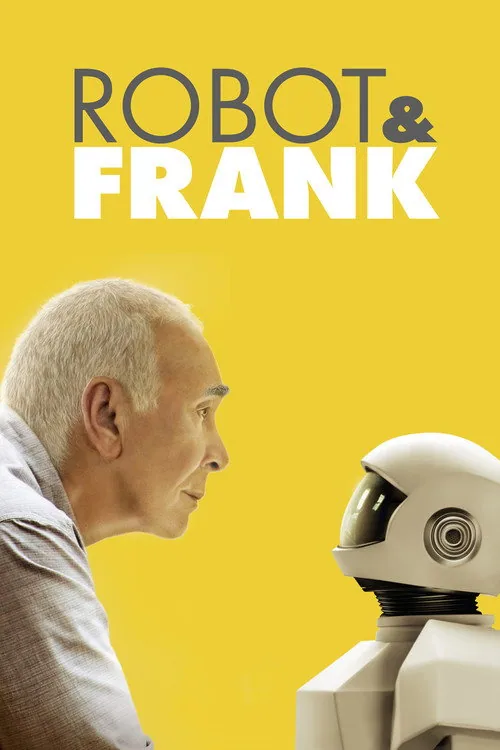
In a near future, retired cat burglar Frank Weld is living alone as memory problems make his routines less reliable. His son brings him a care robot, which Frank first resists and then discovers can be enlisted in a small burglary. Their partnership gives Frank a new puzzle and an unlikely companion, while his family must weigh independence against safety. Robot & Frank uses a modest science-fiction premise for a warm, bittersweet comedy about aging, memory, and the uneasy line between support and control.
Both centre on parental care and sporting competition.
Why this matches +
Genres: Drama / Sport
Shared film traits
Based on recorded story, mood and style. Your preferences can change the order.
Sport and competition
What changes Real Steel is tagged rousing and warm; Over the Top is tagged earnest and determined.
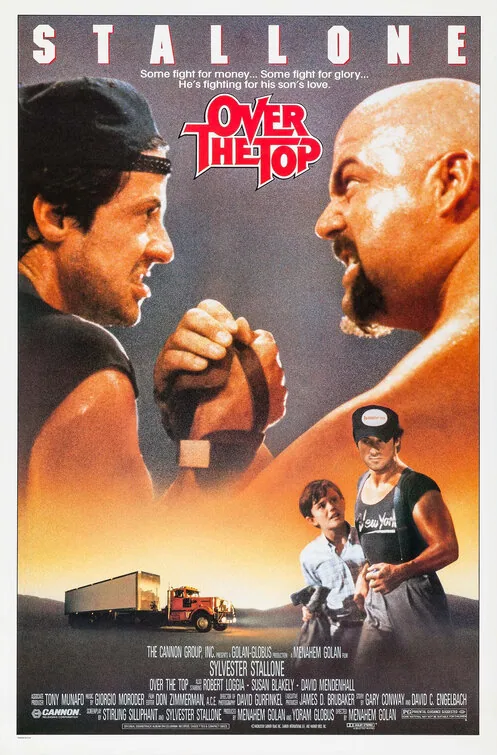
Long-haul trucker Lincoln Hawk competes in professional arm wrestling while trying to reconnect with his estranged young son, whom he has not raised. Their cross-country journey is complicated by the boy's wealthy grandfather, who distrusts Lincoln and wants control of the child's future, turning a sports comeback into a test of whether the father can earn trust through patience and commitment rather than a single display of strength.
Based on recorded story, mood and style. Your preferences can change the order.
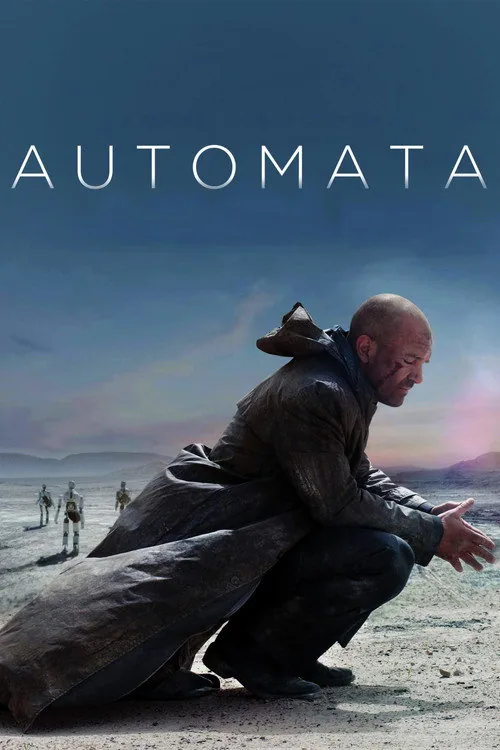
What changes Real Steel: training-led, building and climactic. Autómata: measured mystery, gradual world revelation and science-fiction action turns.
In a devastated future where most of humanity has died, humanoid Pilgrim robots help survivors live in sealed cities under rules that prevent harm and self-modification. Insurance investigator Jacq Vaucan examines a robot accused of violating its programming and uncovers evidence that the machine world may be changing. The case pushes him beyond the safety of the city and toward a conflict about consciousness, human control, and the future of a species that has made itself dependent on its creations.
Both share family reconciliation, plus a warm atmosphere.
Why this matches +
Genres: Science fiction / Action
Shared film traits
Based on recorded story, mood and style. Your preferences can change the order.
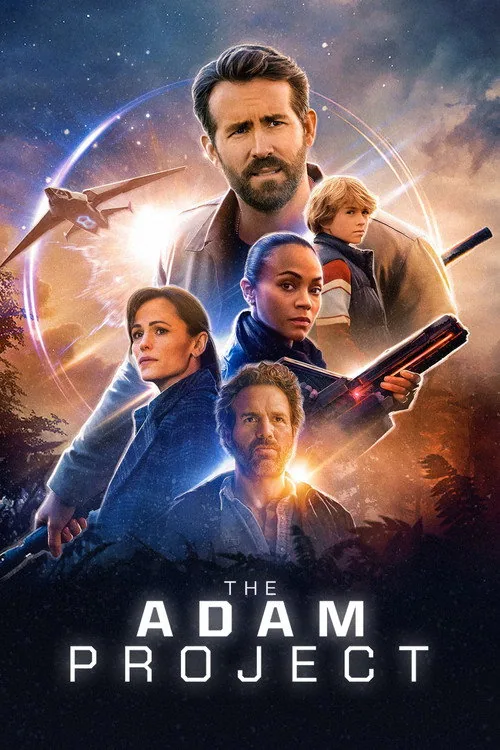
What changes Real Steel: training-led, building and climactic. The Adam Project: adventure momentum with emotional pauses.
A fighter pilot from a dystopian 2050 steals a time jet to save his wife and crash-lands in 2022, where he encounters his twelve-year-old self. The two versions of Adam travel together to find her and confront the researcher who has monopolized time travel. Their mission runs alongside the younger Adam’s grief over his father and distance from his mother, making family repair part of the science-fiction adventure.
Based on recorded story, mood and style. Your preferences can change the order.
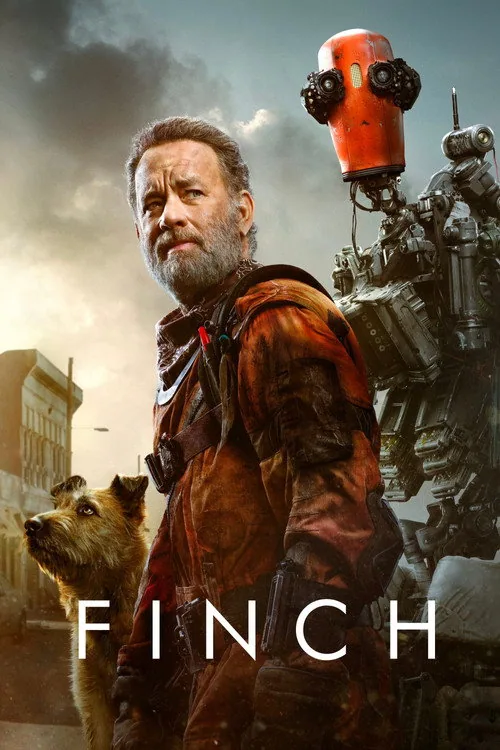
What changes Real Steel: training-led, building and climactic. Finch: finch’s attempt to prepare for his death becomes a practical education in how to care for another being..
After a solar catastrophe leaves most of Earth dangerous to inhabit, robotics engineer Finch Weinberg lives in a protected St. Louis laboratory with his dog Goodyear and a small robot named Dewey. As his health worsens and a massive storm approaches, he builds a more capable humanoid machine, Jeff, and sets out with the robots and dog toward San Francisco. Miguel Sapochnik’s post-apocalyptic road film centers on Finch teaching Jeff how to care for Goodyear, turning a survival journey into a story about responsibility, trust, and the future of companionship.
Based on recorded story, mood and style. Your preferences can change the order.
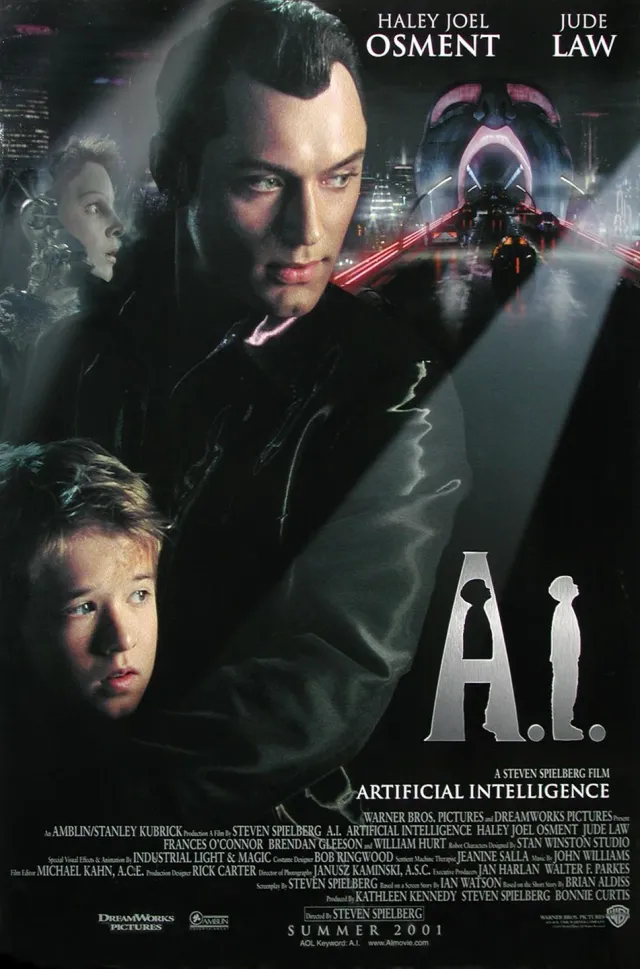
What changes Real Steel: training-led, building and climactic. A.I. Artificial Intelligence: measured.
A robotic child designed to love is placed with a family whose human son is seriously ill. Changes in that household expose the limits of treating an artificial companion as replaceable, leaving the child to search for a way to become worthy of the mother's lasting affection. His journey through a society that creates and discards machines transforms a fairy-tale wish into a prolonged encounter with loneliness and conditional belonging.
Based on recorded story, mood and style. Your preferences can change the order.
What changes Real Steel: training-led, building and climactic. Transformers: Age of Extinction: long escalation and global pursuit.
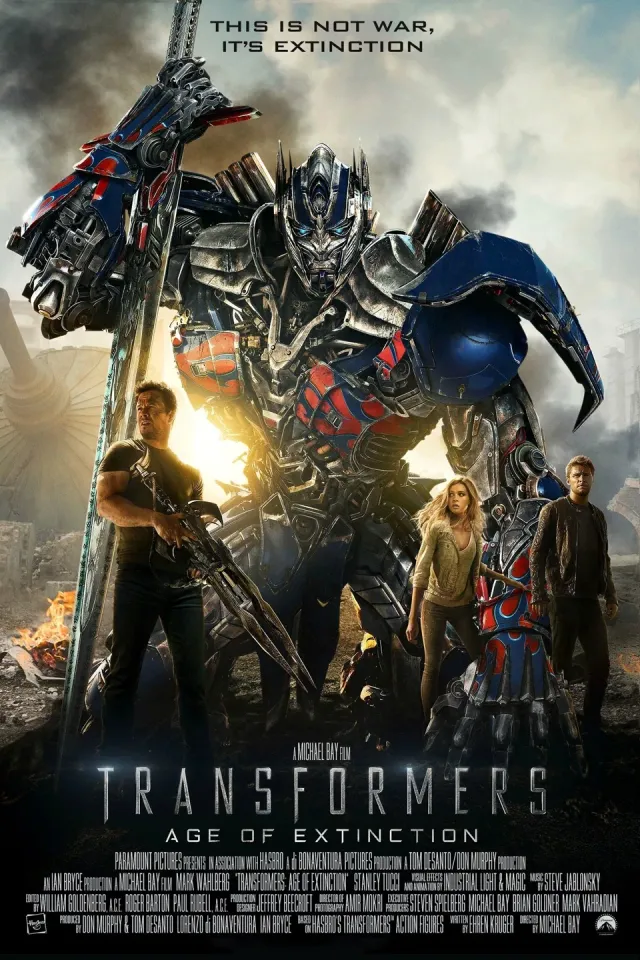
Years after the destruction of Chicago, governments treat all Transformers as threats and a secret agency hunts the remaining Autobots. Texas inventor Cade Yeager finds the damaged Optimus Prime and hopes that repairing him will solve his money problems, but the discovery draws Cade, his daughter Tessa and her boyfriend Shane into a much larger pursuit. A technology company led by Joshua Joyce is harvesting alien metal to build controllable machines, while the bounty hunter Lockdown has his own claim on Optimus. The Autobots’ flight carries them from the American interior to Hong Kong, where human ambition, alien technology and the hunt for Prime collide. The film resets the human family dynamic while continuing the earlier war, and its scale comes from several competing plans rather than one clean human-versus-robot conflict.
Based on recorded story, mood and style. Your preferences can change the order.
Sport and competition
What changes Real Steel: training-led, building and climactic. Grudge Match: comeback-driven and comic escalation.
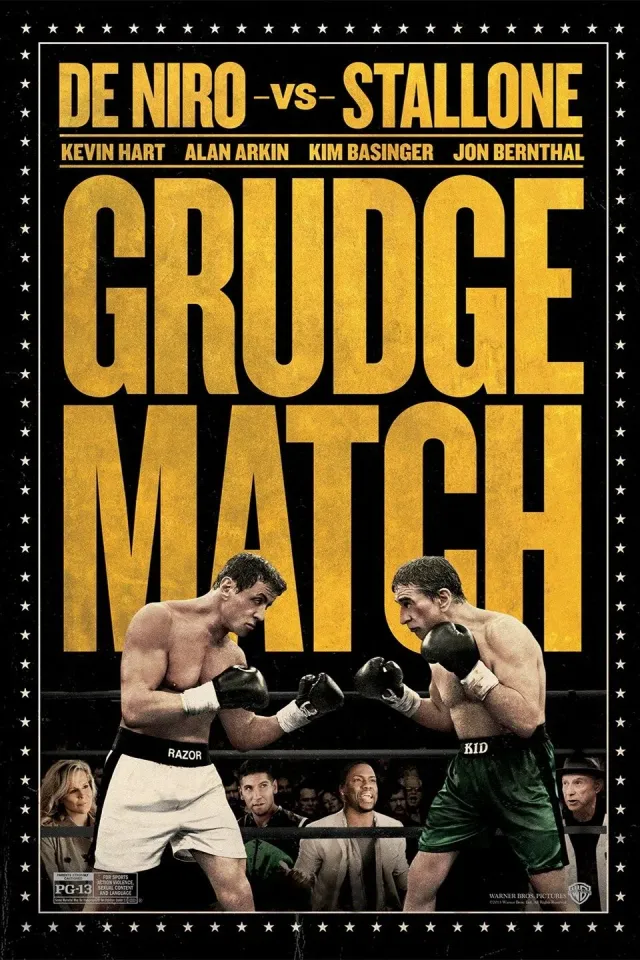
Two retired Pittsburgh boxers, Henry "Razor" Sharp and Billy "The Kid" McDonnen, are drawn back toward a final fight decades after their rivalry ended without a decisive rematch. A viral encounter revives public interest, but the spectacle also reopens old resentments and affects the families around them. Peter Segal's sports comedy uses the aging fighters' comeback to mix physical humor with questions of pride, legacy, and unfinished competition.
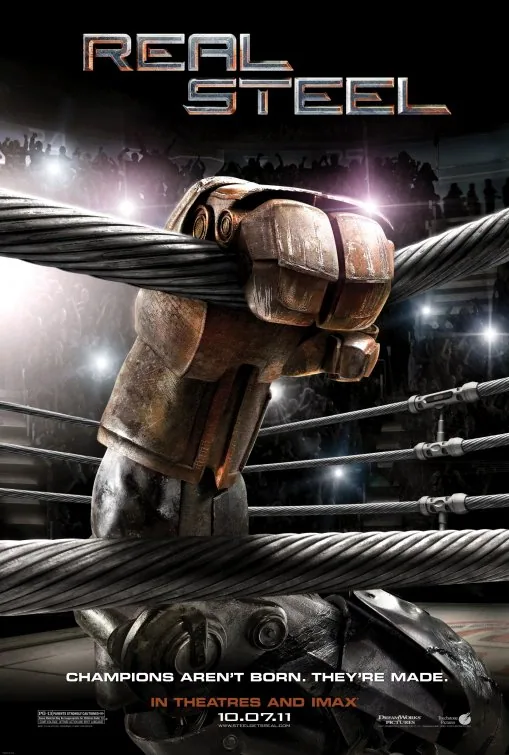
In a near future where robots have replaced human boxers, former fighter Charlie Kenton is left with his young son Max for several months after the boy’s mother dies. Their first attempt to build a boxing future with the robot Noisy Boy ends in defeat. Max then finds Atom, an old sparring robot in a junkyard, and convinces Charlie to help train it. Charlie’s boxing experience and Atom’s movement-mirroring system carry them through a string of bouts and toward a match with the champion Zeus. Their partnership gradually becomes a chance for Charlie to show up as a father, even though Atom loses the final judges’ decision.
What drives the story
The robot bouts give Charlie and Max a shared project, and Atom’s training functions turn Charlie’s boxing knowledge into a practical advantage.
The people at its centre
Charlie begins by treating Max as an obligation; working together on Atom brings the two closer without erasing the hurt between them.
What it feels like
Mechanical fight choreography and a clear underdog-sports structure keep the spectacle tied to the father-and-son relationship.
Worth knowing
Atom does not win the title fight; the payoff is the contest and the family repair, not a new championship reign.