Explore films connected to Resident Evil: Retribution through Identity, Cloning, Survival. Choose the qualities you want to carry into your next watch.
What should feel similar?
Find your next favourite
9 films · Closest overall matches
Hide films you’ve seen or don’t want. Saved on this device.
No matches for this combination yet.
Try another option or reset your choices to see more films.
Based on recorded story, mood and style. Your preferences can change the order.
Survival
What changes Resident Evil: Retribution: level-based, rapid and climactic. Resident Evil: Afterlife: set-piece driven, escalating and cliffhanger ending.
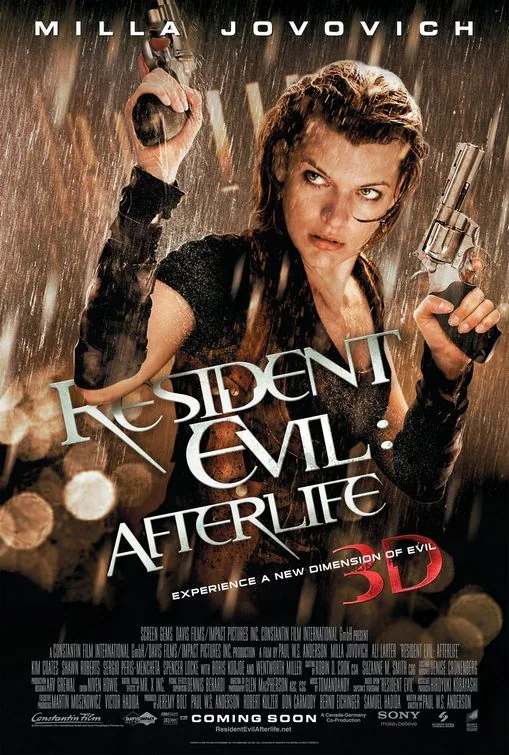
After losing her superhuman abilities, Alice travels toward a broadcasted refuge called Arcadia and meets Claire Redfield, who has been left with amnesia by an Umbrella device. They reach a Los Angeles prison where survivors are trapped by the undead and discover that the promised safe haven is a moving tanker with its own hidden purpose. Chris Redfield joins them as they try to escape and locate the people aboard the ship. On Arcadia, Alice confronts Albert Wesker and learns that the corporation has been collecting survivors for experiments, while the apparent victory leaves another Umbrella force approaching.
Both share themes of survival, plus an action-heavy atmosphere.
Why this matches +
Genres: Action / Horror
Shared film traits
Based on recorded story, mood and style. Your preferences can change the order.
Survival
Expect bleak and desolate, with journey-based and escalating pacing.
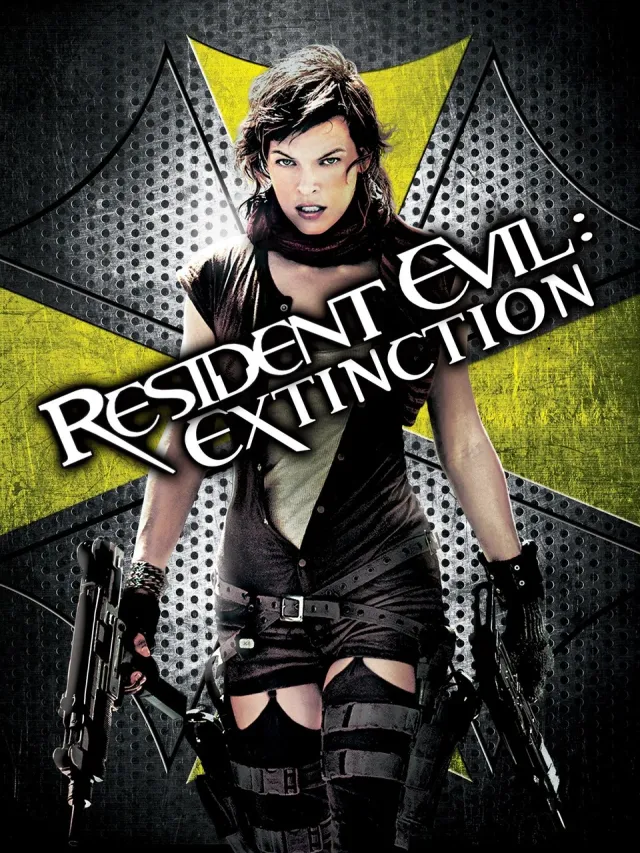
Years after Raccoon City, the T-virus has devastated the world and turned much of the population into zombies. Alice travels through the wasteland while a convoy led by Claire Redfield searches for a rumored safe region in Alaska. When the survivors are attacked, Alice’s growing powers help them escape but also allow Umbrella to locate her. The corporation’s leader, Dr. Isaacs, tries to recapture her and develop the infected into controllable weapons. As the convoy reaches an Umbrella facility, Carlos chooses to sacrifice himself to open a path for the others, while Alice stays behind to confront the scientist and his experiments.
Based on recorded story, mood and style. Your preferences can change the order.
Survival
What changes Resident Evil: Retribution: level-based, rapid and climactic. Resident Evil: contained, escalating and action-driven.
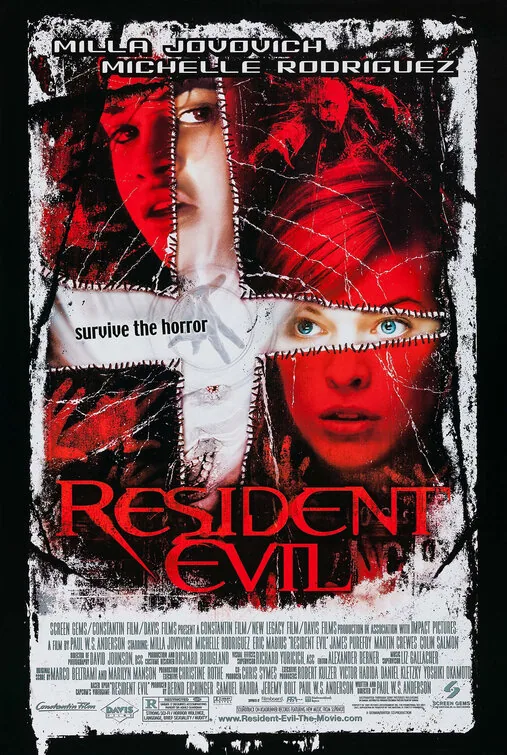
Alice wakes in a deserted mansion with amnesia as a commando team arrives and takes her into an underground laboratory known as the Hive. There she learns that the site’s security system sealed itself after the T-virus infected its staff, leaving the group to navigate zombies and experimental creatures. As Alice and the survivors search for an exit, she begins to recover her role in the facility and the loyalties behind her apparent marriage to Spence. Betrayals inside the team complicate their escape, and the survivors discover that leaving the Hive does not end Umbrella’s control over them.
Based on recorded story, mood and style. Your preferences can change the order.
Survival
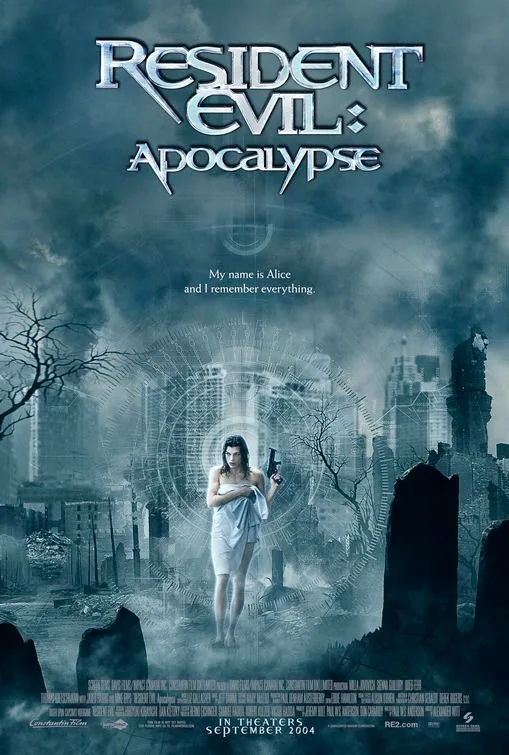
What changes Resident Evil: Retribution: level-based, rapid and climactic. Resident Evil: Apocalypse: deadline-driven, escalating and action-led.
After escaping the Hive, Alice and activist Matt are held by Umbrella as the T-virus spreads from the underground facility into Raccoon City. The company seals the city and plans to destroy it, leaving survivors—including officer Jill Valentine and soldier Carlos Oliveira—trapped inside. Dr. Charles Ashford offers the group a way out if they can find his missing daughter Angela. Alice’s enhanced abilities draw the attention of Umbrella’s engineered pursuer Nemesis, while the group tries to reach an extraction point before the city is erased. The escape reveals that Umbrella’s experiment with Alice is still underway.
Based on recorded story, mood and style. Your preferences can change the order.
What changes Resident Evil: Retribution: level-based, rapid and climactic. Resident Evil: The Final Chapter: fast and combat-driven.
Alice returns to the ruins of Raccoon City after learning that the T-virus outbreak may have a final cure hidden beneath the city. With Umbrella's remaining forces closing in, she joins a small group of survivors and confronts the corporation's history, including revelations about her own identity. Paul W. S. Anderson delivers a finale built around pursuit, combat and the cost of surviving a manufactured catastrophe.
Based on recorded story, mood and style. Your preferences can change the order.
Constructed reality · Survival
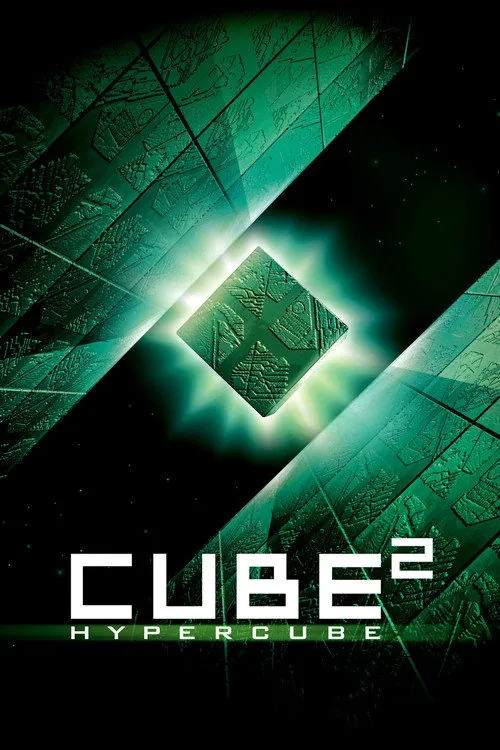
What changes Resident Evil: Retribution: level-based, rapid and climactic. Cube 2: Hypercube: enigma-driven, trap-to-trap escalation and revelation near the climax.
Eight strangers wake in a sealed geometric structure and try to understand how they arrived there and which rooms are safe. The space behaves like a shifting multidimensional puzzle, with altered gravity, time distortions, and rooms that can become lethal. As the survivors compare what they know, conflicts emerge over identity and the purpose of the structure. Andrzej Sekuła’s science-fiction horror sequel expands the original Cube’s mathematical trap into a more unstable and surreal environment.
Based on recorded story, mood and style. Your preferences can change the order.
Survival
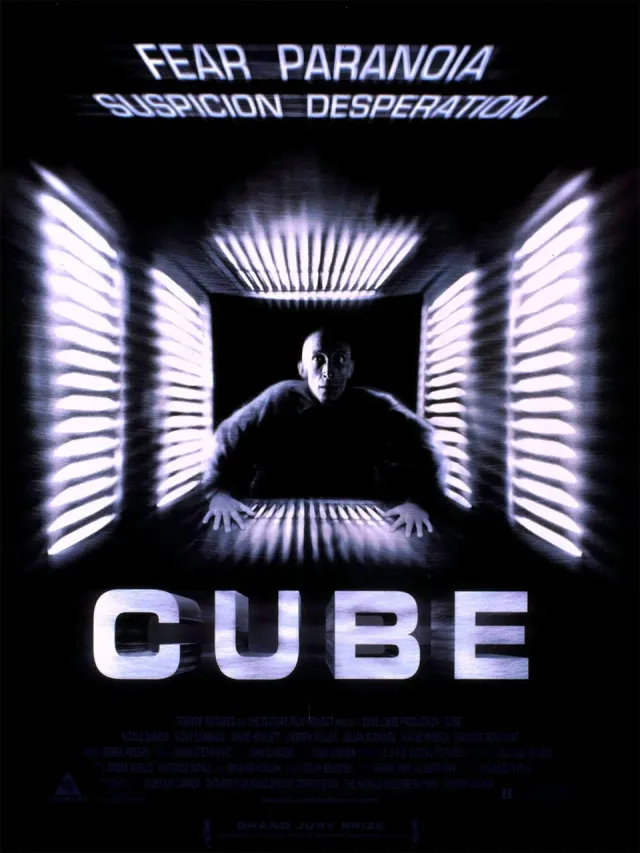
What changes Resident Evil: Retribution: level-based, rapid and climactic. Cube: escalating.
A group of strangers wake inside an enormous grid of numbered rooms, some trapped with lethal mechanisms and others only apparently safe. Their partial skills make cooperation necessary, but the policeman's appetite for command grows as the group struggles to identify a usable pattern. Worth's limited role in the structure does not reveal who created the labyrinth or why; his explanation remains incomplete. Kazan contributes in ways that exceed being a mathematical instrument. Survival depends as much on the group managing fear and authority as on solving spatial clues.
Based on recorded story, mood and style. Your preferences can change the order.
Survival
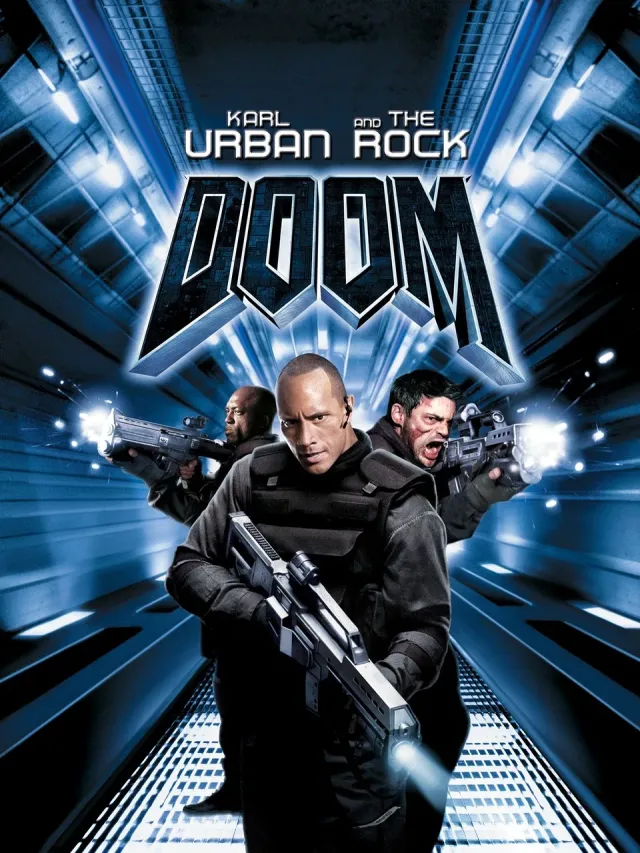
What changes Resident Evil: Retribution: level-based, rapid and climactic. Doom: fast.
A military team enters a research station on Mars after a distress call interrupts secret experiments. Searching for survivors reveals that the creatures attacking them are connected to human testing rather than an external enemy easily separated from the institution. An operative's reunion with his scientist sister creates another source of divided knowledge, while the commander's escalating response makes obeying the mission increasingly difficult to reconcile with protecting people still capable of being saved.
Based on recorded story, mood and style. Your preferences can change the order.
Survival
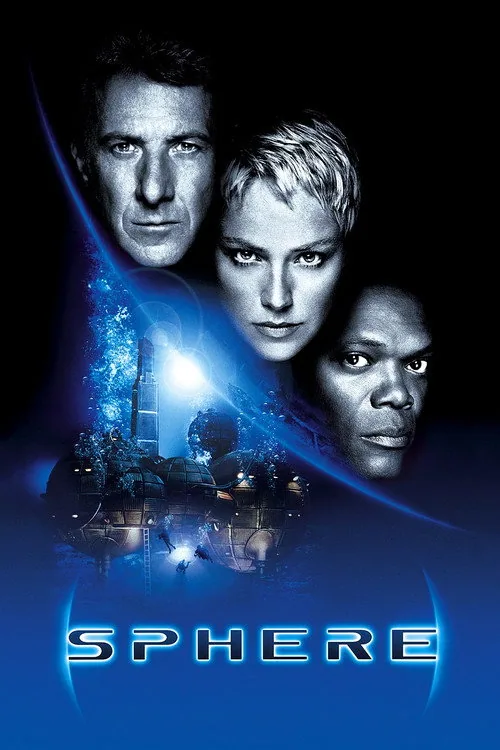
What changes Resident Evil: Retribution: level-based, rapid and climactic. Sphere: an isolated investigation turns dangerous as the sphere seems to make thoughts tangible..
A group of scientists and military personnel is sent to an underwater habitat after a spacecraft is found on the Pacific seabed. The apparently alien vessel proves to have a mysterious connection to human history, and the team discovers a perfect sphere that may respond to whoever enters it. As a storm traps them underwater, fear and imagined threats begin to shape the habitat’s disasters. Barry Levinson’s science-fiction thriller uses a confined research station to turn questions about first contact into a test of the crew’s own minds.
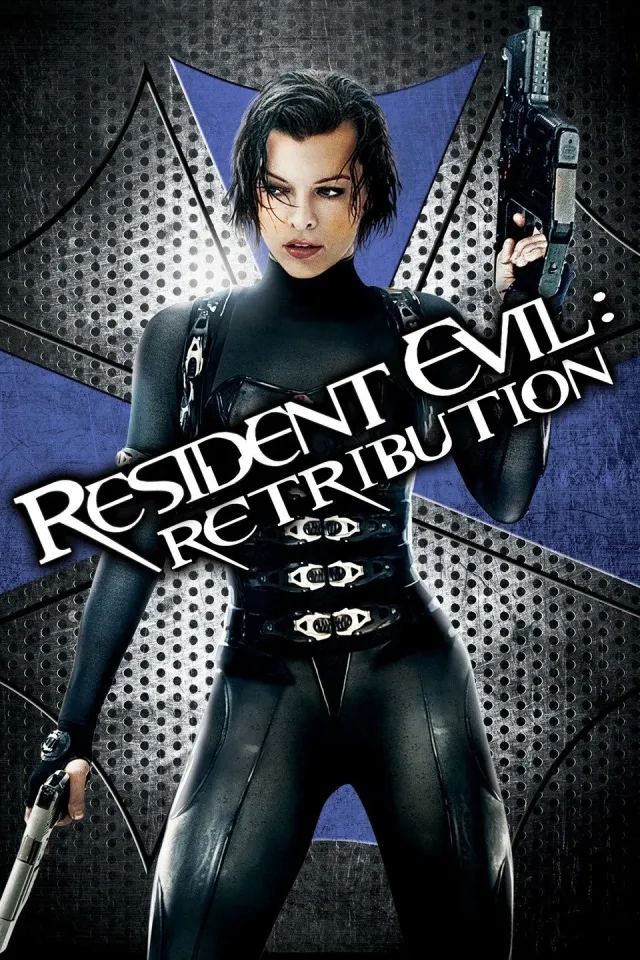
Captured after an attack on the Arcadia, Alice wakes in an underwater Umbrella facility designed to simulate outbreaks in different cities. She escapes with Ada Wong and learns that Wesker has arranged a rescue team, while Umbrella’s Red Queen still controls the installation. Their route through simulated versions of Tokyo, New York and Moscow brings Alice face to face with clones, including a child who mistakes her for a mother. As explosives threaten the facility, the group tries to reach the surface and survive the changing alliances among Umbrella’s operatives.
What drives the story
The simulated outbreaks turn each escape attempt into a staged test, while the rescue team races an explosive deadline.
The people at its centre
Alice’s encounters with clones and the child challenge the idea that memory or appearance alone establishes family and identity.
What it feels like
The film uses virtual city sets and sharply staged action to make the facility’s manufactured environments feel like shifting game levels.
Worth knowing
The simulation is a literal part of the plot, but the film remains an action-horror installment in a continuous series, not a standalone virtual-reality mystery.
IdentityCloningSurvival
Mood
Disorienting · Action-heavy · Paranoid
Pacing
Level-based · Rapid · Climactic
Visual style
Virtual city sets · Combat spectacle · Underwater interiors