A cross-group romance threatens inherited territorial loyalties just as a planned confrontation gives those loyalties immediate violent consequences.
Why this matches +
Selected for the central appeal: Intense tragic romances about young lovers divided by family rivalry and social pressure.
Genres: Crime / Drama
Shared film traits
Based on recorded story, mood and style. Your preferences can change the order.
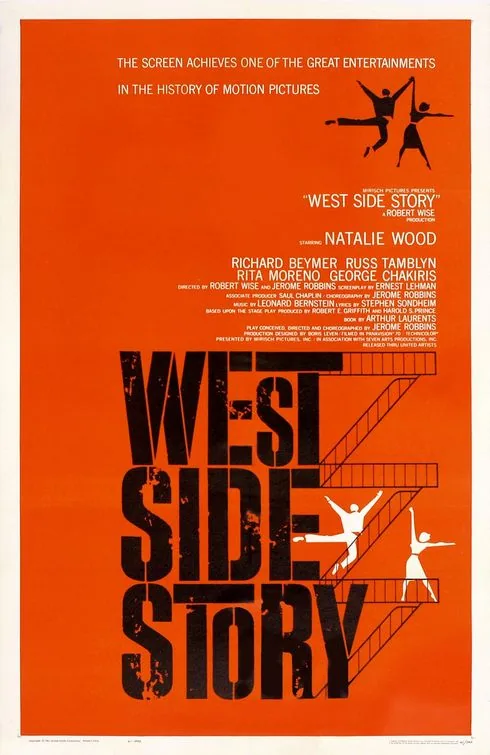
What changes West Side Story reimagines the same tragic conflict through young lovers divided by rival groups.
Two youth gangs compete over an Upper West Side neighbourhood shaped by migration, exclusion and claims to local belonging. A former gang member and the sister of his rivals' leader fall in love after meeting at a dance, imagining an escape from loyalties others treat as fixed. Efforts to contain the conflict fail as pride, prejudice and misinformation make personal reconciliation dependent on a community that repeatedly interprets intimacy as betrayal.
A class barrier becomes irreversible through the lover's refusal to act decisively, after which addiction and belated promises prolong the consequences without restoring the lost relationship.
Why this matches +
These offer a related experience with a meaningful difference in story, tone, or presentation.
An adjacent discovery: a related idea with a different viewing experience.
Genres: Drama / Romance
Shared film traits
Based on recorded story, mood and style. Your preferences can change the order.
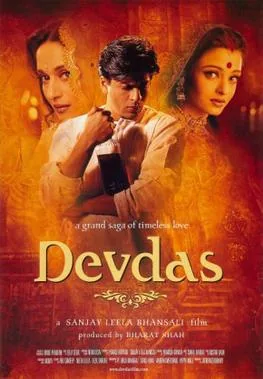
What changes Devdas follows lovers whose families and social hierarchy prevent a shared future.
Returning from education abroad, a young aristocrat renews his attachment to a childhood companion but fails to oppose the family hierarchy that humiliates her. Her marriage elsewhere does not end his longing, and his growing dependence on alcohol draws him toward a courtesan whose care he cannot answer on equal terms. Elaborate promises and gestures of devotion coexist with failures of practical courage, making romantic suffering inseparable from choices that keep other people constrained. Devdas’s romantic suffering is heightened by the very choices through which he avoids challenging class power.
A recounted youthful romance traces repeated separations while its telling becomes part of a present-day effort to sustain recognition.
Why this matches +
These offer a related experience with a meaningful difference in story, tone, or presentation.
An adjacent discovery: a related idea with a different viewing experience.
Genres: Romance / Drama
Shared film traits
Based on recorded story, mood and style. Your preferences can change the order.
What changes The Notebook follows young lovers whose relationship is challenged by family expectations and class.
An older man reads a story of a young couple whose summer attachment develops across a sharp difference in class and family expectation. Separation, war and other relationships make their eventual choices less straightforward than the intensity of the first encounter suggests. The framing situation gradually gives the remembered romance another emotional purpose, connecting the promise of enduring devotion with the vulnerability of memory and bodily aging.
Mastani’s place at court is contested even as Bajirao publicly recognizes her.
Why this matches +
These offer a related experience with a meaningful difference in story, tone, or presentation.
An adjacent discovery: a related idea with a different viewing experience.
Genres: Drama / History
Shared film traits
Based on recorded story, mood and style. Your preferences can change the order.
What changes Bajirao Mastani combines passionate love with family and political opposition in a lavish tragic romance.
In eighteenth-century India, Maratha leader Bajirao falls in love with Mastani, a warrior princess, while he is already married to Kashibai. His military campaigns and political status place the relationship inside a court divided by religion, family expectations, and succession. The historical romance balances battle spectacle with intimate conflict, portraying devotion as a challenge to the institutions that define who can belong.
The chickie run makes Jim’s need to prove himself collide with the gang’s rules, and the accident draws all three young people into the same crisis.
Why this matches +
These offer a related experience with a meaningful difference in story, tone, or presentation.
An adjacent discovery: a related idea with a different viewing experience.
Genres: Drama / Romance
Shared film traits
Based on recorded story, mood and style. Your preferences can change the order.
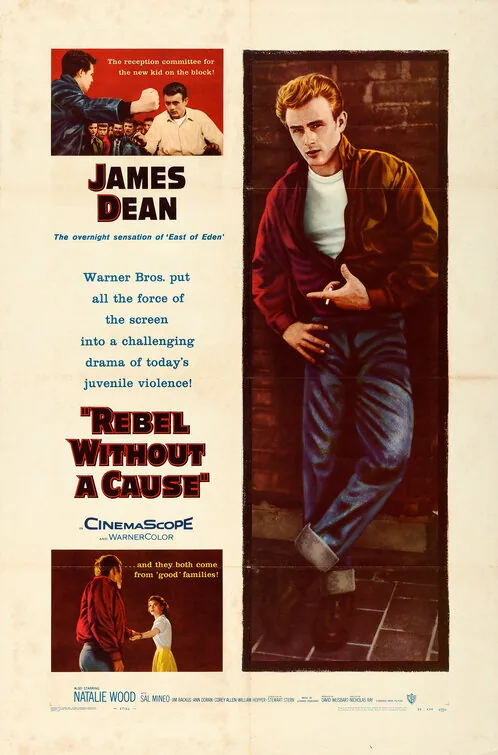
What changes Rebel Without a Cause follows young people whose relationships are strained by family conflict and violence.
Teenager Jim Stark arrives in Los Angeles and is taken to the police station for public intoxication, where he meets Judy and Plato, two other young people in distress. Jim’s parents argue constantly, Judy feels rejected by her father and Plato has been left largely without parental care. At school, Jim’s attempts to find his place bring him into conflict with gang leader Buzz, whose challenge leads to a fatal car race near a cliff. Jim and Judy draw closer, while Plato’s need for the connection he imagines they share intensifies into a crisis that ends with the police surrounding an observatory.
In the modernized city of Verona Beach, the Montagues and Capulets are rival families whose feud spills into public gunfights. Romeo attends a Capulet party hoping to see another woman but meets Juliet, and they fall in love before learning each other’s identities. They marry secretly with Father Laurence’s help. When Tybalt kills Mercutio, Romeo retaliates and is banished. Juliet is promised to Dave Paris, so Laurence gives her a potion that will simulate death while Romeo is meant to meet her at the family vault. A missed message leads Romeo to believe she has died, and their deaths expose the cost of the families’ rivalry.
What drives the story
The feud is translated into a modern urban conflict, while the plan to fake Juliet’s death depends on a message that never reaches Romeo.
The people at its centre
The lovers’ private bond is quickly overtaken by public violence, parental authority and impulsive choices among their friends.
What it feels like
Fast editing, pop music, religious imagery and contemporary weapons combine with Shakespeare’s original dialogue to create a deliberately heightened style.
Worth knowing
This adaptation modernizes the setting while keeping the tragic plot and language; its visual style differs sharply from more classical versions.
LoveFeudImpulsiveness
Mood
Stylized · Romantic · Tragic
Pacing
Rapid · Music-driven · Climactic
Visual style
Pop imagery · Contemporary city · Heightened montage
Storytelling
Modernized Shakespeare · Forbidden love · Urban tragedy