Explore films connected to Run Fatboy Run through Commitment and maturity, Self-respect and effort, Love and second chances. Choose the qualities you want to carry into your next watch.
What should feel similar?
Find your next favourite
9 films · Closest overall matches
Hide films you’ve seen or don’t want. Saved on this device.
No matches for this combination yet.
Try another option or reset your choices to see more films.
Based on recorded story, mood and style. Your preferences can change the order.
What changes Run Fatboy Run: training progression, romantic-comedy misunderstandings and race-day climax. You, Me and Dupree: measured and set-piece driven.
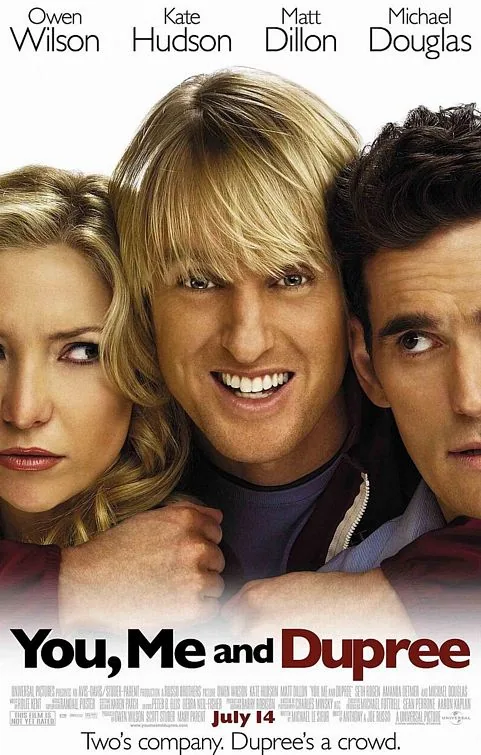
Newlyweds Carl and Molly invite Carl’s displaced friend Dupree to stay, expecting the arrangement to be brief. Dupree’s relaxed presence disrupts their routines and exposes tensions they have not addressed. The comedy looks at friendship and marriage under one roof, using household friction to ask when generosity becomes avoidance of difficult boundaries.
Based on recorded story, mood and style. Your preferences can change the order.
What changes Run Fatboy Run: training progression, romantic-comedy misunderstandings and race-day climax. The Switch: character-led and comic.
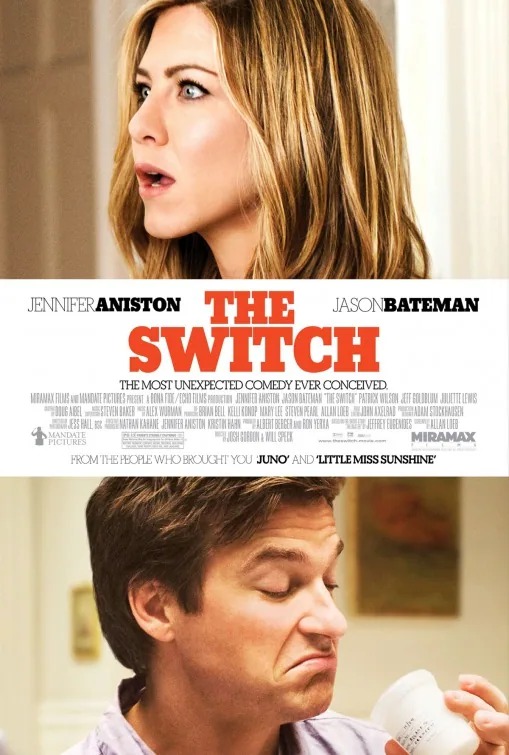
Kassie Larson decides to have a child through a donor, while her close friend Wally hides his doubts and feelings about her plan. At a party celebrating the pregnancy, Wally's drunken actions unknowingly change the donor sample, connecting him to the boy born years later. When Kassie and her son return to New York, Wally begins to recognize their bond. Josh Gordon and Will Speck's romantic comedy looks at friendship, parenthood, and belated honesty.
Based on recorded story, mood and style. Your preferences can change the order.
What changes Run Fatboy Run: training progression, romantic-comedy misunderstandings and race-day climax. She's Having a Baby: domestic episodes linked by a major life transition.
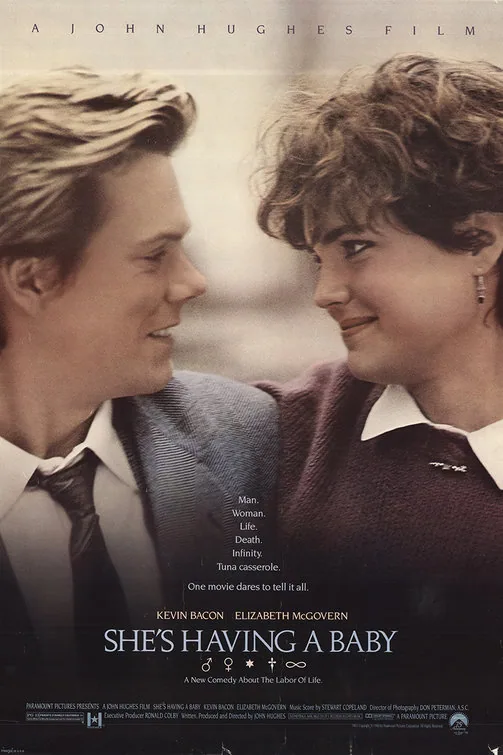
Newlyweds Kevin and Elizabeth try to adjust to married life while Kevin worries about work, family expectations and the responsibilities arriving faster than he feels ready for. John Hughes frames the domestic comedy through Kevin's anxious daydreams and abrupt leaps between memory, fantasy and the present. The story treats growing up as a series of ordinary commitments rather than a single dramatic turning point.
Based on recorded story, mood and style. Your preferences can change the order.
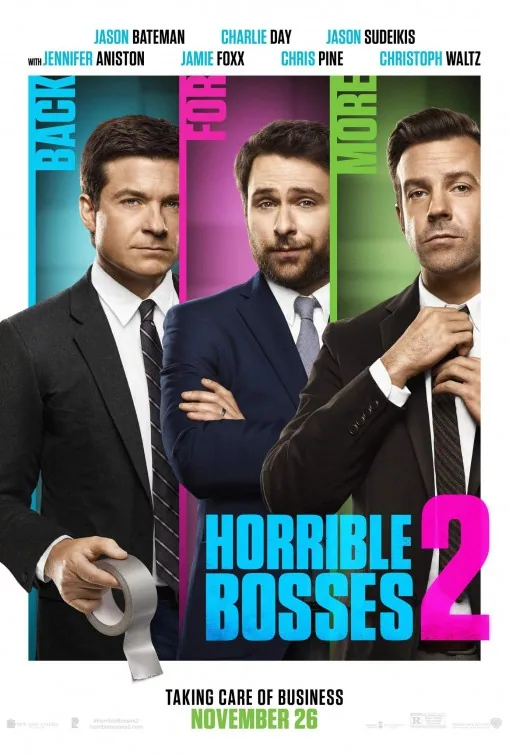
What changes Run Fatboy Run: training progression, romantic-comedy misunderstandings and race-day climax. Horrible Bosses 2: fast and farce-driven.
Nick, Dale and Kurt try to become entrepreneurs after deciding that reporting to another boss has become intolerable. A wealthy investor appears interested in their product, then takes control of the business, prompting the friends to plan a kidnapping that quickly becomes much more chaotic than they expect. The sequel turns workplace resentment into a farcical scheme, relying on the trio's poor planning and mismatched reactions.
Based on recorded story, mood and style. Your preferences can change the order.
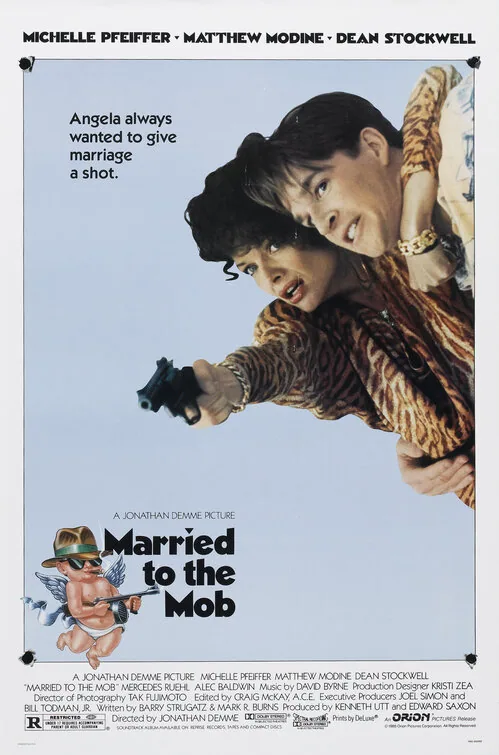
What changes Run Fatboy Run: training progression, romantic-comedy misunderstandings and race-day climax. Married to the Mob: farce with crime tension.
Angela de Marco wants to leave her gangster husband and build a life outside the criminal world, but his death does not free her from the people around him. A federal agent and a new romance complicate her efforts to protect her son and remain independent. The comedy combines mob satire with a woman's attempt to choose a life not defined by her husband's power.
Based on recorded story, mood and style. Your preferences can change the order.
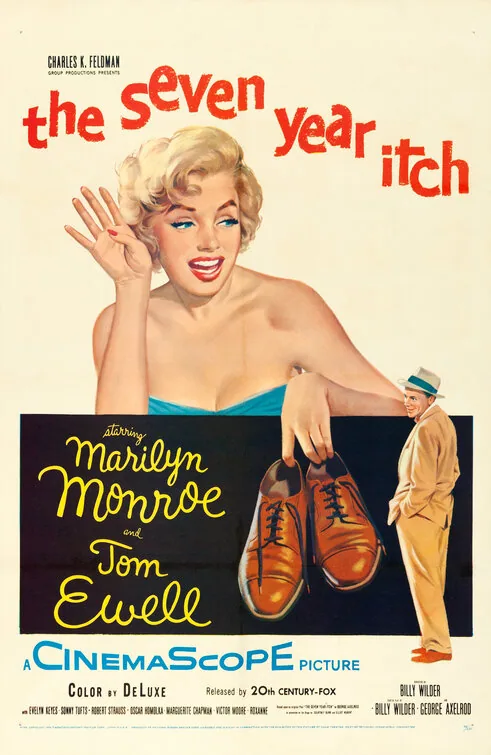
What changes Run Fatboy Run: training progression, romantic-comedy misunderstandings and race-day climax. The Seven Year Itch: measured and comic.
When his wife and son leave Manhattan for a summer in Maine, publisher Richard Sherman stays behind in the heat and promises himself he will behave. A beautiful new tenant upstairs begins spending time with him, and Richard's attraction feeds a torrent of imagined scenes in which he becomes a seducer, a public disgrace or the object of his neighbor's attention. Their real conversations are comparatively innocent, but his fantasies reveal how he understands fidelity, masculinity and the absent family he claims to miss. A manuscript about the supposed seven-year itch gives him a ready-made explanation for desire, allowing him to treat a common anxiety as an almost scientific force. The comedy rests on the gap between what happens and what Richard narrates to himself.
Based on recorded story, mood and style. Your preferences can change the order.
Sport and competition
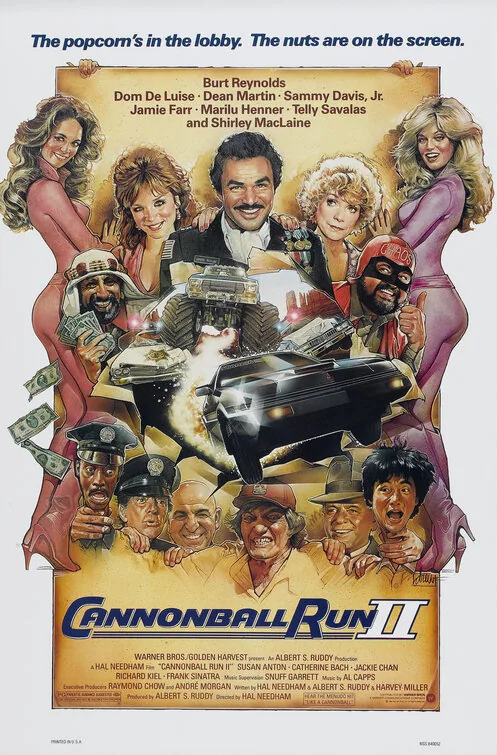
What changes Run Fatboy Run: training progression, romantic-comedy misunderstandings and race-day climax. Cannonball Run II: episodic and fast-moving.
A familiar collection of racers and eccentric partners enter another illegal cross-country contest for a large cash prize. Cars, disguises and improvised tactics matter less than each team's willingness to bend the rules and exploit the chaos around them. The sequel is built from comic encounters along the route, treating the race as an excuse for star pairings and stunts rather than as a tightly plotted sporting contest.
Based on recorded story, mood and style. Your preferences can change the order.
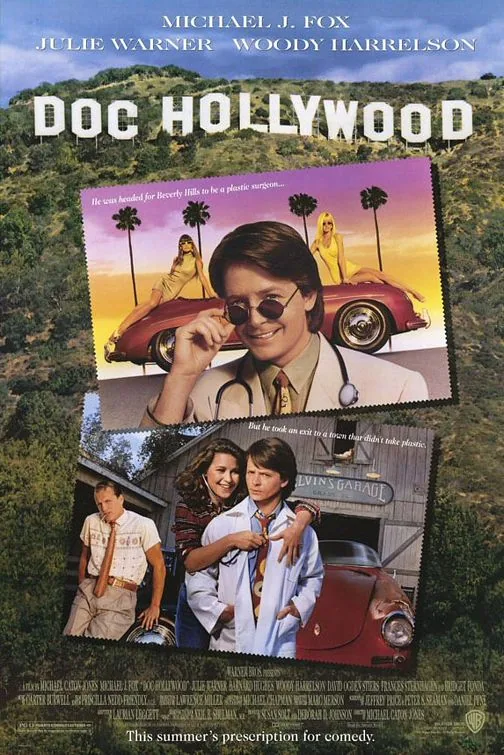
What changes Run Fatboy Run: training progression, romantic-comedy misunderstandings and race-day climax. Doc Hollywood: relaxed and character-led.
Dr. Ben Stone is driving to a promising job in Beverly Hills when a small-town accident leaves him stranded and sentenced to community service. The local clinic, its patients and the people he meets begin to challenge his assumption that success means reaching a prestigious city practice. Romance and community ties complicate his departure, making the detour a gentle test of ambition and belonging.
Based on recorded story, mood and style. Your preferences can change the order.
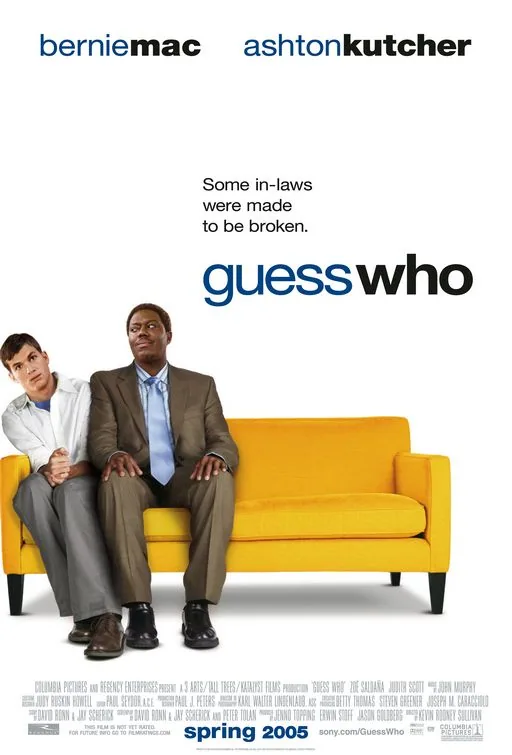
What changes Run Fatboy Run: training progression, romantic-comedy misunderstandings and race-day climax. Guess Who: escalating and dialogue-led.
A young man plans to meet the parents of his fiancée, but the family’s expectations and his own assumptions make their first encounter uncomfortable. The father’s efforts to test the relationship turn the visit into a series of comic confrontations, while the couple tries to maintain their own judgment amid family scrutiny. The remake uses mismatched expectations to examine trust, prejudice and the challenge of welcoming a partner into an established household.
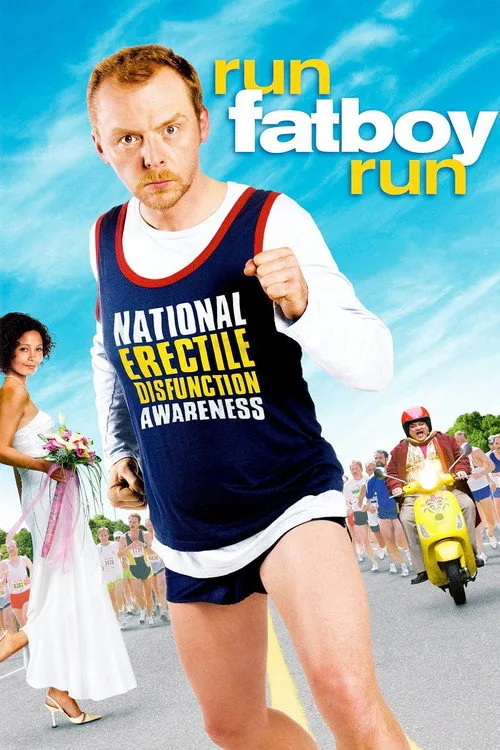
Dennis Doyle leaves his pregnant fiancée Libby at the altar, then watches years later as she builds a life with a successful new partner. Hoping to prove that he can follow through on something difficult, Dennis signs up for a marathon and begins training with help from his friend Gordon. David Schwimmer’s British romantic comedy follows the race as a test of commitment, self-respect, and renewed connection, mixing physical mishaps with a story about becoming dependable.
What drives the story
Dennis commits to a marathon as a way to demonstrate that he can finish something and become worthy of renewed trust.
The people at its centre
His unfinished history with Libby motivates him, while Libby and her new partner force him to respect their present choices.
What it feels like
A warm British romantic comedy uses running mishaps and gradual training to structure a story about adult responsibility.
Worth knowing
The marathon functions as a personal commitment test, rather than an elite competition or a conventional sports-team drama.
Commitment and maturitySelf-respect and effortLove and second chances
Mood
Affectionate · Comic · Inspirational
Pacing
Training progression · Romantic-comedy misunderstandings · Race-day climax
Visual style
London neighborhood settings · Physical-comedy running sequences · Everyday British romantic-comedy framing
Storytelling
Former runaway bridegroom seeks redemption · Marathon training tests commitment · Ex-partner’s new relationship motivates change