Based on recorded story, mood and style. Your preferences can change the order.
Survival · Investigation
What changes Saw VI is tagged severe and punitive; Jigsaw is tagged grim and graphic.
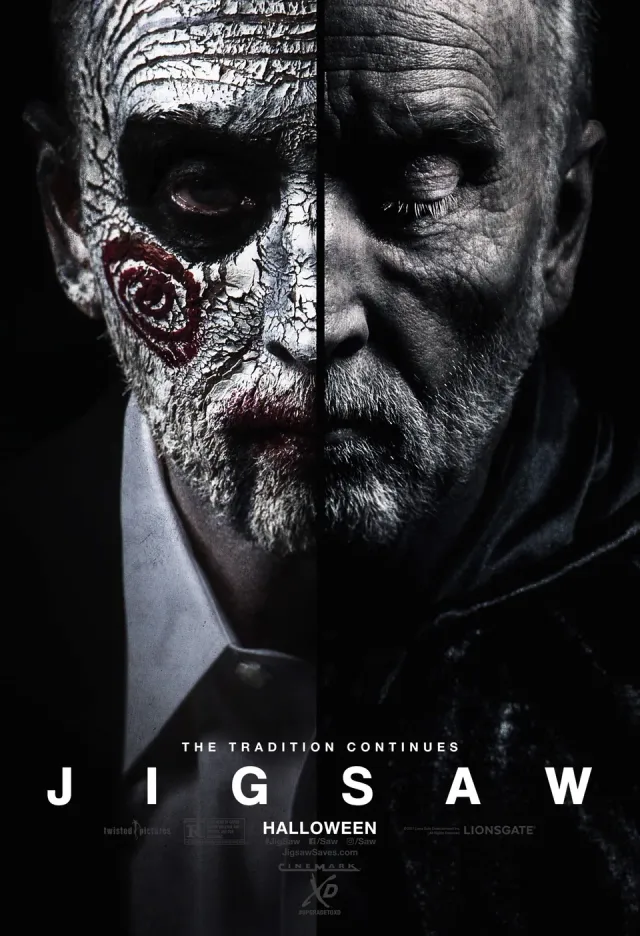
A new series of elaborate murders appears to imitate the methods of John Kramer, the serial killer known as Jigsaw, years after his reported death. As detectives investigate, several captives awaken in a barn and are forced through tests built around their past choices. The film alternates between the police inquiry and the deadly games, using hidden connections and delayed revelations to extend the franchise's puzzle-box structure.
Both centre on manufactured ordeal and coercive spectacle.
Why this matches +
Genres: Crime / Horror
Shared film traits
Based on recorded story, mood and style. Your preferences can change the order.
Survival · Investigation
What changes Saw VI is tagged severe and punitive; Saw 3D is tagged graphic and relentless.
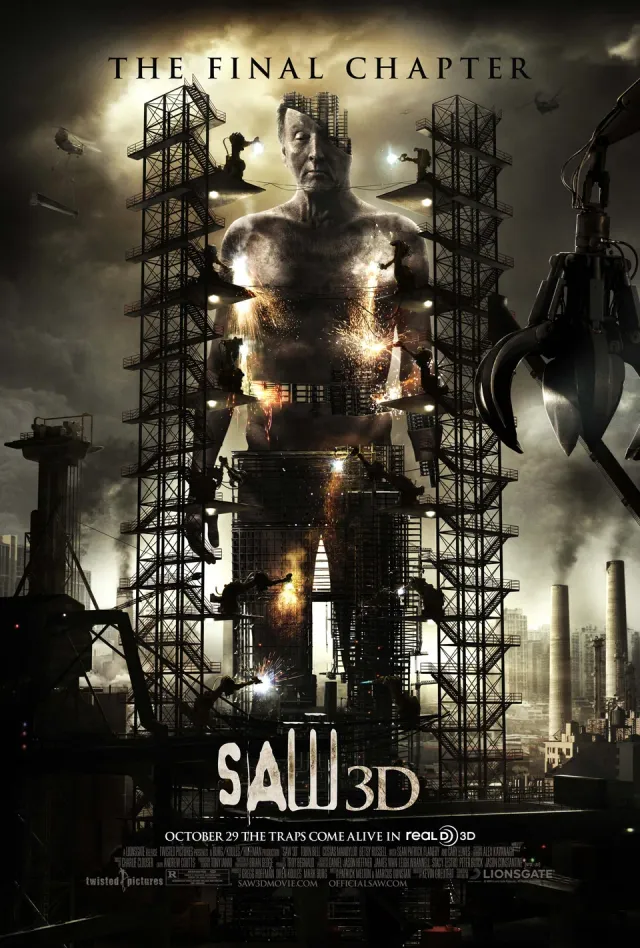
Years after surviving Jigsaw’s bathroom, Dr. Lawrence Gordon is drawn back into the legacy of the traps when detective Mark Hoffman turns his vendetta against Jill Tuck into a new campaign. Hoffman stages a sequence of tests for Bobby Dagen, a public self-help figure whose story of surviving a Jigsaw game was fabricated, while the police try to identify the killer behind the killings. Bobby’s lies have involved the people closest to him, so each attempt to pass a test exposes how performance and accountability are entangled. The plot’s simultaneous threads converge on the original bathroom and on the cost of Jill’s decision to expose Hoffman.
Based on recorded story, mood and style. Your preferences can change the order.
Survival
What changes Saw VI is tagged severe and punitive; Saw III is tagged oppressive and graphic.
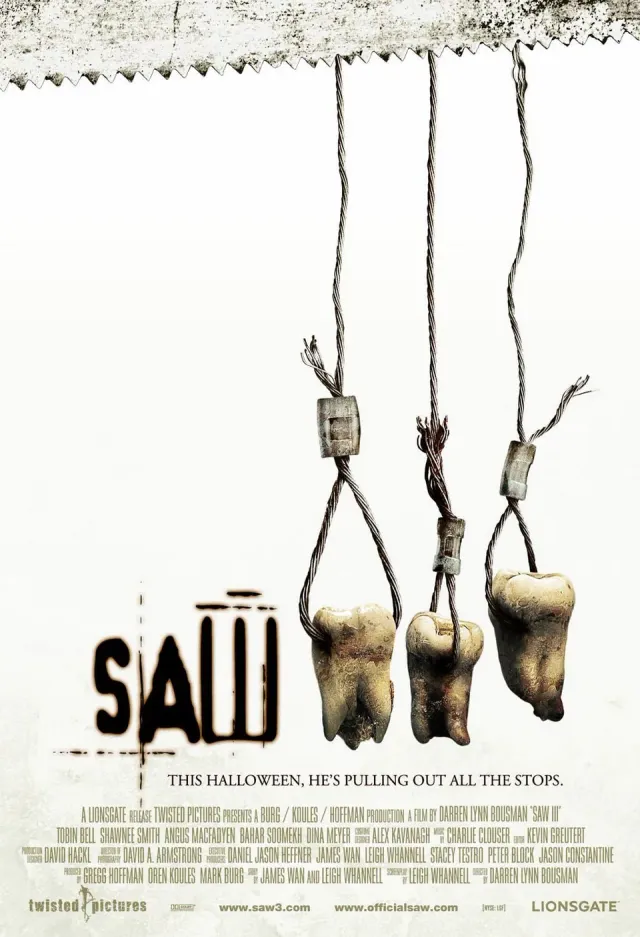
While Jigsaw is near death, his apprentice Amanda abducts surgeon Lynn Denlon and forces her to keep him alive until grief-stricken Jeff completes a sequence of tests. Jeff is consumed by anger at the drunk driver who killed his son, and each encounter asks whether he can move beyond revenge toward forgiveness. Lynn’s coerced medical work exposes Amanda’s growing departure from John’s supposed rules: traps once presented as opportunities are now being made unwinnable. The stories converge in a family revelation that turns the last choice into a test of whether John’s philosophy can survive the violence committed in its name.
Based on recorded story, mood and style. Your preferences can change the order.
Survival · Investigation
What changes Saw VI: staged, escalating and parallel. Mindhunters: fast elimination structure and clue-based suspense.
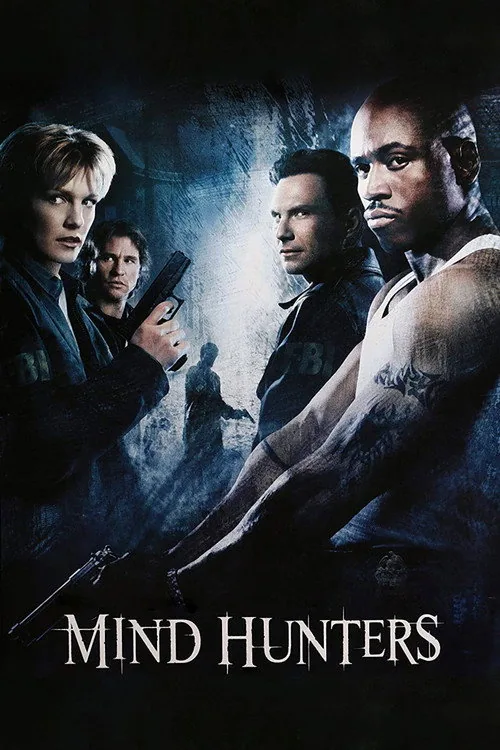
A group of FBI profiler trainees travels to an isolated island for a simulated investigation designed to test their ability to read a killer’s behavior. The exercise becomes real when one trainee dies, and the group discovers that someone among them may be turning the test into a sequence of murders. Cut off from help and unsure whom to trust, the remaining agents use their training to identify the attacker and survive. Renny Harlin’s thriller combines a closed-circle whodunit with slasher-style danger and an ensemble of rival specialists.
Based on recorded story, mood and style. Your preferences can change the order.
Survival
What changes Saw VI is tagged severe and punitive; Saw X is tagged grim and graphic.
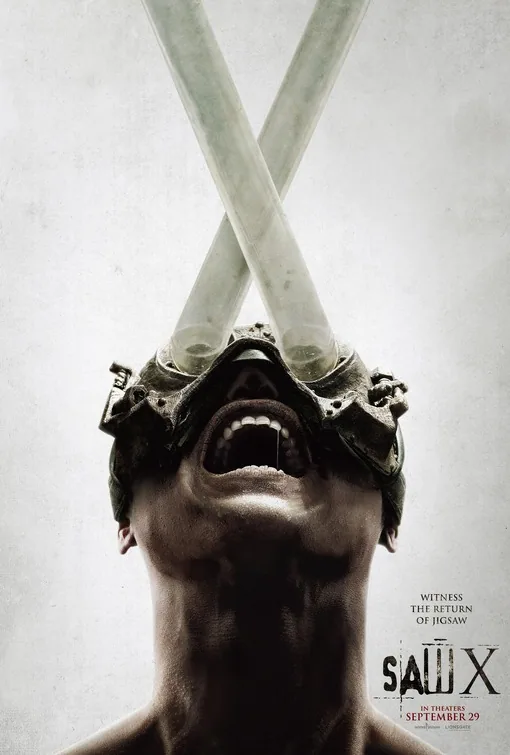
Facing a terminal diagnosis, John Kramer travels to Mexico after hearing that an experimental treatment may offer hope. When he discovers that the procedure was a fraud designed to exploit patients, he captures the people behind it and subjects them to elaborate tests. The film places the franchise’s trap machinery inside a revenge story about illness, desperation and the uneasy boundary between justice and cruelty.
Based on recorded story, mood and style. Your preferences can change the order.
Investigation
What changes Saw VI: staged, escalating and parallel. The Wolfman: brooding and violent eruptions.
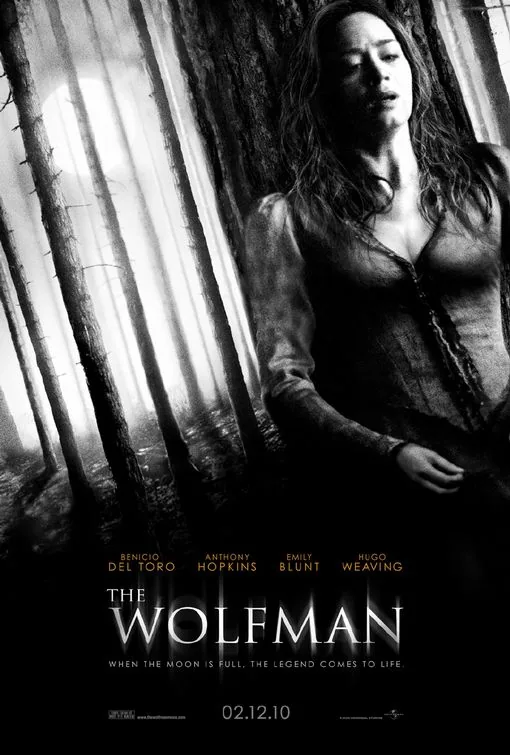
An actor returns to his family's English estate after his brother is killed and becomes involved in the search for the attacker. A wound inflicted during another assault links the investigation to frightening changes in his own body. Old family memories and official suspicion compound the threat, turning the attempted explanation of a local monster into a gothic struggle with inheritance, violence and loss of control.
Based on recorded story, mood and style. Your preferences can change the order.
Investigation
What changes Saw VI is tagged severe and punitive; Spiral is tagged grim and procedural.
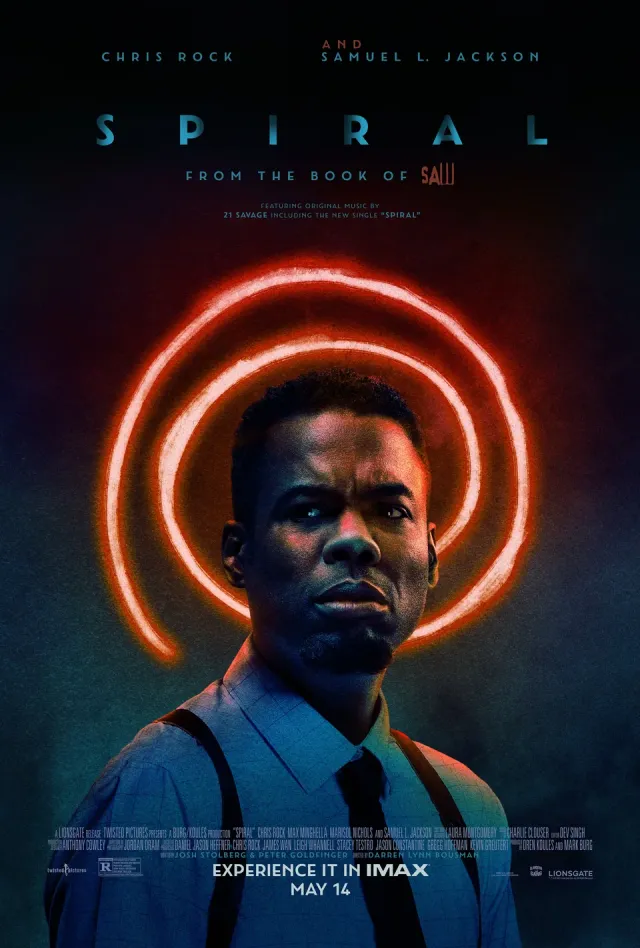
A veteran detective investigating a series of staged murders realizes that the killer is targeting members of his own police department. The clues evoke an infamous pattern but point toward a new agenda involving police conduct and institutional rot. As he and his partner move closer to the source, the investigation becomes personal, and the case asks who gets to define justice when the system is part of the harm.
Based on recorded story, mood and style. Your preferences can change the order.
Investigation
What changes Saw VI: staged, escalating and parallel. Longlegs: slow burn.
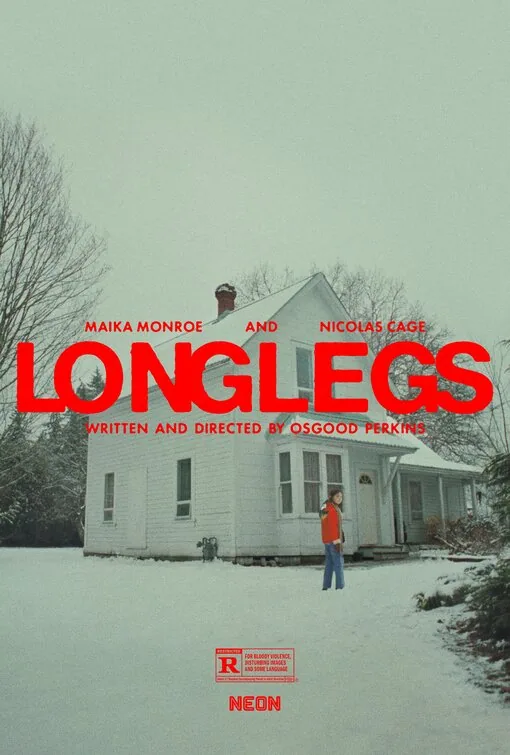
An FBI agent with an unsettling intuitive ability joins an investigation into family murders linked by coded messages. The apparent absence of a conventional killer at the scenes makes the recurring pattern difficult to explain, and clues begin to connect the case to her own childhood. Procedural certainty gives way to a fear that domestic safety and personal memory have already been shaped by forces she does not understand.
Based on recorded story, mood and style. Your preferences can change the order.
Survival · Investigation
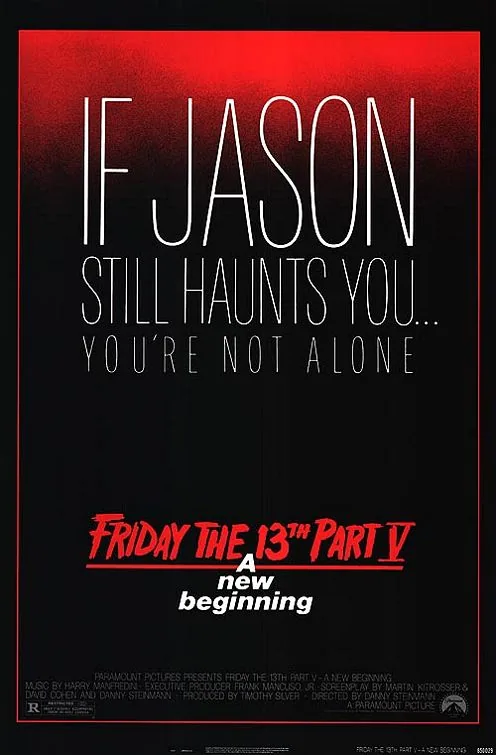
What changes Saw VI: staged, escalating and parallel. Friday the 13th: A New Beginning: steady kills and reveal-driven.
Years after a childhood encounter with violence at Camp Crystal Lake, Tommy Jarvis is sent to a halfway house where residents struggle with their own histories. A new killing spree begins, reviving fears about Jason Voorhees and leaving the group unsure whether the legend has returned. The slasher mystery uses a vulnerable community and unreliable assumptions to sustain its sequence of suspicion and attacks.
Jigsaw’s successor Hoffman tests insurance executive William Easton, whose company’s policies have denied treatment to people unable to satisfy its risk calculations. The game forces William through decisions about whose lives to spare, while a family connected to one of his earlier denials watches from a separate vantage. Meanwhile, agents Perez and Erickson investigate Hoffman’s links to the killings, and Jill Tuck carries out John Kramer’s final instructions. The story shifts the series’ moral focus from personal resentment toward institutional triage, but its tests still turn complex questions about responsibility into brutal, individual choices.
What drives the story
William’s route through the traps makes an insurance system’s life-and-death decisions visible as physical choices, while the family’s presence challenges his claim that policy is neutral.
The people at its centre
He cannot separate professional calculation from the people harmed by his decisions; the observers’ divided judgment prevents the ordeal from becoming a simple redemption test.
What it feels like
A sequence of linked tests and parallel investigations blends the franchise’s machinery with a more explicit critique of bureaucratic risk assessment.
Worth knowing
A violent franchise thriller with an unusually clear institutional theme; it does not offer a realistic picture of health insurance policy or a gentle ethical debate.