The couple’s recordings give the parody a loose sequence of increasingly ridiculous supernatural incidents.
Why this matches +
Selected for the central appeal: A family haunting provides the framework for crude, fast-changing horror and pop-culture parodies.
Genres: Comedy / Horror
Shared film traits
Based on recorded story, mood and style. Your preferences can change the order.
What changes A broad spoof turns a couple's domestic haunting into crude jokes and parodies of recognizable supernatural horror films.
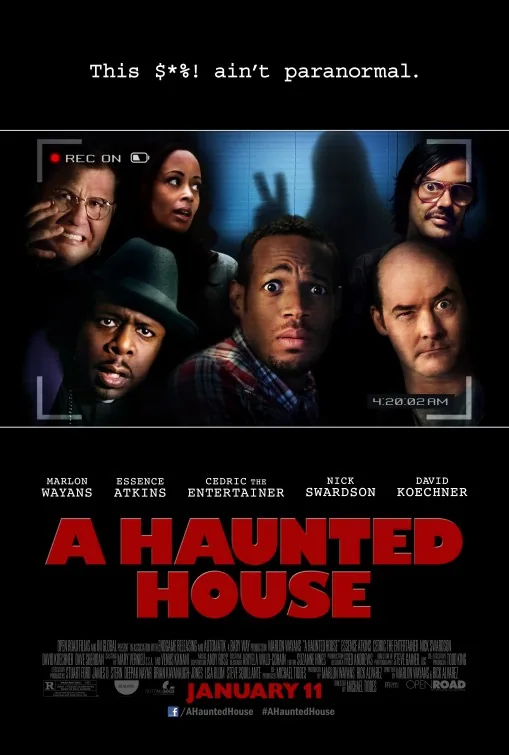
A young couple move into a new home and record increasingly strange events, only to find their attempts at investigation tangled in a parody of possession and found-footage horror conventions. Their relationship, roommates and neighbors become part of the escalating chaos. The comedy is intentionally crude, using familiar supernatural scares as setups for sexual jokes, slapstick and genre spoofing.
Will’s effort to reconnect with Amy provides a thin personal thread through the sequence of spoofs.
Why this matches +
These offer a related experience with a meaningful difference in story, tone, or presentation.
An adjacent discovery: a related idea with a different viewing experience.
Genres: Comedy
Shared film traits
Based on recorded story, mood and style. Your preferences can change the order.
What changes An intentionally broad spoof assembles visual gags and pop-culture references around disaster and horror-film conventions.
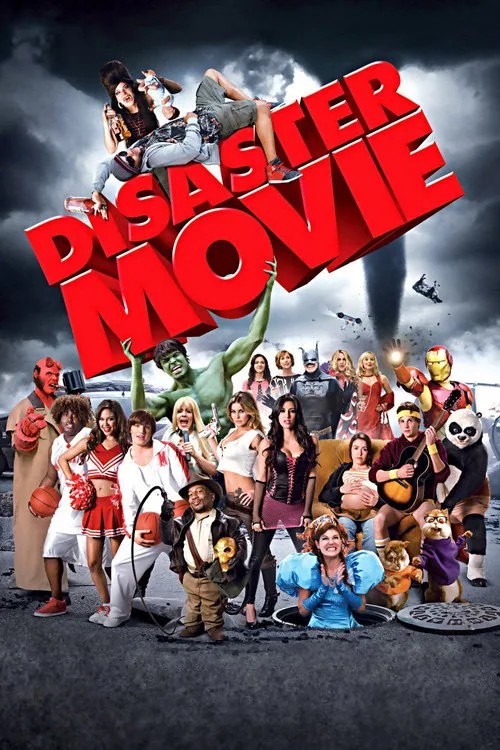
Will wakes from a prehistoric disaster dream on the day of his twenty-fifth birthday and tries to reunite with his girlfriend Amy. A string of exaggerated catastrophes and celebrity encounters interrupts the group as they search for a crystal skull said to be connected to the world’s end. Jason Friedberg and Aaron Seltzer’s parody comedy uses a loose journey narrative to spoof recent disaster, fantasy, superhero, and pop-culture films. Its rapid references and intentionally broad sketches are the main attraction, rather than a coherent disaster plot.
The four new allies try to defeat the White Bitch after escaping Willy’s plan.
Why this matches +
These offer a related experience with a meaningful difference in story, tone, or presentation.
An adjacent discovery: a related idea with a different viewing experience.
Genres: Comedy / Parody
Shared film traits
Based on recorded story, mood and style. Your preferences can change the order.
What changes A rapid-fire parody uses disconnected sketches and exaggerated references to recent popular movies.
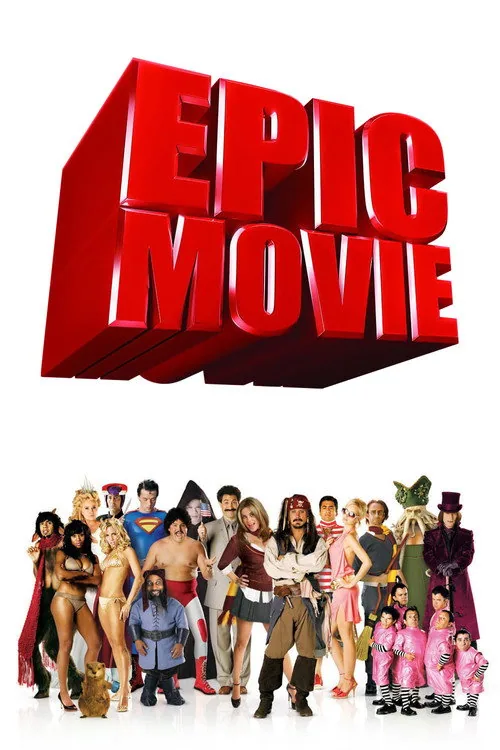
Four unrelated young people discover Golden Tickets and are brought together at Willy’s Chocolate Factory, where they learn that Willy plans to use them as an ingredient. After escaping through a wardrobe into the snowy kingdom of Gnarnia, they join Mr. Tumnus and Harry Beaver in a fight against the White Bitch. Jason Friedberg and Aaron Seltzer’s parody assembles jokes and references from contemporary fantasy, adventure, and comedy hits, following the loose shape of an ensemble quest rather than sustaining one target or comic style.
A reunion weekend becomes a deadly game when a killer forces the friends to answer questions about race and group identity.
Why this matches +
These offer a related experience with a meaningful difference in story, tone, or presentation.
An adjacent discovery: a related idea with a different viewing experience.
Genres: Comedy / Horror
Shared film traits
Based on recorded story, mood and style. Your preferences can change the order.
What changes A group confronts familiar horror conventions through self-aware jokes and comic reversals, with a more coherent slasher plot.
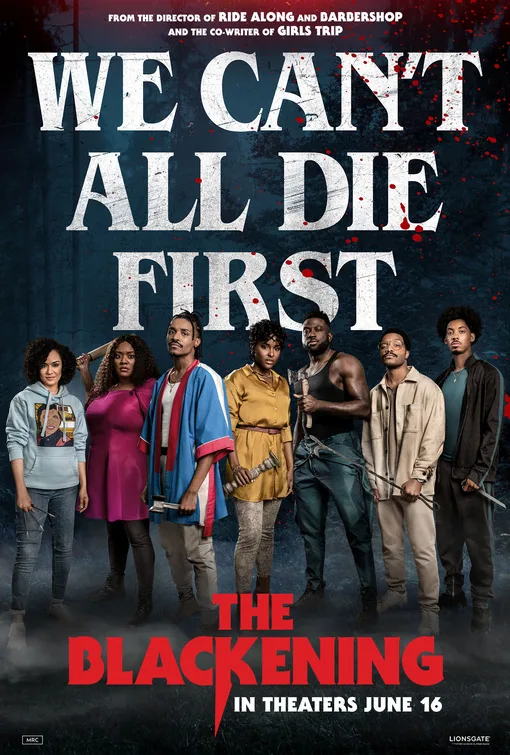
A close-knit group of Black friends reunites for a Juneteenth weekend at a remote cabin, where a racist board game and a masked killer turn an old in-joke into a deadly test. The comedy-horror follows the friends as they question one another’s knowledge, loyalties and assumptions under pressure. Tim Story’s film uses the rules of the slasher genre to stage arguments about representation, friendship and who gets treated as expendable.
A chain of sketches and interruptions turns familiar screen formats into targets for rapid-fire parody.
Why this matches +
These offer a related experience with a meaningful difference in story, tone, or presentation.
An adjacent discovery: a related idea with a different viewing experience.
Genres: Comedy / Parody
Shared film traits
Based on recorded story, mood and style. Your preferences can change the order.
What changes A collection of irreverent sketches parodies film and television conventions using deliberately outrageous humor.
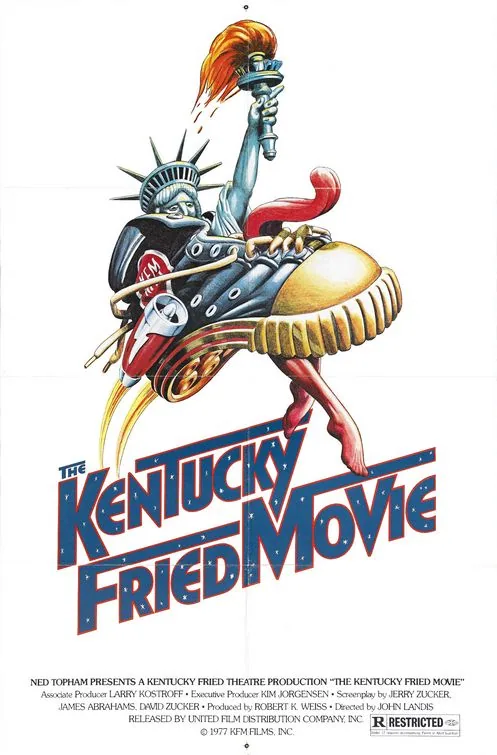
An irreverent anthology strings together short sketches that parody television news, advertisements, courtroom thrillers, martial arts films, disaster movies and other screen formats. The pieces jump from one comic premise to another, sometimes interrupting themselves with fake promotions or deliberately cheap effects. Directed by John Landis and written by Jim Abrahams and the Zucker brothers, the film treats television and movie conventions as raw material for a fast barrage of spoof.
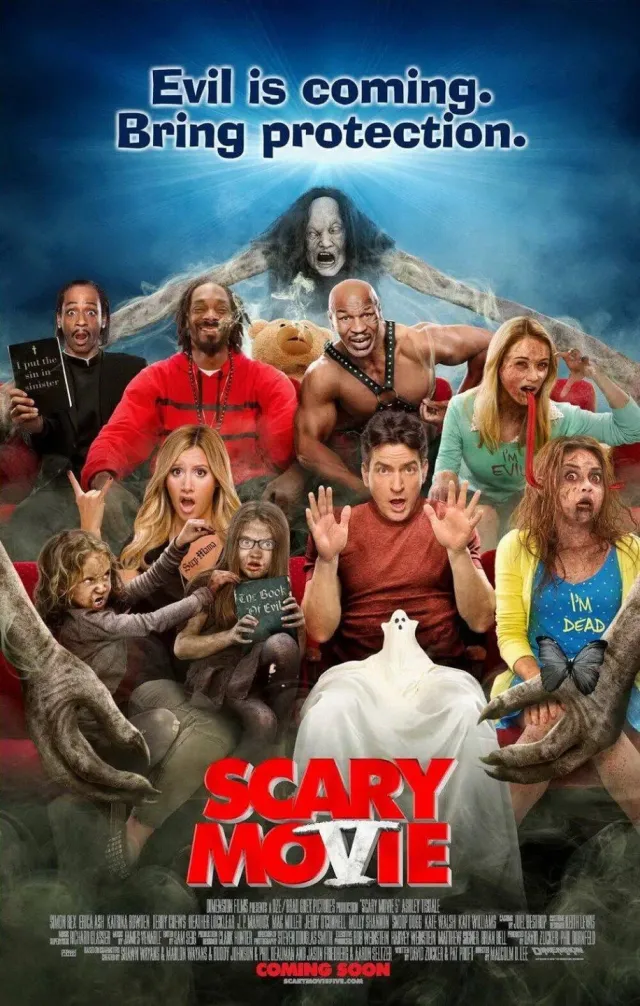
A couple begin a new life while raising children who may be haunted by a supernatural force, and their family problems quickly become a framework for parodying recent horror and pop-culture films. Malcolm D. Lee uses the franchise’s broad sketch-comedy style, changing scenarios rapidly and relying on visual gags, celebrity appearances and crude references. The result is an intentionally disposable spoof whose appeal depends on recognition and tolerance for exaggerated sexual humor.
What drives the story
The supernatural premise mainly serves as a scaffold for references and comic reversals.
The people at its centre
The film uses parody to distort familiar scenes rather than develop a sustained mystery.
What it feels like
Its sketch-like structure means individual jokes matter more than narrative continuity.
Worth knowing
Sexual jokes and crude humor make this a mature comedy with a narrow audience fit.