Natalie investigates whether the current murders reproduce stories from campus folklore and a buried institutional scandal.
Why this matches +
Selected for the central appeal: Self-aware slasher mysteries about young people, media attention and killers exploiting horror conventions.
Genres: Horror / Mystery
Shared film traits
Based on recorded story, mood and style. Your preferences can change the order.
Investigation
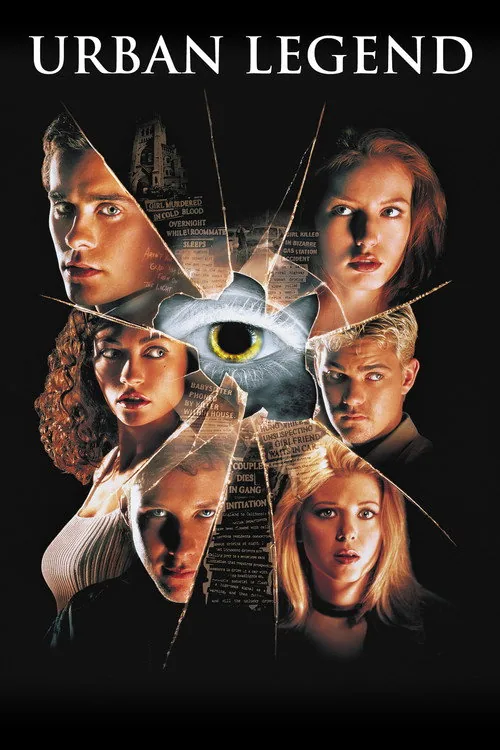
What changes Urban Legend follows college students targeted by a killer whose murders play on familiar horror stories.
At Pendleton University, a series of murders appear to recreate well-known urban legends. Student Natalie becomes suspicious that the deaths are connected to a massacre from the school’s past, while her friend Paul helps her investigate and campus authorities dismiss her concerns. As the killings draw closer to her social circle, Natalie must work out which stories are clues and who is using them. Jamie Blanks’s slasher film turns familiar folklore into a campus murder mystery.
A repeating murder day gives a threatened student iterative opportunities to test suspects, but accumulated physical damage makes repetition a diminishing resource.
Why this matches +
Selected for the central appeal: Self-aware slasher mysteries about young people, media attention and killers exploiting horror conventions.
Genres: Horror / Mystery
Shared film traits
Based on recorded story, mood and style. Your preferences can change the order.
Investigation
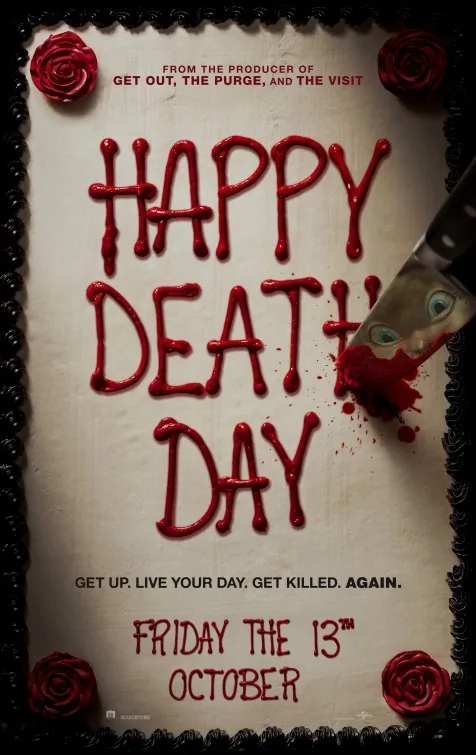
What changes Happy Death Day follows a college student repeatedly targeted by a masked killer in a genre-aware mystery.
A college student wakes after a party on her birthday and moves through a day marked by strained friendships, an affair and unresolved family grief. A masked attacker kills her, only for the same morning to begin again. Repeated deaths turn private embarrassment and social routine into clues, allowing her to investigate suspects while discovering that survival may require changing how she treats people as well as identifying an assailant.
The secret binds the friends even as their different accounts pull them apart.
Why this matches +
Selected for the central appeal: Self-aware slasher mysteries about young people, media attention and killers exploiting horror conventions.
Genres: Horror / Mystery
Shared film traits
Based on recorded story, mood and style. Your preferences can change the order.
Investigation
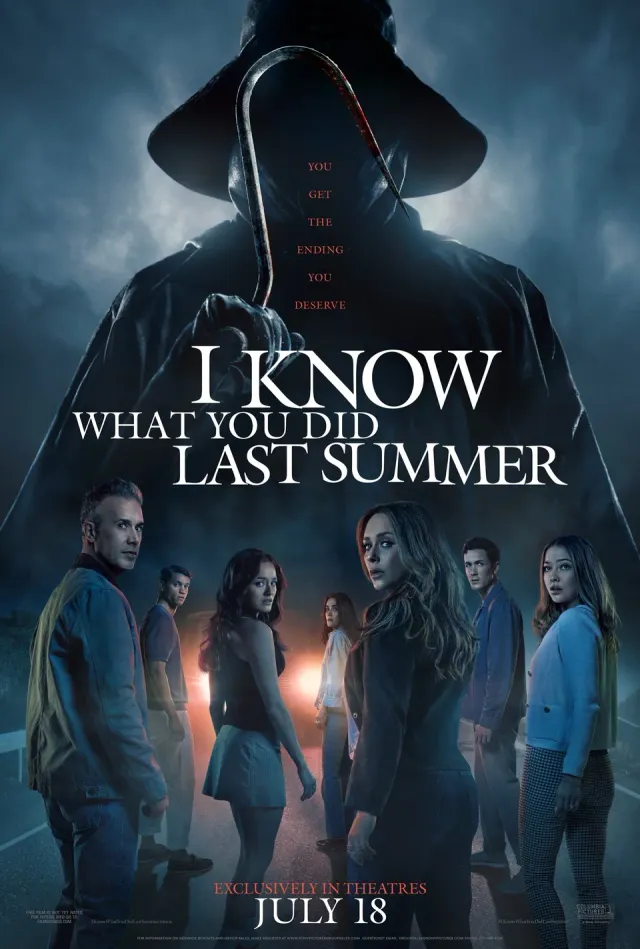
What changes I Know What You Did Last Summer follows young survivors stalked by a killer connected to an earlier traumatic event.
A year after a deadly accident, a group of friends reunite in Southport and find themselves targeted by someone who knows what they concealed. As threats escalate, they seek help from survivors of an earlier killing spree and investigate how their past actions have returned. The legacy sequel revisits guilt, secrecy, and slasher convention while placing a new group of young adults inside an inherited cycle of violence.
The masked-killer mystery gains momentum from the friends’ buried responsibility for a past death, while the media turns their fear into a public performance.
Why this matches +
These offer a related experience with a meaningful difference in story, tone, or presentation.
An adjacent discovery: a related idea with a different viewing experience.
Genres: Horror / Comedy
Shared film traits
Based on recorded story, mood and style. Your preferences can change the order.
Investigation
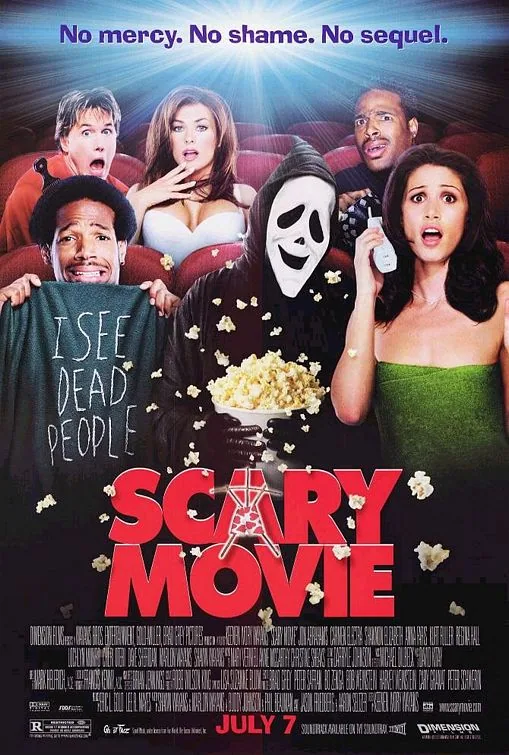
What changes Scary Movie parodies masked-killer slasher conventions and the media attention surrounding a series of murders.
A year after a fatal hit-and-run, Cindy Campbell and her friends are stalked by a masked killer whose calls and attacks echo the slasher films they know. The group’s attempts to hide their own connections to the earlier accident collide with a news crew eager to sensationalize the murders and a school administration focused on its own reputation. Cindy’s uncertainty about her boyfriend Bobby and her friends keeps the mystery moving, but each clue is also an opportunity to spoof the conventions of teen horror. The comedy is fast, vulgar and deliberately irreverent about both the genre and its characters.
The body exchange gives the killer access to spaces where Millie’s own identity is normally dismissed.
Why this matches +
These offer a related experience with a meaningful difference in story, tone, or presentation.
An adjacent discovery: a related idea with a different viewing experience.
Genres: Comedy / Horror
Shared film traits
Based on recorded story, mood and style. Your preferences can change the order.
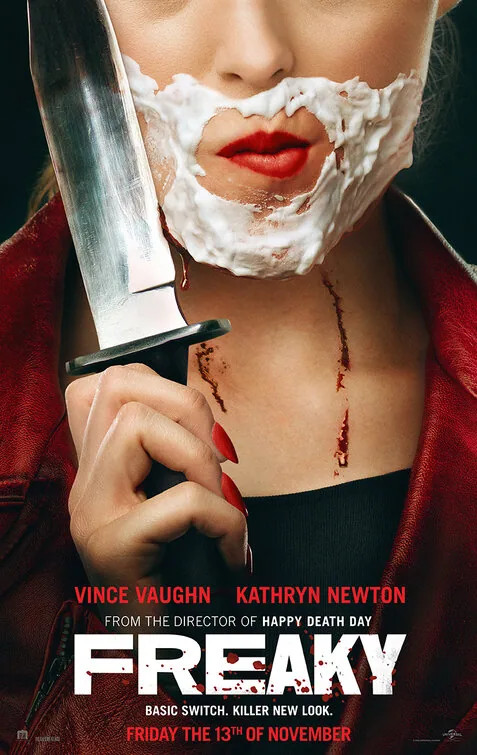
What changes Freaky combines a self-aware slasher premise with comic twists on familiar horror rules.
High-school student Millie Kessler switches bodies with a serial killer after he attacks her with an ancient dagger. Millie has one day to reverse the transformation before it becomes permanent, while the killer uses her appearance to move through her school unnoticed. The horror comedy combines a body-swap premise with slasher conventions, using role reversal to explore teenage invisibility and the danger of being misread.
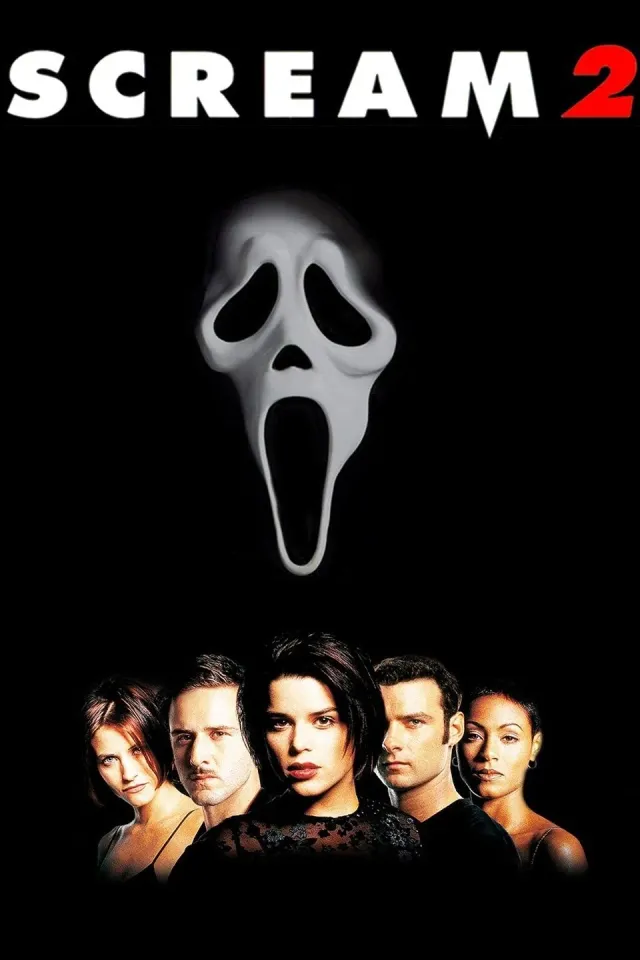
A killer in a Ghostface costume murders two college students during a screening of Stab, the movie made from the Woodsboro killings. Sidney Prescott has moved to Windsor College, but the murders bring back Dewey and Gale and put her under renewed media attention alongside new classmates and former survivors. The campus investigation becomes a sequel-aware slasher story in which the characters debate the rules of sequels while being trapped inside one. Its killer reveal ties the new violence to the first film’s aftermath and to Sidney’s public testimony.
What drives the story
The new murders copy a fictional movie’s dramatization of the original killings, making questions of repetition and exploitation part of the mystery itself.
The people at its centre
Sidney is trying to build a life beyond Woodsboro, but the press and killer both turn her trauma into material; Gale and Dewey face their own changing relationship.
What it feels like
A campus setting, staged premiere and self-conscious dialogue about sequel formulas give the film a more public, media-saturated rhythm than the first entry.
Worth knowing
A strong choice for a meta slasher sequel and franchise continuity; it retains graphic attacks and trauma rather than becoming a light comedy about movie tropes.
TraumaMediaSurvival
Mood
Self-aware · Tense · Violent
Pacing
Crosscut · Escalating · Reversal-driven
Visual style
Campus spaces · Staged movie premiere · Masked attacks