A couple's separation changes how their children relate to both parents.
Why this matches +
Selected for the central appeal: Intimate recorded interviews expose secrets, desire and emotional distance within a strained marriage.
Genres: Drama
Shared film traits
Based on recorded story, mood and style. Your preferences can change the order.
Memory and identity
What changes A troubled marriage exposes infidelity and emotional distance through painful domestic encounters; a family separation rather than recorded interviews.
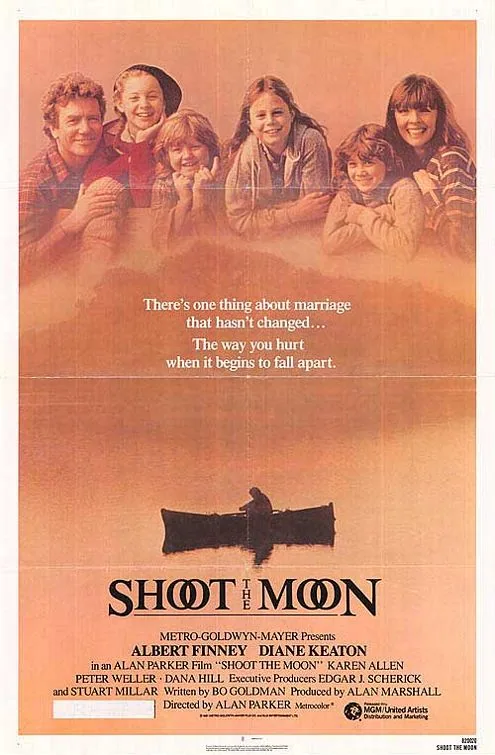
Writer George and his wife Faith are separating in Marin County, while their four daughters try to understand the changing household. George's affair and Faith's new relationship make family loyalties unstable, especially for their eldest daughter Sherry, who sees the conflict more clearly than the adults expect. The drama observes marital collapse through domestic routines, anger and attempts at reconciliation.
Four shifting relationships turn desire into repeated tests of disclosure, but more information intensifies control rather than producing secure intimacy.
Why this matches +
Selected for the central appeal: Intimate recorded interviews expose secrets, desire and emotional distance within a strained marriage.
Genres: Drama / Romance
Shared film traits
Based on recorded story, mood and style. Your preferences can change the order.
What changes Four adults reveal desire and deception through intimate conversations that destabilize relationships; a more theatrical romantic drama.
In London, Dan, Alice, Anna and Larry move through overlapping relationships in which attraction is followed by demands for disclosure. Their conversations often present truth as a test or punishment, so knowing a partner's sexual history does not guarantee trust or intimacy. The characters exercise different degrees of control over what they reveal, and Alice's constructed identity should not be confused with proof that she has no agency. Mike Nichols's stage-derived chamber drama keeps the focus on what people demand from one another when possession is mistaken for honesty. The relationships shift over years, with temporary pairings hardening into old resentments.
Elizabeth’s research makes the act of watching feel consequential for the family being observed.
Why this matches +
These offer a related experience with a meaningful difference in story, tone, or presentation.
An adjacent discovery: a related idea with a different viewing experience.
Genres: Drama
Shared film traits
Based on recorded story, mood and style. Your preferences can change the order.
Memory and identity
What changes An outsider's observation unsettles a couple's carefully managed public story; acting and exploitation replace recorded sexual interviews.
Actor Elizabeth travels to Georgia to research Gracie, a woman whose relationship with teenage Joe once drew national attention and scandal. As Elizabeth observes the family and prepares to portray Gracie, the visit unsettles the couple’s routines and exposes how each person has learned to perform a version of the past. The drama examines looking, reenactment and power, letting quiet social encounters carry the tension of an unresolved history.
A couple's present-day crisis is interwoven with the earlier attraction that brought them together.
Why this matches +
These offer a related experience with a meaningful difference in story, tone, or presentation.
An adjacent discovery: a related idea with a different viewing experience.
Genres: Drama / Romance
Shared film traits
Based on recorded story, mood and style. Your preferences can change the order.
Memory and identity
What changes A relationship's intimacy and disintegration are examined in uncomfortable personal detail; a nonlinear portrait of one couple.
Dean and Cindy's relationship is shown across two periods: the early days when attraction makes a shared future feel possible, and a later marriage strained by routine, work and different expectations. Their weekend at a motel becomes a pressure point where affection and resentment coexist. Derek Cianfrance's intimate drama cuts between the beginnings and unraveling of a relationship without reducing either version to a simple explanation.
A party that should be polite becomes a prolonged contest in which the characters use stories and humiliation to control the room.
Why this matches +
These offer a related experience with a meaningful difference in story, tone, or presentation.
An adjacent discovery: a related idea with a different viewing experience.
Genres: Drama
Shared film traits
Based on recorded story, mood and style. Your preferences can change the order.
What changes Couples expose their resentments and private performances through confrontational conversation; a more theatrical and abrasive chamber drama.
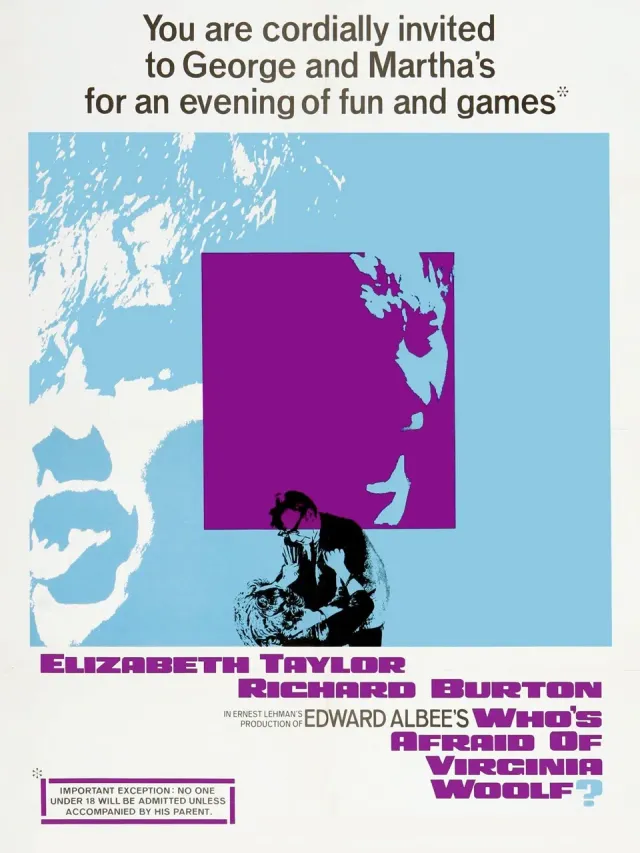
Late at night, college professor George and his wife Martha return home from a faculty gathering with younger professor Nick and his wife Honey. What begins as tense social conversation becomes a series of increasingly cruel games in which the hosts expose one another’s resentments and draw their guests into the conflict. The confined setting turns talk into the film’s main action: each revelation changes who has control and what the younger couple thinks they understand. Mike Nichols adapts Edward Albee’s play with its theatrical structure and language intact. Each game recruits Nick and Honey into the conflict, and its rules keep shifting. The guests gradually question how much of their own marriage they have shown.
Ann's carefully managed marriage to lawyer John becomes unsettled when John's old friend Graham arrives in town. Graham records candid interviews with women about their intimate lives, and his unusual project draws Ann into conversations she has avoided with her husband. As the three characters' secrets surface, the camera becomes a tool for distance and disclosure, exposing how performance, desire, and honesty can reshape a relationship.
What drives the story
Graham's videotaped conversations reveal fractures in Ann and John's marriage and unsettle the people around them.
The people at its centre
Ann has hidden her dissatisfaction from herself as much as from John, while Graham's apparent detachment conceals his own difficulties with intimacy.
What it feels like
The film relies on conversation and pauses, allowing private revelations to shift power gradually.
Worth knowing
Its adult relationship drama centers on the act of speaking and recording, not on a mystery about the tapes themselves.
IntimacyTruthMarriage
Mood
Restrained · Uncomfortable · Reflective
Pacing
Slow-burning
Visual style
Naturalistic interiors · Minimalist framing
Storytelling
Relationship triangle · Recorded confession · Sexual honesty