Based on recorded story, mood and style. Your preferences can change the order.
Music and performance
What changes Sister Act: comic build and musical release. Sister Act 2: Back in the Habit: ensemble and performance-led.
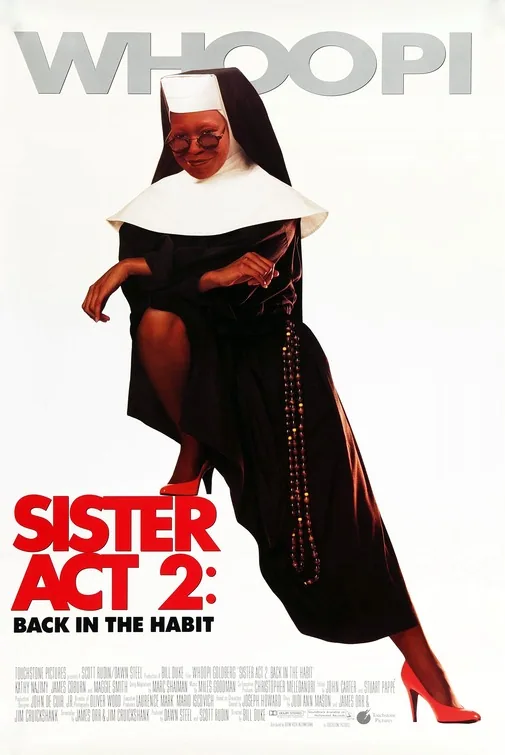
Deloris Van Cartier returns to San Francisco after her friends at the convent ask her to help a struggling high-school music program. Disguised again as a nun, she tries to reach students who distrust authority and to protect the program from closure. The musical comedy pairs the choir's growth with Deloris's return to a community where encouragement can change what young people expect from themselves.
Based on recorded story, mood and style. Your preferences can change the order.
Music and performance · Escape and pursuit
What changes Sister Act: comic build and musical release. Some Like It Hot: fast.
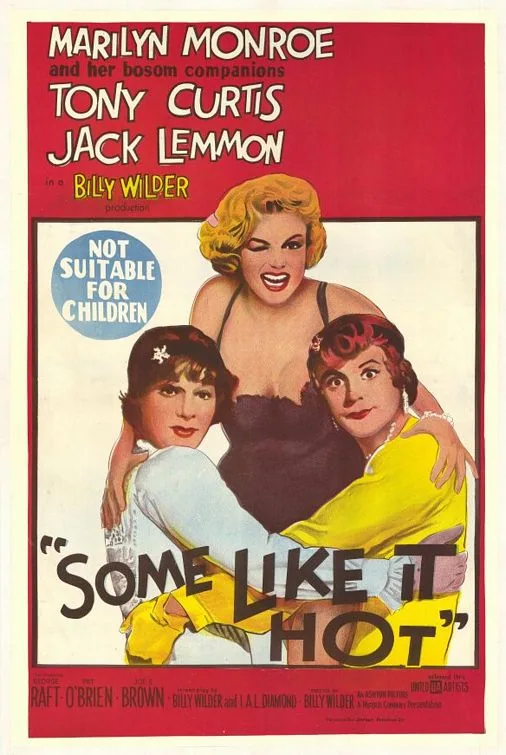
Two Chicago musicians witness a gangland killing and escape by disguising themselves as women to join a touring female band. On arrival in Florida, one invents a second identity to court the singer, while the other attracts the attention of a persistent millionaire. Maintaining safety and romantic opportunity becomes increasingly difficult as the deceptions multiply and the gangsters unexpectedly re-enter the same social world.
Both share themes of belonging, plus a comic atmosphere.
Why this matches +
Genres: Comedy
Shared film traits
Based on recorded story, mood and style. Your preferences can change the order.
Music and performance
What changes Sister Act: comic build and musical release. Theater Camp: improvisational, episodic, rehearsal-driven and climactic showcase.
When Joan, the beloved director of AdirondACTS, falls into a coma, her son Troy unexpectedly inherits the financially strained summer theater camp. He arrives with an influencer’s confidence but little sense of what makes the campers and staff care about the place. Former campers Amos and Rebecca-Diane take charge of the season’s productions, while the community races to keep the camp alive through its chaotic rehearsals and final showcase.
Based on recorded story, mood and style. Your preferences can change the order.
What changes Sister Act: comic build and musical release. I Can Do Bad All by Myself: character-led and gradual.
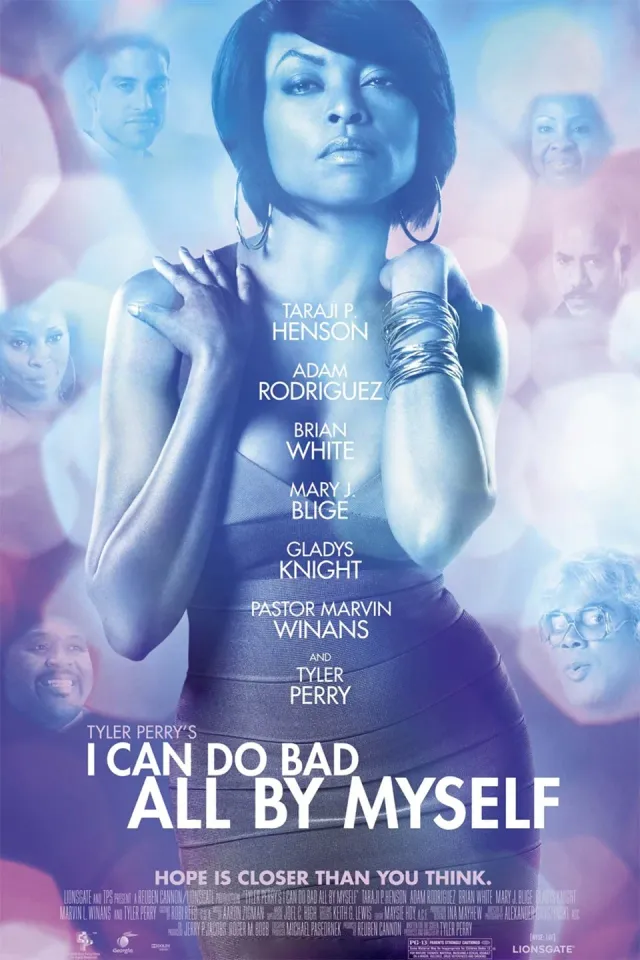
A nightclub singer who has tried to avoid responsibility finds three young relatives alone after their grandmother dies and is asked to care for them. Their arrival disrupts her routine and draws her into the family’s practical needs, while neighbors offer support and challenge her assumptions. The musical drama places adult self-sufficiency beside caregiving, allowing songs and domestic scenes to frame a change that depends on repeated choices rather than a single confession.
Both share themes of community, plus a warm atmosphere.
Why this matches +
Genres: Drama / Musical
Shared film traits
Based on recorded story, mood and style. Your preferences can change the order.
Music and performance
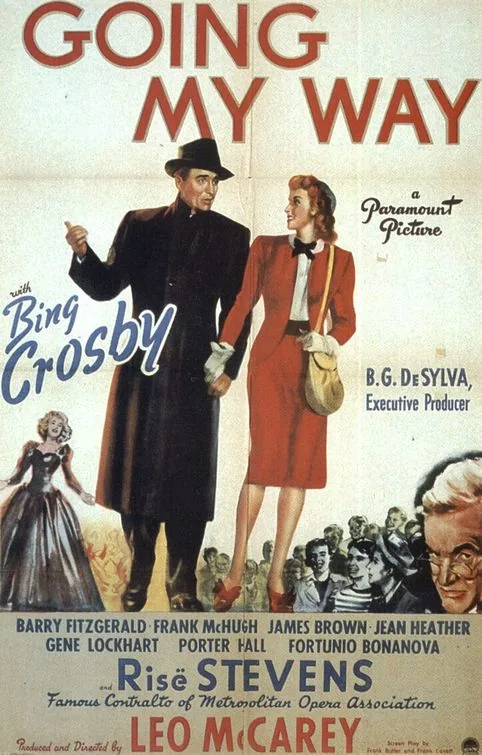
What changes Sister Act: comic build and musical release. Going My Way: episodic and measured.
A young priest arrives at an indebted New York parish with an informal style that unsettles its aging pastor. Rather than announce the authority he has been given, he works through neighborhood relationships, music and practical help, trying to preserve the older man's dignity while changing how the parish serves people. Everyday encounters gradually make institutional succession a question of care instead of victory. The episodic drama turns songs and modest acts of generosity into resources for sustaining a vulnerable community.
Based on recorded story, mood and style. Your preferences can change the order.
Music and performance
What changes Sister Act: comic build and musical release. The Dirt: episodic career milestones, concert energy and late shift toward consequence.
Four young musicians from Los Angeles form Mötley Crüe and rise from club gigs to global fame, adopting a reckless style that mirrors the era's excess. Told through the band members' changing perspectives, the biographical comedy-drama tracks sudden success, internal conflict, addiction, loss, and the difficult attempts to remain together. Concert spectacle and backstage chaos share the screen as the group confronts the damage caused by fame and the possibility of a later reunion.
Based on recorded story, mood and style. Your preferences can change the order.
Music and performance
What changes Sister Act: comic build and musical release. Kneecap: brisk, episodic and song-driven.
In Belfast, language teacher JJ meets rappers Naoise and Liam Óg, whose songs bring Irish-language politics into local nightlife. The three form the group Kneecap and turn friendship, performance and provocation into a public presence, attracting fans and opposition. Based on the band members' rise, the film mixes musical energy with a comic portrait of cultural identity, artistic ambition and the tensions around speaking a language shaped by colonial history.
Based on recorded story, mood and style. Your preferences can change the order.
Music and performance
What changes Sister Act: comic build and musical release. The High Note: work routine establishes hierarchy, new production project begins, career choices collide and performance-centered resolution.
Maggie Sherwoode has spent years managing the daily needs of legendary R&B singer Grace Davis while privately hoping to become a music producer. When she meets singer David Cliff, she claims experience she has not yet earned and offers to help him make an album. Grace’s manager wants her to accept a Las Vegas residency rather than record new music, leaving Maggie caught between serving an established artist and building a career of her own. Nisha Ganatra’s music-centered comedy-drama follows ambition, mentorship, and changing opportunities in Los Angeles.
Based on recorded story, mood and style. Your preferences can change the order.
Music and performance
What changes Sister Act: comic build and musical release. The Last Dragon: quest-like and performance-led.
Leroy Green is a martial-arts student pursuing the mysterious mastery known as the Glow. His search intersects with singer Laura Charles's effort to protect her music video from a powerful promoter, and with the street fighter Sho'nuff's challenge to Leroy's reputation. The film combines kung fu spectacle, musical performance and comic romance, giving its hero an inward goal alongside the public battles around him.
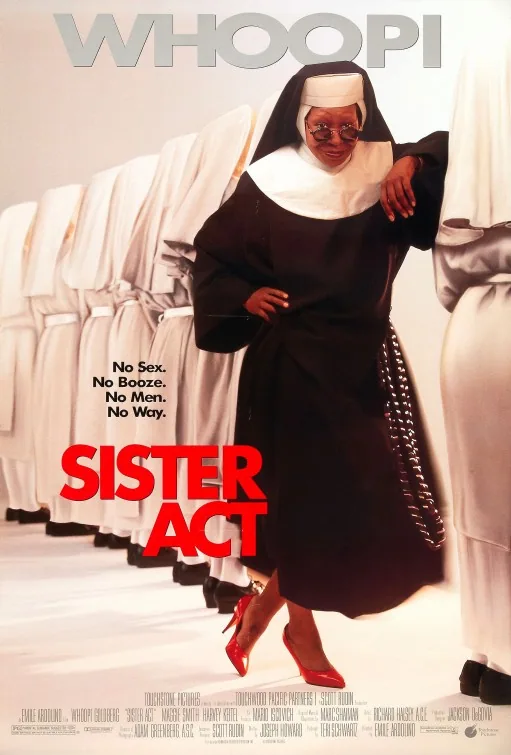
Reno lounge singer Deloris witnesses her gangster lover murder a man and is placed in witness protection at a San Francisco convent. Disguised as Sister Mary Clarence, she struggles with the convent’s rules and clashes with its cautious Reverend Mother, then is assigned to a choir that can barely hold a tune. Deloris’s musical confidence transforms the group into a neighborhood draw, but their growing fame makes her easier for the gang to locate. Her new friends and the police must protect her without undoing the community the choir has built.
What drives the story
Witness protection puts a high-energy singer inside a quiet convent; the choir gives Deloris both a way to contribute and a new reason to risk exposure.
The people at its centre
The Reverend Mother’s resistance comes from responsibility for the convent rather than dislike of Deloris, and their compromise reshapes both women’s ideas of leadership.
What it feels like
Gospel arrangements turn rehearsals and church services into comic performance set pieces, balancing the threat of the mob with warm ensemble humor.
Worth knowing
A fit for music-driven comedies where a newcomer revitalizes a community; the crime frame supplies suspense but the main pleasure is the choir’s transformation.