Explore films connected to Spirit: Stallion of the Cimarron through Freedom, respect, attachment. Choose the qualities you want to carry into your next watch.
What should feel similar?
Find your next favourite
9 films · Closest overall matches
Hide films you’ve seen or don’t want. Saved on this device.
No matches for this combination yet.
Try another option or reset your choices to see more films.
Based on recorded story, mood and style. Your preferences can change the order.
Escape and pursuit
What changes Spirit: Stallion of the Cimarron: journey-like and lyrical. Ferdinand: fast.
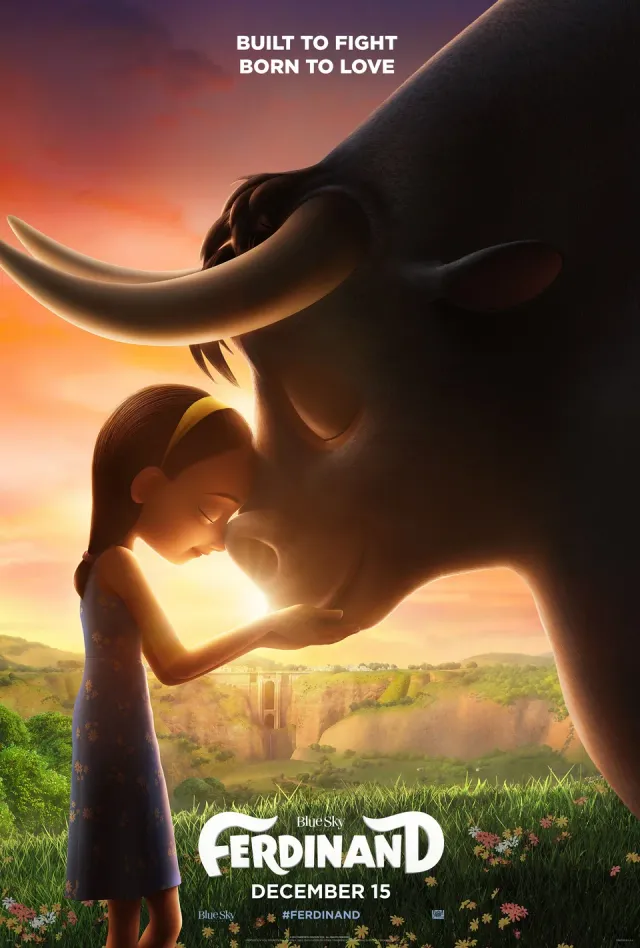
A gentle bull raised away from the fighting ring is returned to a training ranch after frightened people misread his size and an accidental disturbance as aggression. The other bulls compete for a selection they believe proves their worth, until he discovers what awaits both winners and rejected animals. Escaping requires challenging the assumption that strength must be demonstrated through violence, while persuading rivals that mutual protection offers more than another individual victory.
Based on recorded story, mood and style. Your preferences can change the order.
Coming of age
What changes Spirit: Stallion of the Cimarron: journey-like and lyrical. Balto: town life and rivalry, stormbound rescue journey and homecoming and recognition.
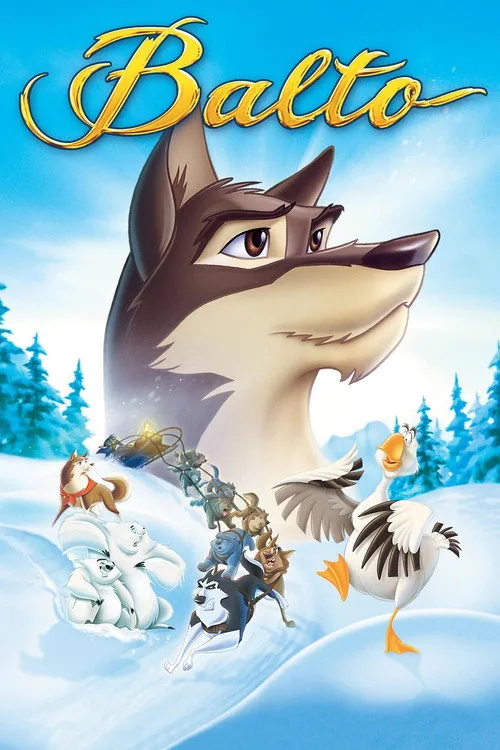
In 1925 Nome, Alaska, wolfdog Balto is rejected by people and dogs because he does not fit either group, though he is loyal to a young girl named Rosy. When diphtheria infects the town's children and a winter storm blocks other routes, a sled team carries medicine from the railhead but becomes lost on its return. Balto sets out through dangerous snow to find the team and guide the serum home, turning the outsider mocked by the town into the one best suited to lead.
Based on recorded story, mood and style. Your preferences can change the order.
Escape and pursuit
What changes Spirit: Stallion of the Cimarron: journey-like and lyrical. Chicken Run: Dawn of the Nugget: brisk, mission-driven, comic and action-focused.
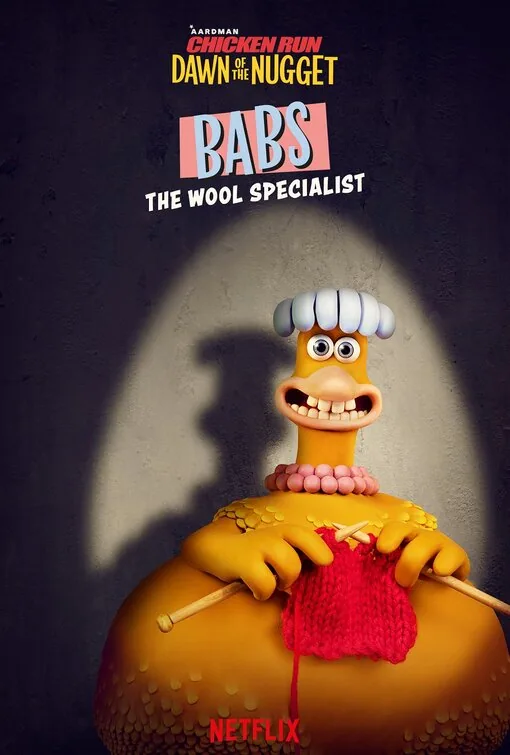
After escaping Tweedy’s farm, Ginger and Rocky have built a protected island sanctuary for their chicken community and are raising their daughter Molly. Molly’s curiosity takes her beyond the island, where she and a new friend find themselves drawn into Fun-Land Farms, a brightly presented facility with a threatening purpose. Ginger organizes a rescue that turns the sequel into a daring infiltration, while Molly learns about the danger her parents have worked to keep at a distance.
Based on recorded story, mood and style. Your preferences can change the order.
Escape and pursuit
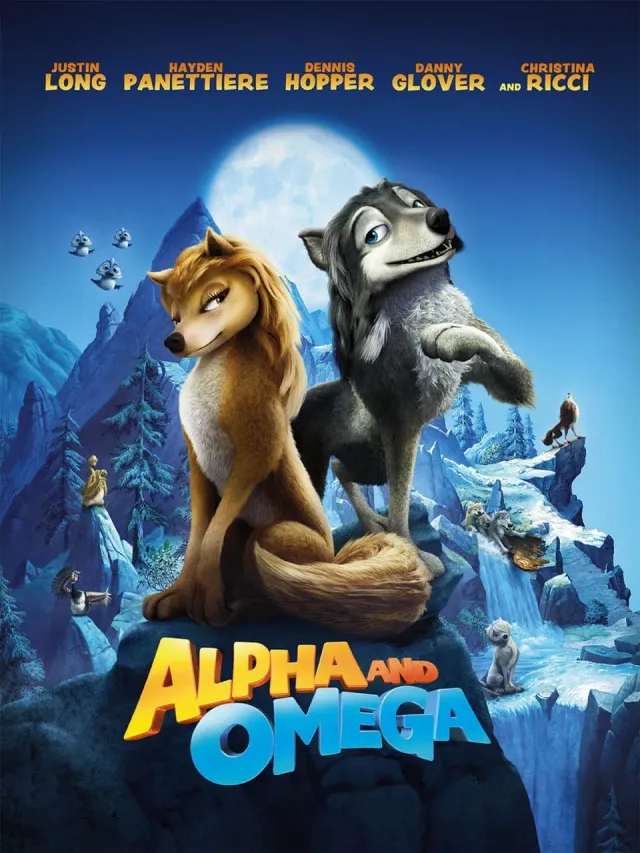
What changes Spirit: Stallion of the Cimarron: journey-like and lyrical. Alpha and Omega: journey-driven and comic.
Two young wolves from different social positions in their pack are captured by park rangers and moved far from home. Kate is a responsible alpha, while Humphrey is a carefree omega; their journey back requires cooperation and forces them to revise their assumptions about one another. Anthony Bell and Ben Gluck's animated adventure uses animal comedy and romance to frame a family story about social roles and choice.
Based on recorded story, mood and style. Your preferences can change the order.
Coming of age
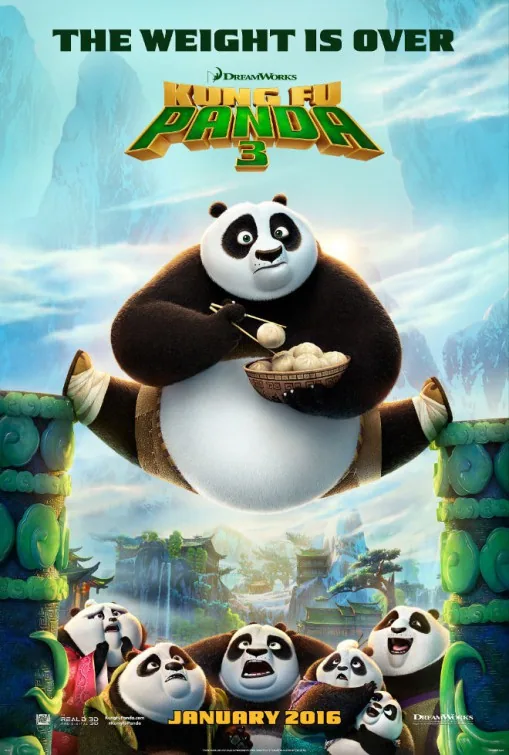
What changes Spirit: Stallion of the Cimarron: journey-like and lyrical. Kung Fu Panda 3: brisk.
A newly appointed teacher doubts his ability to guide others just as his biological father arrives and offers access to a hidden panda community. A returning spirit-warrior steals the powers of established masters, making the promised lesson in shared energy seem essential. The father's concealment of his own limits exposes a fear of losing the son he has found. The sequel turns teaching away from producing copies of one expert and toward recognizing varied capabilities, while allowing two fathers to cooperate without reducing one bond to a temporary substitute.
Based on recorded story, mood and style. Your preferences can change the order.
Coming of age
What changes Spirit: Stallion of the Cimarron: journey-like and lyrical. Treasure Planet: voyage structure and escalating adventure.
Restless teenager Jim Hawkins feels trapped in a small life and unsettled by the distance between himself and his mother. When he receives a mysterious map to a legendary treasure, Dr. Doppler helps him join a voyage aboard the solar galleon Legacy. Jim is apprenticed to the ship’s cook, John Silver, whose warmth makes him the first adult to believe Jim can become more than a troublemaker. That relationship grows more difficult as Jim discovers Silver’s connection to a mutiny and the crew’s real purpose. The expedition sends the ship through dangerous space weather and onto a strange planet where the treasure itself is tied to a far greater threat. The film adapts Treasure Island into a spacefaring coming-of-age story about mentorship, betrayal and choosing what kind of adult to become.
Based on recorded story, mood and style. Your preferences can change the order.
Escape and pursuit
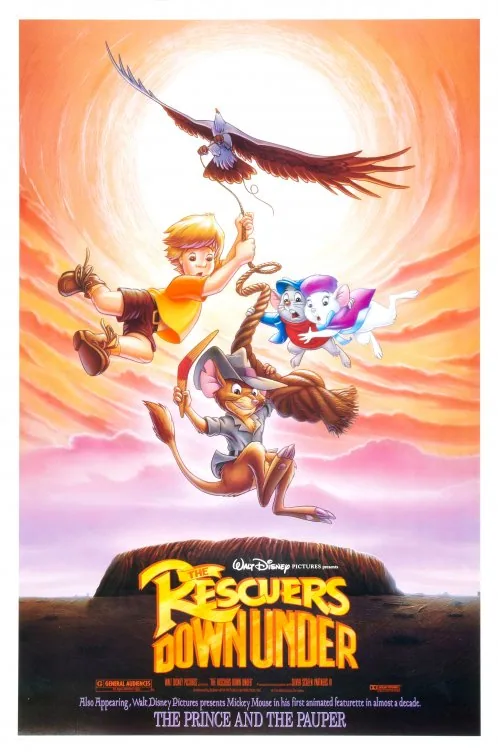
What changes Spirit: Stallion of the Cimarron: journey-like and lyrical. The Rescuers Down Under: fast-paced and quest-driven.
When a poacher captures young Cody after the boy tries to protect a rare golden eagle, the Rescue Aid Society sends Bernard and Bianca from New York to the Australian Outback. Their albatross pilot, Wilbur, gets them there, but they must work with local allies and evade Percival McLeach, who wants the eagle for its value. Cody's knowledge of the landscape helps him resist captivity, while the mice rely on ingenuity and the region's animals to reach him. Bernard's hopes of proposing to Bianca are repeatedly delayed by the rescue, adding a small personal thread to the larger mission. The sequel broadens its predecessor's city setting into a wilderness adventure while keeping its focus on cooperation across a difference in scale.
Based on recorded story, mood and style. Your preferences can change the order.
Coming of age
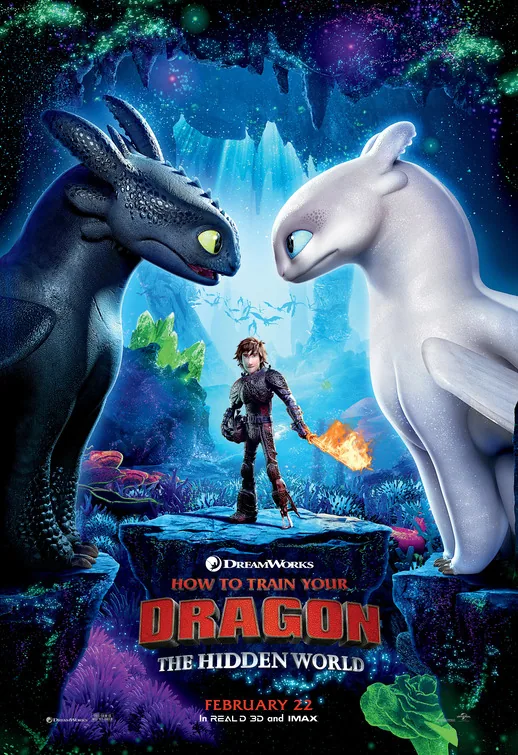
What changes Spirit: Stallion of the Cimarron: journey-like and lyrical. How to Train Your Dragon: The Hidden World: steady and escalating.
A young chief's successful dragon rescue has made his island a crowded target, and an expert hunter exploits his closest companion's new attraction to lure them into danger. Searching for a safer home forces the chief to consider whether coexistence must mean permanent proximity. The dragon's need for independent movement parallels the human community's need for a future beyond one heroic partnership. The trilogy's farewell turns protection into a willingness to relinquish control, even when separation changes the identity through which both friends have understood themselves.
Based on recorded story, mood and style. Your preferences can change the order.
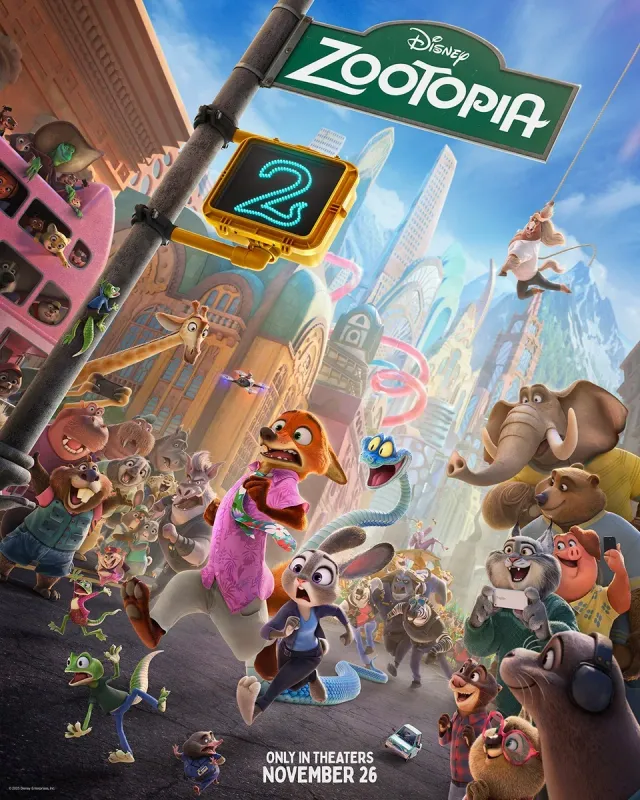
What changes Spirit: Stallion of the Cimarron: journey-like and lyrical. Zootopia 2: case-driven escalation.
Rookie police partners Judy Hopps and Nick Wilde investigate a major mystery after Gary De’Snake arrives in Zootopia and disrupts the animal metropolis. Their search takes them undercover into unfamiliar parts of the city, testing the trust and working rhythm they built during their first case. The sequel returns to the setting’s animal communities while adding new characters and neighborhoods to the investigation. Its buddy-cop structure keeps the mystery moving, while the central relationship gives the case a personal stake. The case also exposes a long-hidden history tied to the city’s exclusion of reptiles, extending the prejudice theme from individual encounters to the institutions that shaped the metropolis. This retains the spoiler-light premise while distinguishing the sequel’s central mystery from the first film's case.
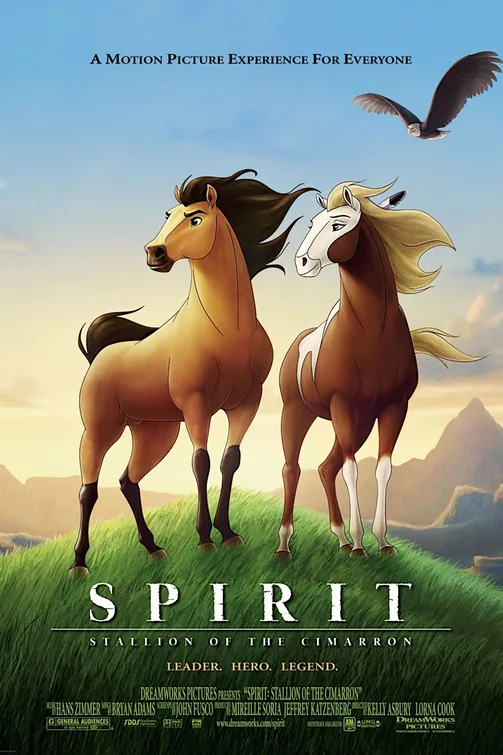
Wild mustang Spirit is captured by the U.S. cavalry and taken to a fort, where its commander tries to break him. Spirit resists, then escapes with Lakota captive Little Creek, who hopes patience and kindness can tame the horse. Spirit bonds with Little Creek’s mare Rain but refuses domestication, while the Colonel continues to pursue him. The journey is told largely through Spirit’s perspective and physical behavior, turning the conflict into a story about freedom and mutual respect rather than a human rider’s conquest.
What drives the story
The Colonel treats Spirit’s refusal as a challenge to authority, while Little Creek gradually recognizes that affection does not entitle him to own the horse.
The people at its centre
Spirit’s bond with Rain and emerging respect for Little Creek coexist with his determination to return to his herd; connection never erases his need for freedom.
What it feels like
Expressive animation, open landscapes and songs create an adventure largely experienced through the horse’s movements and reactions.
Worth knowing
A fit for family animation about wildness, freedom and non-coercive care; it is not a talking-animal comedy or a conventional human-led western.