Based on recorded story, mood and style. Your preferences can change the order.
What changes Super: comic escalation, erratic and violence-driven. Hancock: brisk and tonal shift.
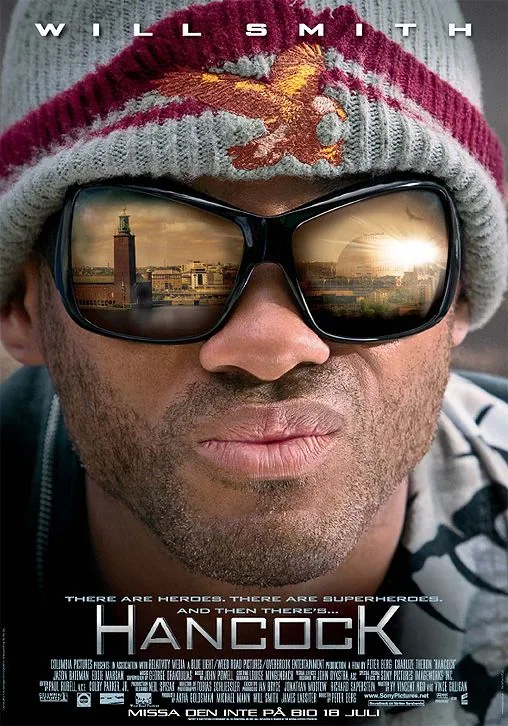
A superpowered man repeatedly saves people while damaging their surroundings and alienating those he helps. A public-relations professional offers to rebuild his reputation by teaching accountability, but intimacy with that man's family reveals a connection to a past the hero cannot remember. The apparent rehabilitation comedy shifts toward a supernatural relationship whose closeness has physical consequences. Protection therefore comes to require more than improved manners or a better costume: he must consider whether remaining near the people he wants is itself a danger.
Based on recorded story, mood and style. Your preferences can change the order.
Criminal underworld
What changes Super: comic escalation, erratic and violence-driven. Kick-Ass: fast and escalating.
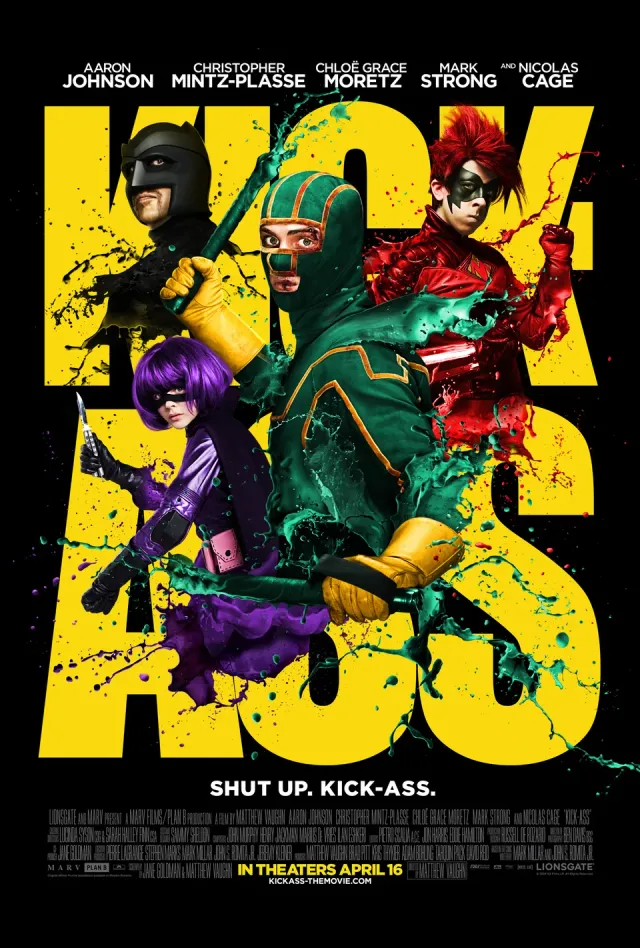
A comic-book enthusiast begins patrolling without the abilities or training of his fictional models. An uploaded act of courage creates a public identity, but other vigilantes' competence and a crime family's revenge draw him into a conflict he did not initiate or understand. An exploited friendship and concealed costumes make recognition dangerous rather than simply rewarding. The action comedy keeps the attraction of heroic visibility alongside the bodily damage behind it, while a child trained to kill exposes the gap between effective violence and adequate care.
Based on recorded story, mood and style. Your preferences can change the order.
Criminal underworld
What changes Super: comic escalation, erratic and violence-driven. Kick-Ass 2: fast and escalating.
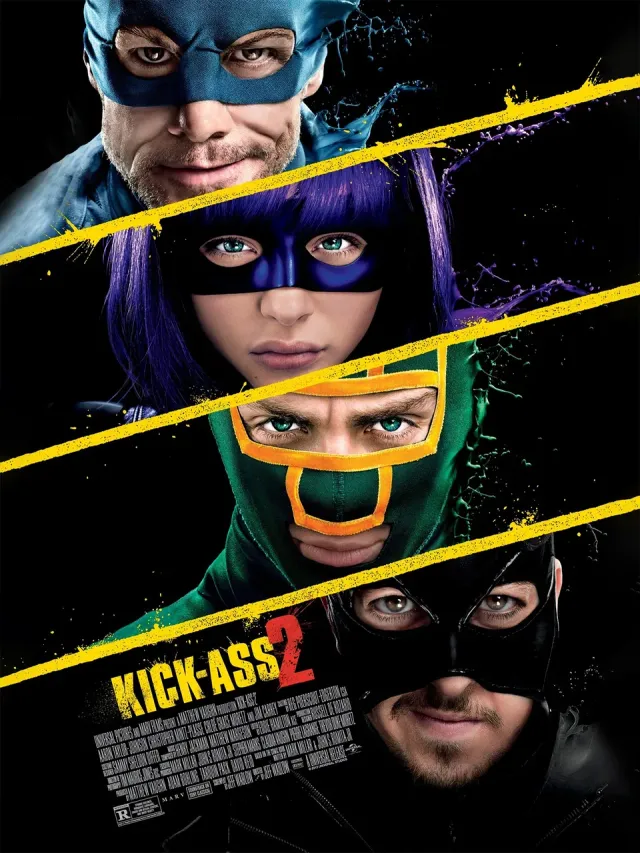
A teenager resumes costumed vigilantism and joins a group whose community work makes the role seem less solitary. Meanwhile, a child trained for violence attempts ordinary school life, and a wealthy rival organizes an exaggerated criminal persona around revenge. Their performances provoke consequences that reach parents and bystanders who did not choose to join the fantasy. The sequel contrasts the desire for an exceptional identity with the difficulty of inhabiting any other one after spectacle and real injury have become linked.
Based on recorded story, mood and style. Your preferences can change the order.
Criminal underworld
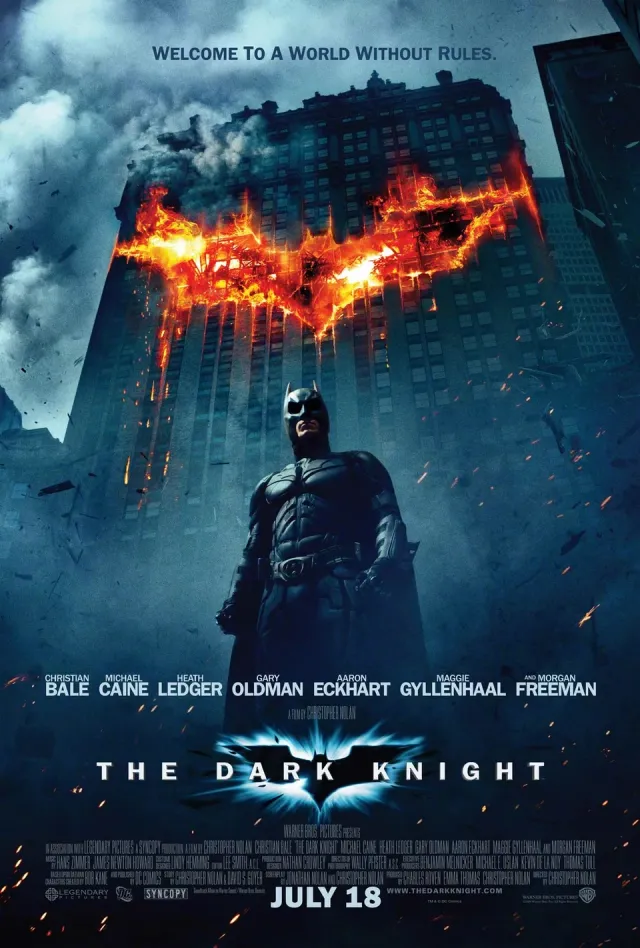
What changes Super: comic escalation, erratic and violence-driven. The Dark Knight: intense.
A vigilante and a police lieutenant support a prosecutor whose public legitimacy appears capable of weakening organised crime without relying on a masked outsider. A theatrical criminal exploits that effort by turning crimes into public tests of loyalty, fear and principle. As the attacks reach relationships beyond the official campaign, the promise of restoring order becomes difficult to separate from surveillance, deception and the costs imposed on particular people.
Based on recorded story, mood and style. Your preferences can change the order.
Criminal underworld
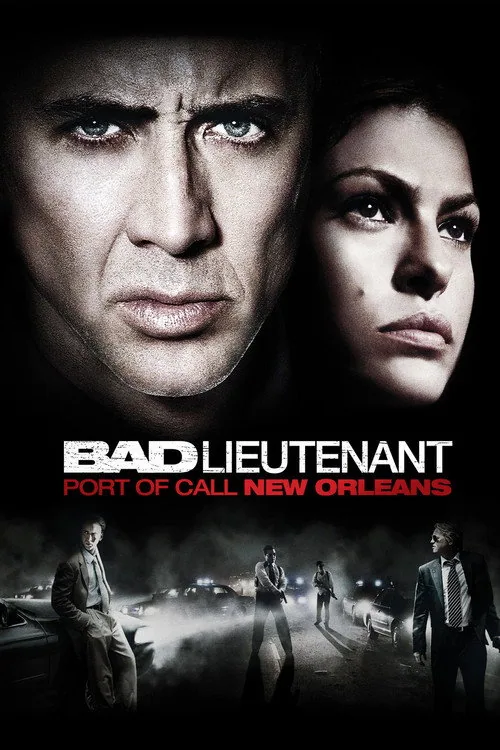
What changes Super: comic escalation, erratic and violence-driven. Bad Lieutenant: Port of Call New Orleans: episodic, unstable tonal shifts and crime-driven.
New Orleans police lieutenant Terence McDonagh receives a medal after rescuing a prisoner during Hurricane Katrina, but a back injury leads to dependence on painkillers and then wider substance abuse. Months later, he is assigned to investigate the murder of five Senegalese immigrants while juggling debts, compromised colleagues, and a volatile relationship. His authority allows him to bend rules and exploit people, yet the case forces choices about evidence and responsibility. Werner Herzog’s blackly comic crime drama follows an erratic officer whose judgment and moral limits keep shifting.
Based on recorded story, mood and style. Your preferences can change the order.
Criminal underworld
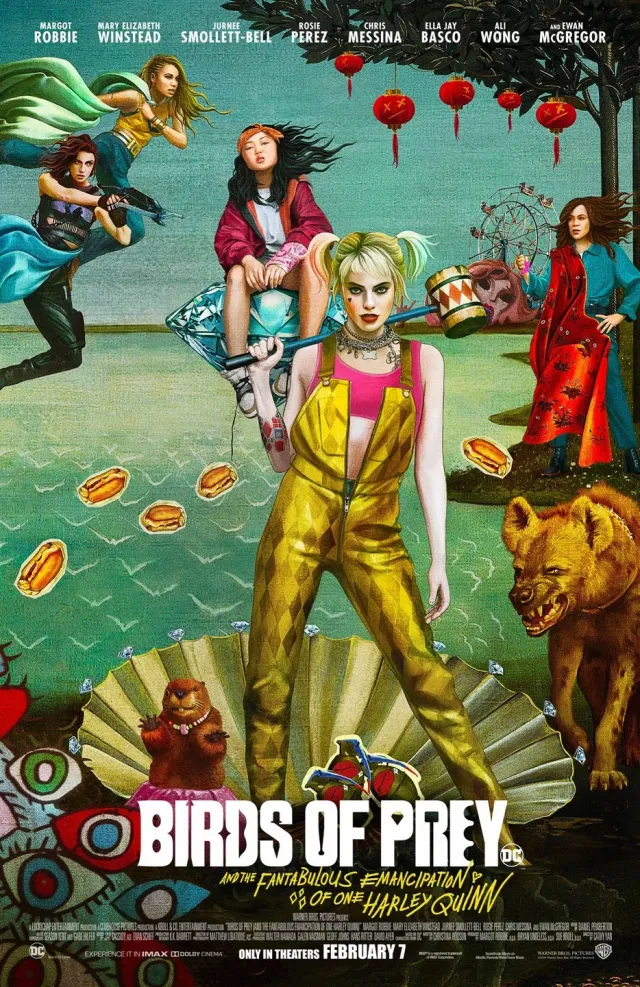
What changes Super: comic escalation, erratic and violence-driven. Birds of Prey and the Fantabulous Emancipation of One Harley Quinn: fast.
After a breakup removes the protection associated with the Joker, Harley Quinn becomes a target for people she has previously harmed. A stolen diamond brings her into a conflict involving a young pickpocket and several women with distinct reasons to oppose a violent crime boss. Cooperation requires moving beyond a familiar protective relationship without simply finding another powerful person whose interests can stand in for her own.
Based on recorded story, mood and style. Your preferences can change the order.
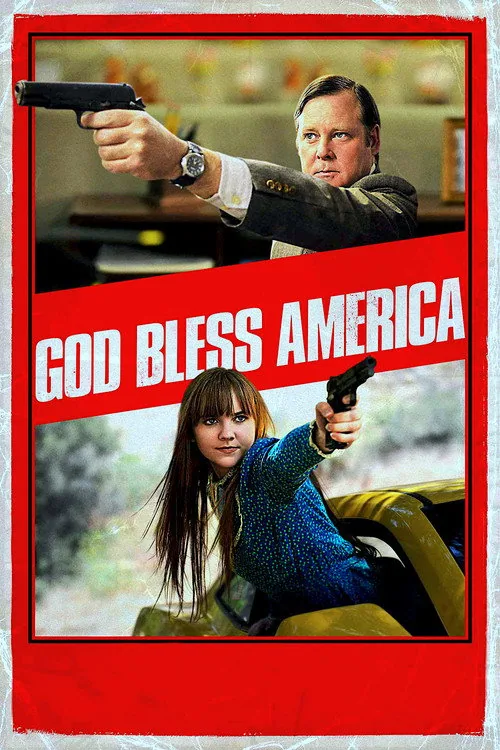
What changes Super: comic escalation, erratic and violence-driven. God Bless America: road-movie episodes, escalating violence and satirical interludes.
Recently divorced and facing a terminal diagnosis, Frank becomes increasingly disgusted with the cruelty and shallowness he sees in television and public life. He meets Roxy, a teenage outsider who shares his anger, and the two embark on a violent road trip targeting people they believe deserve punishment. Bobcat Goldthwait’s black comedy satirizes celebrity culture, consumerism, and public outrage, but depicts a killing spree and invites viewers to consider the dangerous gap between frustration and violence.
Based on recorded story, mood and style. Your preferences can change the order.
Criminal underworld
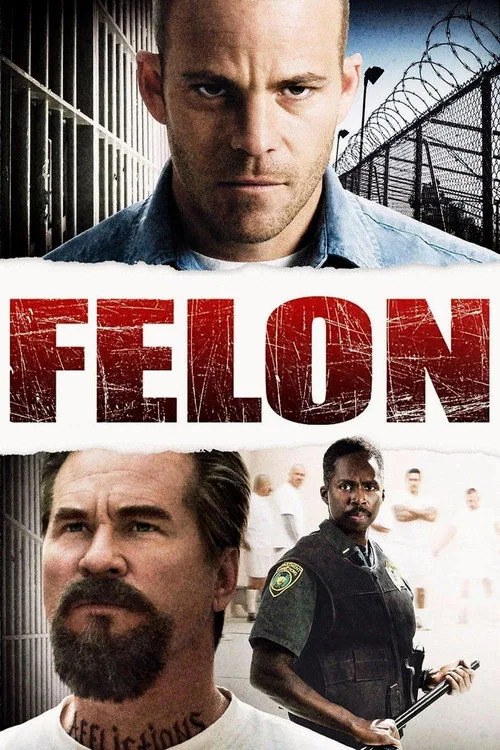
What changes Super: comic escalation, erratic and violence-driven. Felon: escalating, prison-drama arc and character-led.
Wade Porter is a construction worker and family man who is arrested after he kills a burglar who has already left his home. A plea agreement sends him to state prison, where he must navigate violence, prison gangs, and a system that rewards self-protection. His family faces the strain of his incarceration while he adapts to a new social order. Ric Roman Waugh’s prison drama follows how one impulsive act reshapes a household and tests the limits of survival behind bars.
Based on recorded story, mood and style. Your preferences can change the order.
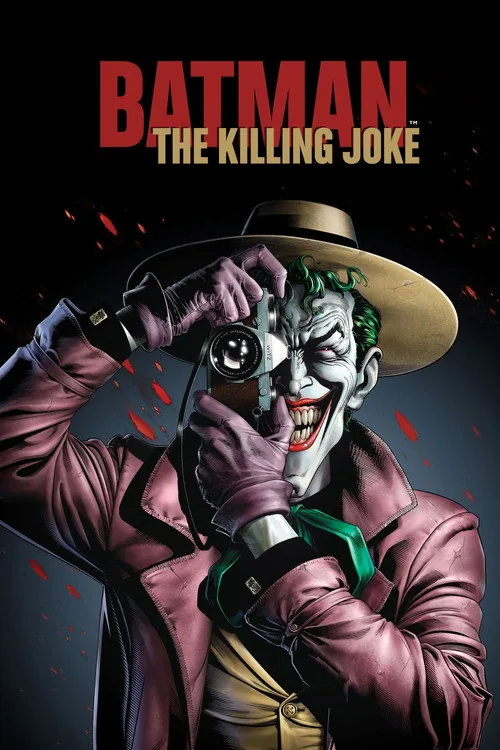
What changes Super: comic escalation, erratic and violence-driven. Batman: The Killing Joke: two-part structure, investigative build and intense final confrontation.
While investigating crimes linked to a powerful gangster, Barbara Gordon finds herself targeted by the Joker and drawn into his attempt to prove that one terrible day can break anyone. Batman pursues the Joker while confronting the limits of his own connection to his oldest enemy. Adapted from the influential graphic novel, the animated film combines a new Batgirl-focused opening with a darker confrontation about trauma, choice, and the boundary between hero and villain. Its adult tone and psychological emphasis set it apart from lighter animated superhero adventures.
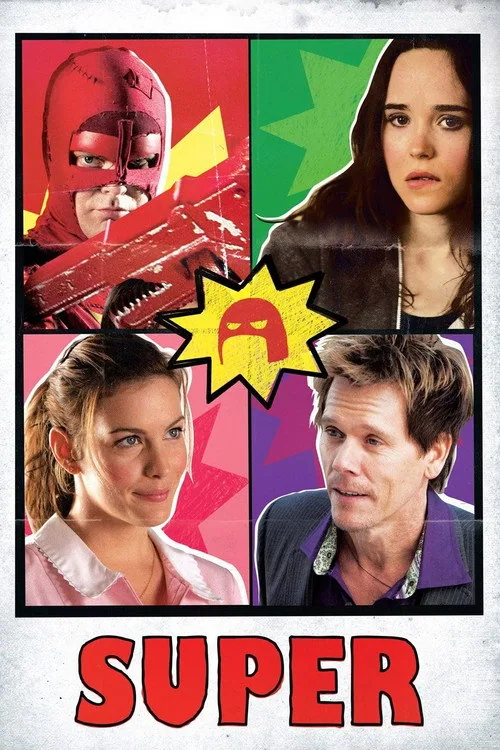
After his wife Sarah returns to drug dealer Jacques, Frank Darbo experiences a religious vision and decides he has been chosen to fight crime. Calling himself the Crimson Bolt, he attacks people he considers immoral, with enthusiastic comic-store clerk Libby joining as his sidekick. Frank’s narrow idea of justice grows increasingly violent and personal as he tries to retrieve Sarah. James Gunn’s dark superhero comedy satirizes vigilante fantasy through an intentionally abrasive story about grief, delusion, and the consequences of taking the law into one’s hands.
What drives the story
Frank’s self-appointed superhero mission begins as grief-driven fantasy and escalates into attacks on people he deems immoral.
The people at its centre
Libby’s eagerness magnifies Frank’s distorted authority, while Sarah’s choices expose the limits of his imagined rescue.
What it feels like
Contains graphic violence, sexual violence, drug addiction, religious delusion, and intentionally shocking humor.
Worth knowing
The film is a transgressive anti-superhero story that questions vigilantism instead of offering uncomplicated hero worship.