Based on recorded story, mood and style. Your preferences can change the order.
Music and performance
What changes Swingers: loose, dialogue-led and gradual emotional shift. Magic Mike XXL: episodic and performance-led.
After leaving the stage, Mike is drawn back into the world of male revue when old friends invite him on a road trip to a final performance. The journey brings the troupe through gatherings where showmanship, confidence and friendship matter as much as the routines. Rather than centering on career ascent, the sequel frames performance as a shared pleasure and a way to reconnect with old companions.
Both share themes of ambition, plus a restless atmosphere.
Why this matches +
Genres: Drama / Comedy
Shared film traits
Based on recorded story, mood and style. Your preferences can change the order.
Music and performance
What changes Swingers: loose, dialogue-led and gradual emotional shift. Magic Mike: character-led and performance-driven.
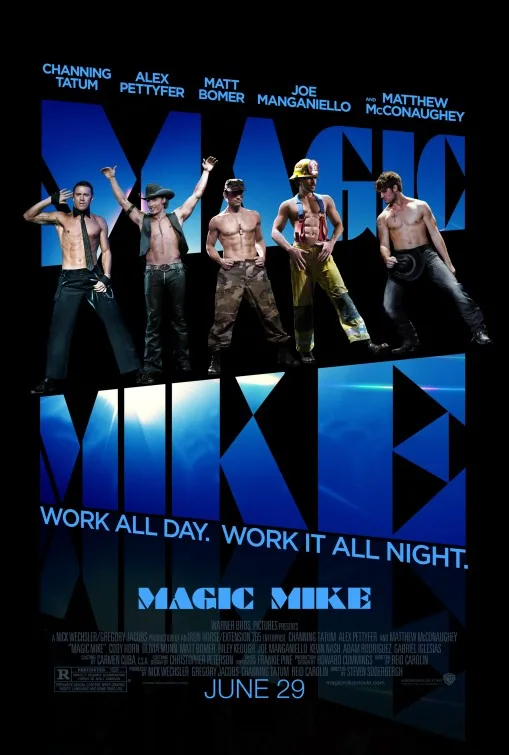
Mike Lane works construction jobs by day and performs as the main attraction at an adult club by night, saving money for a custom furniture business. He takes young Adam under his wing and introduces him to the club's owner Dallas, who promises an exciting route to money and attention. As Adam embraces the scene and Mike grows more uneasy with it, mentorship becomes entangled with business ambition, substance use and the cost of turning performance into a livelihood.
Based on recorded story, mood and style. Your preferences can change the order.
Expect frank and exasperated, with loose and conversational pacing.
Married couple Pete and Debbie approach their fortieth birthdays while trying to manage businesses, parenting, money worries and their own resentment. Their daughters’ needs and the pressures on Pete’s record label keep intruding on attempts to improve their marriage, turning small irritations into extended arguments. The comedy watches middle age as a daily negotiation, with affection and frustration often sharing the same conversation.
Both share themes of friendship, plus an affectionate atmosphere.
Why this matches +
Genres: Romance / Comedy
Shared film traits
Based on recorded story, mood and style. Your preferences can change the order.
Music and performance
What changes Swingers: loose, dialogue-led and gradual emotional shift. Brown Sugar: conversational and episodic.
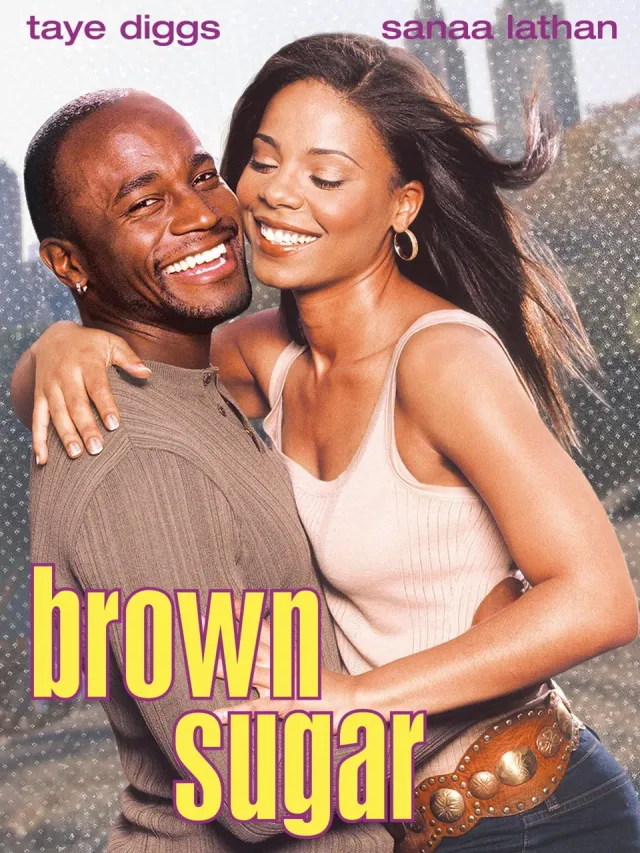
Two lifelong friends connected by their love of hip-hop begin to reconsider their relationship as careers and other romances shift. Their shared musical history keeps drawing them together even when timing and professional ambition pull them apart. The romance treats music as an archive of intimacy, linking personal memory with a culture the characters helped build. Songs, city settings and easy banter create a warm romantic-comedy atmosphere rooted in creative work.
Both share themes of ambition and friendship, plus a restless atmosphere.
Why this matches +
Genres: Drama / Romance
Shared film traits
Based on recorded story, mood and style. Your preferences can change the order.
What changes Swingers: loose, dialogue-led and gradual emotional shift. Cocktail: brisk and episodic.
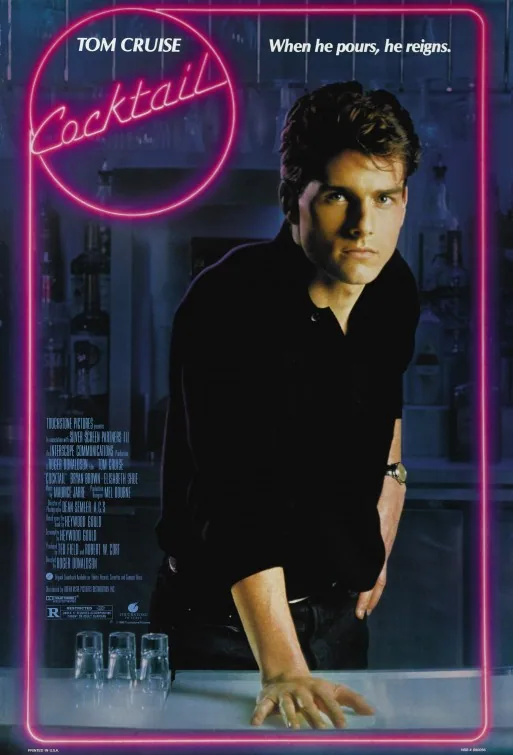
After returning from military service, ambitious Brian Flanagan hopes to find quick success in New York but begins as a bartender. Under the tutelage of experienced Doug Coughlin, he learns the performance and business of the bar trade, becoming a recognizable figure in the club scene before a move to Jamaica changes the stakes. His romance with artist Jordan and Doug's influence test the difference between the image Brian wants to project and the life he can sustain.
Based on recorded story, mood and style. Your preferences can change the order.
Coming of age
What changes Swingers: loose, dialogue-led and gradual emotional shift. The Wood: present-day urgency framed by flashbacks.
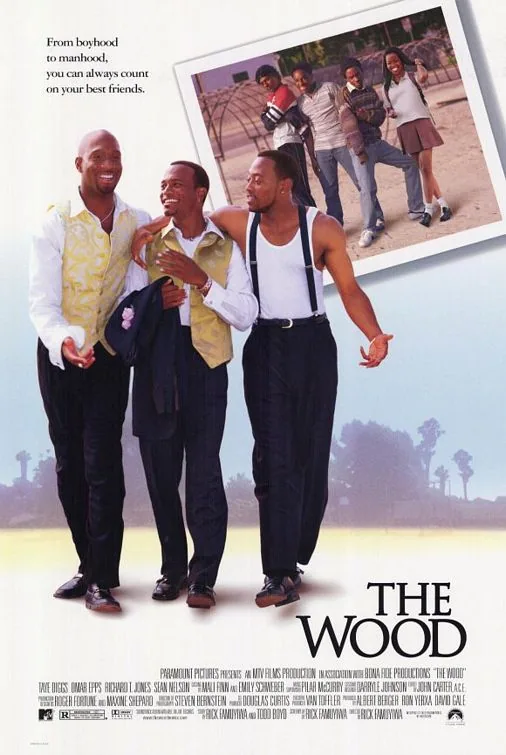
On the day of his wedding, Roland disappears, sending Mike and Slim through Inglewood to find him. Their search prompts Mike to remember how the three friends met, navigated adolescence and formed a lasting bond in the neighborhood they call the Wood. The film moves between the wedding-day present and formative memories, linking friendship, first love and the awkward work of growing up.
Both share themes of friendship, plus a restless atmosphere.
Why this matches +
Genres: Comedy / Drama
Shared film traits
Based on recorded story, mood and style. Your preferences can change the order.
Coming of age
What changes Swingers: loose, dialogue-led and gradual emotional shift. The Kings of Summer: episodic, summer interlude and character-led.
Frustrated by his father’s attempts to manage his life, teenager Joe Toy runs away with his friend Patrick and an eccentric boy named Biaggio. The trio build a makeshift house in the woods and attempt to live independently through the summer. Their self-sufficiency is tested by practical problems, friendship tensions, and growing feelings for a girl from town. Jordan Vogt-Roberts’s coming-of-age comedy observes the appeal and limits of escape from family as boys try to define adulthood for themselves.
Based on recorded story, mood and style. Your preferences can change the order.
Music and performance
What changes Swingers: loose, dialogue-led and gradual emotional shift. Magic Mike's Last Dance: rehearsal and performance sequences build toward an elaborate stage show.
After his furniture business fails, Mike Lane works as a bartender and unexpectedly reconnects with wealthy socialite Maxandra Mendoza. She invites him to London to stage a dance production, where creative ambition and a complicated personal connection begin to overlap. The final chapter shifts from the touring-stripper ensemble toward performance-making, exploring how choreography can offer agency and pleasure while asking what Mike wants after years of defining himself through work.
Based on recorded story, mood and style. Your preferences can change the order.
Coming of age · Music and performance
What changes Swingers: loose, dialogue-led and gradual emotional shift. Take Me Home Tonight: single-night party structure, comic misadventures and romantic resolution.
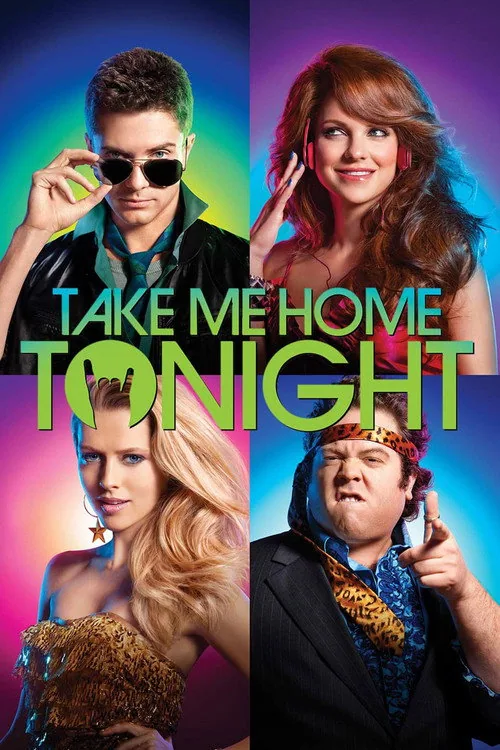
After graduating from college without direction, Matt Franklin takes a temporary job at a video store and avoids telling his parents he has no clear career plan. At a high-school reunion party, he reconnects with his former crush Tori and tries to present himself as more successful than he feels. Matt's twin sister Wendy and best friend Barry add their own romantic and reckless detours to the night. Set in the late 1980s, the comedy follows one party as a threshold between adolescence and adulthood.
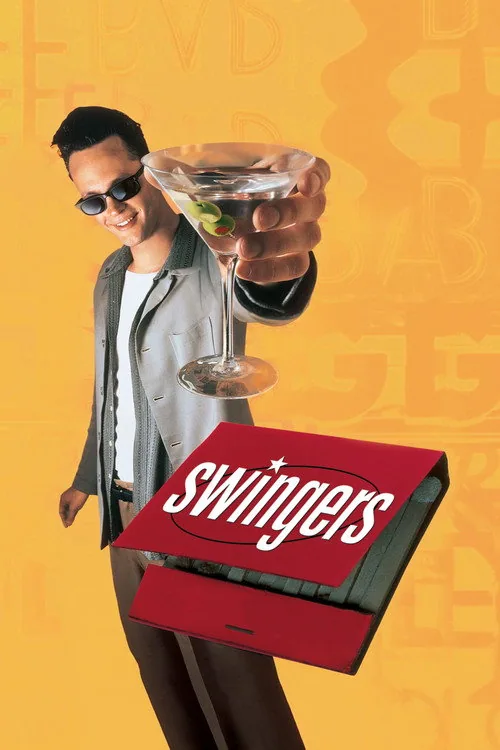
Mike Peters is a struggling performer newly settled in Los Angeles and still hurt by the end of a long relationship. His friend Trent urges him back into nightlife, introducing him to clubs, parties, and a circle of aspiring actors. Mike’s attempts to socialize are repeatedly undermined by his fixation on his ex, until a new connection forces him to reconsider how he handles rejection. Doug Liman’s independent comedy observes friendship and dating through conversational scenes shaped by the mid-1990s swing revival.
What drives the story
Mike’s attempts to move on from a breakup structure a loose sequence of nights with his actor friends.
The people at its centre
Trent’s confidence contrasts with Mike’s vulnerability, while their friendship provides both comic pressure and support.
What it feels like
Contains sexual references, adult nightlife, profanity, and discussions of dating and romantic rejection.
Worth knowing
The film focuses on post-breakup friendship and the rhythms of aspiring actors rather than a conventional plot-heavy romance.
HeartbreakFriendshipAmbition
Mood
Conversational · Restless · Affectionate
Pacing
Loose · Dialogue-led · Gradual emotional shift
Visual style
Handheld independent-film texture · Nightclub warmth · Los Angeles street scenes
Storytelling
Post-breakup adjustment · Friend-group nightlife · Performers seeking work