Based on recorded story, mood and style. Your preferences can change the order.
What changes The American Friend: measured, fragmented and suspense building. A Talent for Murder: dialogue-led, measured and escalating.
A young literary agent travels from New York to Switzerland with a request for the celebrated crime writer Patricia Highsmith: write one final Ripley story. The meeting sets up a tense exchange between an ambitious professional and a formidable author, with the literary assignment becoming a contest of persuasion and control. Anton Corbijn adapts Joanna Murray-Smith’s play as a contained thriller about authorship, power, and manipulation.
Based on recorded story, mood and style. Your preferences can change the order.
Criminal underworld
What changes The American Friend: measured, fragmented and suspense building. The Usual Suspects: slow burn.
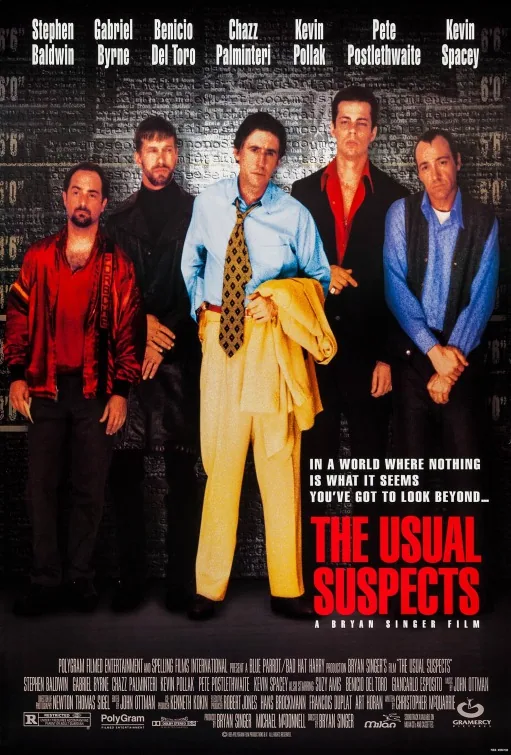
A wounded survivor recounts how a group of criminals met through a police lineup and became involved in jobs linked to a seemingly untouchable underworld figure. An investigator tries to turn that testimony into a coherent explanation for a deadly harbour incident. The account's persuasive details create a sense of structure while the conditions under which it is being told make certainty about motives and events increasingly precarious.
Both share themes of crime, plus an anxious atmosphere.
Why this matches +
Genres: Crime / Thriller
Shared film traits
Based on recorded story, mood and style. Your preferences can change the order.
Memory and identity · Criminal underworld
What changes The American Friend: measured, fragmented and suspense building. Caught Stealing: a mistaken entanglement becomes a citywide criminal chase.
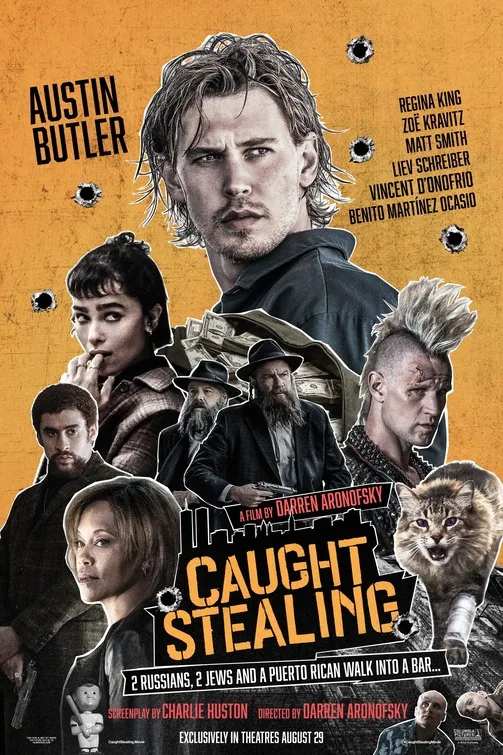
Hank Thompson, a former baseball prospect working as a bartender in 1990s New York, agrees to watch a neighbor’s cat and is pulled into a violent criminal dispute. Gangsters begin pursuing him for reasons he does not understand, and his attempt to discover the truth revives memories of a crash that ended his athletic career. The crime thriller combines a reluctant-survivor chase with a character study of failure and self-destructive escape.
Based on recorded story, mood and style. Your preferences can change the order.
Criminal underworld
What changes The American Friend is tagged cool and anxious; Inherent Vice is tagged hazy and wry.
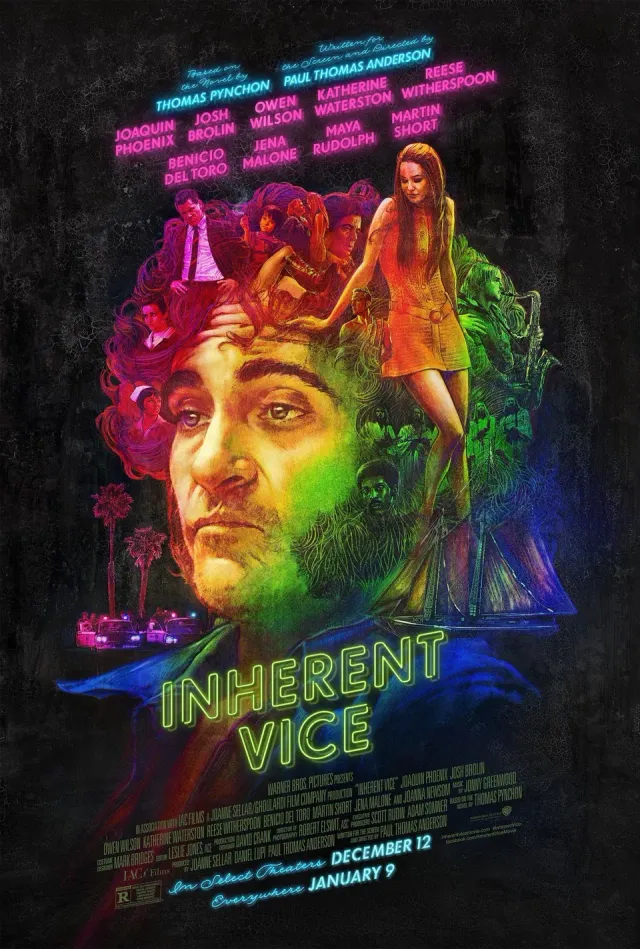
Los Angeles private investigator Doc Sportello’s former lover Shasta asks him to protect real-estate developer Mickey Wolfmann from a plan to confine him, pulling Doc into overlapping disappearances, police pressure and a web of drug and property interests. His attachment to Shasta keeps the investigation personal even as each clue makes a stable explanation harder to hold. Bigfoot’s presence offers both antagonism and an uneasy form of companionship, while the city’s changing institutions suggest a counterculture being absorbed or displaced. The film adapts Thomas Pynchon through digressions and tonal drift; its incomplete map is part of the experience, not a mystery whose final answer neatly solves the system.
Based on recorded story, mood and style. Your preferences can change the order.
Criminal underworld
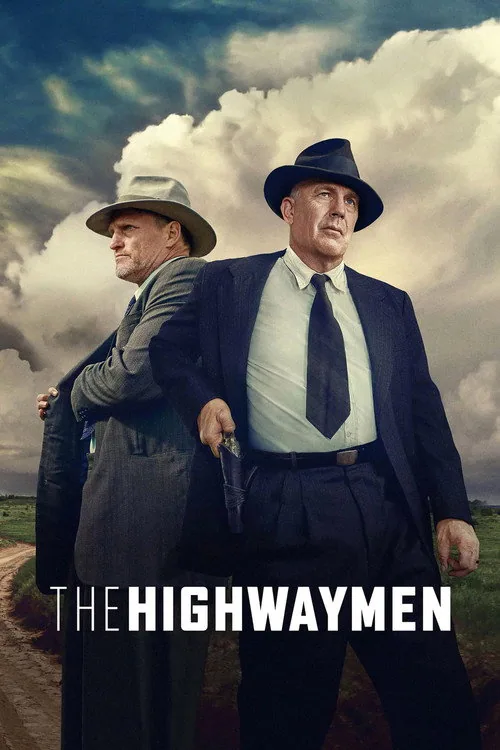
What changes The American Friend: measured, fragmented and suspense building. The Highwaymen: two former rangers follow an elusive pair whose celebrity complicates the search..
Retired Texas Ranger Frank Hamer is asked to return to duty as Bonnie Parker and Clyde Barrow’s robberies and killings dominate the news. He recruits his former partner Maney Gault, and the two men follow the criminals’ trail across several states while facing poor information, public fascination, and pressure from officials. John Lee Hancock’s period crime drama centers the lawmen’s patient pursuit rather than glamorizing the outlaw couple, treating the manhunt as a dusty, sometimes thankless piece of police work.
Based on recorded story, mood and style. Your preferences can change the order.
Criminal underworld
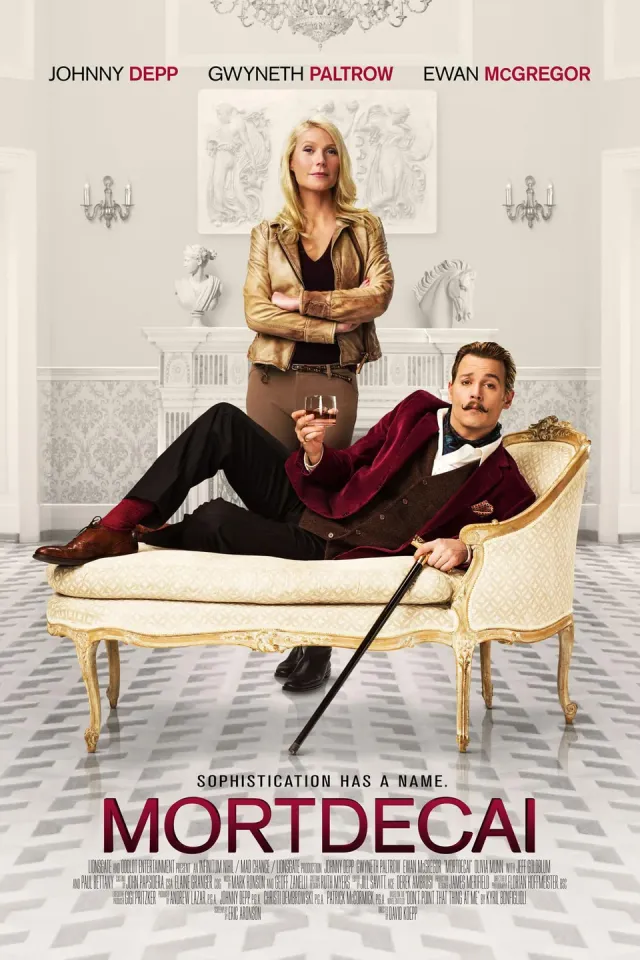
What changes The American Friend: measured, fragmented and suspense building. Mortdecai: caper-driven and fast.
Art dealer Charlie Mortdecai is an aristocratic swindler who becomes involved in a search for a stolen painting tied to a dangerous secret. He moves between his wife, his loyal manservant and a series of criminals and officials while trying to avoid the consequences of his own schemes. David Koepp plays the mystery as a farcical caper, relying on eccentric performance, wordplay and deliberately silly reversals rather than realistic investigation.
Based on recorded story, mood and style. Your preferences can change the order.
Criminal underworld
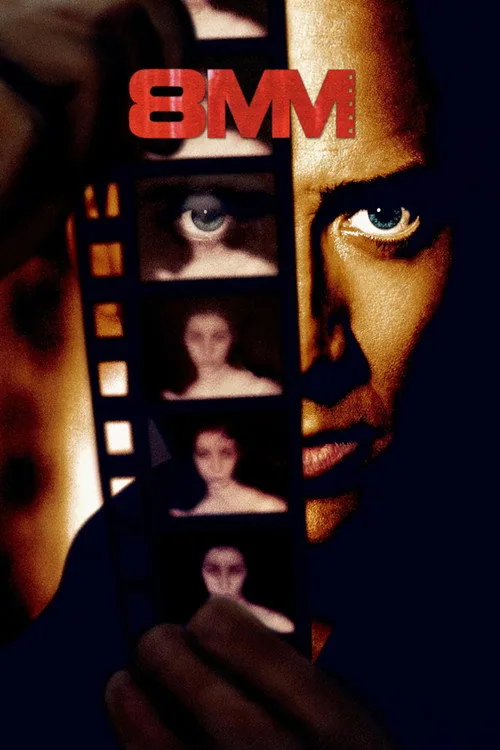
What changes The American Friend: measured, fragmented and suspense building. 8mm: clue-driven investigation becomes a personal pursuit.
Private investigator Tom Welles is hired to determine whether an 8mm reel found in a wealthy man’s safe shows the real murder of a young woman. His search takes him from the family who wants an answer to the underground pornography world of Los Angeles and New York, where he teams with clerk Max California. The investigation exposes deliberate cruelty and pushes Welles toward a moral breaking point; the thriller is notably grim and disturbing in its subject matter.
Based on recorded story, mood and style. Your preferences can change the order.
Criminal underworld
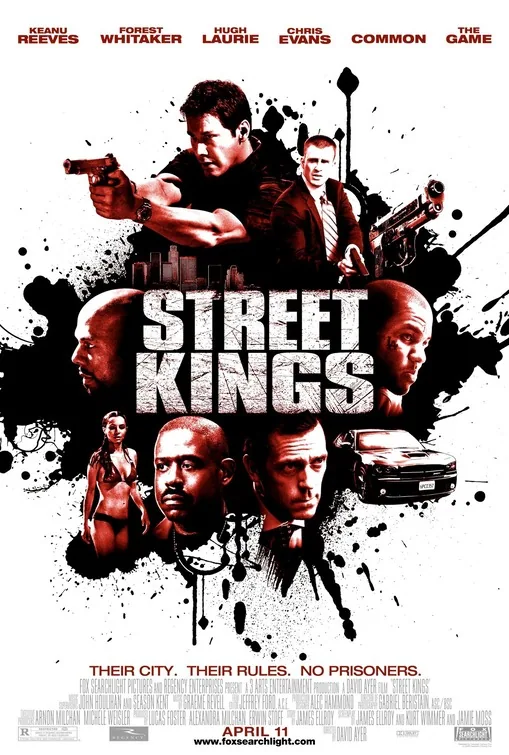
What changes The American Friend: measured, fragmented and suspense building. Street Kings: escalating and confrontational.
Los Angeles detective Tom Ludlow works within a violent police unit and becomes entangled in an investigation after his former partner is murdered. As colleagues offer competing explanations, he must question the loyalty and authority of the group he depends on. The crime drama follows his pursuit of evidence through a city where the distinction between policing and personal vengeance grows increasingly difficult to maintain.
Based on recorded story, mood and style. Your preferences can change the order.
Criminal underworld
Expect spare and watchful, with measured and atmospheric pacing.
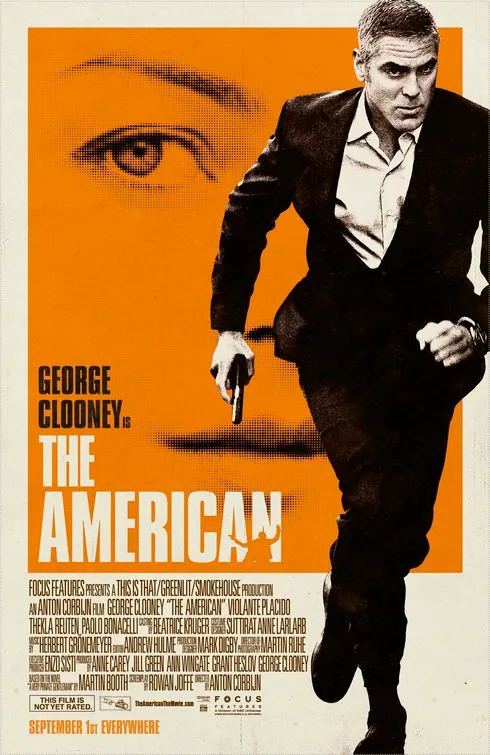
After an attack in Sweden, assassin and craftsman Jack returns to Italy and is ordered to prepare a specialized weapon for a client. While keeping a low profile in a small town, he forms a cautious relationship with Clara and becomes aware that someone may be watching him. Anton Corbijn's thriller favors routine, silence, and measured observation over elaborate action, making the work of hiding feel like an unstable daily practice.
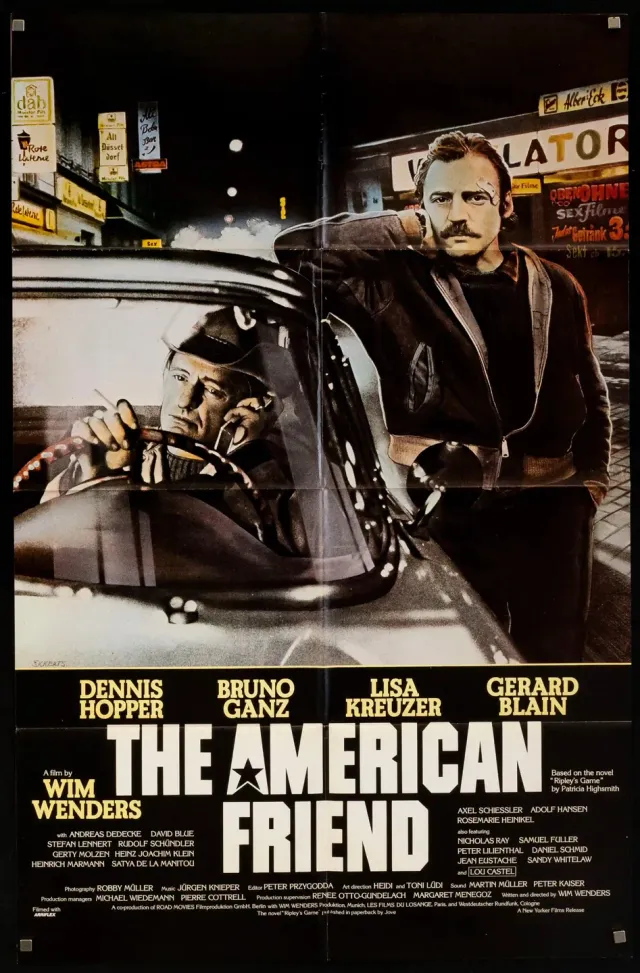
In Hamburg, art dealer Tom Ripley is involved in a scheme passing newly made paintings off as lost works. He meets picture framer Jonathan Zimmermann, who is living with leukemia and treats Ripley with suspicion. A French criminal asks Ripley to arrange a killing; Ripley points him toward Zimmermann, whose concern for his family makes the offered money hard to dismiss. The plan draws the two men into assignments and danger, blurring the line between manipulation and an uneasy friendship.
What drives the story
Ripley exploits a dying picture framer's fear for his family to recruit him into a criminal killing scheme.
The people at its centre
Ripley alternates between provocation and assistance, while Zimmermann's resistance gives way to a fragile, compromised bond.
What it feels like
The crime plot mixes urban stylization and introspection, giving sudden violence a disorienting quality.
Worth knowing
Its crime plot is filtered through a wary shifting relationship; it is less procedural than a study of an unstable alliance.
IdentityMortalityFriendship
Mood
Cool · Anxious · Melancholic
Pacing
Measured · Fragmented · Suspense building
Visual style
Neon-lit urban spaces · Expressive color · European locations
Storytelling
Art forgery · Hitman scheme · Moral compromise · Unlikely alliance