Based on recorded story, mood and style. Your preferences can change the order.
What changes The Ballad of Buster Scruggs: distinct episodic chapters. Intolerable Cruelty: brisk and reversal-driven.
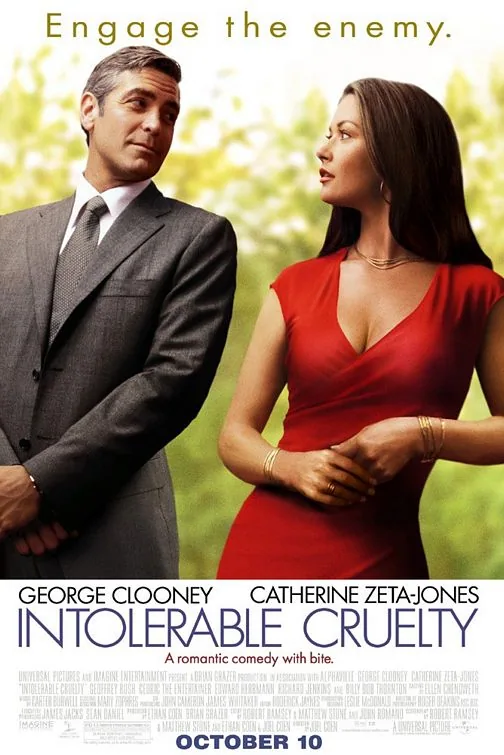
A successful divorce attorney and a resourceful client begin as opponents in a battle over wealth and marriage, then find themselves drawn into a relationship neither fully trusts. Their professional instincts keep turning affection into strategy. The Coen brothers’ romantic comedy uses legal maneuvering, social performance and repeated reversals to ask whether two skilled manipulators can recognize a sincere choice.
Based on recorded story, mood and style. Your preferences can change the order.
Criminal underworld
What changes The Ballad of Buster Scruggs: distinct episodic chapters. The Long Riders: measured and confrontation-driven.
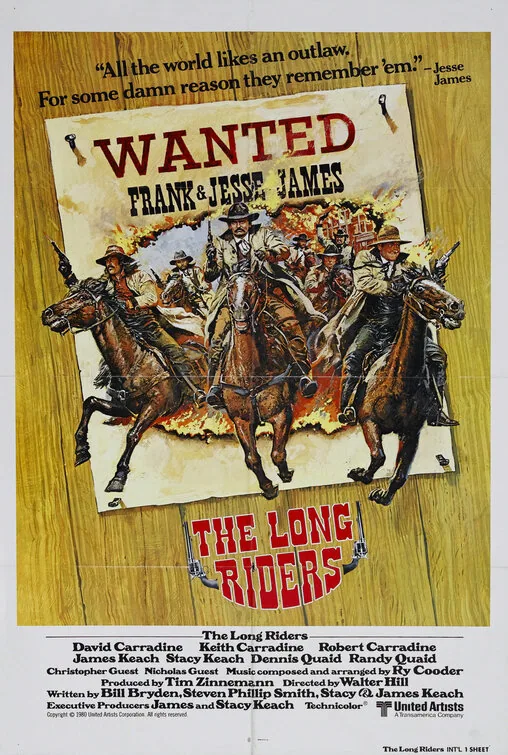
The James-Younger gang's robberies and escapes are retold through a cast that includes real-life actor brothers playing historical outlaw brothers. The film emphasizes the group's family bonds, the violence of the frontier and the law's growing pressure, rather than treating the gang as uncomplicated folk heroes. Its deliberate western style makes the consequences of criminal life as visible as the attraction of rebellion.
Based on recorded story, mood and style. Your preferences can change the order.
Criminal underworld
What changes The Ballad of Buster Scruggs: distinct episodic chapters. The Harder They Fall: ensemble western, confrontation-driven and action set pieces.
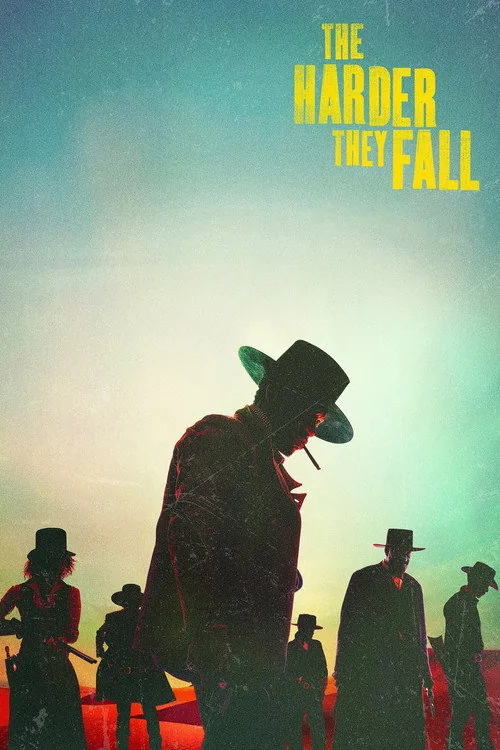
When outlaw Rufus Buck is released from prison, Nat Love gathers a group of allies to confront the man who murdered his parents. Their hunt draws in two rival gangs and the people connected to them, including saloon owner Stagecoach Mary and Buck’s lieutenant Trudy Smith. Jeymes Samuel’s stylized Western gives Black frontier figures the center of a revenge saga, mixing historical names with fictional events, sharp humor, gunfights, and an anachronistic soundtrack.
Based on recorded story, mood and style. Your preferences can change the order.
Criminal underworld
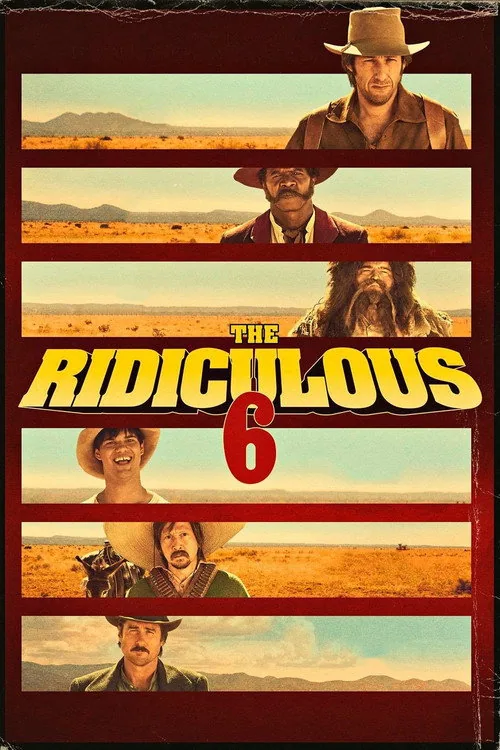
What changes The Ballad of Buster Scruggs: distinct episodic chapters. The Ridiculous 6: episodic western comedy, ensemble introductions and bandit action finale.
Tommy Stockburn, raised by an Indigenous community and known as White Knife, learns that a dying bank robber is his biological father. His search for the man's buried fortune brings together five half-brothers from different backgrounds, each with an unusual skill and his own grievance. The men travel through a comic version of the Old West while rival outlaws pursue the same money. The ensemble Western uses parody and broad caricature to turn an inherited family connection into a road quest.
Based on recorded story, mood and style. Your preferences can change the order.
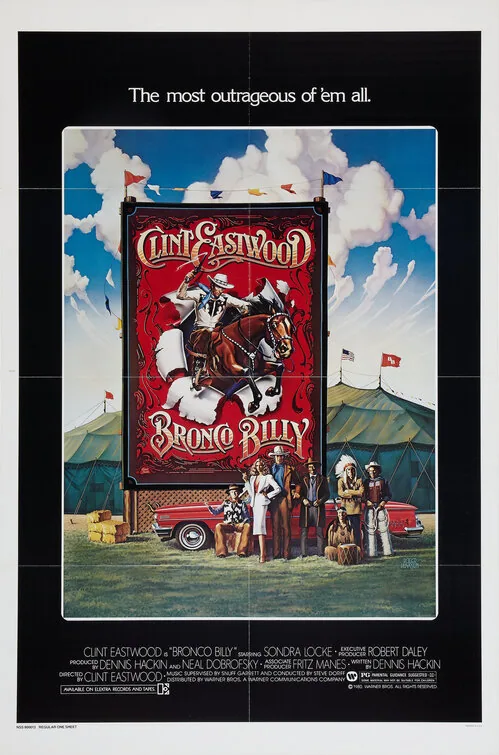
What changes The Ballad of Buster Scruggs: distinct episodic chapters. Bronco Billy: unhurried and character-led.
Bronco Billy leads a small traveling Wild West show that survives through its members' loyalty and his faith in the act. When heiress Antoinette joins the troupe after a personal setback, her modern expectations collide with the show's improvised life on the road. The film follows two people with different ideas of freedom as performance and shared hardship gradually make the troupe feel like a family.
Based on recorded story, mood and style. Your preferences can change the order.
Criminal underworld
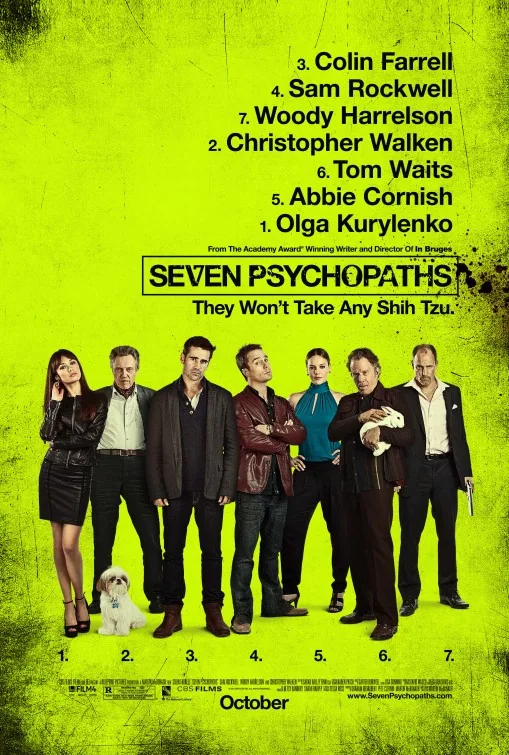
What changes The Ballad of Buster Scruggs: distinct episodic chapters. Seven Psychopaths: a self-aware crime caper branches into stories within stories.
A struggling screenwriter hopes to finish a screenplay called Seven Psychopaths, but his friends’ dog-kidnapping scheme draws a violent gangster into their lives. Real events and imagined stories begin to blur as Marty tries to decide what kind of violence belongs in his script. The dark comedy turns crime plotting into a commentary on creative choices, friendship, and the stories filmmakers tell about brutality.
Based on recorded story, mood and style. Your preferences can change the order.
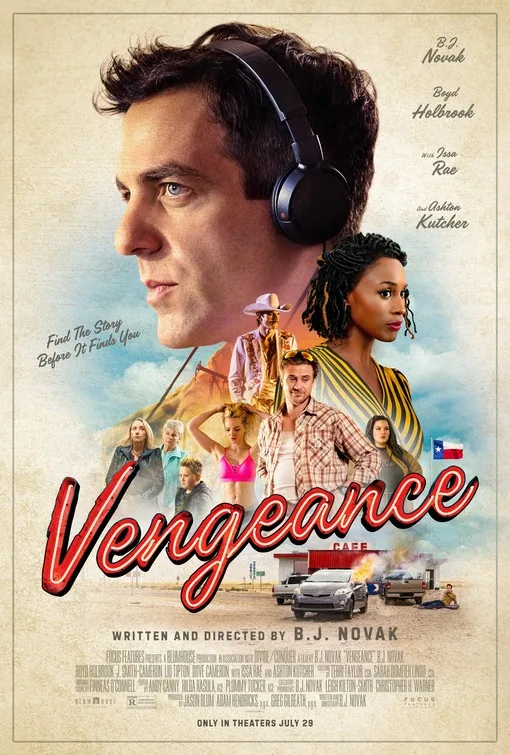
What changes The Ballad of Buster Scruggs: distinct episodic chapters. Vengeance: a podcast investigation evolves into a moral and comic reckoning.
New York podcaster Ben travels to West Texas after learning that a casual romantic acquaintance has died. Her brother believes she was murdered and asks Ben to help investigate and seek revenge. Ben’s attempt to shape the story for an audience collides with the family’s grief and the limits of what he knows. The black comedy examines media extraction, regional stereotypes, and the difference between a compelling narrative and a just response.
Based on recorded story, mood and style. Your preferences can change the order.
What changes The Ballad of Buster Scruggs: distinct episodic chapters. Wild Tales: six-part anthology and variable pace.
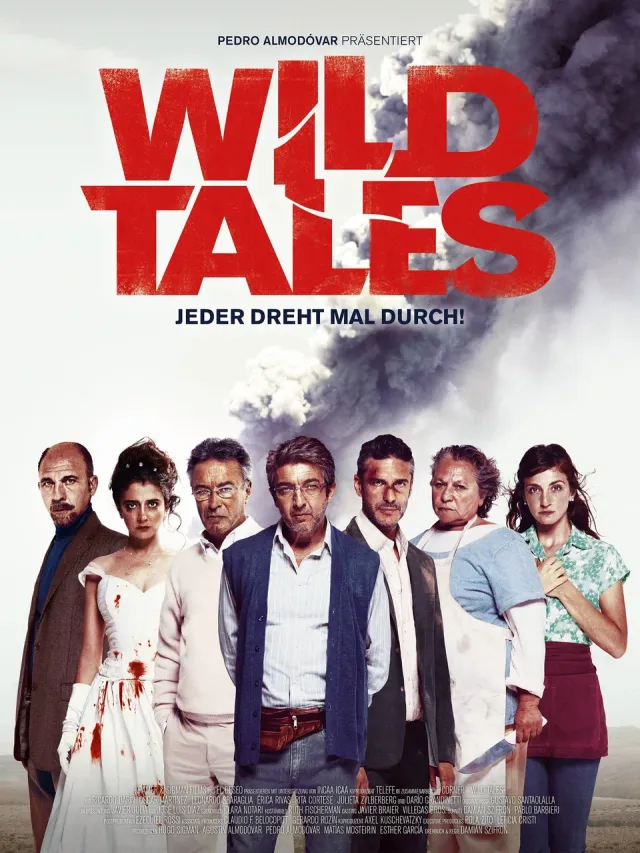
This Argentine anthology comprises six separate stories in which ordinary people reach a breaking point after encountering an insult, injustice or betrayal. Passengers discover an unexpected shared grievance on a flight; a diner, a highway, a government office, a wealthy family and a wedding each become settings for a different escalation. The stories do not build toward one shared protagonist or a single resolution. Instead, their arrangement invites comparison between forms of rage, revenge and social power. The film’s comedy is often dark and its violence can be abrupt. Because segments reset the cast and premise, viewers compare how far each grievance is taken. The wedding finale turns private betrayal into a crowd's uncontrolled spectacle.
Based on recorded story, mood and style. Your preferences can change the order.
Criminal underworld
What changes The Ballad of Buster Scruggs: distinct episodic chapters. The Sisters Brothers: road-western progression, episodic encounters and violence punctuated by reflection.
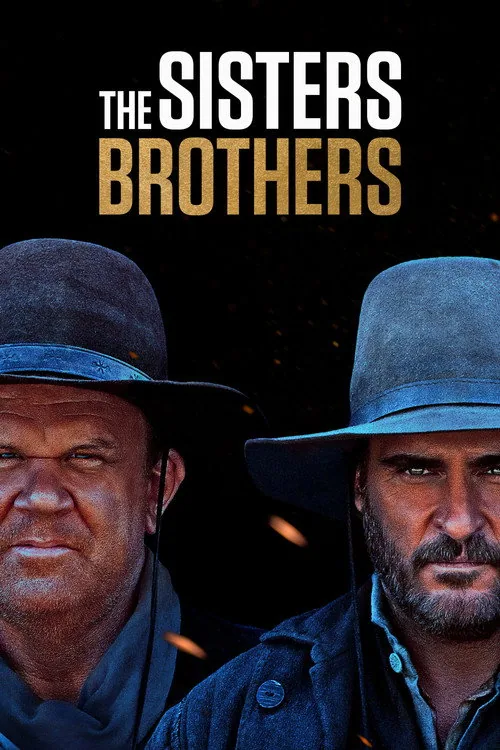
During the California Gold Rush, hired assassins Eli and Charlie Sisters ride west to find Hermann Kermit Warm, a chemist being pursued by their scout John Morris. Charlie treats killing as a natural occupation, while Eli begins to imagine a different life. Their journey across the frontier tests their bond and brings them into contact with Warm’s plan to use a chemical formula to locate gold. Jacques Audiard’s Western blends violence, brotherly comedy, and reflection on what the brothers might become after a lifetime of work as gunmen.
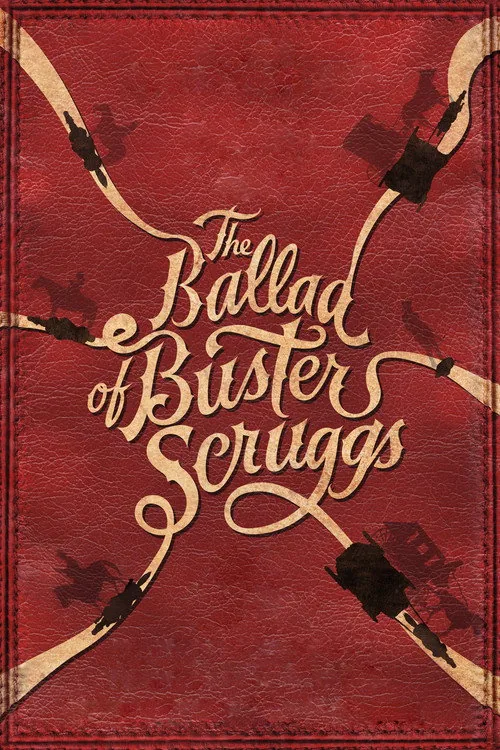
The Coen brothers’ Western anthology moves through six separate stories about performers, prospectors, travelers, outlaws, and strangers crossing a harsh frontier. A jaunty singing gunfighter opens the collection, but the later episodes shift between comedy, hardship, sudden violence, and quiet uncertainty. Rather than build one continuous plot, the film uses changing characters and situations to explore how people bargain with danger, fate, and their own limited prospects.
What drives the story
Each episode gives a new traveler or performer a brief encounter with the frontier’s risks and arbitrary turns.
The people at its centre
The characters are not one ensemble; each story tests a different way of facing violence, luck, or mortality.
What it feels like
The viewing rhythm shifts sharply from musical comedy to grim observation, rewarding openness to tonal change.
Worth knowing
It is an anthology of self-contained Western tales, not a continuous journey following Buster Scruggs alone.
FateDeathPerformance
Mood
Wry · Unpredictable · Bittersweet
Pacing
Distinct episodic chapters
Visual style
Painterly frontier vistas · Theatrical framing
Storytelling
Six-part anthology · Western encounters · Dark comedy