Explore films connected to The Brother from Another Planet through Migration and refuge, Community and mutual aid, Race and belonging. Choose the qualities you want to carry into your next watch.
What should feel similar?
Find your next favourite
9 films · Closest overall matches
Hide films you’ve seen or don’t want. Saved on this device.
No matches for this combination yet.
Try another option or reset your choices to see more films.
Based on recorded story, mood and style. Your preferences can change the order.
First contact · Escape and pursuit
What changes The Brother from Another Planet: vignette-based, measured, episodic encounters and gradual threat. E.T. the Extra-Terrestrial: steady.
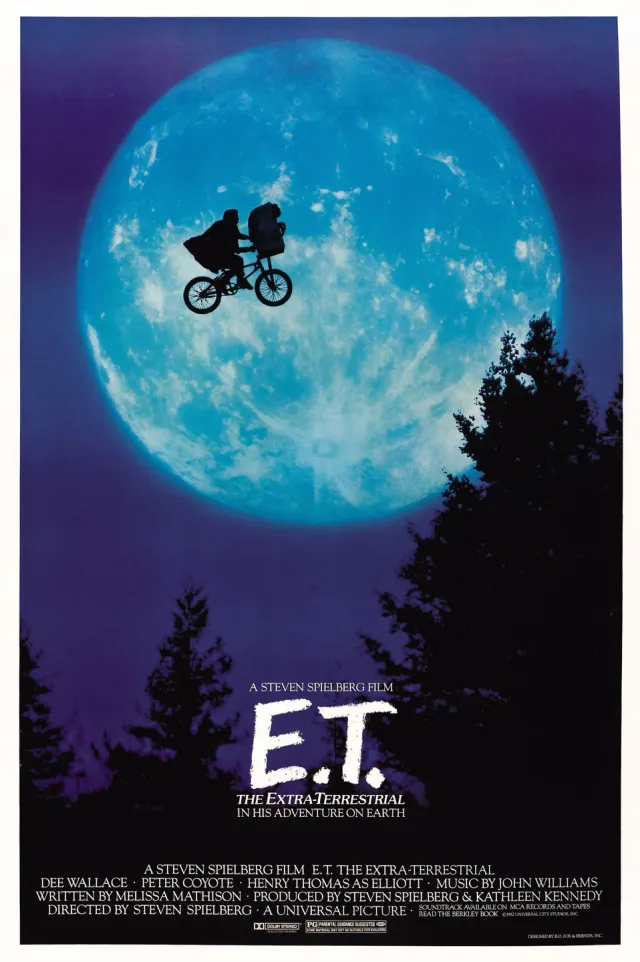
A lonely boy discovers an extraterrestrial stranded near his suburban home and conceals him with the help of his siblings. Learning to communicate builds an attachment that responds to disruption within the children's own family while creating practical risks they cannot manage through imagination alone. Attempts to contact the visitor's home attract adult intervention, turning private friendship into an urgent effort to protect a vulnerable being from institutions that treat unfamiliarity as a reason to take control.
Based on recorded story, mood and style. Your preferences can change the order.
First contact
What changes The Brother from Another Planet: vignette-based, measured, episodic encounters and gradual threat. The Man Who Fell to Earth: slow, fragmented and dreamlike.
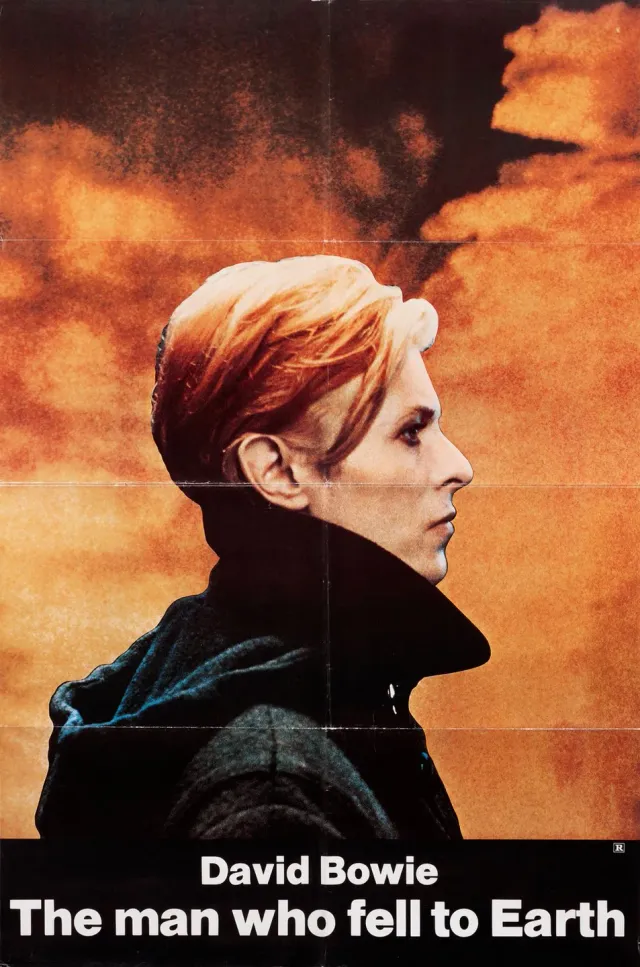
An alien named Thomas Jerome Newton arrives in New Mexico seeking water for his drought-stricken home world. Using advanced knowledge, he patents new inventions and builds a corporation to fund a return vessel. His relationship with lonely hotel worker Mary-Lou introduces him to Earthly pleasures, while fuel technician Nathan Bryce grows suspicious of his identity. As wealth, isolation and alcohol reshape Newton's purpose, the film turns a visitor's mission into a strange portrait of celebrity and alienation.
Based on recorded story, mood and style. Your preferences can change the order.
Escape and pursuit
What changes The Brother from Another Planet: vignette-based, measured, episodic encounters and gradual threat. Chaos Walking: a flight across hostile terrain reveals the colony’s history.
On a distant colony world, Todd lives in a settlement where men’s thoughts are made audible and visible through a phenomenon called Noise. When he meets Viola, the first woman he has encountered, he helps her escape from the settlement’s leaders and learns the truth about its history. The science-fiction adventure adapts Patrick Ness’s novel, using the premise of exposed thought to examine power, privacy and trust.
Based on recorded story, mood and style. Your preferences can change the order.
First contact
What changes The Brother from Another Planet: vignette-based, measured, episodic encounters and gradual threat. Evolution: fast and escalating.
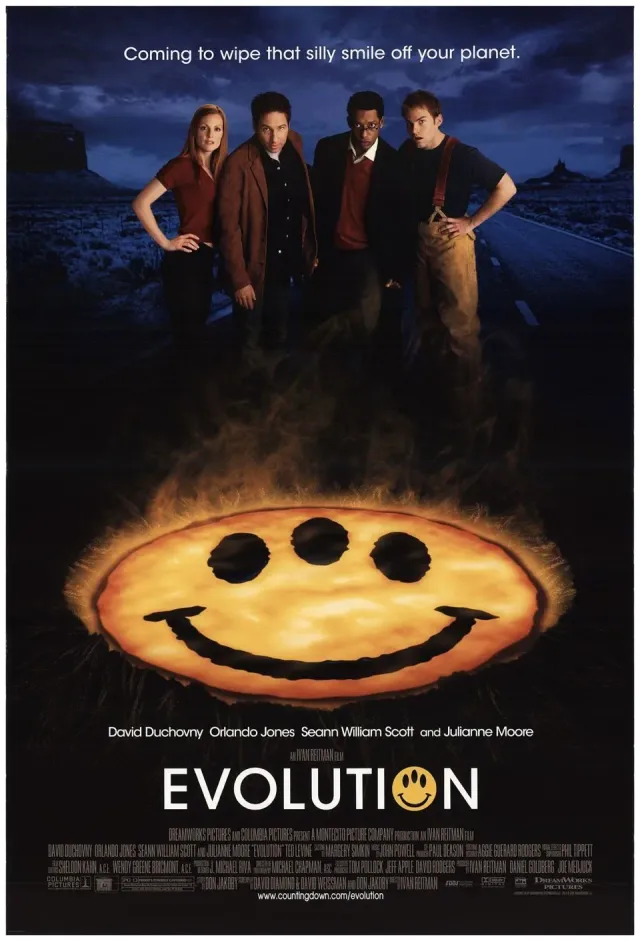
After a meteor crashes in Arizona, a college professor and a geologist find alien organisms evolving at extraordinary speed. Their discovery draws government attention and creates a race to understand and contain life forms that adapt faster than familiar methods can control. The science-fiction comedy mixes creature encounters with workplace banter, treating the threat as both a containment problem and absurd spectacle.
Based on recorded story, mood and style. Your preferences can change the order.
Escape and pursuit
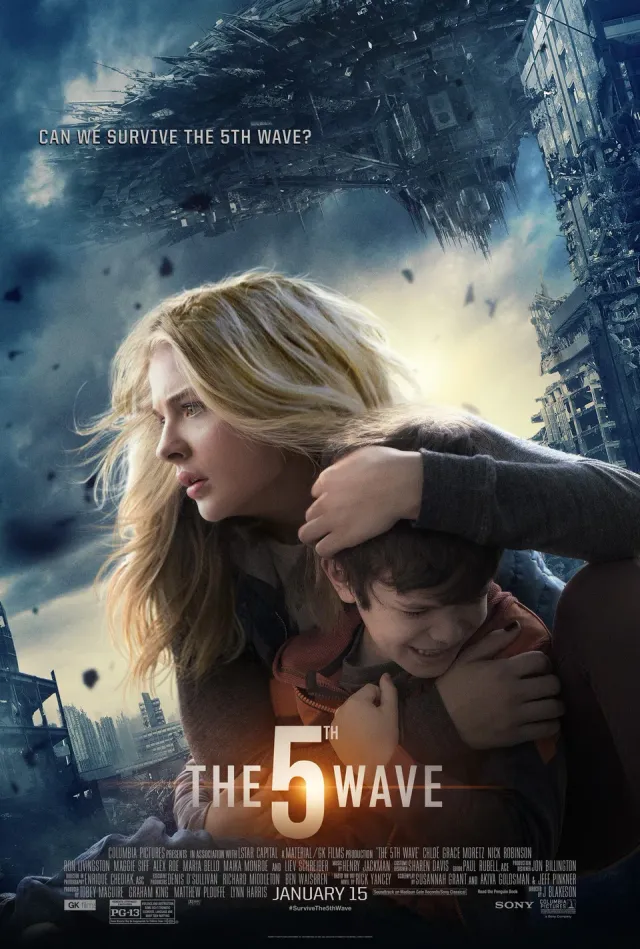
What changes The Brother from Another Planet: vignette-based, measured, episodic encounters and gradual threat. The 5th Wave: survival crosscutting and pursuit and revelation.
An alien invasion devastates Earth in successive waves: an electromagnetic blackout, tsunamis, disease and attacks that make ordinary people suspect one another. Teenager Cassie Sullivan is separated from her younger brother Sam while fleeing the chaos. She meets Evan, a wounded young man who helps her continue toward a military base where Sam is being held. There, Ben Parish and other recruits are trained to fight the Others, but their orders make it difficult to tell human allies from alien infiltrators. Cassie's journey and Ben's military assignment converge around the cost of trusting anyone.
Based on recorded story, mood and style. Your preferences can change the order.
First contact · Escape and pursuit
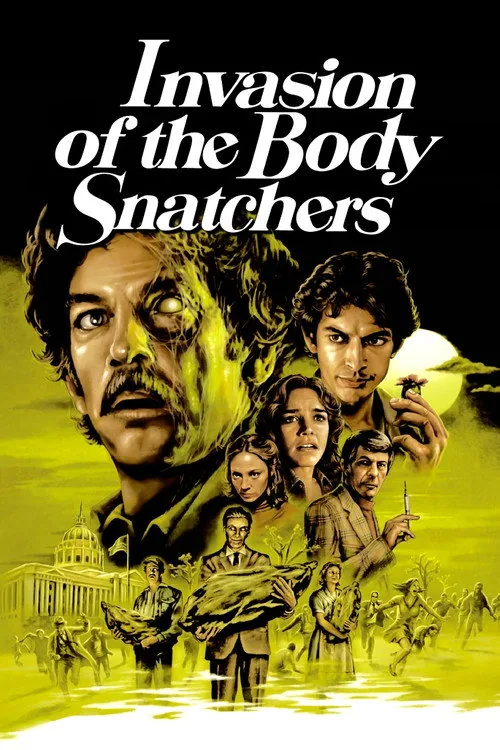
What changes The Brother from Another Planet: vignette-based, measured, episodic encounters and gradual threat. Invasion of the Body Snatchers: gradual discovery, escalating pursuit and dread-filled.
In San Francisco, health inspector Matthew Bennell and colleague Elizabeth Driscoll notice people behaving strangely after unusual plant growth appears across the city. Their suspicions deepen when they discover that silent alien duplicates are replacing humans while the originals sleep. With help from friends Jack and Nancy, they try to alert authorities and stay awake long enough to escape. Philip Kaufman’s remake transforms Jack Finney’s premise into psychological science-fiction horror about conformity, emotional detachment, and public indifference, using recognizable city life to make the invasion feel close at hand.
Based on recorded story, mood and style. Your preferences can change the order.
First contact
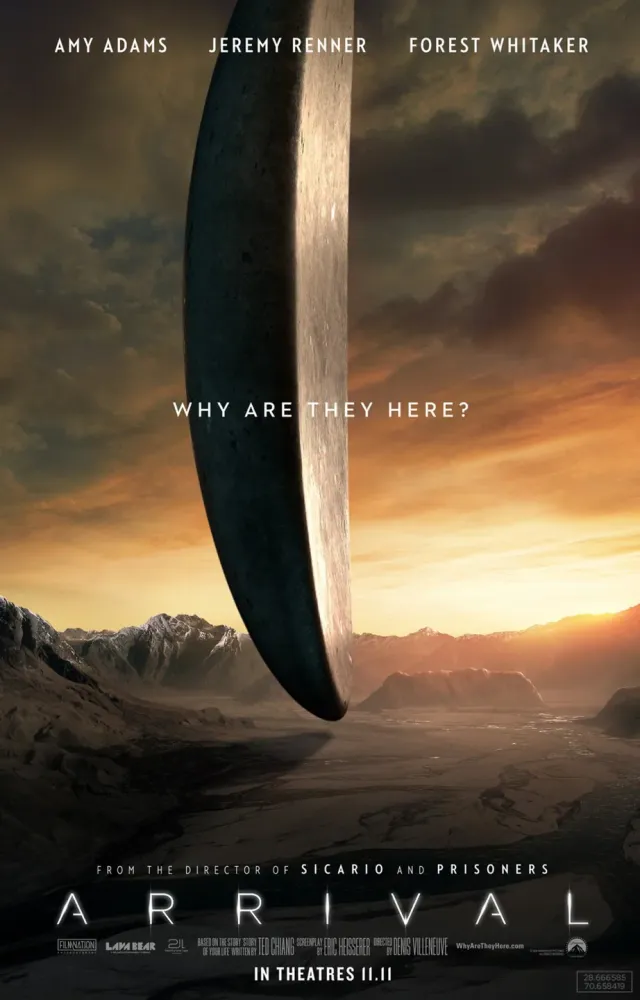
What changes The Brother from Another Planet is tagged tender and wry; Arrival is tagged contemplative and emotional.
A linguist is recruited to establish communication with visitors whose spacecraft have appeared at multiple locations around Earth. Working with a physicist inside a guarded military operation, she develops an approach based on patient observation rather than assumption. As international mistrust threatens that work, the effort to understand a different language becomes intertwined with her own experience of intimacy, memory and the meaning of a life shaped by loss.
Based on recorded story, mood and style. Your preferences can change the order.
First contact
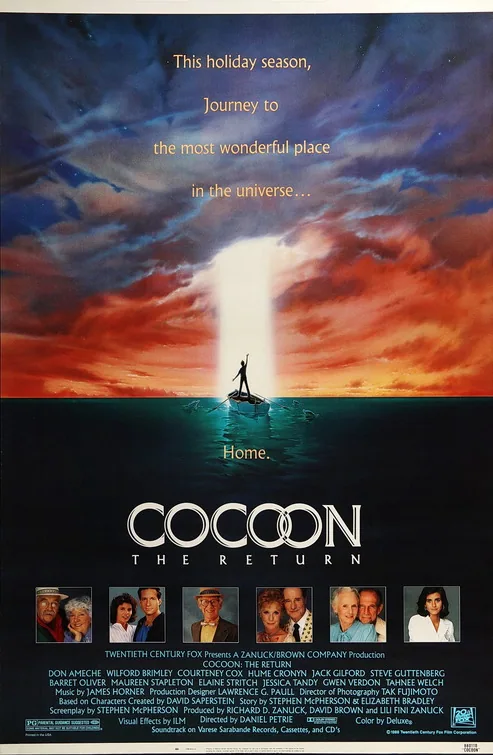
What changes The Brother from Another Planet: vignette-based, measured, episodic encounters and gradual threat. Cocoon: The Return: a return journey renews familiar bonds and choices.
Several retirees who once encountered extraterrestrial visitors return to Earth after learning that their old friends are in danger. Their decision to leave the aliens' refuge reopens ties to family and the aging community they had left behind. The sequel keeps the first film's contrast between rejuvenation and ordinary human attachment, placing friendship and mortality alongside gentle science-fiction wonder.
Based on recorded story, mood and style. Your preferences can change the order.
First contact
What changes The Brother from Another Planet: vignette-based, measured, episodic encounters and gradual threat. Absolutely Anything: wish-based comic episodes, romantic and moral turns and cosmic deadline.
A group of aliens gives London teacher Neil Clarke the power to make anything happen as a test of whether humanity deserves survival. Unaware of the consequences at first, Neil makes impulsive wishes that can alter people, animals, and events around him. His affection for neighbor Catherine and his loyalty to his dog Dennis gradually shape how he uses the power. The British science-fiction comedy connects cosmic judgment with everyday selfishness, asking whether good intentions are enough when a person's words can change the world literally.
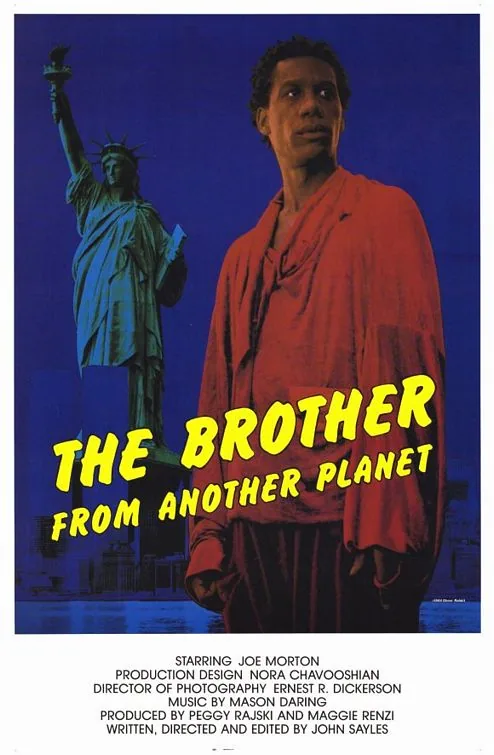
A mute alien lands on Ellis Island and tries to make a life in Harlem while hiding his three-toed feet and unusual abilities. By touching walls he hears the voices of people who once lived there; he can also heal injuries and repair machines. The Brother makes friends with bar regulars, a social worker and a family who take him in, finding work at a video arcade and learning the rhythms of the neighborhood. His quiet life is threatened when two men in black arrive looking for him. After witnessing the harm caused by drugs in the community, he turns his abilities toward the people profiting from the damage and discovers that other escapees may be close by.
What drives the story
The Brother’s silence leaves room for New Yorkers to reveal whether they approach him with curiosity, fear or generosity.
The people at its centre
Odell and the bar regulars offer a fragile sense of home, while the men in black treat the Brother as property to recover.
What it feels like
The film pairs comic encounters and humane observation with a growing unease about drugs, surveillance and displacement.
Worth knowing
This is a neighborhood-centered science-fiction fable about refuge and community, not a conventional alien invasion spectacle.
Migration and refugeCommunity and mutual aidRace and belonging