Based on recorded story, mood and style. Your preferences can change the order.
Both directed by Hal Needham.
Sport and competition
What changes The Cannonball Run: episodic race comedy and ensemble detours. Cannonball Run II: episodic and fast-moving.
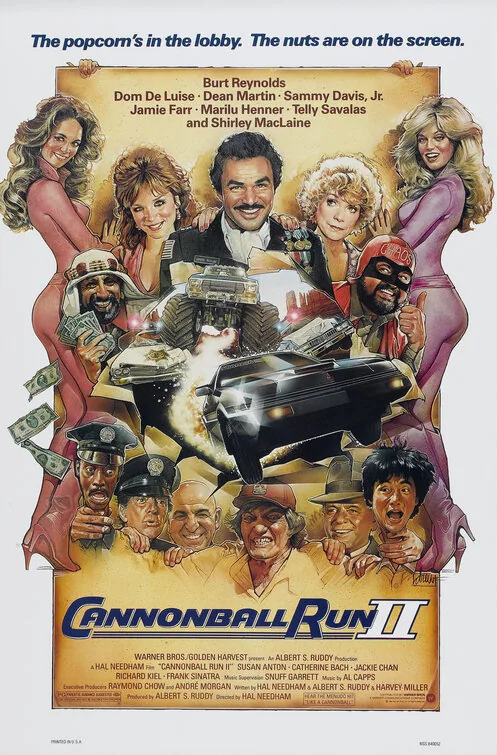
A familiar collection of racers and eccentric partners enter another illegal cross-country contest for a large cash prize. Cars, disguises and improvised tactics matter less than each team's willingness to bend the rules and exploit the chaos around them. The sequel is built from comic encounters along the route, treating the race as an excuse for star pairings and stunts rather than as a tightly plotted sporting contest.
Both centre on sporting competition and failed scheme.
Why this matches +
Genres: Comedy / Sport
Shared film traits
Based on recorded story, mood and style. Your preferences can change the order.
Sport and competition
What changes The Cannonball Run: episodic race comedy and ensemble detours. DodgeBall: A True Underdog Story: brisk and escalating.
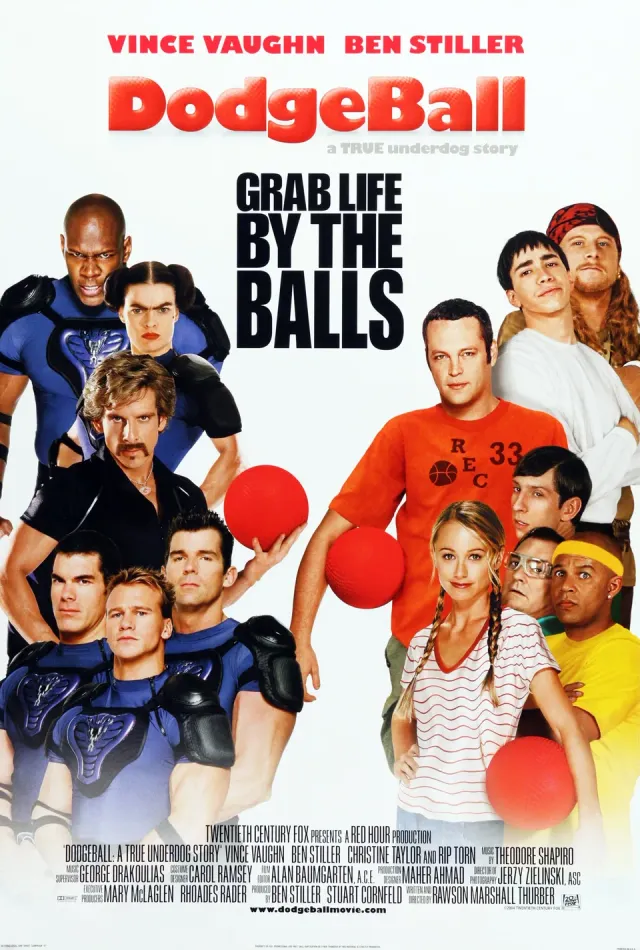
Peter LaFleur’s failing gym is threatened by a wealthy rival who wants the property, so Peter and friends enter a dodgeball tournament with the prize money they need. Their ragtag team faces stronger opponents and its own uneven discipline. The sports comedy turns competition into a battle over community, pride and the future of a local gathering place.
Both share themes of competition, plus a rowdy atmosphere.
Why this matches +
Genres: Action / Comedy
Shared film traits
Based on recorded story, mood and style. Your preferences can change the order.
Sport and competition
What changes The Cannonball Run: episodic race comedy and ensemble detours. The Gumball Rally: fast, episodic and stunt-driven.
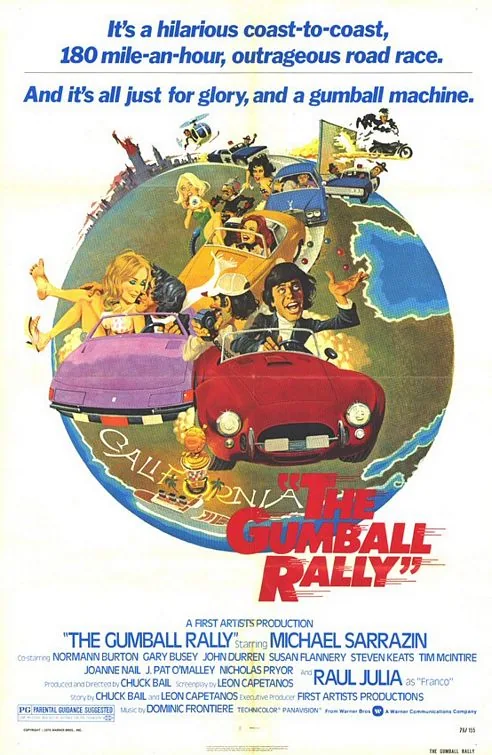
A wealthy New York candy maker announces a secret coast-to-coast road rally where the only rule is that there are no rules. A loose collection of drivers and their cars races from New York toward California while a determined Los Angeles police lieutenant tries to catch them. The story moves between competing teams, roadside mishaps and high-speed set pieces, turning the participants' habits and rivalries into a comic parade of stunt driving. Its goal is the thrill and irreverence of the race, not a conventional contest for a trophy.
Based on recorded story, mood and style. Your preferences can change the order.
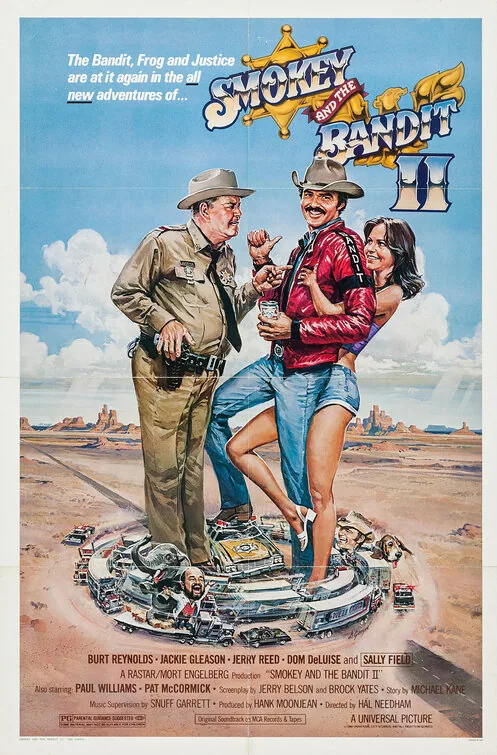
Both directed by Hal Needham.
What changes The Cannonball Run: episodic race comedy and ensemble detours. Smokey and the Bandit II: fast and chase-driven.
Bandit and Snowman are drawn into another high-speed transport job when Big Enos offers a large reward for carrying an unusual cargo across the country. Sheriff Buford T. Justice pursues them again, turning the trip into a rolling contest of evasions, stunts and comic reversals. The sequel repeats the first film's loose road-movie formula, with the familiar cast's rivalry carrying much of the momentum.
Both centre on sporting competition and failed scheme.
Why this matches +
Genres: Action / Comedy
Shared film traits
Based on recorded story, mood and style. Your preferences can change the order.
Sport and competition
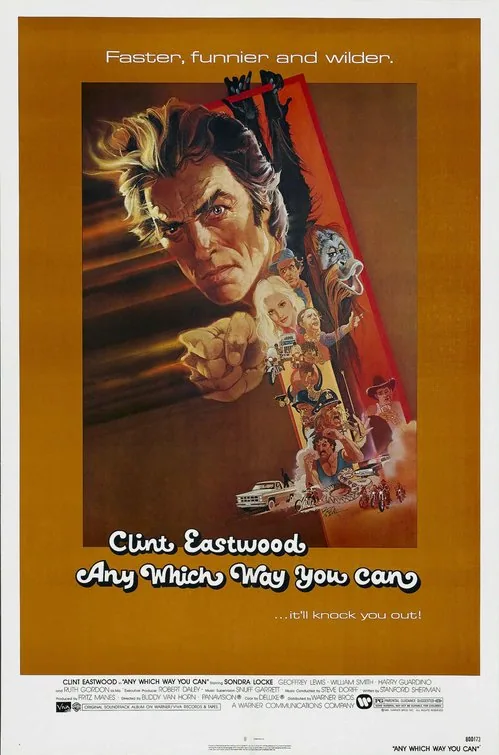
What changes The Cannonball Run: episodic race comedy and ensemble detours. Any Which Way You Can: episodic and builds toward a bout.
Philo Beddoe would rather spend time with his friends and orangutan Clyde than return to prizefighting, but a promoter and a rival boxer keep pulling him toward another match. When the Black Widows retaliate for an earlier humiliation, the conflict adds a road pursuit to Philo's effort to protect the people around him. The comedy mixes scrappy fights, romance and outlaw-car spectacle.
Based on recorded story, mood and style. Your preferences can change the order.
Sport and competition
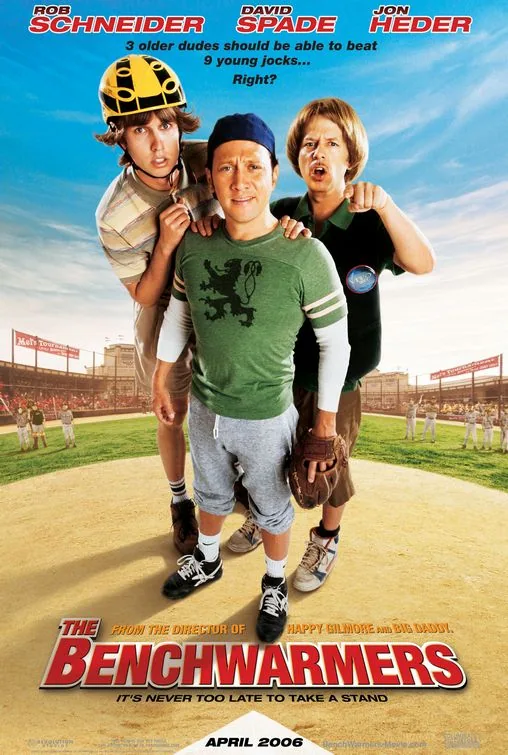
What changes The Cannonball Run: episodic race comedy and ensemble detours. The Benchwarmers: escalating and competition-led.
Three adult outsiders who were bullied as children form a baseball team to challenge youth teams and give overlooked kids a chance to compete. Their sudden visibility brings support and criticism, while the men discover that winning does not automatically repair old humiliations. The broad sports comedy uses a simple contest structure to explore belonging and the wish to reclaim confidence after years of exclusion.
Based on recorded story, mood and style. Your preferences can change the order.
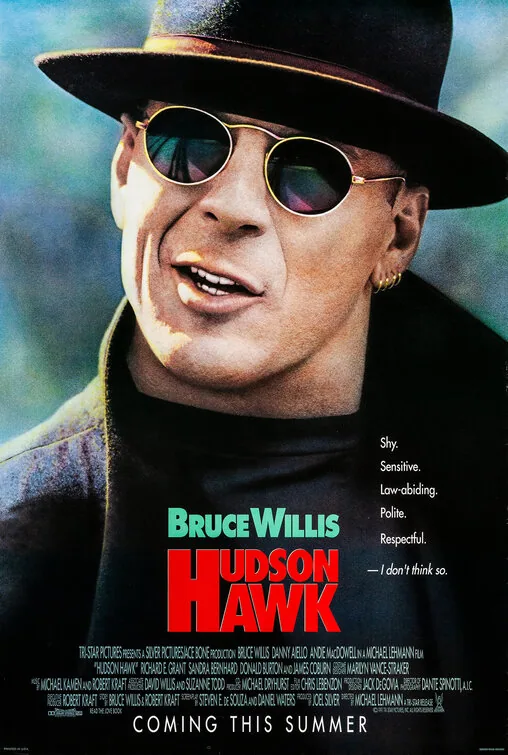
What changes The Cannonball Run: episodic race comedy and ensemble detours. Hudson Hawk: episodic caper with broad reversals.
Recently released thief Eddie Hawkins is pulled into an elaborate scheme involving priceless Renaissance inventions and wealthy conspirators. To carry out a sequence of robberies, he and his partner Tommy time their break-ins by singing popular songs, while trying to understand who is manipulating them. The caper grows into a cartoonish collision of art theft, secret plans and slapstick danger.
Based on recorded story, mood and style. Your preferences can change the order.
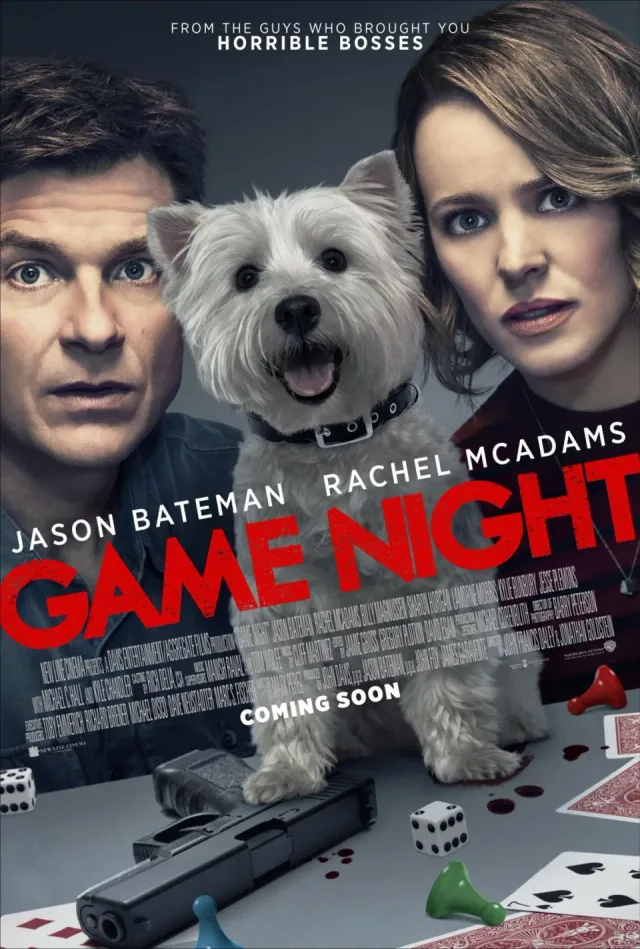
What changes The Cannonball Run: episodic race comedy and ensemble detours. Game Night: escalating and clue-driven.
A competitive couple and their friends gather for a staged kidnapping game arranged by the host’s charismatic brother. When the apparent performance turns into a real crime, the group keeps mistaking clues, actors and injuries for part of the evening’s entertainment. The comedy plays with puzzle-solving and escalating danger while giving its leads a reason to reconsider how rivalry affects their partnership.
Based on recorded story, mood and style. Your preferences can change the order.
Sport and competition
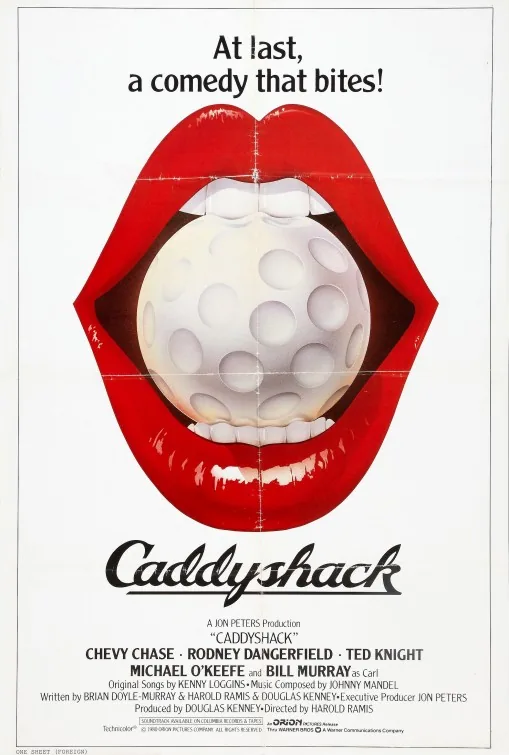
What changes The Cannonball Run: episodic race comedy and ensemble detours. Caddyshack: loose and escalating.
At an exclusive country club, young caddie Danny Noonan hopes to earn a college scholarship while navigating wealthy members, a demanding manager, and the chaos unleashed by groundskeeper Carl Spackler. Golf becomes a battleground for class resentment, vanity, and unruly invention, as several comic personalities collide during one summer season.
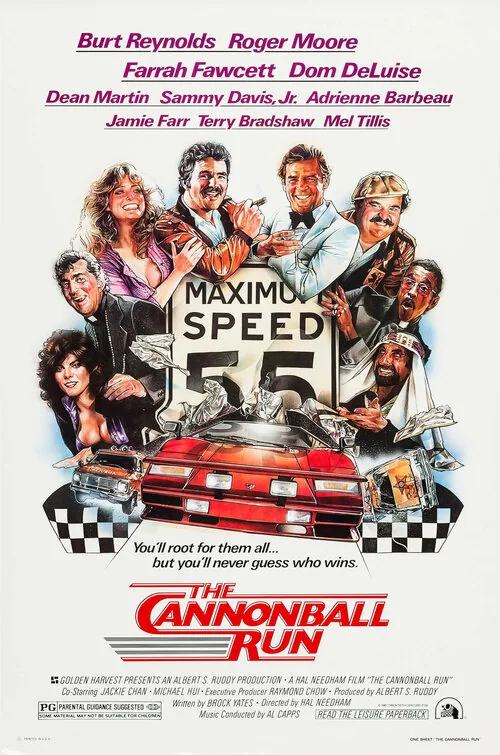
A loose collection of eccentric drivers enters the illegal Cannonball Run, a race from Connecticut to California in which speed and evading police matter more than conventional sportsmanship. J.J. McClure and his mechanic Victor disguise an ambulance to avoid traffic laws, while other competitors use costumes, tricks and mismatched vehicles to gain an advantage. A safety official pursues the racers, and a passenger initially opposed to the event begins to sympathize with their antics. The plot moves among the competitors rather than following one tightly structured rivalry.
What drives the story
The cross-country race supplies a simple shared deadline; disguises and evasions generate episodic comic reversals rather than a technical contest over driving skill.
The people at its centre
J.J. and Victor's partnership anchors the film, while each rival team contributes a different comic persona and method of cheating.
What it feels like
Celebrity cameos, broad stunts and a touring ensemble give it the feel of a road-show farce more than a suspenseful race film.
Worth knowing
A fit for loose, irreverent car-race comedy with an ensemble cast; viewers seeking realistic motorsport, strategy or a focused sports arc may find it deliberately unserious.
FreedomCompetitionCamaraderie
Mood
Rowdy · Light · Chaotic
Pacing
Episodic race comedy · Ensemble detours
Visual style
Car stunts · Road comedy · Ensemble spectacle
Storytelling
Illegal cross-country race · Eccentric teams · Disguises