Explore films connected to The Cat in the Hat through Imagination, Rule-breaking, Sibling trust. Choose the qualities you want to carry into your next watch.
What should feel similar?
Find your next favourite
9 films · Closest overall matches
Hide films you’ve seen or don’t want. Saved on this device.
No matches for this combination yet.
Try another option or reset your choices to see more films.
Both share themes of imagination, plus a playful atmosphere.
Why this matches +
Genres: Fantasy / Adventure
Shared film traits
Based on recorded story, mood and style. Your preferences can change the order.
What changes The Cat in the Hat: escalating comic set pieces and countdown to parent’s return. Labyrinth: quest-driven and variable.
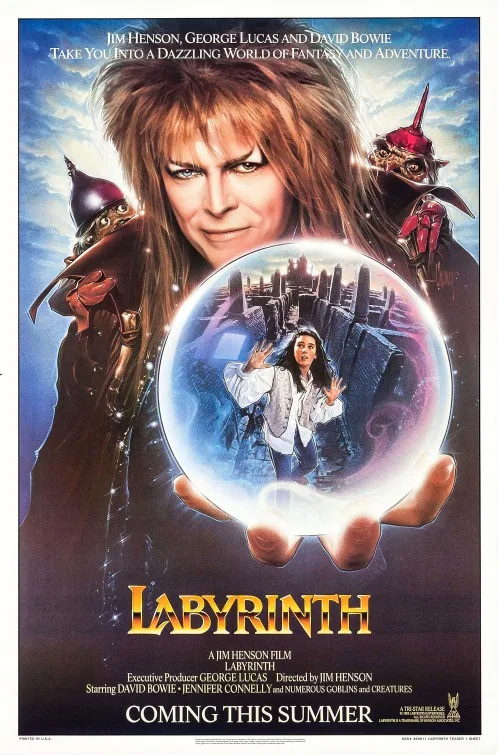
Frustrated by being left to care for her baby brother, teenager Sarah wishes him away and discovers that the Goblin King has taken him to a vast maze. She must cross the labyrinth and solve its shifting challenges before time runs out. As each encounter tests her judgment and independence, Sarah learns that responsibility means more than escaping the burden she resents.
Based on recorded story, mood and style. Your preferences can change the order.
What changes The Cat in the Hat: escalating comic set pieces and countdown to parent’s return. Zathura: A Space Adventure: turn-based escalation.
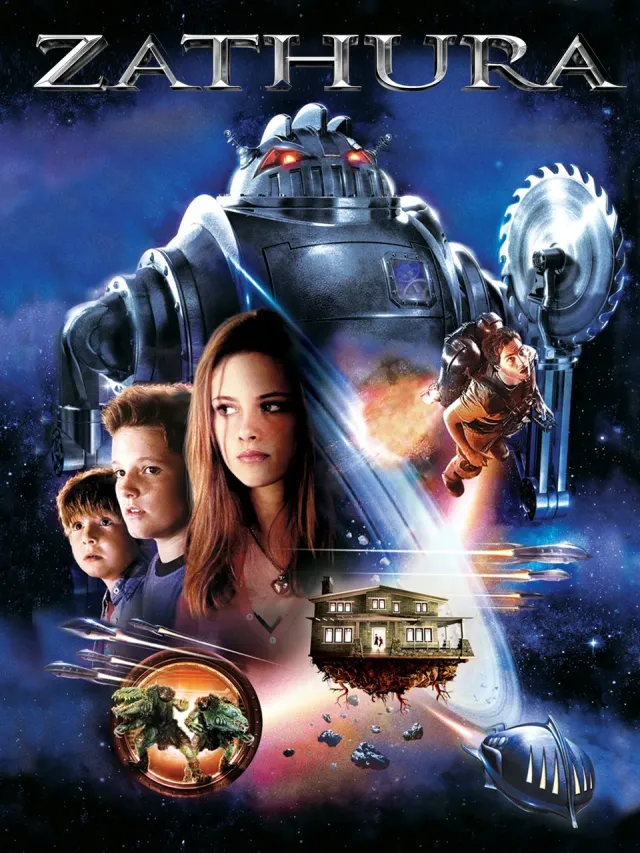
Two brothers who struggle to get along discover a mysterious board game in the basement. Each turn triggers a real hazard that sends their house through space, from meteor showers to hostile aliens and a malfunctioning robot. Their older sister is caught in the danger too, while a stranded astronaut helps them understand the rules and reach the game’s distant destination. The game only ends when a player completes the journey, so the brothers must cooperate even as their rivalry keeps producing new problems. Each turn creates a problem that only a completed game can resolve, giving the adventure a concrete finish line.
Based on recorded story, mood and style. Your preferences can change the order.
Coming of age
What changes The Cat in the Hat: escalating comic set pieces and countdown to parent’s return. Stuart Little: domestic comedy and light adventure.
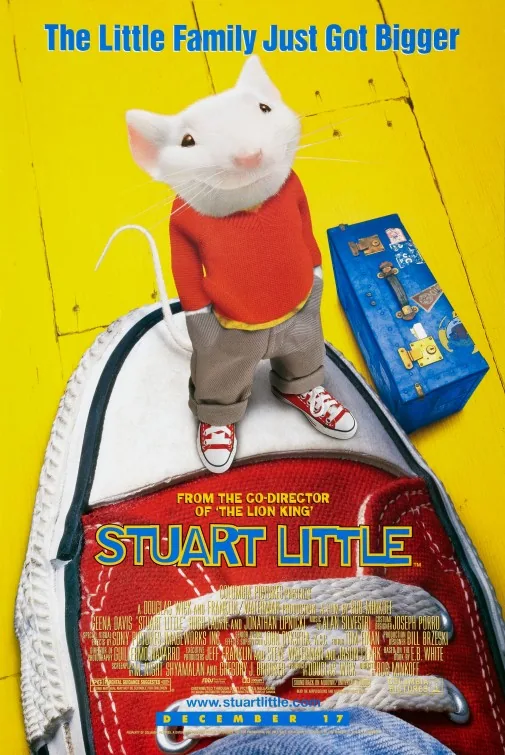
Frederick and Eleanor Little adopt Stuart, an articulate mouse, hoping to give their son George a brother. George initially rejects the idea, and the family cat Snowbell is disturbed to find a mouse living as his equal. Stuart tries to fit into the Little household, helps George with a model boat and seeks information about his birth parents, while Snowbell's alley-cat friends plot to remove him. The story follows two forms of adjustment: a child learning to share his family and a small outsider trying to belong.
Both share themes of imagination, plus a playful atmosphere.
Why this matches +
Genres: Fantasy / Comedy
Shared film traits
Based on recorded story, mood and style. Your preferences can change the order.
Coming of age
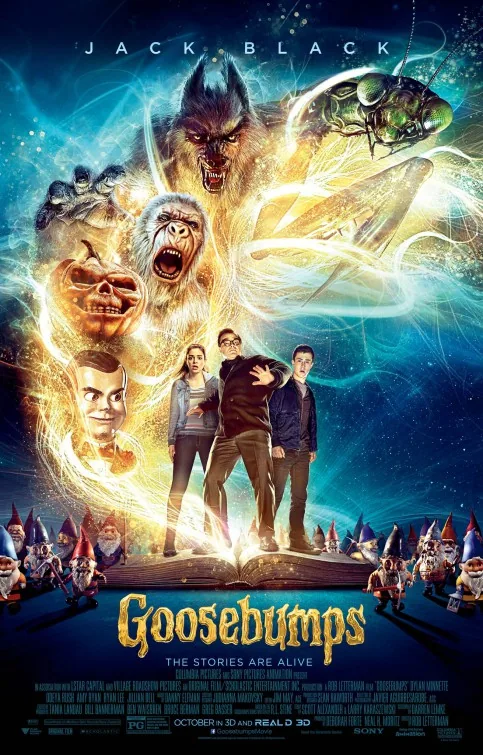
What changes The Cat in the Hat: escalating comic set pieces and countdown to parent’s return. Goosebumps: fast and escalating.
A newly arrived teenager suspects his neighbor's daughter is in danger and opens a locked manuscript while trying to help. The book releases a creature into the world, exposing an author's hidden responsibility for monsters that soon begin freeing one another. A small group must reach the tools needed to write a new containment story before the town is overwhelmed. Friendship and attraction complicate the rescue when the boundary between a person and an invented character proves less stable than the teenagers assumed.
Based on recorded story, mood and style. Your preferences can change the order.
Coming of age
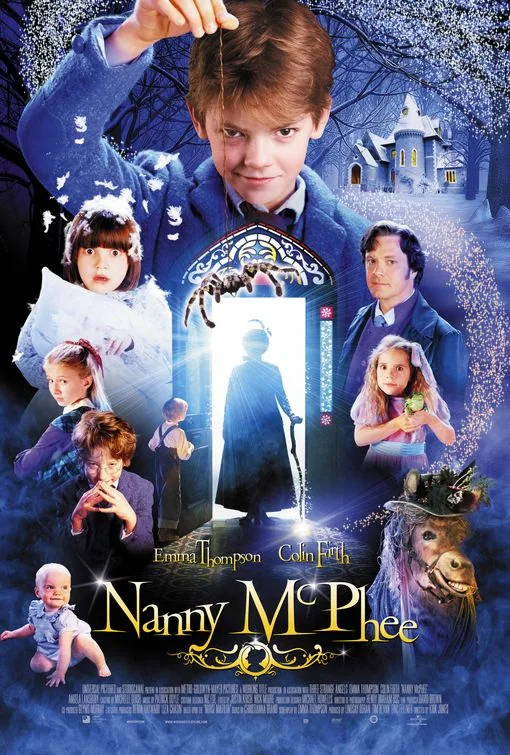
What changes The Cat in the Hat: escalating comic set pieces and countdown to parent’s return. Nanny McPhee: episodic and progressive lessons.
A widower struggling to manage seven unruly children hires Nanny McPhee, whose stern appearance and magical discipline initially provoke resistance. Each lesson changes how the household handles a particular habit, while outside pressure threatens to separate the family. The fantasy comedy uses escalating domestic disorder to explore grief, cooperation and the difference between obedience and care, with its nanny’s transformation tied to the children’s growth.
Both share themes of imagination, plus a playful atmosphere.
Why this matches +
Genres: Comedy / Family
Shared film traits
Based on recorded story, mood and style. Your preferences can change the order.
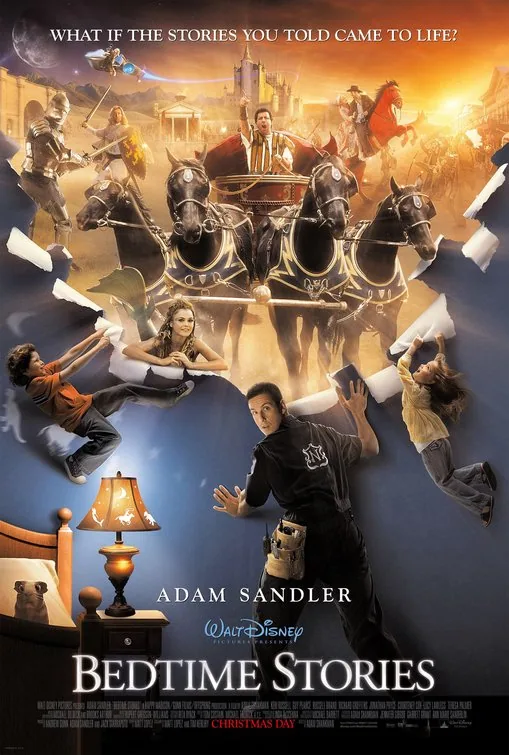
What changes The Cat in the Hat: escalating comic set pieces and countdown to parent’s return. Bedtime Stories: episodic and escalating.
A hotel handyman tells elaborate bedtime stories to his niece and nephew, only to discover that details from the stories begin appearing in his everyday life. As he experiments with the strange connection, his invented adventures collide with work, family bonds and a possible romance. The fantasy comedy treats storytelling as a shared activity whose consequences cannot be controlled, linking wish fulfillment to the responsibility of caring for children.
Based on recorded story, mood and style. Your preferences can change the order.
What changes The Cat in the Hat: escalating comic set pieces and countdown to parent’s return. Liar Liar: fast and escalating.
A lawyer habitually excuses broken promises to his son through stories that also serve him professionally. A child's birthday wish removes his ability to lie for one day, making ordinary social manipulation and courtroom strategy suddenly difficult. The same restriction exposes relationships whose apparent success depends on dishonesty the people involved have learned to tolerate. The comedy turns involuntary truth into a physical ordeal, then asks whether a day without false statements can matter unless the father voluntarily changes how he allocates his attention afterward.
Based on recorded story, mood and style. Your preferences can change the order.
Coming of age
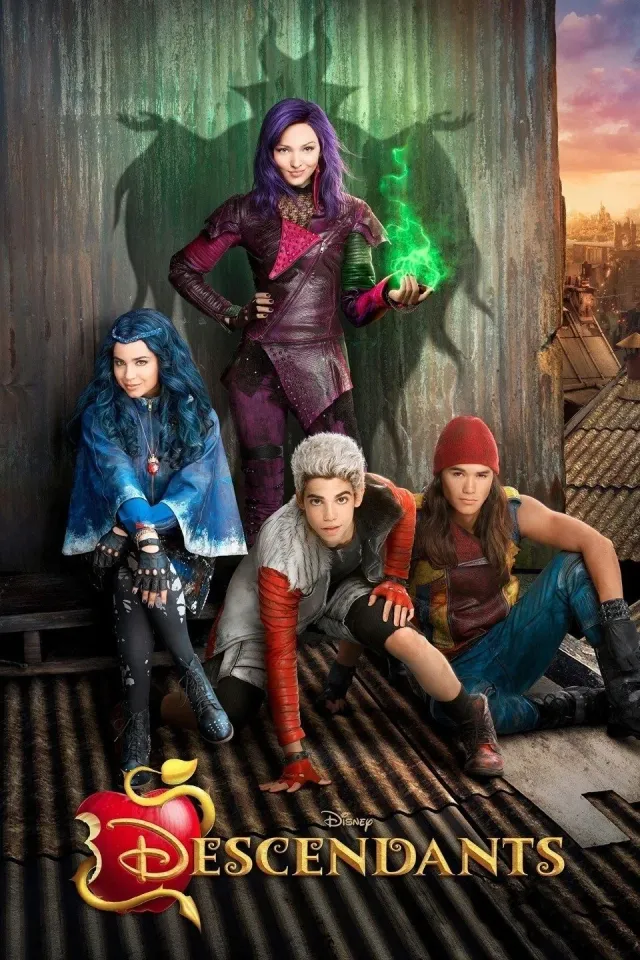
What changes The Cat in the Hat: escalating comic set pieces and countdown to parent’s return. Descendants: fast.
Four children raised by banished fairy-tale villains are invited to attend a prosperous kingdom's school, where their parents expect them to steal the wand that maintains the boundary between communities. New friendships offer possibilities beyond inherited reputations, but acceptance remains conditional in a society already comfortable treating lineage as destiny. Carrying out the mission would restore parental approval at the cost of relationships that make another account of the future imaginable.
Based on recorded story, mood and style. Your preferences can change the order.
Coming of age
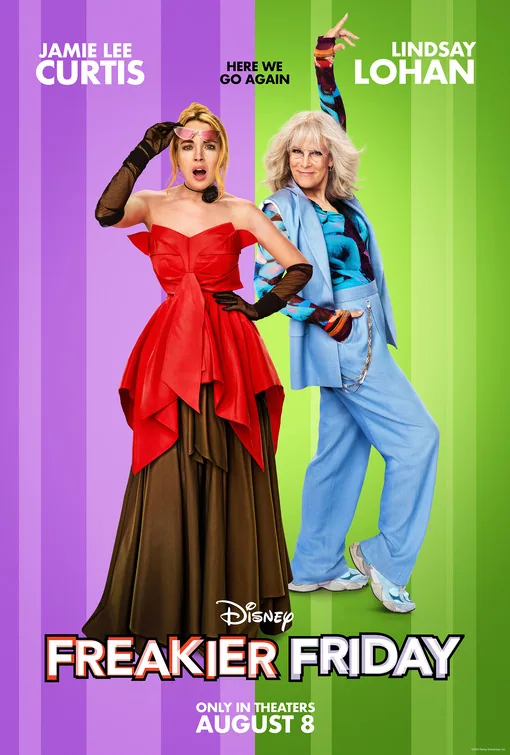
What changes The Cat in the Hat: escalating comic set pieces and countdown to parent’s return. Freakier Friday: fast and comic escalation.
Years after Tess and Anna’s body-swapping crisis, Anna is a mother whose adult daughter is preparing for a new family arrangement. A new swap involving multiple generations disrupts their plans and forces the family to navigate each other’s roles from an unfamiliar perspective. The sequel uses its fantastical switch as a comic device for revisiting mother-daughter understanding, while the changed family structure gives the original premise a broader generational scale.
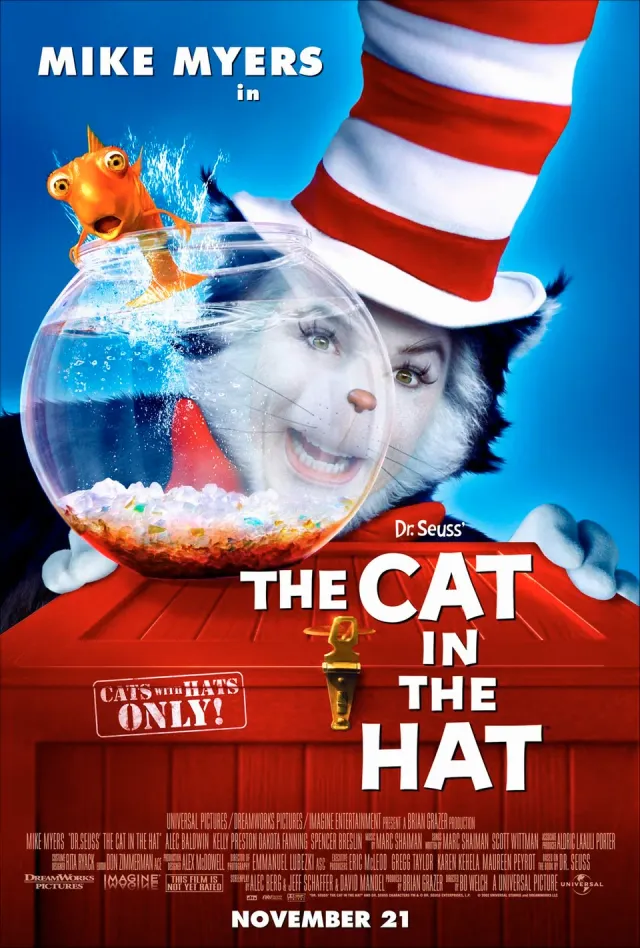
While their mother is away preparing for an office party, siblings Sally and Conrad are left with a strict babysitter and a rule to keep the house tidy. A talking Cat in a striped hat arrives and turns the living room into a series of absurd games, releasing the chaotic Thing One and Thing Two along the way. As the mess threatens their mother's job and the Cat's own world, the children must learn when play is worth the risk and when it is time to take responsibility.
What drives the story
The Cat's visit turns a quiet afternoon into escalating house-wide chaos; the children have to decide whether to contain the fun before their mother returns.
The people at its centre
Sally tries to follow rules while Conrad delights in disruption, and the Cat's affection for both makes his recklessness feel more complicated than a simple lesson in obedience.
What it feels like
Live-action slapstick, visual gags and deliberately manic production design make this adaptation louder and more grotesque than a spare picture-book reading.
Worth knowing
A fit for eccentric family comedy built around the Dr. Seuss premise; its broad, sometimes crude live-action humor is quite different from the book's concise rhythmic play.
ImaginationRule-breakingSibling trust
Mood
Wacky · Chaotic · Playful
Pacing
Escalating comic set pieces · Countdown to parent’s return
Visual style
Bright production design · Elastic live-action comedy · Fantasy effects