Explore films connected to The Chant of Jimmie Blacksmith through Racism, Injustice, Anger. Choose the qualities you want to carry into your next watch.
What should feel similar?
Find your next favourite
9 films · Closest overall matches
Hide films you’ve seen or don’t want. Saved on this device.
No matches for this combination yet.
Try another option or reset your choices to see more films.
Both share themes of injustice and anger, plus a bleak and tense atmosphere.
Why this matches +
Genres: Drama / Crime
Shared film traits
Based on recorded story, mood and style. Your preferences can change the order.
What changes The Chant of Jimmie Blacksmith: gradual, accumulative and violent rupture. Midnight Express: escalating.
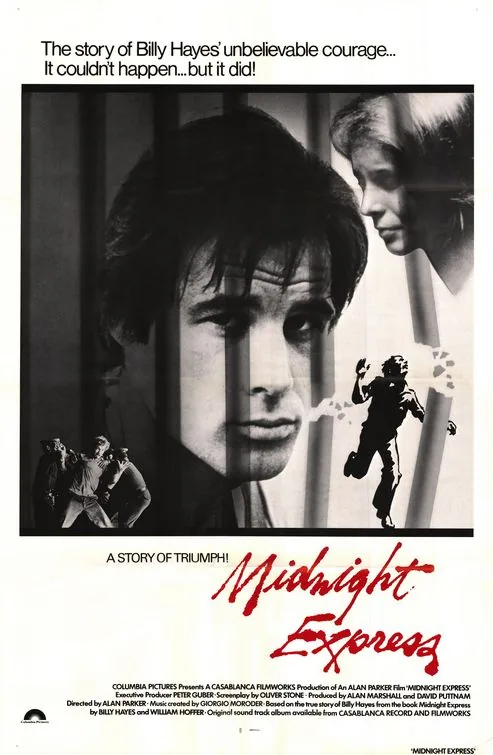
American student Billy Hayes is arrested while trying to smuggle hashish out of Turkey and receives a severe prison sentence. Inside prison he navigates brutal guards, alliances with other inmates and repeated hopes of appeal or escape; a failed attempt and harsher punishment deepen his desperation. The story eventually turns on one final escape plan, but its prison melodrama is also shaped by how it reduces a complex country to an antagonist. Based on Hayes's memoir, the film dramatizes events and has been criticized for its distortions and broad depiction of Turkish people.
Based on recorded story, mood and style. Your preferences can change the order.
What changes The Chant of Jimmie Blacksmith: gradual, accumulative and violent rupture. Kingdom of Heaven: measured.
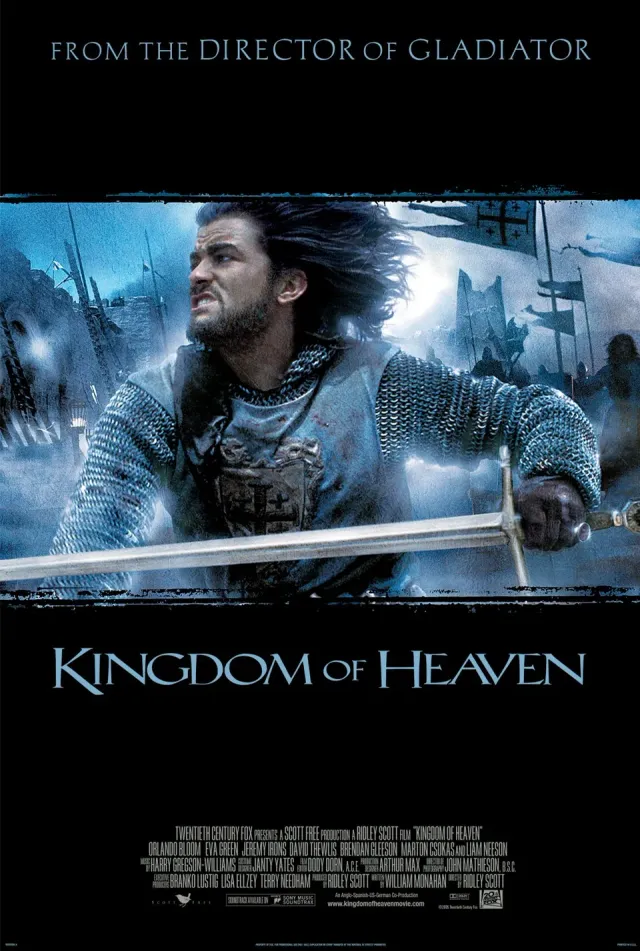
A grieving blacksmith follows his father toward Jerusalem, hoping to find meaning after personal loss. There he enters a fragile political settlement in which competing leaders use faith, honour and military power for incompatible ends. As aggression threatens the city, his obligations shift from earning spiritual absolution to protecting people whose survival depends on choices made by those claiming religious authority.
Both share themes of survival, plus a bleak atmosphere.
Why this matches +
Genres: Crime / Drama
Shared film traits
Based on recorded story, mood and style. Your preferences can change the order.
Survival
What changes The Chant of Jimmie Blacksmith: gradual, accumulative and violent rupture. Shot Caller: a sentence for a fatal mistake reshapes jacob into someone whose gang expects continued service..
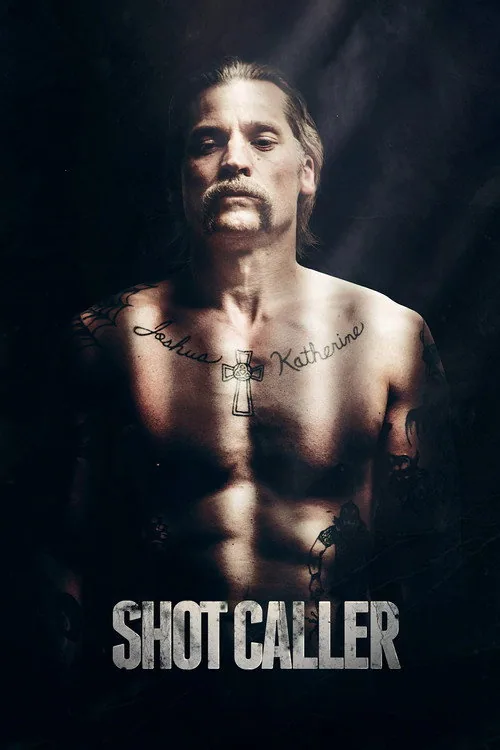
After a fatal driving accident sends former stockbroker Jacob Harlon to prison, he learns that survival inside depends on alliances and carefully observed rules. He joins a white supremacist gang, adopts the name Money, and becomes a trusted enforcer, but the identity that protects him in prison also shapes the life he faces outside. Ric Roman Waugh’s crime thriller follows the years of that transformation and the violent choices that make release feel less like freedom than another test.
Based on recorded story, mood and style. Your preferences can change the order.
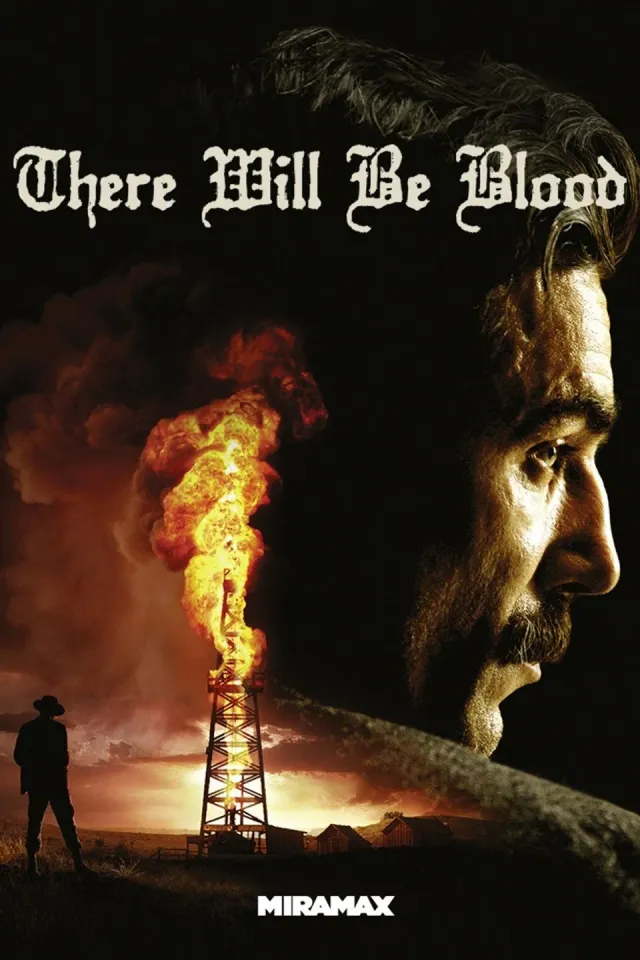
What changes The Chant of Jimmie Blacksmith: gradual, accumulative and violent rupture. There Will Be Blood: slow burn.
An independent prospector builds an oil business through dangerous labour and a public image of familial reliability. Acquiring drilling rights in a small community puts him into conflict with a young preacher who also recognises the value of controlling access and public belief. As wealth expands, distrust and contempt corrode the relationship used to humanise his enterprise, making commercial victory increasingly indistinguishable from emotional isolation.
Both share themes of racism, plus a tense atmosphere.
Why this matches +
Genres: Crime / Drama
Shared film traits
Based on recorded story, mood and style. Your preferences can change the order.
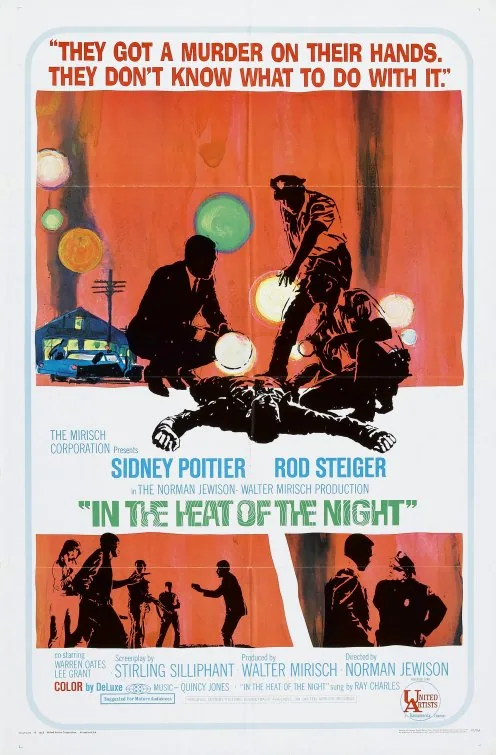
What changes The Chant of Jimmie Blacksmith: gradual, accumulative and violent rupture. In the Heat of the Night: measured.
A Black homicide detective passing through a Mississippi town is arrested after a wealthy visitor is found dead. Once his profession is established, local authorities reluctantly accept his help, but his expertise does not protect him from racist hostility. The investigation requires an uneasy partnership with the white police chief, forcing both men to confront how pride, prejudice and local influence distort the search for evidence.
Based on recorded story, mood and style. Your preferences can change the order.
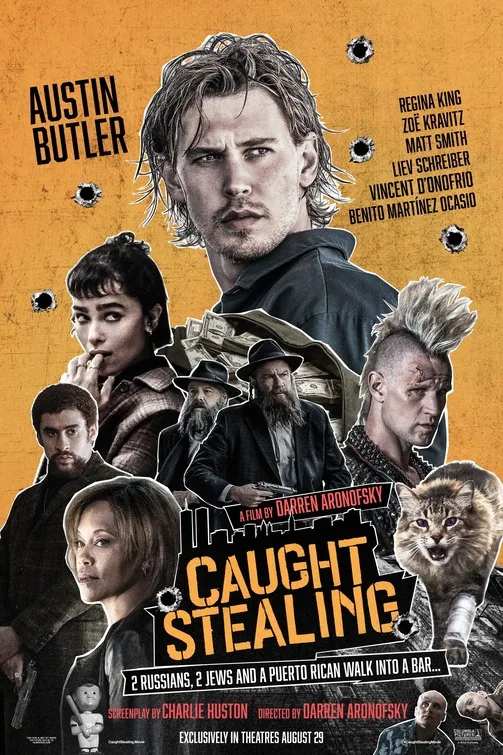
What changes The Chant of Jimmie Blacksmith: gradual, accumulative and violent rupture. Caught Stealing: a mistaken entanglement becomes a citywide criminal chase.
Hank Thompson, a former baseball prospect working as a bartender in 1990s New York, agrees to watch a neighbor’s cat and is pulled into a violent criminal dispute. Gangsters begin pursuing him for reasons he does not understand, and his attempt to discover the truth revives memories of a crash that ended his athletic career. The crime thriller combines a reluctant-survivor chase with a character study of failure and self-destructive escape.
Both share themes of survival, plus a tense atmosphere.
Why this matches +
Genres: Crime / Drama
Shared film traits
Based on recorded story, mood and style. Your preferences can change the order.
Survival
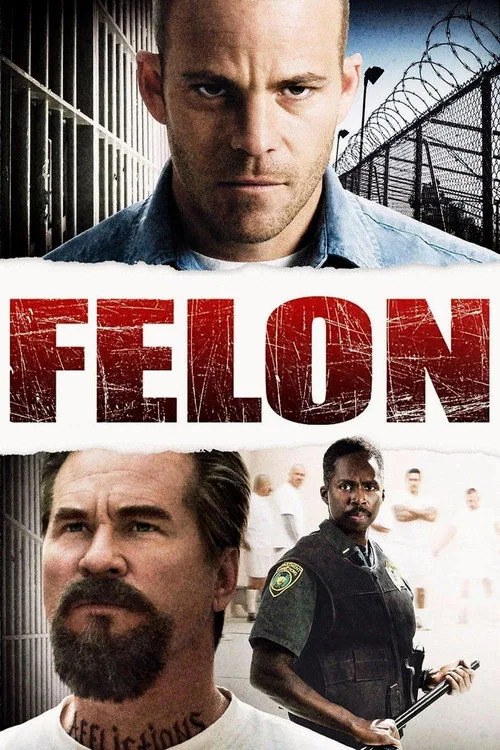
What changes The Chant of Jimmie Blacksmith: gradual, accumulative and violent rupture. Felon: escalating, prison-drama arc and character-led.
Wade Porter is a construction worker and family man who is arrested after he kills a burglar who has already left his home. A plea agreement sends him to state prison, where he must navigate violence, prison gangs, and a system that rewards self-protection. His family faces the strain of his incarceration while he adapts to a new social order. Ric Roman Waugh’s prison drama follows how one impulsive act reshapes a household and tests the limits of survival behind bars.
Based on recorded story, mood and style. Your preferences can change the order.
Family and care
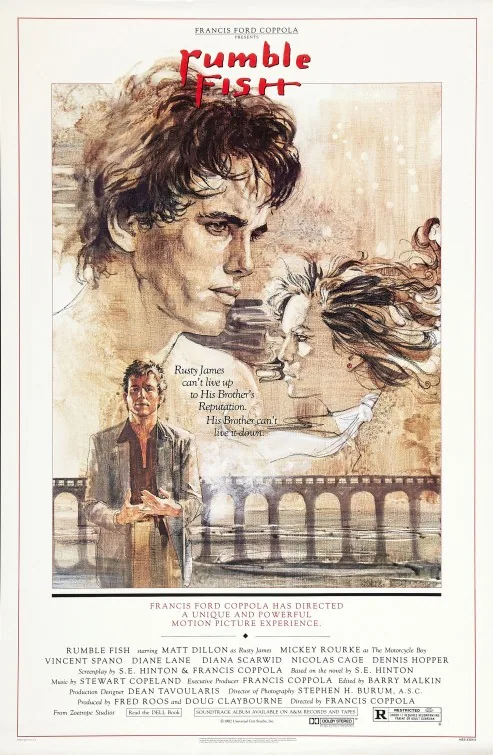
What changes The Chant of Jimmie Blacksmith: gradual, accumulative and violent rupture. Rumble Fish: fragmented episodes, lyrical pauses, sudden violence and tragic convergence.
In Tulsa, Rusty James tries to live up to the reputation of his older brother, the Motorcycle Boy, who once kept rival gangs at peace. The brother’s return interrupts a fight and draws Rusty back into a family marked by poverty, drinking and a mother who has long been absent. Rusty’s attempts to imitate gang life strain his friendships and relationship with Patty, while his brother urges him to leave the gangs behind. The two spend time with their awkward friend Steve and their alcoholic father, who sees the brothers as unusually perceptive rather than mad. A visit to a pet shop brings the brothers to fighting fish that become part of the Motorcycle Boy’s final attempt to set something free.
Based on recorded story, mood and style. Your preferences can change the order.
Political resistance
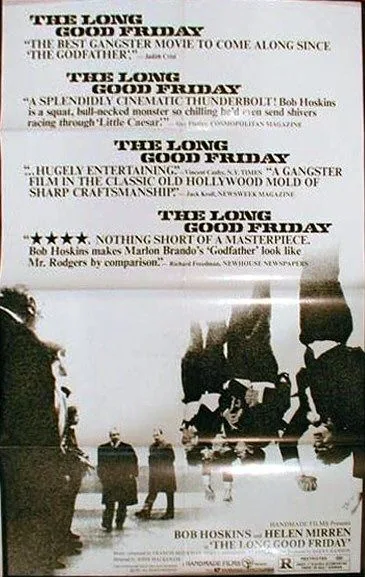
What changes The Chant of Jimmie Blacksmith: gradual, accumulative and violent rupture. The Long Good Friday: compressed timeline, escalating violence, investigative and tragic.
Harold Shand, a London gangster, wants to turn his criminal fortune into a legitimate property empire and has brought American investors into his plan to redevelop the docks. On Good Friday, attacks begin against his associates and businesses, and the bodies of his people suggest a coordinated threat rather than random street violence. Harold tries to identify the attackers while keeping his American partners confident and his own organization in line. As the violence reaches people close to him, the pursuit of a respectable future collapses into a reckoning with political power, loyalty, and the costs of his ambition.
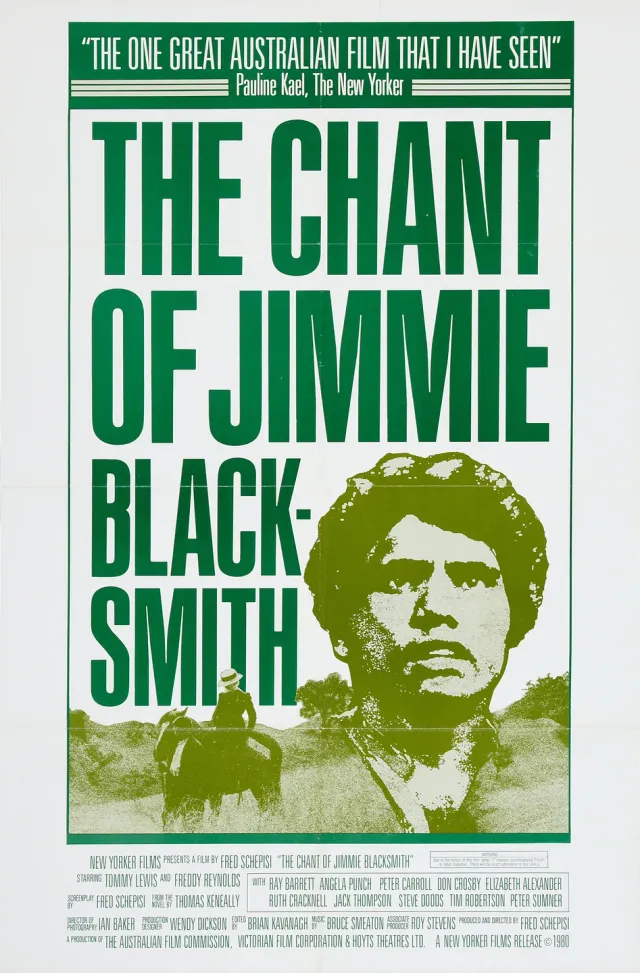
Jimmie Blacksmith, a young Aboriginal man with a white father, is raised by a missionary couple who hope to prepare him for a place in colonial Australian society. Seeking steady work and respect, he finds employers who underpay and exploit him, while officials use him against other Aboriginal people. Jimmie's efforts to build a family and secure a future repeatedly meet discrimination and violence. As his options narrow, his anger erupts into a desperate act that places him at the center of a manhunt.
What drives the story
A young man seeks work and acceptance within a society structured to exploit his labor and deny his equality.
The people at its centre
Jimmie's hopes for family life collide with employers and institutions that repeatedly diminish his agency.
What it feels like
The measured period drama becomes increasingly severe as everyday injustice accumulates into violence.
Worth knowing
This is a colonial Australian social drama centered on racism and systemic abuse, not a frontier adventure.
RacismInjusticeAnger
Mood
Bleak · Incisive · Tense
Pacing
Gradual · Accumulative · Violent rupture
Visual style
Rugged landscapes · Period detail · Naturalistic framing
Storytelling
Colonial exploitation · Family life · Escalating conflict · Pursuit