Explore films connected to The China Syndrome through Public trust, Institutional power, Truth and accountability. Choose the qualities you want to carry into your next watch.
What should feel similar?
Find your next favourite
9 films · Closest overall matches
Hide films you’ve seen or don’t want. Saved on this device.
No matches for this combination yet.
Try another option or reset your choices to see more films.
Both share institutional cover-up, plus an investigative atmosphere.
Why this matches +
Genres: Science fiction / Thriller
Shared film traits
Based on recorded story, mood and style. Your preferences can change the order.
Investigation
What changes The China Syndrome: escalating, procedural, suspenseful and deadline-driven. The X-Files: a bombing inquiry opens onto a conspiracy the agents have spent years trying to expose..
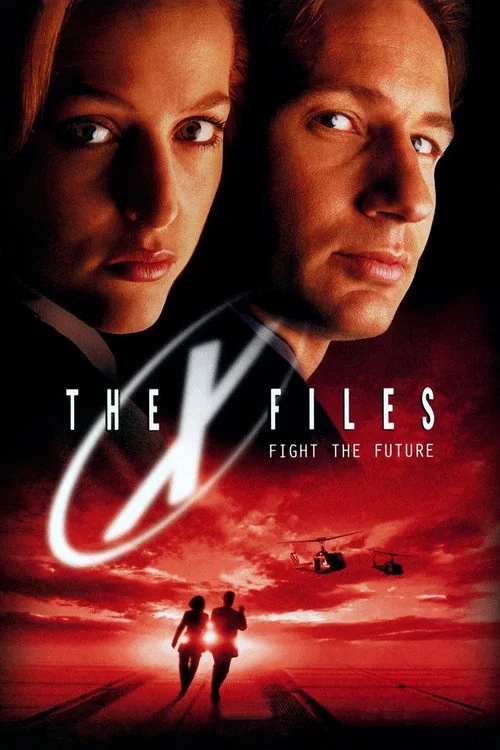
When a bomb destroys a Dallas federal building, FBI agents Fox Mulder and Dana Scully are drawn into a cover-up that reaches beyond the investigation. Evidence leads them to a secret facility and an extraterrestrial virus with potentially catastrophic consequences. While Mulder pursues the conspiracy, Scully weighs the available facts and their mission against the possibility that the agents themselves are being manipulated. Rob Bowman’s film expands the television series’ distrust of official explanations into a globe-spanning science-fiction thriller.
Based on recorded story, mood and style. Your preferences can change the order.
What changes The China Syndrome: escalating, procedural, suspenseful and deadline-driven. The Abyss: underwater suspense and escalating rescue mission.
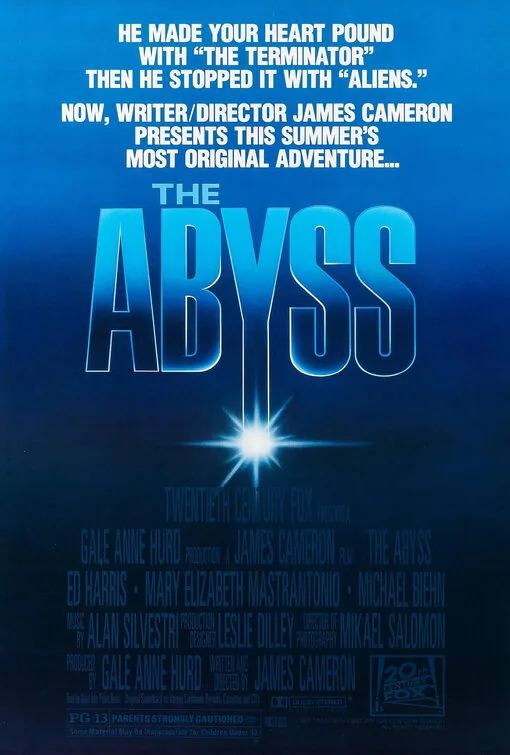
After a U.S. submarine sinks near the Cayman Trough, a Navy team uses an experimental deep-sea drilling platform to investigate. The platform's designer, Lindsey Brigman, joins the mission despite her estrangement from foreman and husband Bud. A hurricane cuts the crew off from surface support, while the SEAL commander Coffey becomes increasingly unstable and pursues a nuclear warhead from the wreck. Strange lights and an underwater presence offer evidence of nonhuman life. Bud and Lindsey must keep the crew alive and prevent the military crisis from turning into a wider catastrophe.
Based on recorded story, mood and style. Your preferences can change the order.
What changes The China Syndrome: escalating, procedural, suspenseful and deadline-driven. The Core: propulsive and set-piece driven.
When unusual disruptions threaten the planet’s magnetic field, a team of scientists proposes a dangerous expedition to the Earth’s core to restart it. The crew must solve a succession of technical problems while the consequences of failure grow increasingly visible above ground. The disaster adventure uses large-scale catastrophe to combine speculative science, teamwork and a series of timed obstacles.
Based on recorded story, mood and style. Your preferences can change the order.
Investigation
What changes The China Syndrome: escalating, procedural, suspenseful and deadline-driven. Teenage Mutant Ninja Turtles: origin-story build and action escalation.
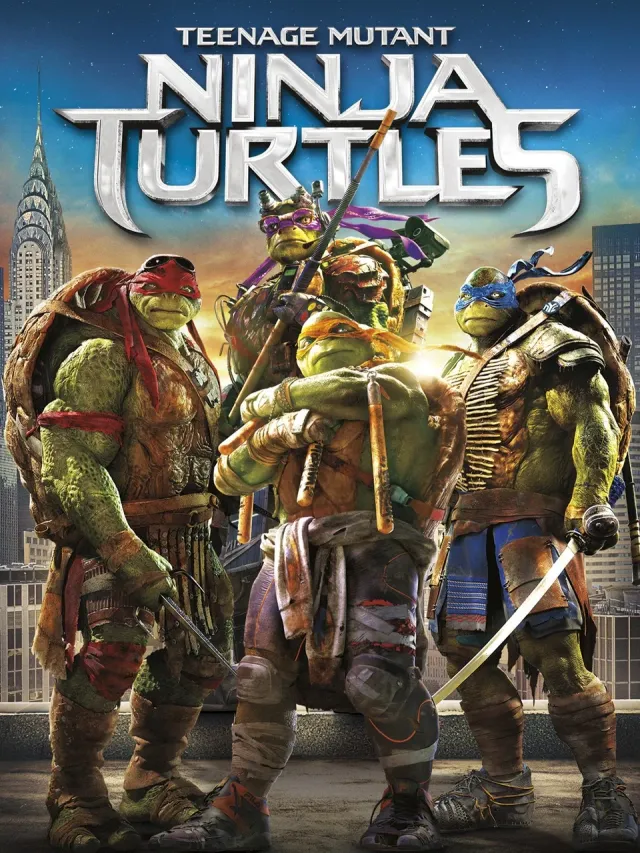
Reporter April O'Neil investigates the Foot Clan and discovers that four mutant turtles are secretly protecting New York. Their connection to her late father's experiments leads her to industrialist Eric Sacks, while the turtles' nemesis Shredder prepares a plan that threatens the city. April and her cameraman Vern help expose the conspiracy as the brothers struggle with the danger of becoming public. The story joins April's search for her family history to the turtles' attempt to act as a team beyond the safety of their sewer home.
Based on recorded story, mood and style. Your preferences can change the order.
Investigation
Expect tense and mysterious, with escalating pacing.
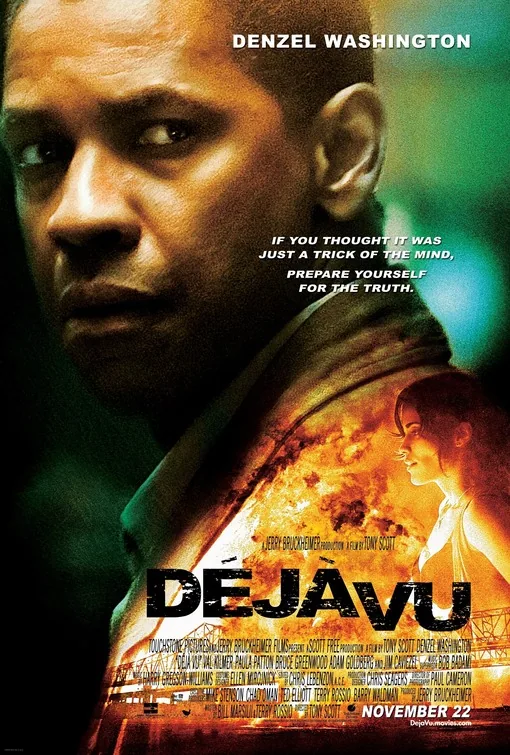
Investigating a ferry bombing, an agent discovers that a woman apparently counted among the victims died before the explosion. A surveillance program offers access to earlier events but proves to be more than the retrospective reconstruction its operators describe. Watching the woman before her death changes the inquiry from identifying a perpetrator to attempting an intervention, making evidence, responsibility and personal attachment depend on whether the past remains fixed.
Based on recorded story, mood and style. Your preferences can change the order.
Work and ambition
What changes The China Syndrome: escalating, procedural, suspenseful and deadline-driven. The Quiet Earth: solitary opening, gradual companionship, scientific inquiry and abrupt surreal ending.
Scientist Zac Hobson wakes in Hamilton, New Zealand, after a mysterious blackout and finds the city empty, radio broadcasts silent and a crashed plane without passengers. His work on a global energy experiment seems linked to the disappearance, and he struggles with isolation before meeting two other survivors, Joanne and Api. They try to understand why they remained while almost everyone else vanished and begin to build a fragile life together. Zac grows alarmed when the Sun and other physical constants appear unstable, suggesting the experiment’s effects are not over. The survivors decide that the research facility must be destroyed, but the attempt leaves Zac alone on a strange shore beneath an unfamiliar sky.
Based on recorded story, mood and style. Your preferences can change the order.
What changes The China Syndrome: escalating, procedural, suspenseful and deadline-driven. 2012: fast and intense.
A struggling writer encounters signs that governments have concealed an approaching global geological catastrophe. Trying to reunite and protect his divided family draws him towards a hidden evacuation system whose limited places reflect wealth and political access. Personal escape unfolds alongside scientific and administrative decisions about who receives warning, who is left behind and whether survival can preserve any shared responsibility beyond the privileged few.
Based on recorded story, mood and style. Your preferences can change the order.
Investigation · Political resistance
What changes The China Syndrome: escalating, procedural, suspenseful and deadline-driven. The Boys from Brazil: investigative suspense and converging plots.
Young Nazi hunter Barry Kohler overhears fugitive Josef Mengele planning a series of murders and phones veteran investigator Ezra Lieberman before he is killed. Lieberman follows the victims' trail and finds that several men fit a pattern: they are older civil servants with sons who look remarkably alike. The investigation leads to children adopted through a network connected to Mengele and a scheme designed to reproduce aspects of Hitler's childhood. Lieberman must decide how far he can go to stop a plan that turns postwar trauma into a speculative conspiracy thriller.
Based on recorded story, mood and style. Your preferences can change the order.
Investigation
What changes The China Syndrome: escalating, procedural, suspenseful and deadline-driven. Fire in the Sky: an unexplained disappearance becomes a disputed account.
A logging crew reports that coworker Travis Walton vanished after an encounter with an unexplained light in the Arizona woods. When he returns, investigators scrutinize the crew's account while Travis describes a frightening experience aboard an alien craft. The film adapts a widely publicized alleged abduction, building suspense through testimony, uncertainty and the gap between what witnesses claim and what can be proven.
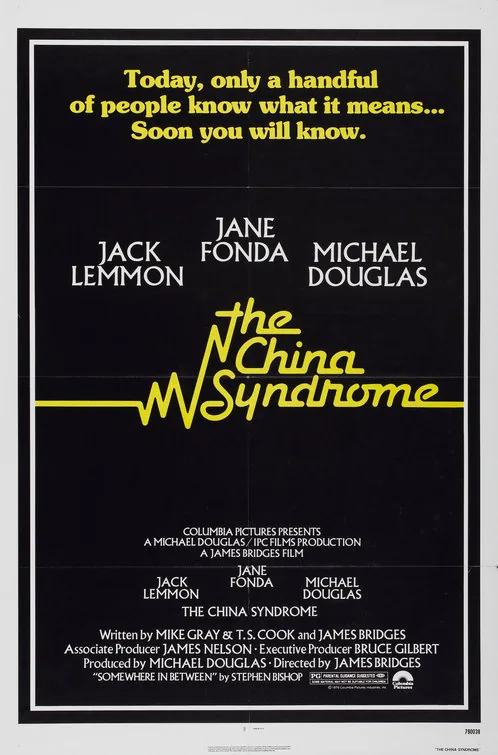
Television reporter Kimberly Wells, cameraman Richard Adams, and soundman Hector Salas witness an emergency shutdown during a visit to a California nuclear plant. Shift supervisor Jack Godell notices signs that the reactor may have come dangerously close to a meltdown, but plant executives resist the crew’s questions and push toward restarting the facility. Richard’s concealed footage gives the journalists evidence, while Godell’s later inspection uncovers reasons to suspect that safety records have been falsified. The story tightens around whether a warning can reach the public before commercial pressure silences it.
What drives the story
A technical anomaly moves from an unsettled incident into a dispute about evidence, responsibility, and the authority to restart a dangerous system.
The people at its centre
Kimberly’s report, Richard’s footage, and Jack’s investigation provide different routes to the same facts, but each is constrained by an institution.
What it feels like
The plant’s precise procedures and the newsroom’s editorial decisions build suspense without relying on a conventional action-hero solution.
Worth knowing
This is a workplace and media thriller about nuclear safety and public accountability, not a disaster spectacle centered on large-scale destruction.
Public trustInstitutional powerTruth and accountability