Explore films connected to The City of Lost Children through Dreams and imagination, Childhood vulnerability, Found family and loyalty. Choose the qualities you want to carry into your next watch.
What should feel similar?
Find your next favourite
9 films · Closest overall matches
Hide films you’ve seen or don’t want. Saved on this device.
No matches for this combination yet.
Try another option or reset your choices to see more films.
Based on recorded story, mood and style. Your preferences can change the order.
Dream worlds · Escape and pursuit
What changes The City of Lost Children: quest structure, episodic encounters and fairy-tale adventure. Time Bandits: episodic and forward-moving.
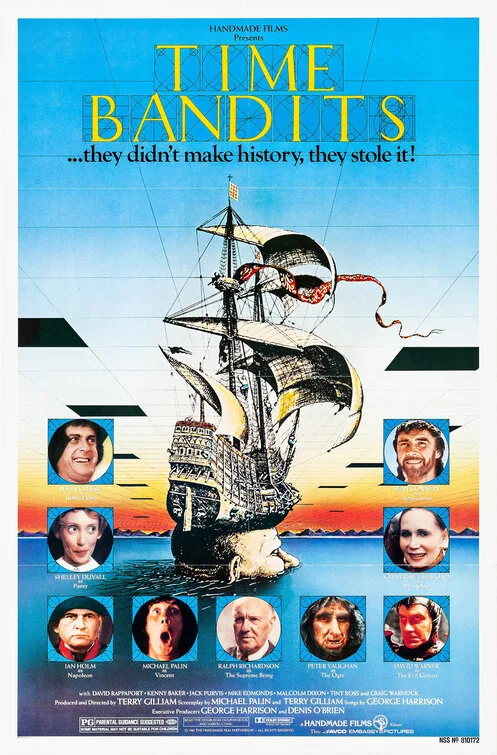
A boy named Kevin discovers that a band of time-traveling dwarfs has escaped from the Supreme Being's map of the universe. Pulled into their travels, he encounters historical figures and fantastical dangers while the group pursues treasure and evades a powerful Evil genius. Their comic adventure turns a child's imagination into a way of questioning order and authority.
Based on recorded story, mood and style. Your preferences can change the order.
Dream worlds
What changes The City of Lost Children: quest structure, episodic encounters and fairy-tale adventure. The Adventures of Sharkboy and Lavagirl: measured and character-led.
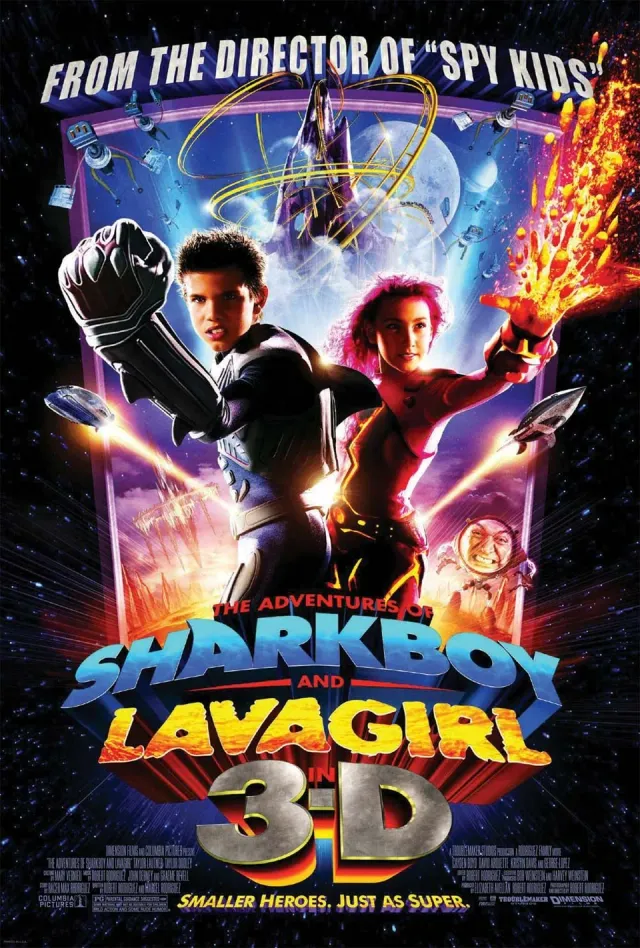
A lonely boy’s imaginary heroes invite him into a dream world where they need help stopping a threat to their planet. As the adventure unfolds, Max discovers that his inventions and choices influence the dream more than he expected. The fantasy presents imagination as a way to process family worry and to see a child’s ideas as consequential. Bright digital sets and exaggerated design make the world feel like a child’s homemade storybook brought to screen.
Based on recorded story, mood and style. Your preferences can change the order.
Dream worlds
What changes The City of Lost Children: quest structure, episodic encounters and fairy-tale adventure. The Science of Sleep: dreamlike episodic structure, romantic hesitation and handmade fantasy interludes.
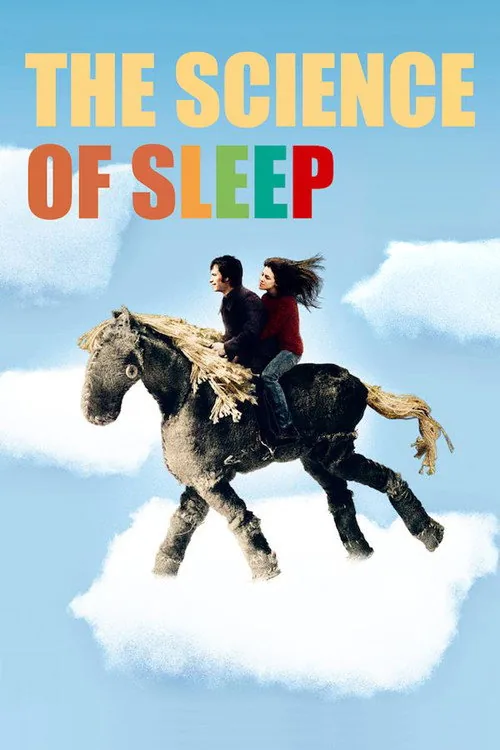
After his father’s death, Stéphane returns to Paris and takes an unsatisfying job, where he meets his neighbor Stéphanie. His dreams are vivid, handmade worlds that increasingly spill into his waking life, making it hard to know whether a conversation, invention, or romantic gesture has actually happened. Michel Gondry’s French-language comedy blends fantasy, romance, and surreal craft imagery to follow a shy man whose imagination both connects him with another person and complicates ordinary intimacy.
Based on recorded story, mood and style. Your preferences can change the order.
Dream worlds
What changes The City of Lost Children: quest structure, episodic encounters and fairy-tale adventure. The Imaginarium of Doctor Parnassus: episodic and visually shifting.
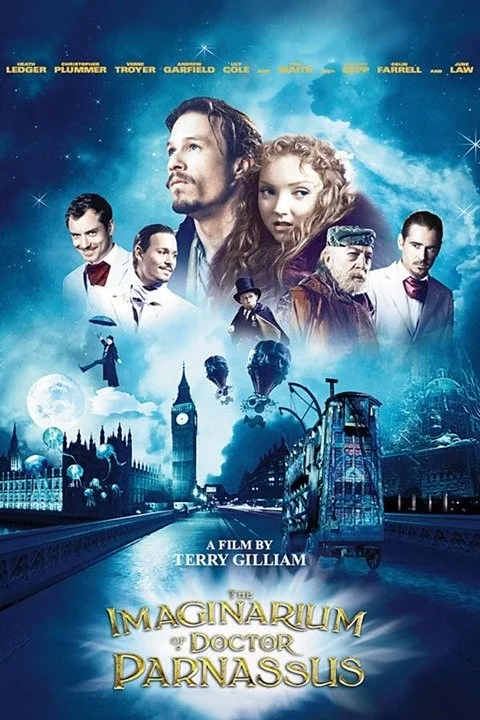
A traveling theatre led by Doctor Parnassus offers audiences passage into fantastical inner worlds, but its founder’s bargain with the Devil threatens his daughter’s future. When a mysterious stranger joins the troupe, the performers try to outmaneuver the deal through imagination and changing appearances. The fantasy uses shifting visual styles and theatrical artifice to explore temptation, storytelling and the price of trying to control another person’s fate.
Based on recorded story, mood and style. Your preferences can change the order.
Dream worlds
What changes The City of Lost Children: quest structure, episodic encounters and fairy-tale adventure. Where the Wild Things Are: measured and reflective.
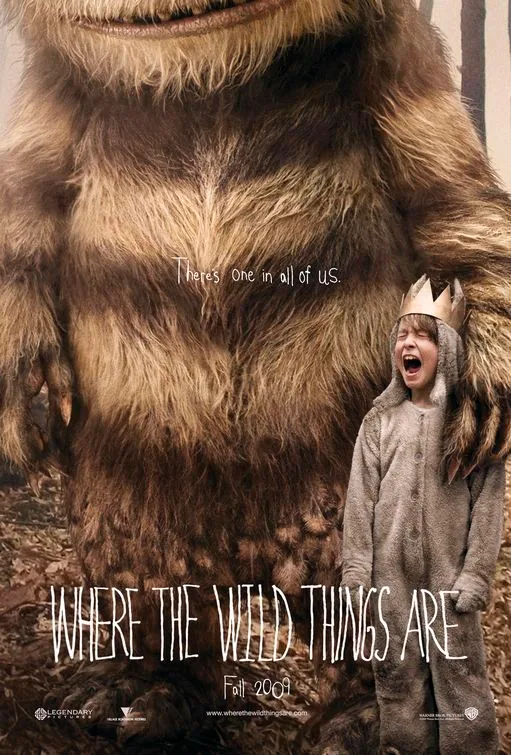
After a difficult evening at home, a lonely boy named Max sails to an island inhabited by enormous creatures who make him their king. The Wild Things’ shifting loyalties and strong feelings mirror conflicts Max cannot manage in his family. The film transforms a picture-book premise into a quiet fantasy about anger, loneliness and returning to people who care.
Based on recorded story, mood and style. Your preferences can change the order.
Escape and pursuit
What changes The City of Lost Children: quest structure, episodic encounters and fairy-tale adventure. The Witches: adventure-led and escalating.
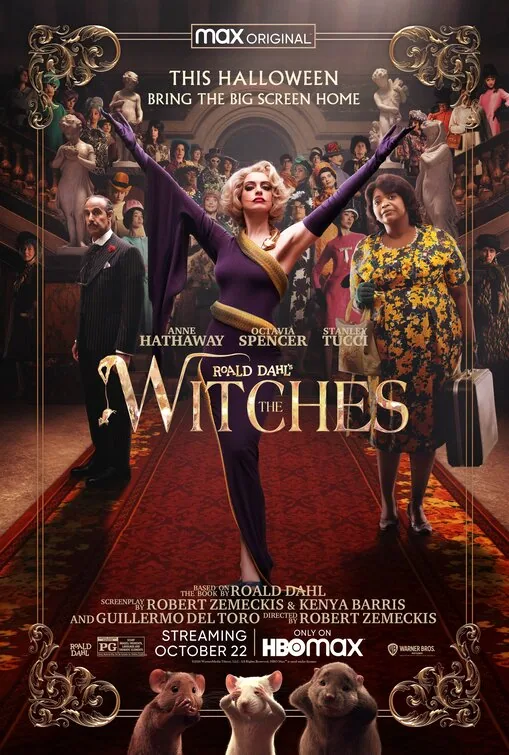
After losing his parents, young Charlie moves in with his grandmother, who knows how to recognize witches hiding among ordinary people. Their stay at a hotel turns dangerous when they discover a gathering led by the Grand High Witch and a plan that threatens children. Robert Zemeckis adapts the Roald Dahl story as macabre family fantasy, balancing comic spectacle with a child's resourcefulness and a close bond between generations.
Based on recorded story, mood and style. Your preferences can change the order.
Dream worlds
What changes The City of Lost Children: quest structure, episodic encounters and fairy-tale adventure. Joe Versus the Volcano: episodic and fairy-tale progression.
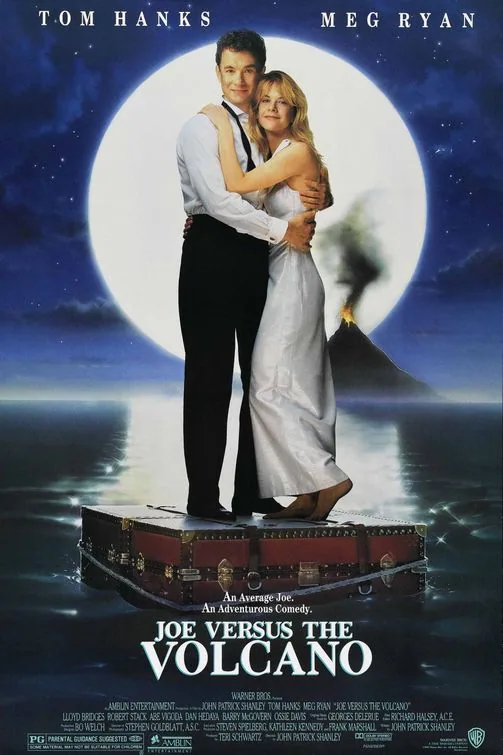
Joe Banks learns that his exhaustion has a medical explanation and accepts an eccentric tycoon's offer to travel to a remote island and die in a volcano. The journey takes him through a series of encounters that challenge his resignation and introduce Patricia, one of the tycoon's daughters. Its fable-like comedy follows a timid man discovering appetite, agency and affection.
Based on recorded story, mood and style. Your preferences can change the order.
Escape and pursuit
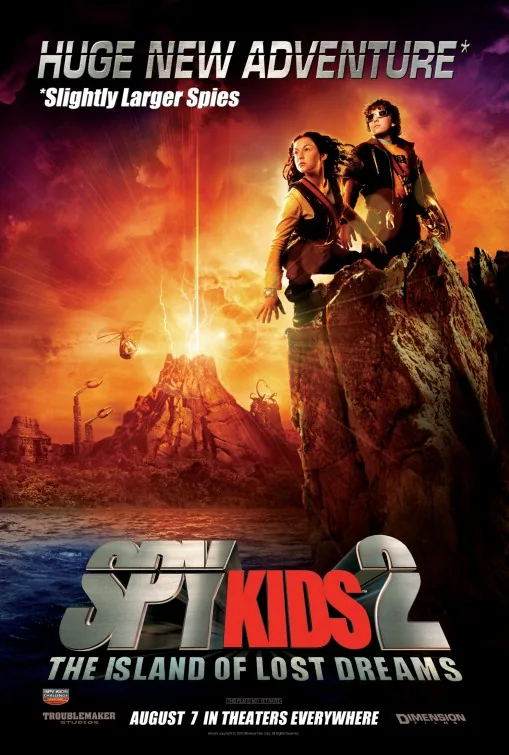
What changes The City of Lost Children: quest structure, episodic encounters and fairy-tale adventure. Spy Kids 2: The Island of Lost Dreams: escalating and set-piece driven.
Young agents Carmen and Juni join a mission to retrieve a device from a mysterious island, where strange creatures and an eccentric inventor complicate their assignment. Their parents and rival child spies become part of the same contest, turning a simple operation into a test of judgment and cooperation. The sequel keeps its action playful and handmade in spirit, emphasizing sibling trust and creative problem solving over realistic espionage technique.
Based on recorded story, mood and style. Your preferences can change the order.
Dream worlds
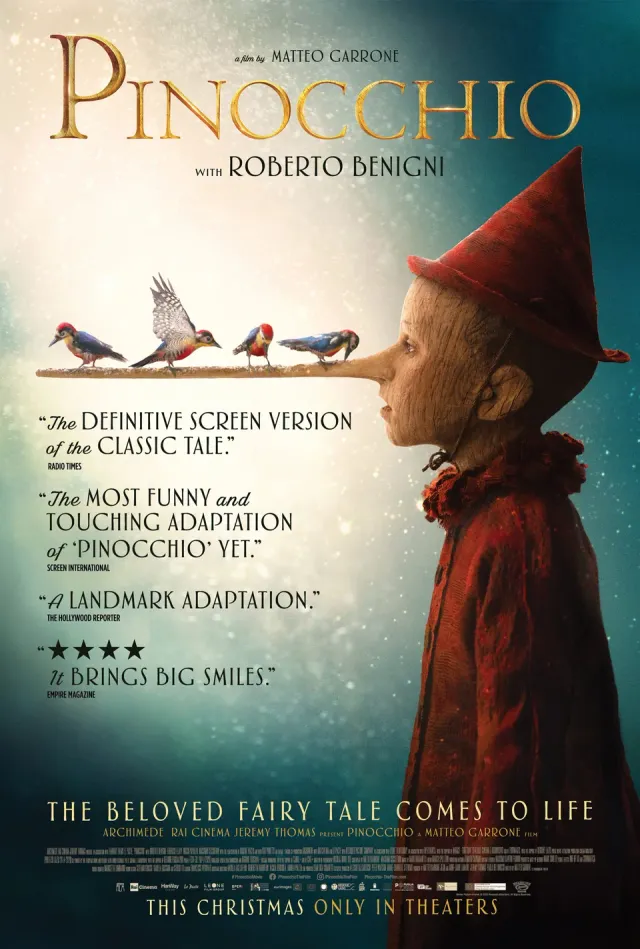
What changes The City of Lost Children: quest structure, episodic encounters and fairy-tale adventure. Pinocchio: episodic encounters trace the puppet’s moral education.
A poor woodcarver named Geppetto creates a puppet that unexpectedly comes to life, and the boy Pinocchio longs to become human. His encounters with deceitful strangers and dangerous temptations repeatedly pull him away from school and home. Matteo Garrone’s Italian adaptation draws on Carlo Collodi’s darker fairy tale, emphasizing poverty, vulnerability and consequence within a fantastical journey.
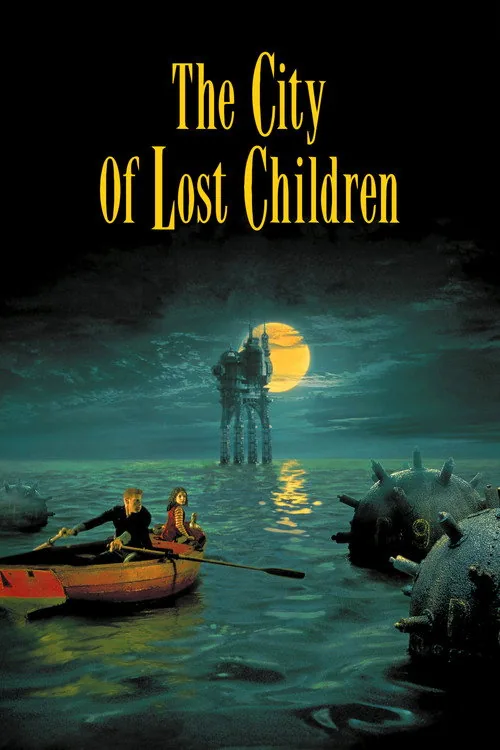
In a fantastical harbor city, the scientist Krank kidnaps children so he can steal their dreams, hoping to escape his inability to sleep. One captive is the little brother of strongman One, who joins forces with a streetwise girl named Miette to find him. Marc Caro and Jean-Pierre Jeunet’s French-language fantasy builds an eccentric world of mechanical devices, clones, sailors, and elaborate sets, mixing adventure and dark whimsy around the value of imagination and memory.
What drives the story
One and Miette search the city for a kidnapped child whose dreams are being used by Krank to address his own insomnia.
The people at its centre
An unlikely partnership between a gentle strongman and a resourceful street child challenges the scientist’s isolation and control.
What it feels like
The film offers dense practical design, eccentric characters, dark fairy-tale humor, and a visually elaborate quest.
Worth knowing
It is a French-language fantasy built around dream theft and handmade surrealism, rather than a conventional children’s adventure.
Dreams and imaginationChildhood vulnerabilityFound family and loyalty