Explore films connected to The Cotton Club through Race and performance, Ambition and exploitation, Organized crime. Choose the qualities you want to carry into your next watch.
What should feel similar?
Find your next favourite
9 films · Closest overall matches
Hide films you’ve seen or don’t want. Saved on this device.
No matches for this combination yet.
Try another option or reset your choices to see more films.
Based on recorded story, mood and style. Your preferences can change the order.
Music and performance
What changes The Cotton Club: interwoven storylines, musical interludes, rising criminal tension and spectacular set pieces. Some Like It Hot: fast.
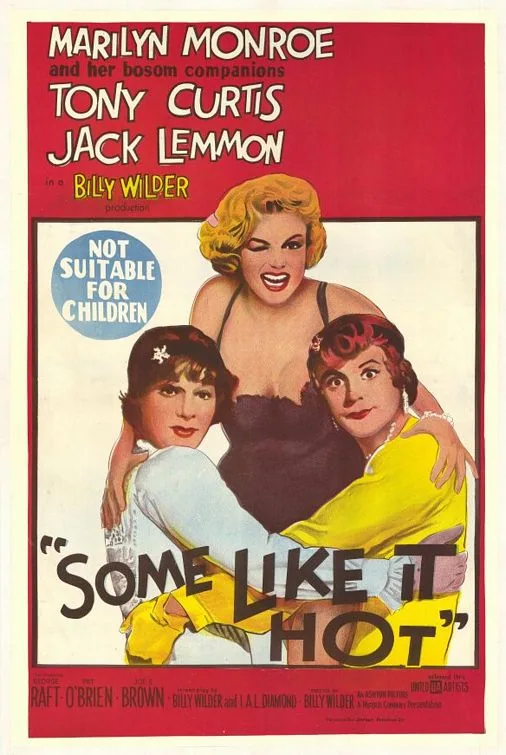
Two Chicago musicians witness a gangland killing and escape by disguising themselves as women to join a touring female band. On arrival in Florida, one invents a second identity to court the singer, while the other attracts the attention of a persistent millionaire. Maintaining safety and romantic opportunity becomes increasingly difficult as the deceptions multiply and the gangsters unexpectedly re-enter the same social world.
Based on recorded story, mood and style. Your preferences can change the order.
Music and performance
What changes The Cotton Club: interwoven storylines, musical interludes, rising criminal tension and spectacular set pieces. Beat Street: performance-led ensemble.
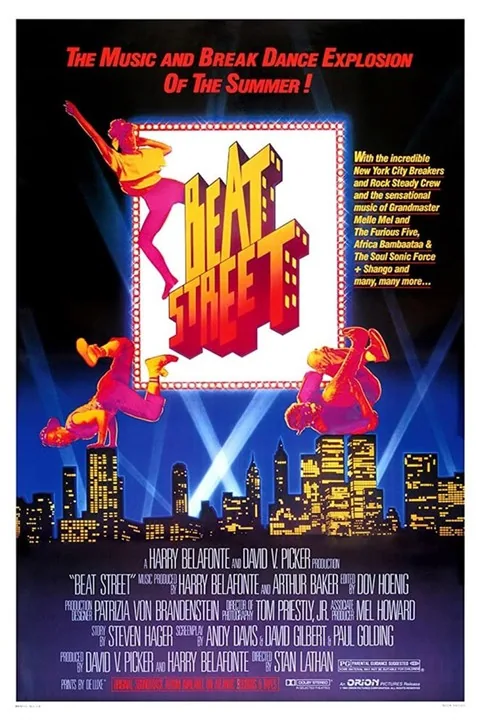
In the South Bronx, brothers Kenny and Lee pursue different parts of the emerging hip-hop scene alongside friends who DJ, dance, paint and perform. Their artistic ambitions bring them into contact with neighborhood pressures and with gatekeepers who may help or exploit their talent. The drama presents early hip-hop as a shared culture built through practice, rivalry and public performance.
Based on recorded story, mood and style. Your preferences can change the order.
Music and performance · Criminal underworld
What changes The Cotton Club: interwoven storylines, musical interludes, rising criminal tension and spectacular set pieces. Get Rich or Die Tryin': childhood origin, street-life escalation and music and redemption turn.
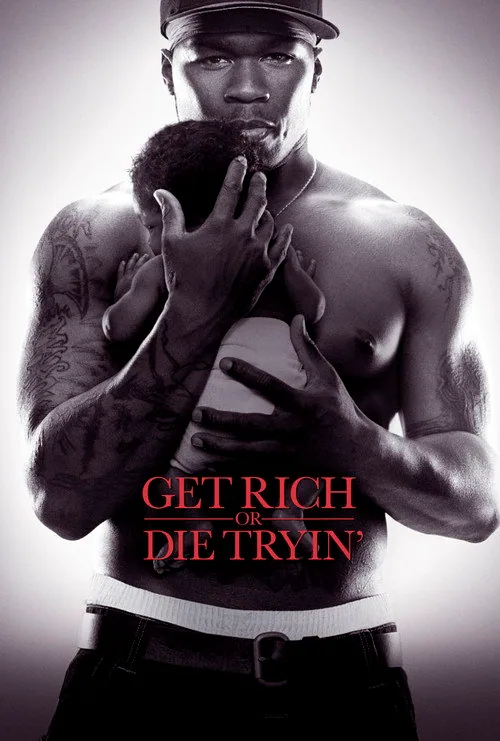
Marcus grows up in New York with a close bond to his mother, whose murder changes his sense of security and pushes him toward street dealing. As he becomes involved with local drug kingpins, music offers a different route to recognition and a way to express the experiences he has survived. His friendship with Charlene and loyalty to his crew complicate the decision to leave the criminal world. Inspired by 50 Cent's life and music, the drama follows a rapper's attempt to move from violence toward a recording career.
Based on recorded story, mood and style. Your preferences can change the order.
Criminal underworld
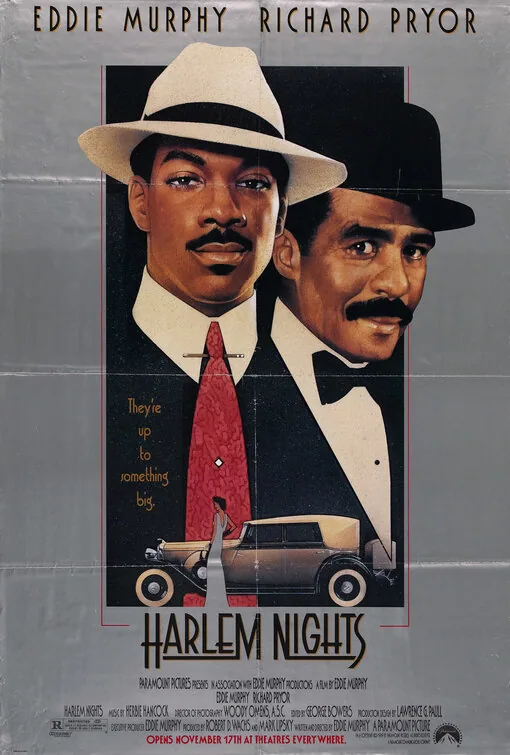
What changes The Cotton Club: interwoven storylines, musical interludes, rising criminal tension and spectacular set pieces. Harlem Nights: ensemble and confrontation-driven.
In 1930s Harlem, nightclub owner Sugar Ray and his son Quick try to keep their business alive against a rival gangster and corrupt police. Their club offers glamour and refuge, but every negotiation risks exposing the operation to people who want its profits. The film combines crime, family loyalty and broad comedy within a period underworld, with Eddie Murphy and Richard Pryor's partnership shaping its tone.
Based on recorded story, mood and style. Your preferences can change the order.
Criminal underworld
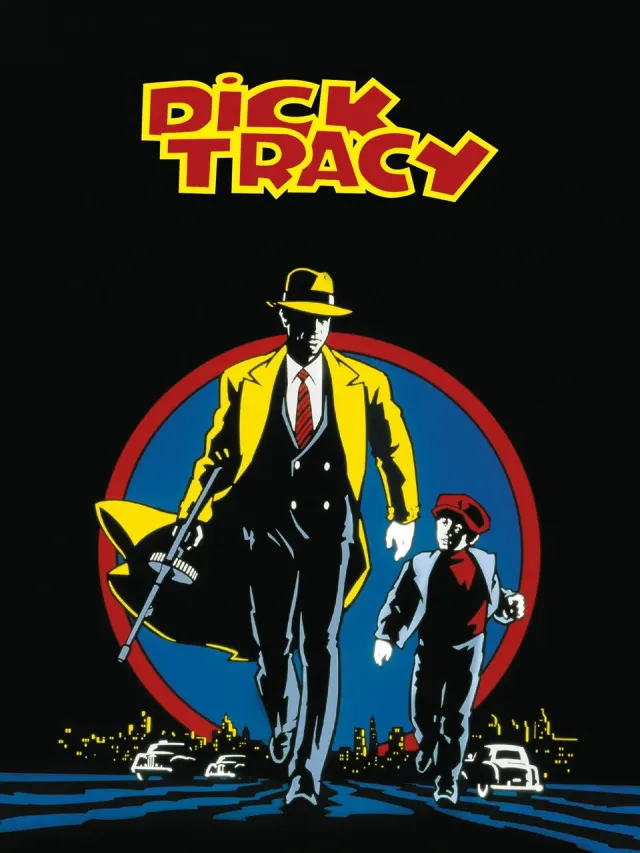
What changes The Cotton Club: interwoven storylines, musical interludes, rising criminal tension and spectacular set pieces. Dick Tracy: episodic and action-led.
Detective Dick Tracy pursues organized-crime boss Big Boy Caprice through a stylized city of gangsters, political influence, and public spectacle. Tracy's investigation is complicated by the attention of singer Breathless Mahoney and by the danger surrounding his own romantic life. The case becomes a contest between a principled lawman and a criminal empire that wants to turn the city's institutions and streets into extensions of its power.
Based on recorded story, mood and style. Your preferences can change the order.
Music and performance
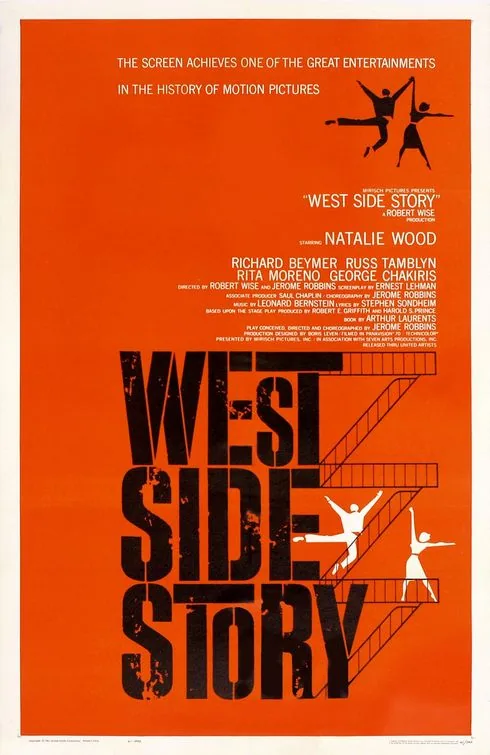
What changes The Cotton Club: interwoven storylines, musical interludes, rising criminal tension and spectacular set pieces. West Side Story: steady.
Two youth gangs compete over an Upper West Side neighbourhood shaped by migration, exclusion and claims to local belonging. A former gang member and the sister of his rivals' leader fall in love after meeting at a dance, imagining an escape from loyalties others treat as fixed. Efforts to contain the conflict fail as pride, prejudice and misinformation make personal reconciliation dependent on a community that repeatedly interprets intimacy as betrayal.
Based on recorded story, mood and style. Your preferences can change the order.
Music and performance
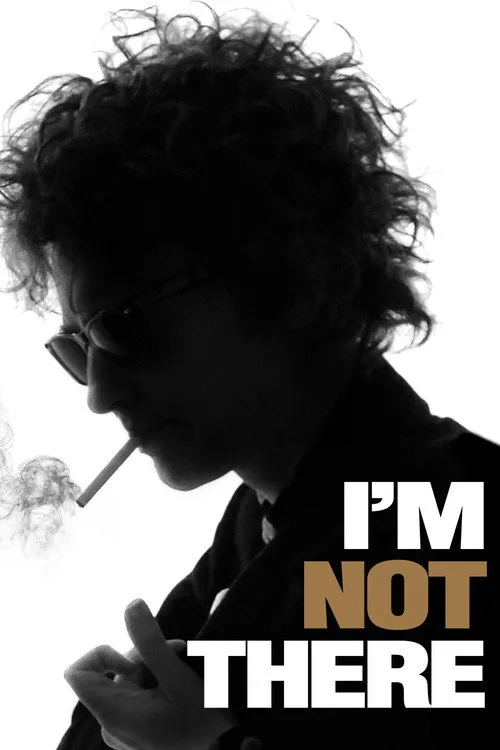
What changes The Cotton Club: interwoven storylines, musical interludes, rising criminal tension and spectacular set pieces. I'm Not There: nonlinear and episodic, shifts in tone and reflective musical interludes.
Six characters, each played by a different actor, embody distinct facets of the public persona and artistic history of Bob Dylan. Their stories move through folk music, fame, protest, reinvention, and retreat without forming a single chronological biography. Todd Haynes uses shifting eras and visual styles to resist the idea that one person can be captured by a stable public image. The result is an experimental musical drama about performance, mythmaking, and the many identities an artist can inhabit, with Dylan's songs functioning as a connective thread rather than a conventional soundtrack.
Based on recorded story, mood and style. Your preferences can change the order.
Criminal underworld
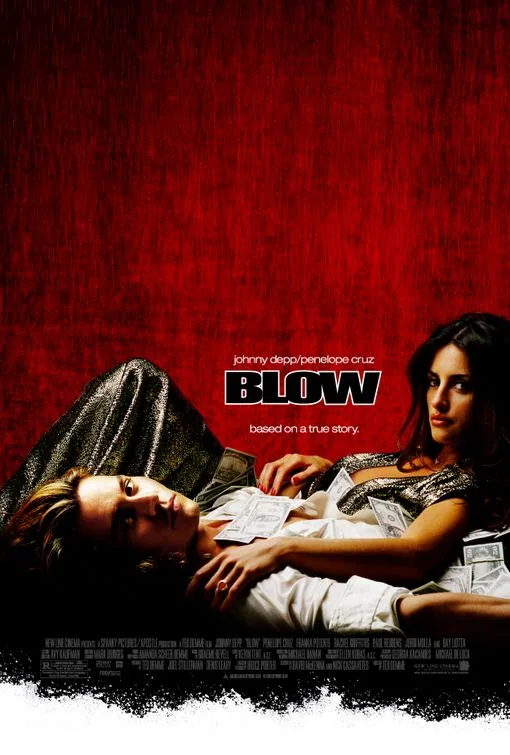
What changes The Cotton Club: interwoven storylines, musical interludes, rising criminal tension and spectacular set pieces. Blow: episodic and escalating.
George Jung moves from small-scale marijuana dealing into cocaine trafficking during the drug trade’s rapid expansion in the United States. His growing wealth brings access and status, but also strains his family relationships and draws the attention of law enforcement. The crime biography traces how ambition, addiction and loyalty become entangled across successive rises and falls.
Based on recorded story, mood and style. Your preferences can change the order.
Music and performance
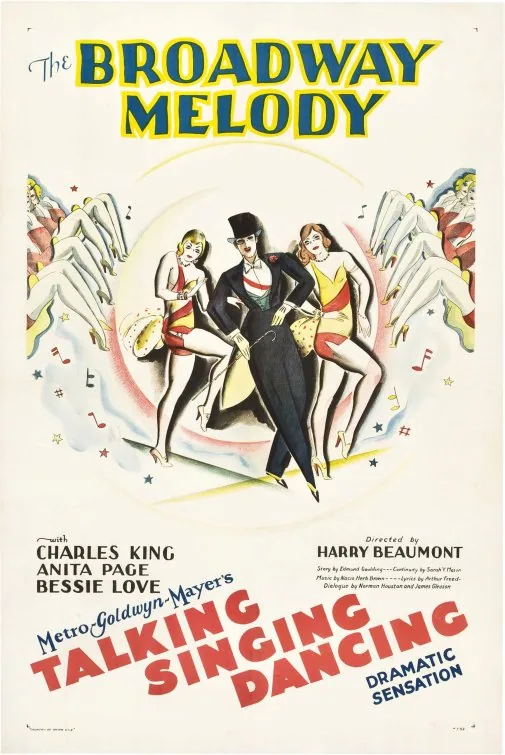
What changes The Cotton Club: interwoven storylines, musical interludes, rising criminal tension and spectacular set pieces. The Broadway Melody: backstage musical progression and performance climax.
Sisters Hank and Queenie Mahoney arrive in New York hoping to perform their vaudeville act in producer Francis Zanfield's revue. Hank relies on her business sense and talent, while Queenie's beauty attracts attention from the producer and the wealthy playboy Jock Warriner. Eddie Kearns, who is engaged to Hank, becomes drawn to Queenie, complicating the sisters' loyalty and their chances of success. As rehearsals and career opportunities reshape their plans, the film tests whether family devotion can survive rivalry in a world that treats women as performers and romantic prizes.
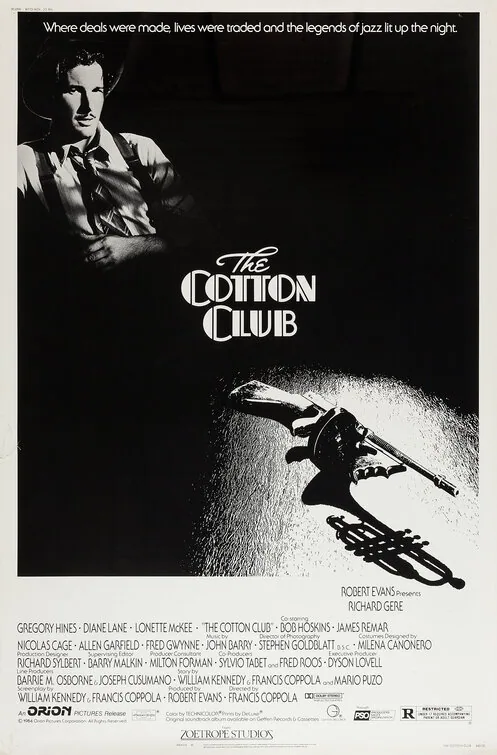
In 1920s Harlem, musician Dixie Dwyer becomes involved with mobsters who can advance his career and falls for Vera Cicero, the girlfriend of Dutch Schultz. At the Cotton Club, dancer Sandman Williams and his brother Clay perform in a venue where Black entertainers play for largely white patrons under mob ownership. Dixie’s Hollywood success deepens his ties to the club’s operators, while his younger brother Vincent enters Schultz’s criminal world. Sandman’s solo performance strains his bond with Clay, and the club’s treatment of its performers draws the attention of Harlem leader Bumpy Rhodes. Music, ambition, romance and mob violence converge around the club’s stage as Dixie and Sandman perform through the gangland conflict.
What drives the story
The Cotton Club offers artistic opportunity while its ownership and audience expose the unequal terms of that opportunity.
The people at its centre
Dixie balances his ambition with danger around Vera, while Sandman and Clay struggle over who gets the spotlight.
What it feels like
Musical spectacle and crime melodrama share the frame, making the club’s performances inseparable from its power structure.
Worth knowing
This is a period ensemble drama where jazz, racial hierarchy and organized crime meet, rather than a single-character rise-to-fame story.
Race and performanceAmbition and exploitationOrganized crime