Based on recorded story, mood and style. Your preferences can change the order.
Survival
What changes The Edge: survival escalation and trust erosion. The Ghost and the Darkness: escalating and survival-driven.
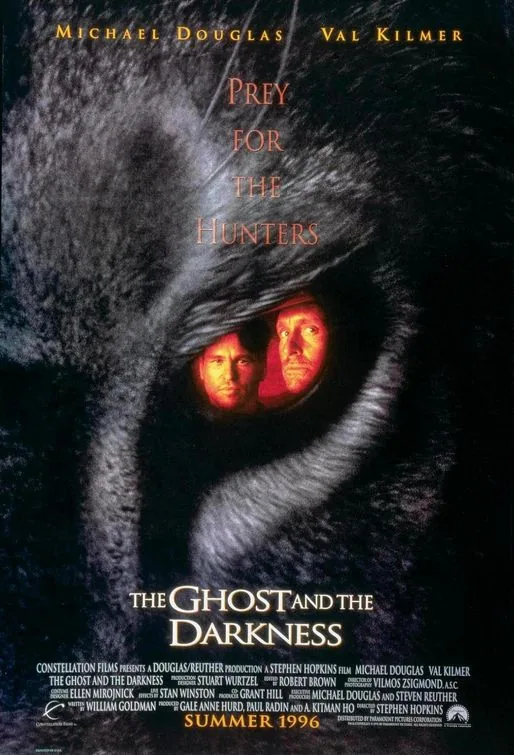
Engineer John Patterson travels to Kenya to supervise a railway bridge, where two lions begin killing workers and disrupting the project. He joins hunter Remington in trying to stop them, while the camp's growing fear makes every delay more dangerous. The historical adventure uses the construction site and surrounding wilderness to place human ambition against a persistent natural threat.
Based on recorded story, mood and style. Your preferences can change the order.
Survival
What changes The Edge: survival escalation and trust erosion. The Grey: journey-driven and attritional.
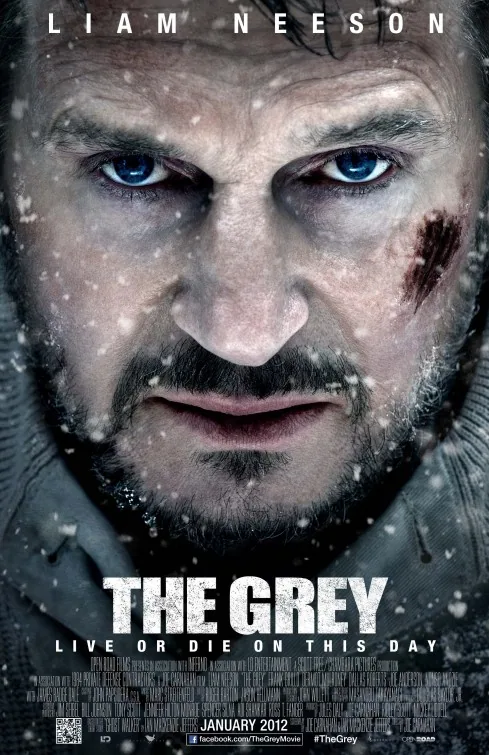
After a plane crash in the Alaskan wilderness, oil workers led by sharpshooter John Ottway try to reach safety while a pack of wolves follows them. The group's injuries, dwindling supplies and disagreements make survival difficult even before the predators close in. Ottway's grief and spiritual doubt surface during the trek, giving the physical struggle an inward dimension without softening the wilderness's indifference.
Based on recorded story, mood and style. Your preferences can change the order.
Survival
Expect harsh and suspenseful, with expedition setup and survival escalation pacing.
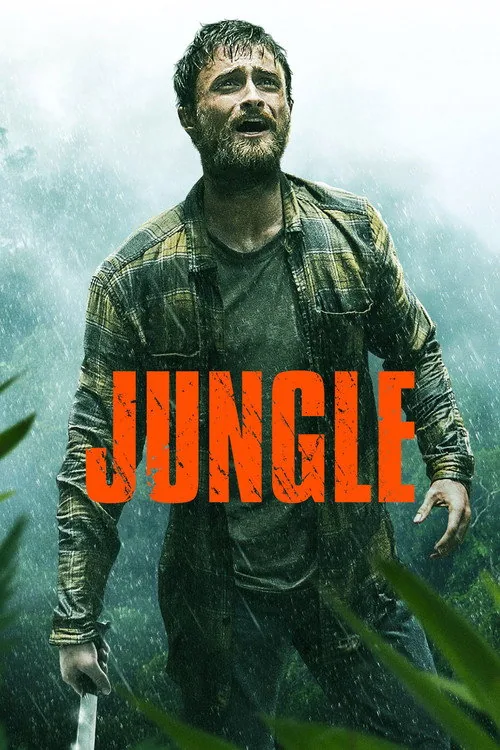
In 1981, young Israeli traveler Yossi Ghinsberg joins a geologist and other adventurers for an expedition into the Bolivian Amazon. When the group splits up, Yossi becomes lost and must find a way through difficult terrain with little food or support. Greg McLean’s survival drama is based on Ghinsberg’s memoir and follows his ordeal in the rainforest, where weather, isolation, injury, and exhaustion test his judgment and resolve.
Based on recorded story, mood and style. Your preferences can change the order.
Survival
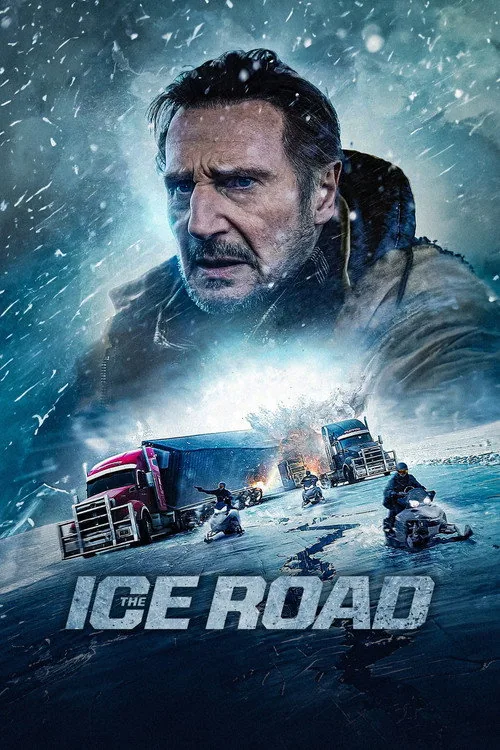
What changes The Edge: survival escalation and trust erosion. The Ice Road: rescue deadline, set-piece convoy hazards and action-driven showdown.
After a remote diamond mine collapses in northern Canada, truck driver Mike McCann joins a convoy tasked with hauling heavy equipment across frozen roads to reach trapped miners. The journey is complicated by unstable ice, severe weather, sabotage, and the competing interests of a corporate representative. Mike also travels with his brother Gurty, a veteran mechanic with a traumatic brain injury. The action thriller turns specialized winter trucking into a rescue mission where every load and route decision carries real danger.
Both share themes of survival, plus a suspenseful atmosphere.
Why this matches +
Genres: Disaster / Action
Shared film traits
Based on recorded story, mood and style. Your preferences can change the order.
Survival
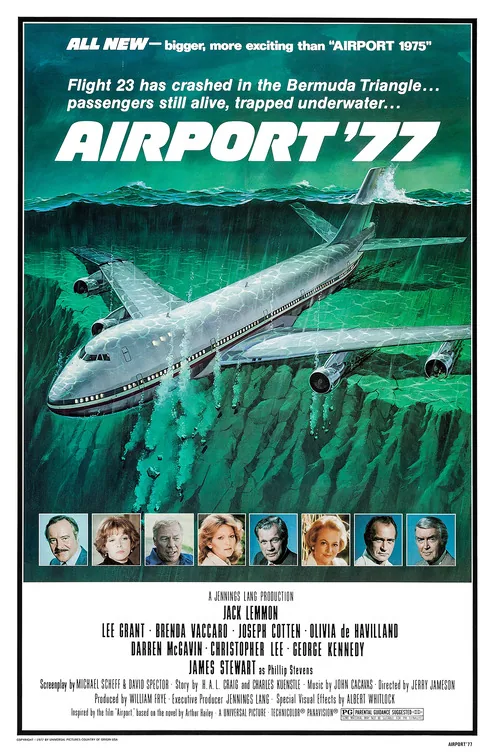
What changes The Edge: survival escalation and trust erosion. Airport '77: ensemble, ticking-clock and escalating.
A privately owned Boeing 747 carrying a valuable art collection to Palm Beach disappears in the Bermuda Triangle after a hijacking goes wrong. The plane strikes an offshore platform and sinks in shallow water with passengers trapped inside, including the owner's estranged daughter and young grandson. Captain Don Gallagher and rescuers race to locate and raise the aircraft before oxygen runs out, while family tensions and the thieves' motives unfold aboard the submerged jet.
Based on recorded story, mood and style. Your preferences can change the order.
Survival
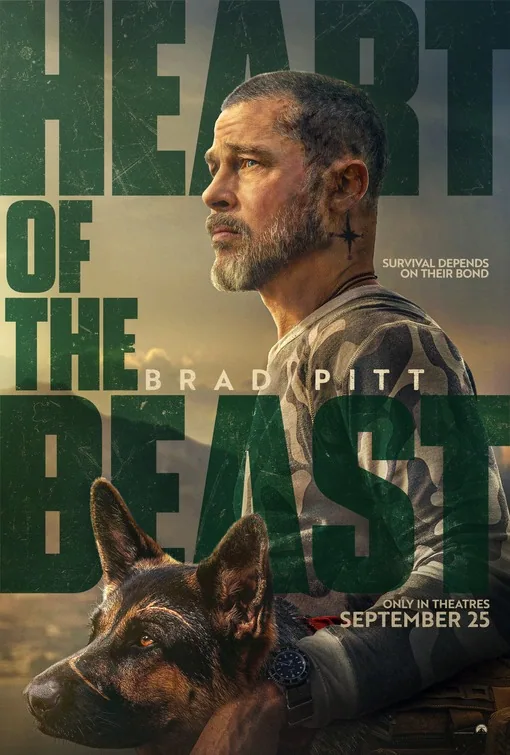
What changes The Edge: survival escalation and trust erosion. Heart of the Beast: steady and high stakes.
A plane crash leaves a former Special Forces officer and his combat dog stranded in the Alaskan wilderness, far from the security and routines that once organized their lives. The two depend on one another to endure the landscape and find a route home, making the human-animal partnership part of the practical survival problem as well as its emotional center. The film's tension comes from exposure, limited resources, and the need to coordinate under pressure.
Based on recorded story, mood and style. Your preferences can change the order.
Survival
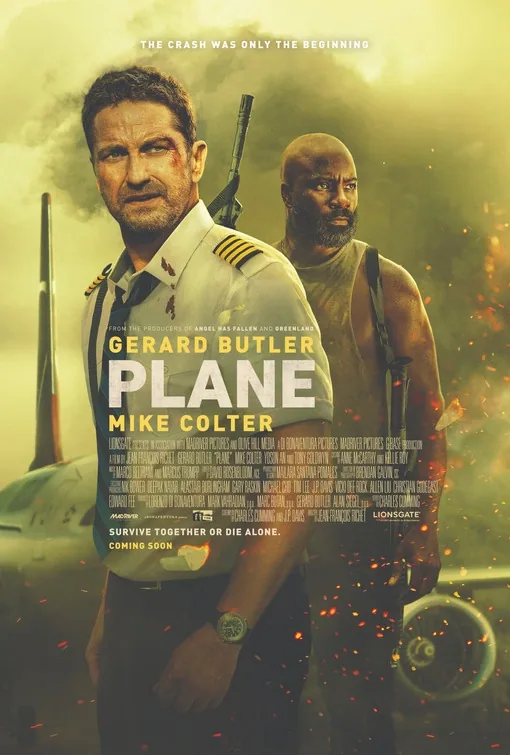
What changes The Edge: survival escalation and trust erosion. Plane: a clear survival objective drives a rapid sequence of tactical setbacks.
Pilot Brodie Torrance makes an emergency landing on a remote island after a storm and finds his passengers caught in a violent local conflict. He forms an uneasy partnership with prisoner Louis Gaspare, whose abilities may help them get everyone to safety. The contained action thriller turns a routine flight into a rescue problem, testing leadership, trust, and the difference between an official label and a person’s conduct.
Based on recorded story, mood and style. Your preferences can change the order.
Survival
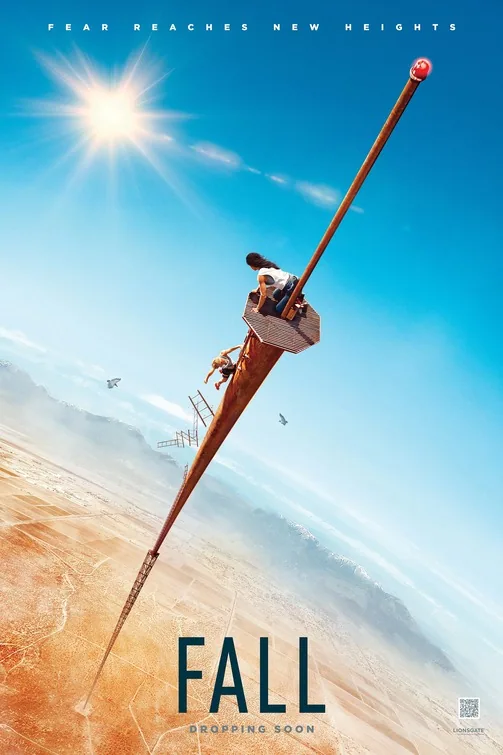
What changes The Edge: survival escalation and trust erosion. Fall: real-time and escalating.
After her husband dies in a climbing accident, Becky withdraws from her friends and family. Her friend Hunter persuades her to climb a disused television tower in the desert and scatter his ashes, but their descent becomes impossible when the ladder fails. Trapped high above the ground with limited supplies, the two must improvise while confronting the grief and secrets that shaped their friendship. Scott Mann's thriller turns a simple rescue problem into sustained physical suspense.
Based on recorded story, mood and style. Your preferences can change the order.
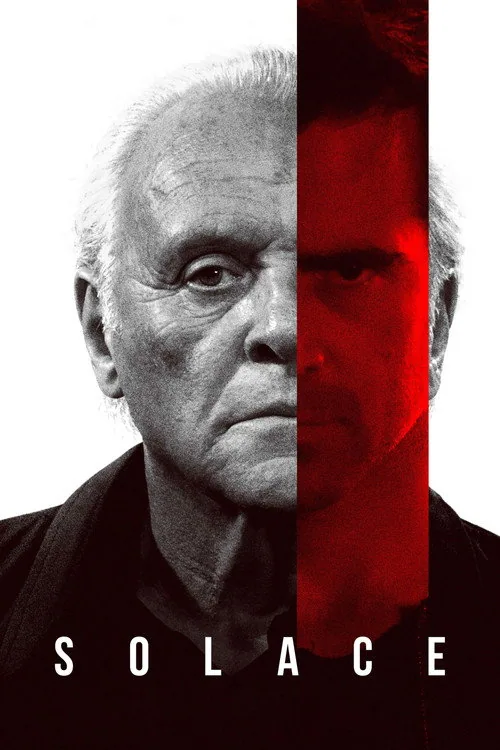
What changes The Edge: survival escalation and trust erosion. Solace: case-of-the-week clues, preemptive cat-and-mouse pursuit and reflective pauses.
When a series of murders defeats an FBI investigation, agent Joe Merriwether asks retired physician and psychic John Clancy for help. Clancy’s visions provide fragments of possible futures, but a killer named Charles Ambrose appears to possess similar abilities and stay ahead of the bureau. Afonso Poyart’s thriller turns the pursuit into a contest between two men who can glimpse what may happen, while Clancy’s private grief shapes his reluctance to return to investigative work.
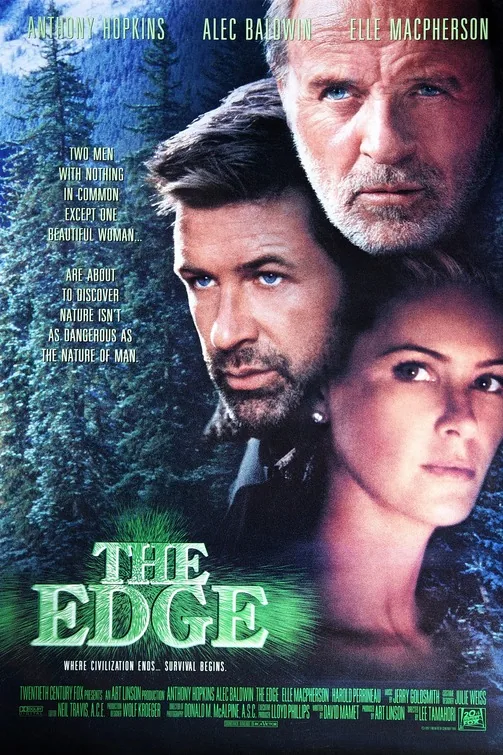
Billionaire Charles Morse travels to a remote Alaskan lodge with his wife Mickey, fashion photographer Robert Green and Green’s assistant Stephen. A small plane crash leaves the three men stranded in the wilderness, far from help and pursued by a large bear. Charles’s knowledge of survival and reading becomes crucial, but suspicion grows as he notices the tension between Mickey and Robert. Each man contributes different strengths and weaknesses as they navigate cold, hunger and the threat of the animal. Charles must decide whether to trust his companions while finding a way back to civilization. The survival ordeal becomes inseparable from the question of what each man intends once they are safe.
What drives the story
The plane crash removes the men from the social world where Charles’s wealth is useful; practical survival skills become a test of observation and nerve.
The people at its centre
Charles’s quiet attention offsets Robert’s confidence and Stephen’s insecurity. Jealousy adds a human threat to the bear and wilderness they must survive.
What it feels like
A lean wilderness thriller with a measured build, stark Alaskan landscapes and one persistent creature threat. Its suspense comes from changing trust as much as action.
Worth knowing
A fit for survival dramas where ingenuity and character conflict matter as much as exposure to nature; it is more psychological than a wilderness-disaster spectacle.
SurvivalPrideDistrust
Mood
Suspenseful · Harsh · Psychological
Pacing
Survival escalation · Trust erosion
Visual style
Expansive wilderness · Practical survival detail
Storytelling
Wilderness ordeal · Bear threat · Rivalry under pressure