A wrongful-dismissal lawsuit requires proof that an apparently professional decision conceals prejudice, while the claimant's worsening illness makes legal procedure emotionally urgent.
Why this matches +
These offer a related experience with a meaningful difference in story, tone, or presentation.
An adjacent discovery: a related idea with a different viewing experience.
Genres: Drama / LGBTQ-related
Shared film traits
Based on recorded story, mood and style. Your preferences can change the order.
What changes A person facing stigma and institutional discrimination seeks dignity while another professional learns to recognize his humanity.
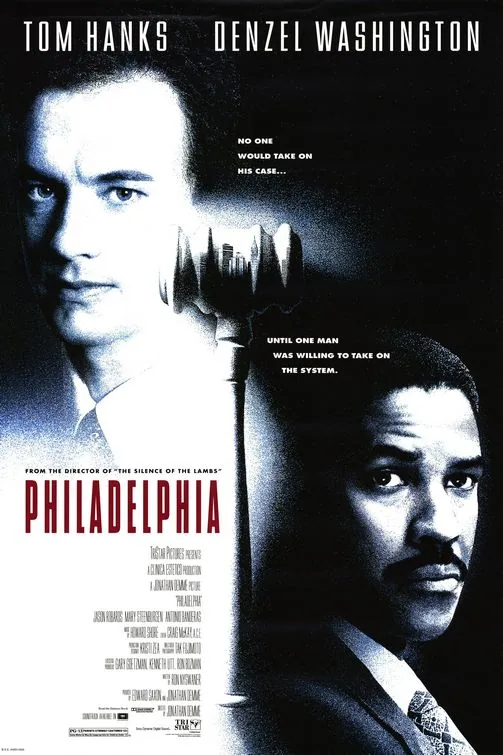
A successful lawyer who has concealed his AIDS diagnosis is dismissed after a disputed failure at work. Believing the explanation masks discrimination, he seeks representation from a lawyer whose own fear and prejudice initially make assistance unlikely. Preparing and trying the case turns professional evidence into a demand for public dignity, while illness gives each delay a personal cost and exposes the difference between legal sympathy and actual acceptance.
An escalating public role turns a private communication difficulty into a recurring test of trust between a royal patient and a practitioner outside established authority.
Why this matches +
These offer a related experience with a meaningful difference in story, tone, or presentation.
An adjacent discovery: a related idea with a different viewing experience.
Genres: Drama / Biography
Shared film traits
Based on recorded story, mood and style. Your preferences can change the order.
What changes A person whose physical difference attracts public scrutiny develops trust with a helper while seeking the dignity of being heard.
A British prince whose stammer makes public speaking painful seeks assistance from an unconventional practitioner who refuses the usual deference to royalty. Family tensions and a constitutional crisis unexpectedly place him on the throne as war approaches. Preparing to address the country requires more than a technique for individual words: he must negotiate trust, shame and the possibility of relying on a relationship that court expectations regard as unequal.
A treatment trial makes patients' hidden capacities visible, then confronts clinicians with the limits and side effects of a response they cannot preserve. The central question changes from whether to wake someone to how to respect a life after the awakening.
Why this matches +
These offer a related experience with a meaningful difference in story, tone, or presentation.
An adjacent discovery: a related idea with a different viewing experience.
Genres: Drama / Biography
Shared film traits
Based on recorded story, mood and style. Your preferences can change the order.
What changes A physician forms a relationship with patients whose humanity challenges assumptions built into medical care and public observation.
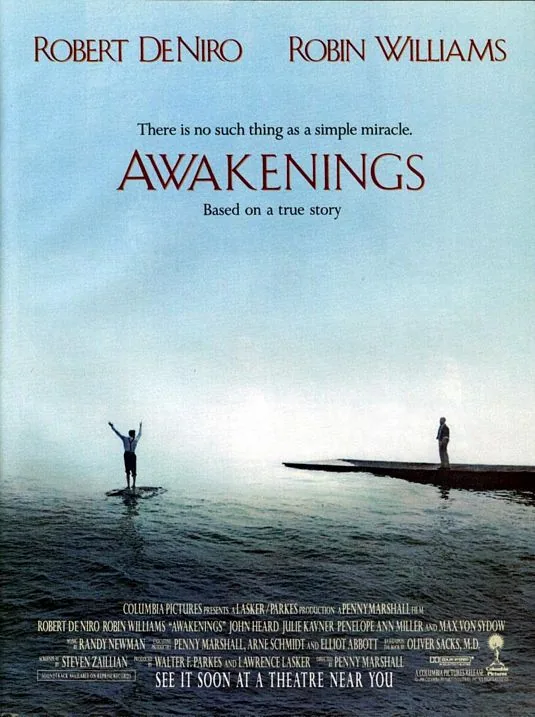
Neurologist Malcolm Sayer begins working with patients who survived encephalitis lethargica but have spent years in catatonic or severely limited states. His careful observations lead him to try L-DOPA, and Leonard Lowe's response opens a brief period of renewed speech, movement and independent desire. The change is a medical breakthrough and a challenge to the institution's assumptions about what the patients can experience. When the improvement proves unstable, the story shifts from cure to the difficult ethics of care, dignity and time. It is inspired by Oliver Sacks's work but substantially dramatized.
A contradictory eligibility decision traps a sick worker between systems, making survival depend on navigating tasks whose completion does not produce timely support.
Why this matches +
These offer a related experience with a meaningful difference in story, tone, or presentation.
An adjacent discovery: a related idea with a different viewing experience.
Genres: Drama
Shared film traits
Based on recorded story, mood and style. Your preferences can change the order.
What changes A vulnerable man struggles to retain dignity while institutions reduce his needs to procedures and eligibility.
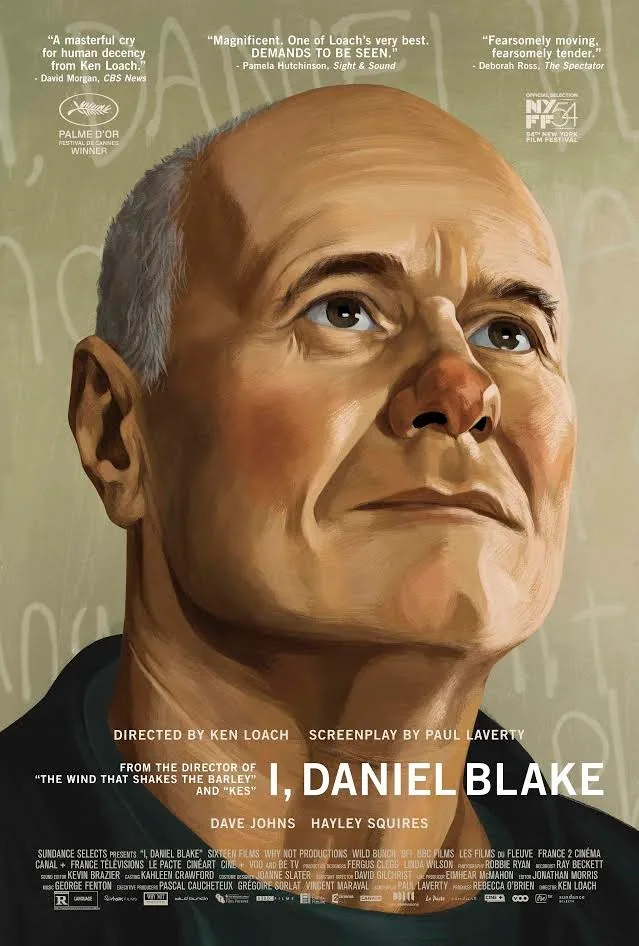
A widowed carpenter unable to resume work after a heart attack is declared fit by a benefits assessment and pushed into requirements that contradict his doctor's advice. Seeking an appeal demands computer skills, repeated explanations and performances of job-seeking that do little to meet his immediate needs. Friendship with a single mother creates a small network of practical care within the same system's failures. The social drama makes administrative delay materially consequential, contrasting ordinary competence and solidarity with procedures that refuse to recognize either.
An unconventional care appointment challenges a household's routines and makes social recognition develop through shared daily adjustments rather than formal credentials.
Why this matches +
These offer a related experience with a meaningful difference in story, tone, or presentation.
An adjacent discovery: a related idea with a different viewing experience.
Genres: Comedy / Drama
Shared film traits
Based on recorded story, mood and style. Your preferences can change the order.
What changes A disabled man and his caregiver negotiate dignity, friendship and unequal social treatment within a protective relationship.
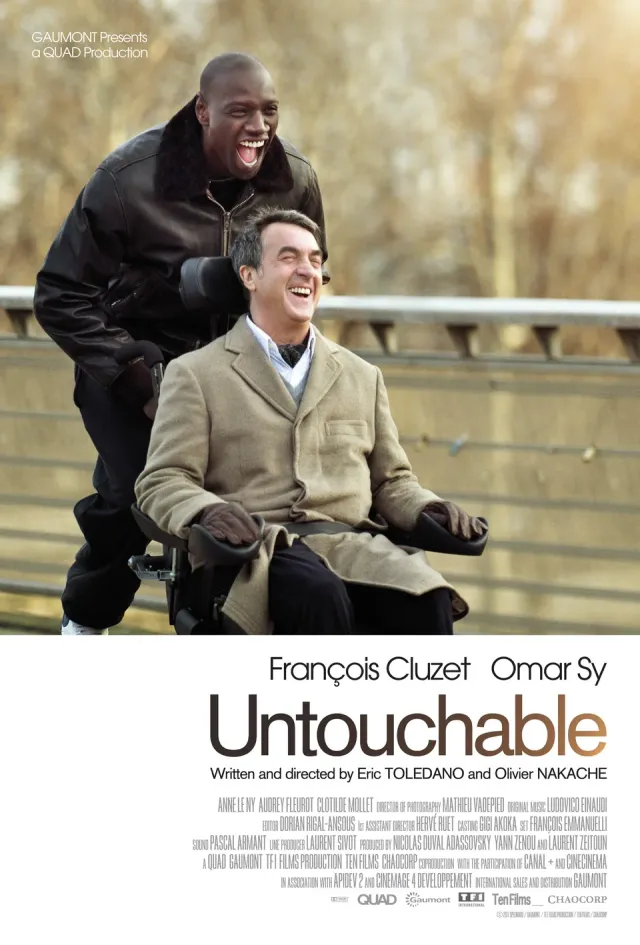
A wealthy Parisian man paralysed after an accident interviews a young applicant who wants proof that he sought work rather than the position itself. Hiring him as a live-in caregiver creates a relationship neither man's social circle readily understands. Practical inexperience, direct humour and different expectations of dignity gradually produce mutual reliance, while money, family obligations and loneliness prevent the friendship from existing outside material differences.
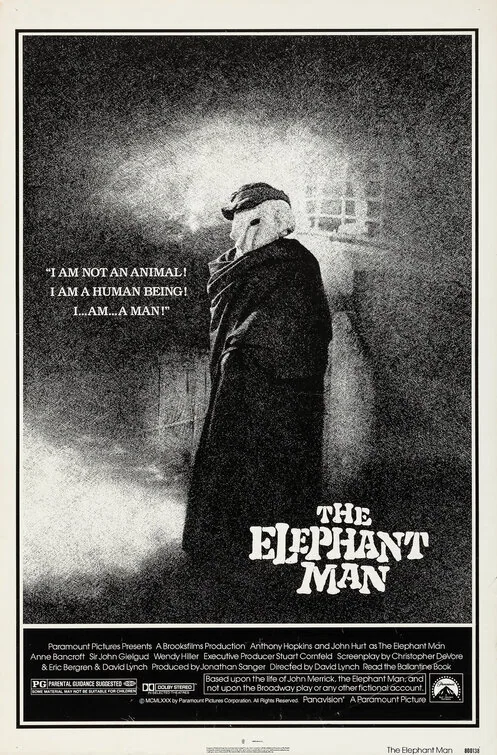
A London surgeon encounters a severely disfigured man exhibited as a spectacle and arranges to examine and shelter him. As the patient's intelligence and sensitivity become visible, medical care, public fascination and social patronage create new forms of display. His search for ordinary dignity forces people offering protection to consider whether their attention differs enough from the exploitation they condemn.
What drives the story
A move from public exhibition to medical protection reveals how difficult recognition becomes when others control one's visibility.
The people at its centre
A vulnerable man and a concerned doctor navigate care, dependency and the doctor's uncertainty about his own motives.
What it feels like
Grotesque industrial imagery gives way to intimate speech and an emotionally direct demand for humane attention.
Worth knowing
Its unusual appearance belongs to a serious drama about personhood and exploitation, not a monster horror story.