The film's engine follows practices and games show trust developing through repeated shared pressure; this keeps the stakes tied to observable choices.
Why this matches +
These offer a related experience with a meaningful difference in story, tone, or presentation.
An adjacent discovery: a related idea with a different viewing experience.
Genres: Biography / Drama
Shared film traits
Based on recorded story, mood and style. Your preferences can change the order.
Sport and competition
What changes Black athletes and their teammates confront racial barriers while a football team pursues success under a demanding coach; an integrated high-school squad.
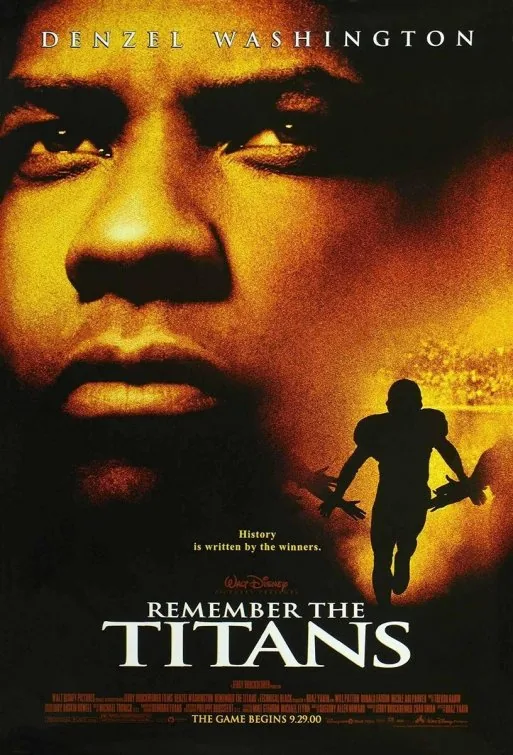
In 1971 Virginia, newly integrated T.C. Williams High School brings its football players together under coach Herman Boone, while community resistance surrounds the team. As the players train and compete, the season tests whether shared discipline can become genuine trust. The film pairs the routines of a sports story with a wider account of leadership, racism and civic change.
Rudy keeps pursuing a place at Notre Dame and on its football team despite obstacles that repeatedly make the goal seem unrealistic.
Why this matches +
These offer a related experience with a meaningful difference in story, tone, or presentation.
An adjacent discovery: a related idea with a different viewing experience.
Genres: Drama / Sport
Shared film traits
Based on recorded story, mood and style. Your preferences can change the order.
Sport and competition
What changes An underestimated young athlete pursues a difficult dream of playing college football through persistence and support; barriers of size and class rather than racial discrimination.
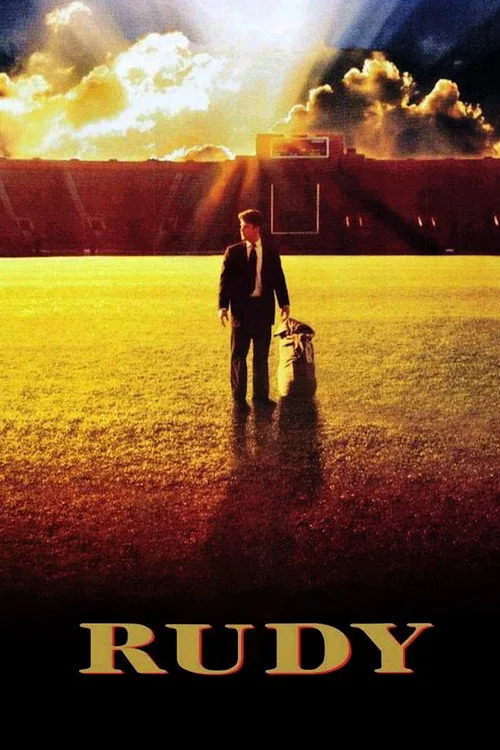
Daniel “Rudy” Ruettiger dreams of playing football for Notre Dame despite his small size, limited finances, and weak academic record. After years of work, setbacks, and help from friends, he finds a way to attend the university and tries to earn a place on the practice squad. David Anspaugh’s sports drama is based on Ruettiger’s story and follows determination more than athletic dominance, using college football and the Notre Dame community to frame a familiar underdog journey toward a brief chance on the field.
Haskins builds a team capable of competing nationally, then must keep his players united as racism intensifies around their success.
Why this matches +
These offer a related experience with a meaningful difference in story, tone, or presentation.
An adjacent discovery: a related idea with a different viewing experience.
Genres: Biography / Drama
Shared film traits
Based on recorded story, mood and style. Your preferences can change the order.
Sport and competition · Political resistance
What changes A coach and racially integrated team confront prejudice while pursuing a championship; college basketball rather than an individual football biography.
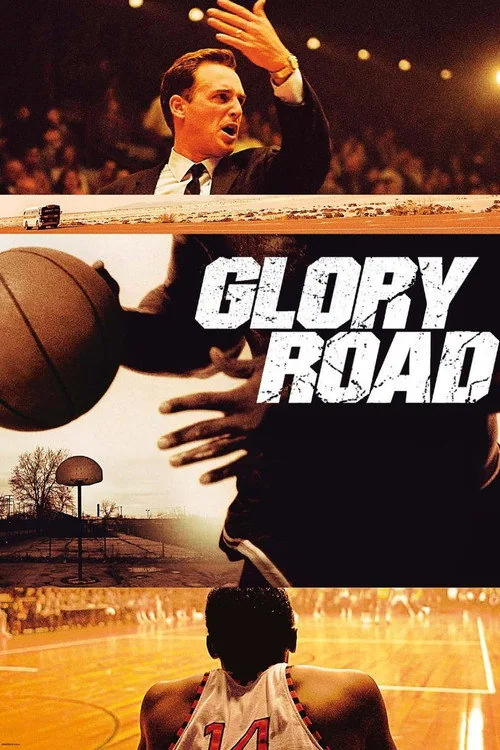
In 1965, Texas Western College coach Don Haskins recruits a racially integrated basketball team despite limited resources and skepticism from university officials. He pushes the players into a demanding system while their success draws racist hostility from opponents, crowds, and communities they visit. After a difficult regular season, the Miners reach the NCAA final against top-ranked Kentucky, where Haskins makes a decision that will challenge the era's expectations about who belongs on the court. The sports drama connects team building to a broader fight over racial equality.
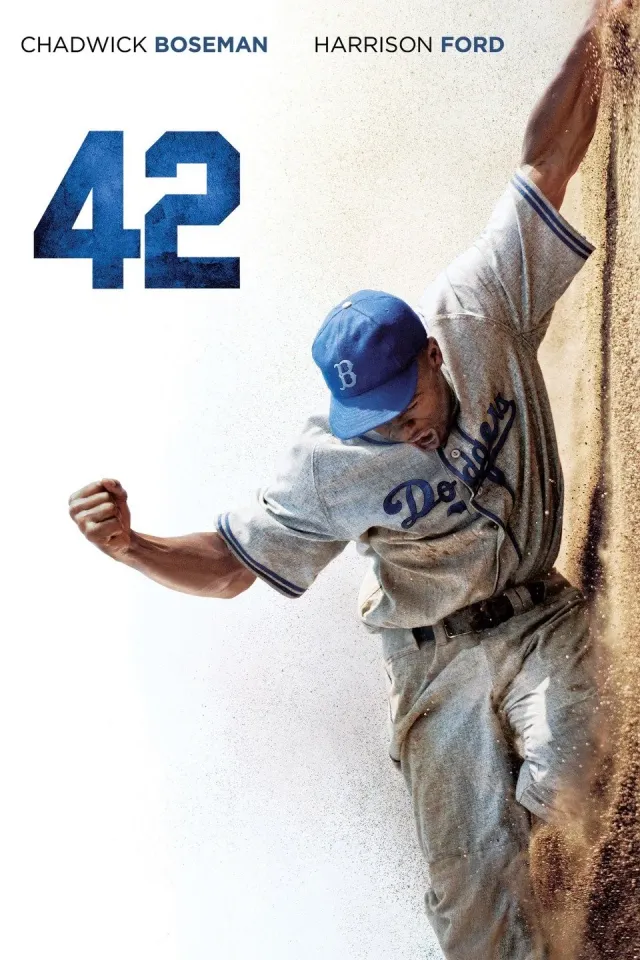
A gifted player enters Major League Baseball during a deliberate effort to break its modern-era color barrier.
Why this matches +
These offer a related experience with a meaningful difference in story, tone, or presentation.
An adjacent discovery: a related idea with a different viewing experience.
Genres: Drama / Sport
Shared film traits
Based on recorded story, mood and style. Your preferences can change the order.
Sport and competition · Political resistance
What changes A pioneering Black athlete faces institutional racism and public hostility while competing at the highest level; Jackie Robinson in baseball.
Jackie Robinson joins the Brooklyn Dodgers as Branch Rickey asks him to withstand public hostility while changing baseball’s color barrier. The story follows both a sports career and a daily contest over who is allowed to participate on equal terms, placing Robinson’s discipline beside the institutions and crowds trying to make his presence impossible. Games offer release, but also public tests of resolve.
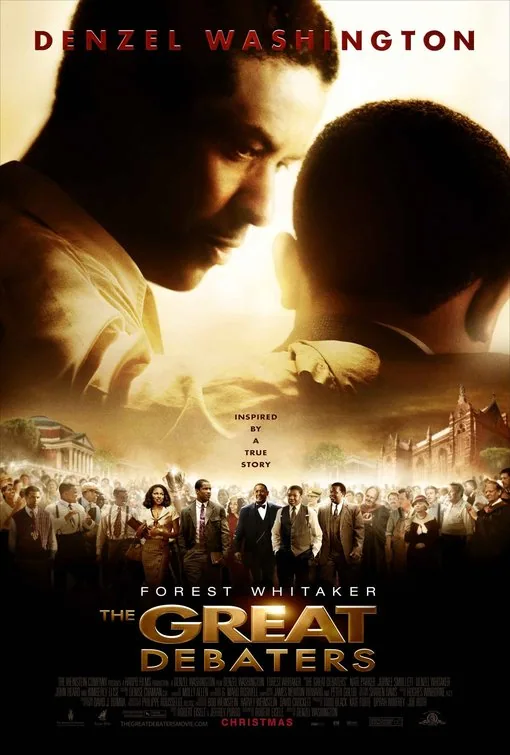
A professor trains students for debate while segregation shapes which institutions they can challenge and the risks they face along the way.
Why this matches +
These offer a related experience with a meaningful difference in story, tone, or presentation.
An adjacent discovery: a related idea with a different viewing experience.
Genres: Drama / Biography
Shared film traits
Based on recorded story, mood and style. Your preferences can change the order.
Political resistance
What changes Black students and their mentor challenge institutional racism while seeking recognition in national competition; a debate team rather than football.
In 1930s Texas, a professor builds a debate team at a Black college and prepares students to compete against institutions that exclude them from equal standing. Their research, rehearsal and travel expose them to racism and danger beyond the classroom, so intellectual argument becomes both an academic discipline and a public act of resistance. The drama links individual confidence with collective preparation, following young speakers whose success challenges the terms on which they are invited to participate.
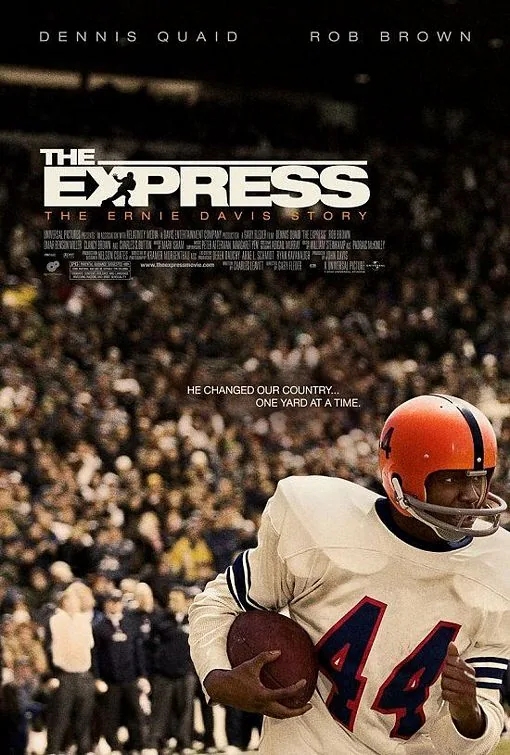
Ernie Davis rises as a gifted college football player while confronting racial barriers in the sport and beyond it. His talent brings recognition, but success does not shield him or his teammates from discrimination and pressure. The biographical drama connects athletic achievement with the wider struggle over who is permitted to belong and lead. Period settings and football sequences balance individual performance with the social context around the team.
What drives the story
Davis’s football career becomes a public breakthrough in a sport and institution shaped by racism, so success cannot stand apart from unequal conditions.
The people at its centre
Davis and coach Schwartzwalder develop mutual respect within unequal expectations that place responsibility on both player and institution.
What it feels like
Period settings, training sequences and game coverage give the biographical sports drama a gradual arc, with discrimination central to the stakes.
Worth knowing
a sports biography about racial barriers rather than a fictional underdog season built only on team rivalry