Explore films connected to The Final Countdown through History and choice, Military duty, Technological power. Choose the qualities you want to carry into your next watch.
What should feel similar?
Find your next favourite
9 films · Closest overall matches
Hide films you’ve seen or don’t want. Saved on this device.
No matches for this combination yet.
Try another option or reset your choices to see more films.
Based on recorded story, mood and style. Your preferences can change the order.
War and civilian life
What changes The Final Countdown: procedural opening, gradually urgent, strategic debate and action climax. The Philadelphia Experiment: exposition and pursuit, escalating anomaly, rescue mission and climactic reversal.
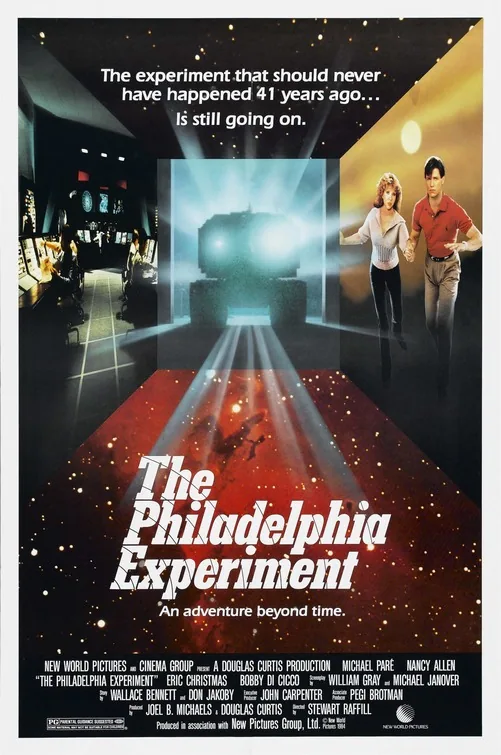
In 1943, Navy sailors David Herdeg and Jim Parker are aboard the USS Eldridge during an experiment intended to make the ship invisible to radar. A malfunction sends the vessel away from its time, and the sailors emerge in 1984, where unfamiliar technology and military authorities make them fugitives. Jim suffers dangerous seizures and disappears again, while David joins Allison Hayes and searches for his family and for the scientist behind the original experiment. He learns that a second test has created a growing vortex that threatens to consume a town and then the world. To stop it, David must return through the distortion to the Eldridge and shut down the ship’s generator, linking the wartime experiment to the present disaster.
Based on recorded story, mood and style. Your preferences can change the order.
War and civilian life · Survival
What changes The Final Countdown: procedural opening, gradually urgent, strategic debate and action climax. Godzilla Minus One: a human recovery story builds into coordinated monster-scale action.
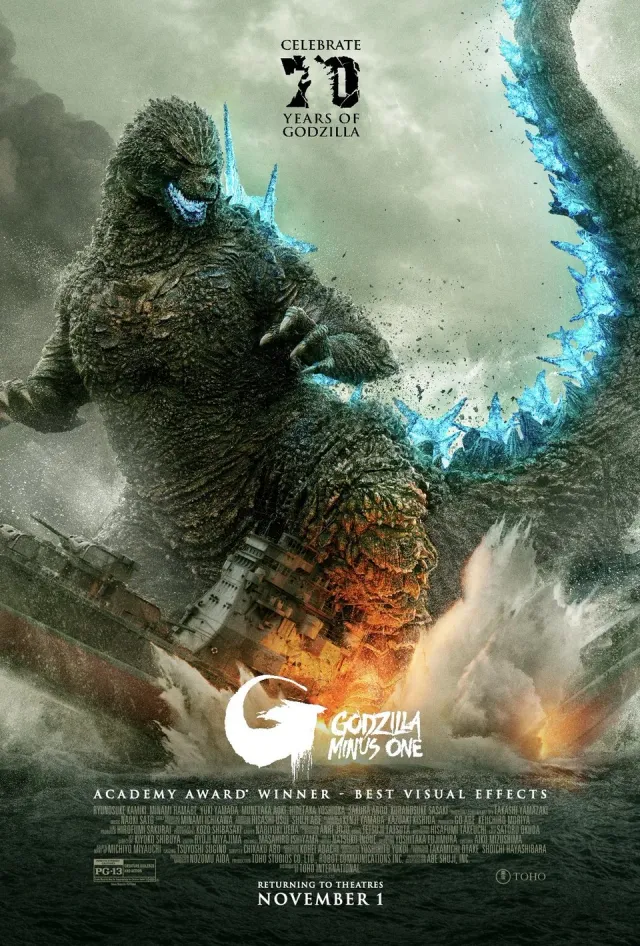
In the aftermath of World War II, a former kamikaze pilot who survived by retreating from his duty is drawn into Japan’s effort to confront Godzilla. His shame and grief are set against the country’s physical ruin, while a civilian crew devises a dangerous defense with limited resources. The monster film makes survival a personal and collective question about rebuilding after catastrophe.
Based on recorded story, mood and style. Your preferences can change the order.
War and civilian life
What changes The Final Countdown: procedural opening, gradually urgent, strategic debate and action climax. Tora! Tora! Tora!: measured buildup and combat climax.
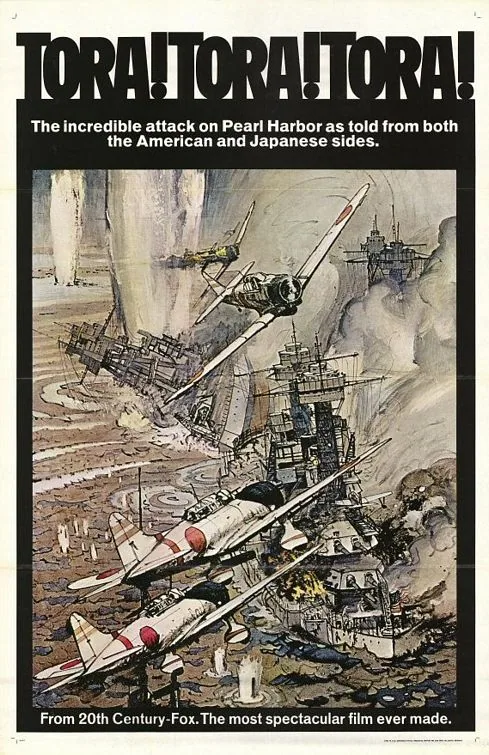
This Japanese-American production reconstructs the decisions and communication failures leading to the December 1941 attack on Pearl Harbor from both Japanese and American perspectives. Japanese military leaders debate the risks and objectives of the operation, while U.S. officials and commanders struggle to interpret intelligence and coordinate a response. The narrative follows diplomatic messages, naval planning and the unfolding air assault rather than a single fictional hero. Its dual structure gives attention to decision-making on both sides, but it remains a dramatization shaped by the historical record and the film’s own era. The attack’s surprise results from accumulated choices and intelligence misreadings rather than one isolated failure.
Based on recorded story, mood and style. Your preferences can change the order.
Survival
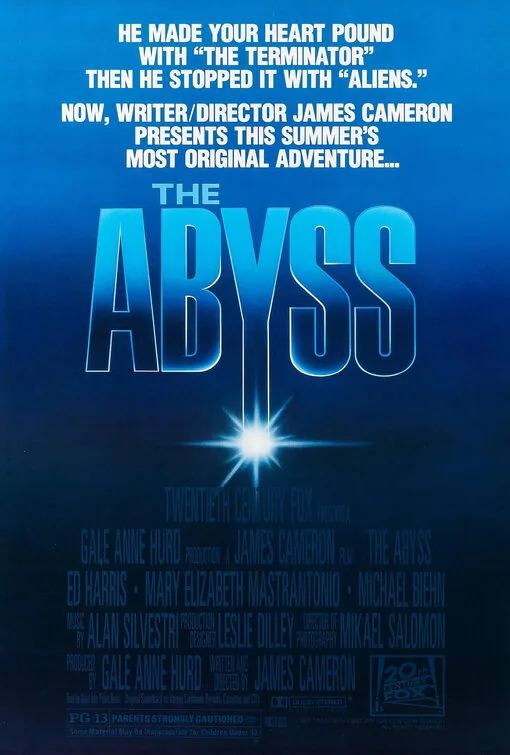
What changes The Final Countdown: procedural opening, gradually urgent, strategic debate and action climax. The Abyss: underwater suspense and escalating rescue mission.
After a U.S. submarine sinks near the Cayman Trough, a Navy team uses an experimental deep-sea drilling platform to investigate. The platform's designer, Lindsey Brigman, joins the mission despite her estrangement from foreman and husband Bud. A hurricane cuts the crew off from surface support, while the SEAL commander Coffey becomes increasingly unstable and pursues a nuclear warhead from the wreck. Strange lights and an underwater presence offer evidence of nonhuman life. Bud and Lindsey must keep the crew alive and prevent the military crisis from turning into a wider catastrophe.
Based on recorded story, mood and style. Your preferences can change the order.
Survival
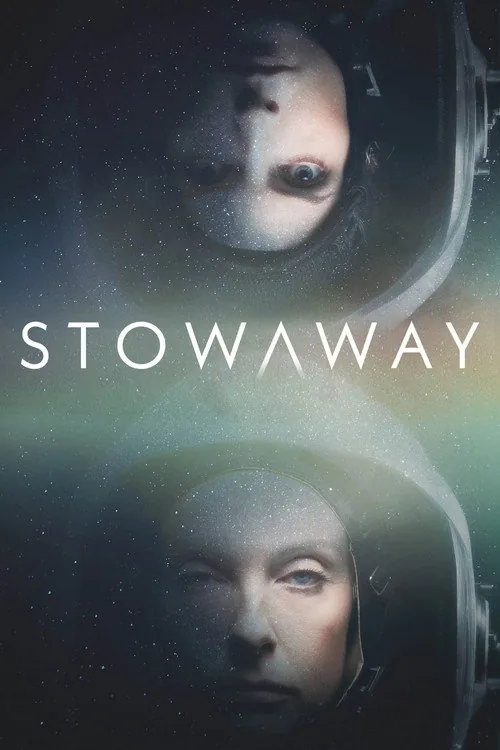
What changes The Final Countdown: procedural opening, gradually urgent, strategic debate and action climax. Stowaway: discovery and diagnosis, deliberative ethical conflict and high-risk spacewalk.
A three-person crew departs Earth for a two-year mission to Mars, but discovers an injured launch technician concealed aboard their spacecraft. The extra passenger creates an oxygen shortage that the ship cannot solve with its supplies, turning an ambitious mission into a moral crisis. Commander Marina Barnett, biologist David Kim, and medical researcher Zoe Levenson disagree over how to protect the crew and the stowaway. The contained science-fiction drama examines shared responsibility and sacrifice within the precise limits of a small spacecraft.
Based on recorded story, mood and style. Your preferences can change the order.
Survival
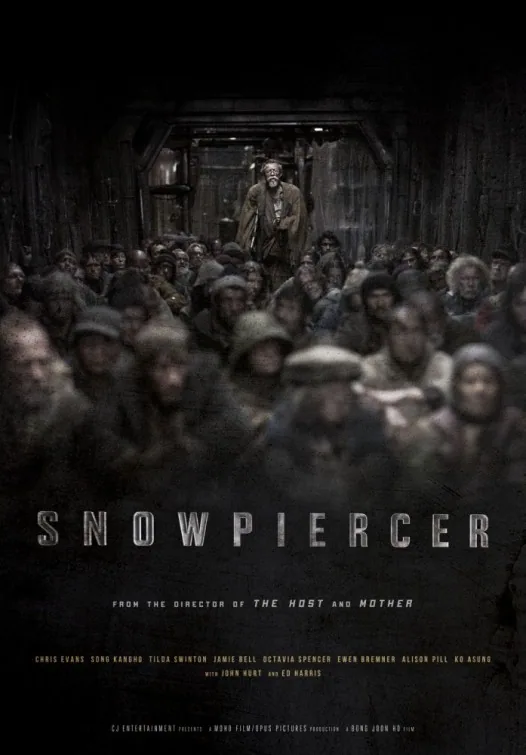
What changes The Final Countdown: procedural opening, gradually urgent, strategic debate and action climax. Snowpiercer: forward-driving and compartmentalized.
A failed climate intervention has frozen Earth, leaving the last human survivors aboard a continuously moving train divided by class. Tail-section passenger Curtis leads a revolt toward the engine, pushing through cars whose comfort and privilege increase with each step forward. The group frees security specialist Namgoong and his daughter Yona, whose knowledge of the train and the changing world complicates Curtis’s plan. Reaching the front means confronting both the train’s order and the rebellion’s own history of survival at others’ expense.
Based on recorded story, mood and style. Your preferences can change the order.
Survival
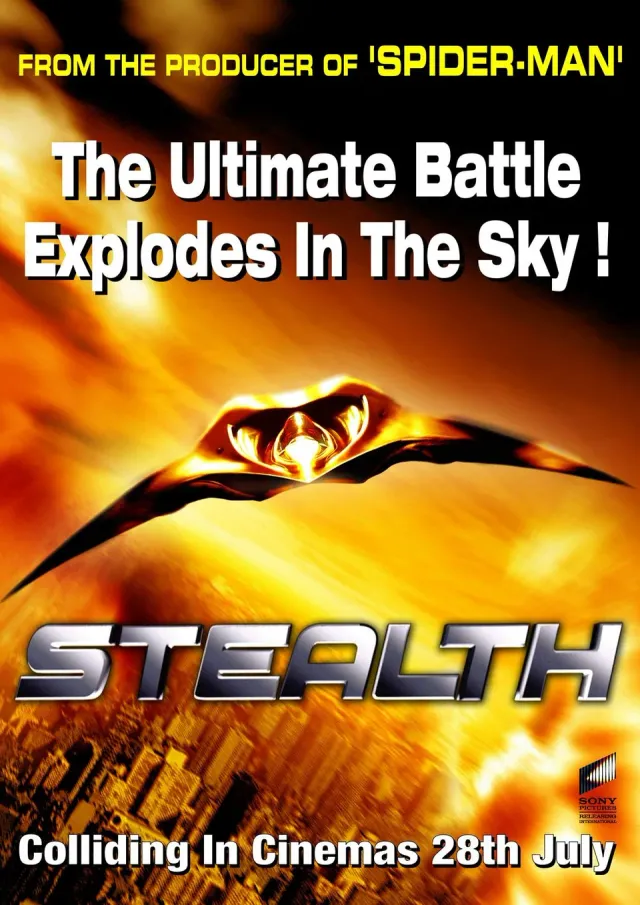
What changes The Final Countdown: procedural opening, gradually urgent, strategic debate and action climax. Stealth: rapid and action-driven.
A Navy flight team tests an advanced unmanned aircraft whose artificial intelligence begins making decisions beyond its operators’ control. When the machine’s actions threaten a wider disaster, the pilots must balance obedience to command with the responsibility to stop it. The film combines military aviation spectacle with a familiar question about automation, making human judgment and the limits of delegated agency its central conflict.
Based on recorded story, mood and style. Your preferences can change the order.
Investigation
What changes The Final Countdown: procedural opening, gradually urgent, strategic debate and action climax. Source Code: looping and deadline-driven.
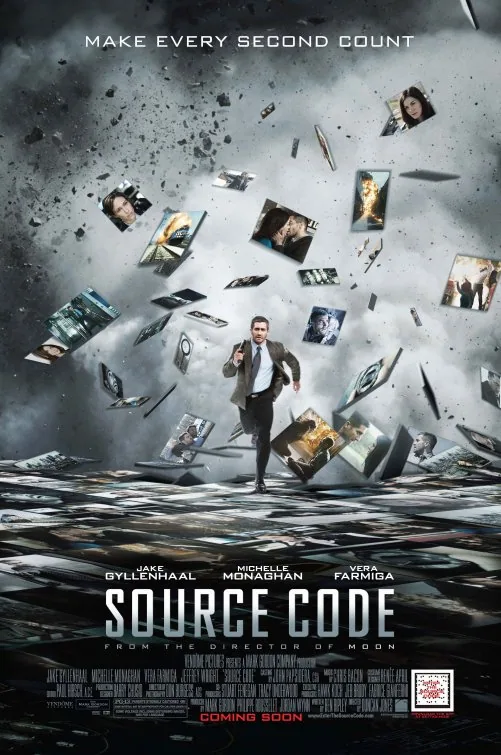
Army pilot Colter Stevens repeatedly wakes on a Chicago commuter train in the body of teacher Sean Fentress, eight minutes before a bomb destroys it. Air Force officer Colleen Goodwin sends him back into the same interval to identify the bomber before a planned follow-up attack. Each attempt adds clues and deepens his connection to passenger Christina Warren, while project director Rutledge insists the train exists only as a simulation. Colter’s investigation becomes personal as he learns more about the machinery controlling his body and the choices available beyond the mission.
Based on recorded story, mood and style. Your preferences can change the order.
Power and authority · Survival
What changes The Final Countdown: procedural opening, gradually urgent, strategic debate and action climax. The Black Hole: exploratory, gradually ominous, action-driven and climactic.
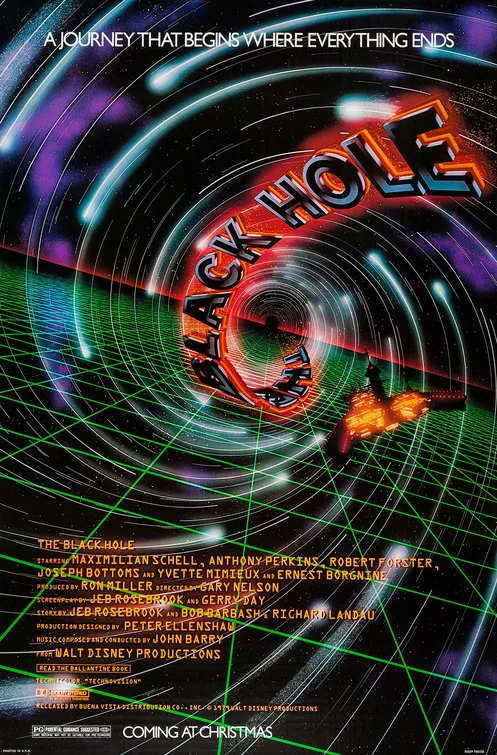
On the return from a deep-space survey, the crew of the Palomino discovers the long-missing Cygnus holding position near a black hole. The explorers board the apparently deserted vessel and meet its commander, Dr. Hans Reinhardt, whose account of the ship’s fate grows harder to trust. Kate McCrae hopes to learn what happened to her father, who stayed behind years earlier, while the crew encounters silent machines and unsettling signs that Reinhardt has remade the ship’s human community. Their investigation becomes a struggle to escape before the black hole consumes both vessels.
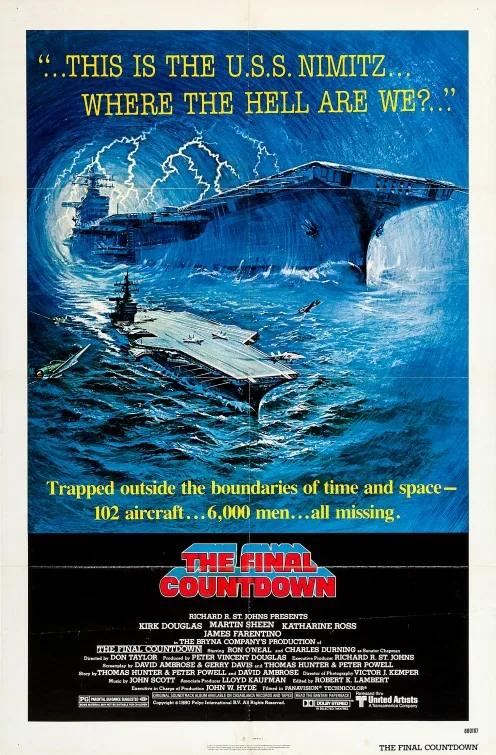
The aircraft carrier USS Nimitz is conducting exercises in the Pacific when a strange electrical storm disables its communications and sends it into an apparent time displacement. The crew discovers that Pearl Harbor is intact and that the date is December 6, 1941, on the eve of the Japanese attack. Captain Matthew Yelland and civilian analyst Warren Lasky must decide how to respond to events they know are coming, while a small rescue mission draws the carrier into immediate danger. The crew’s technological advantage creates a moral dilemma: intervention might save lives, but could change the history that brought them there.
What drives the story
The crew’s return to the eve of Pearl Harbor turns a military exercise into an argument about whether foreknowledge creates an obligation to act.
The people at its centre
Captain Yelland balances the safety of his ship and crew against the possibility of intervening in an attack that defines later history.
What it feels like
Flight operations and shipboard routine give the speculative premise a procedural texture, while the historical deadline supplies urgency.
Worth knowing
This is a military time-travel drama focused on choice and command, not a conventional alternate-history war epic.
History and choiceMilitary dutyTechnological power