Based on recorded story, mood and style. Your preferences can change the order.
Investigation
What changes The Girl on the Train: conflicting recollections and mystery reveal. The Fourth Kind: slow-building and found-footage framing.
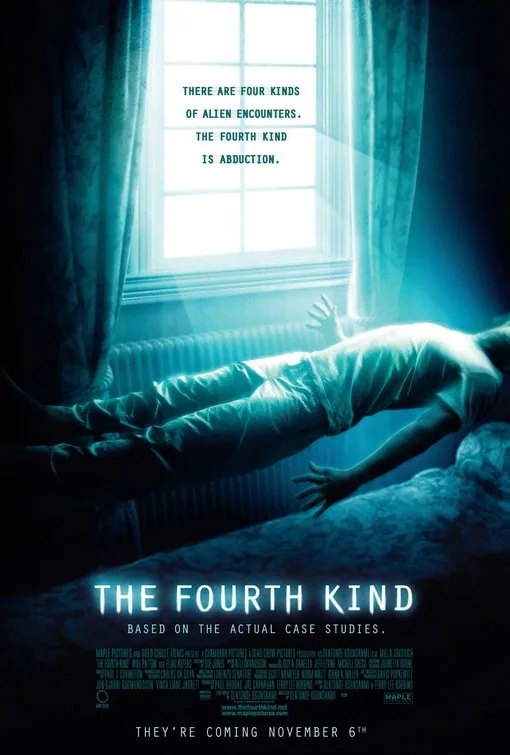
A psychologist in Alaska investigates patients who report disturbing experiences and gaps in memory, while her own family history makes the work personal. The film presents the case through a documentary-style frame and dramatized scenes, blurring the boundary between recorded evidence and genre storytelling. Its horror depends on uncertainty about what the witnesses experienced, how much can be remembered and whether any explanation can be verified.
Based on recorded story, mood and style. Your preferences can change the order.
Investigation
What changes The Girl on the Train: conflicting recollections and mystery reveal. Sinister: slow-building and investigation-led.
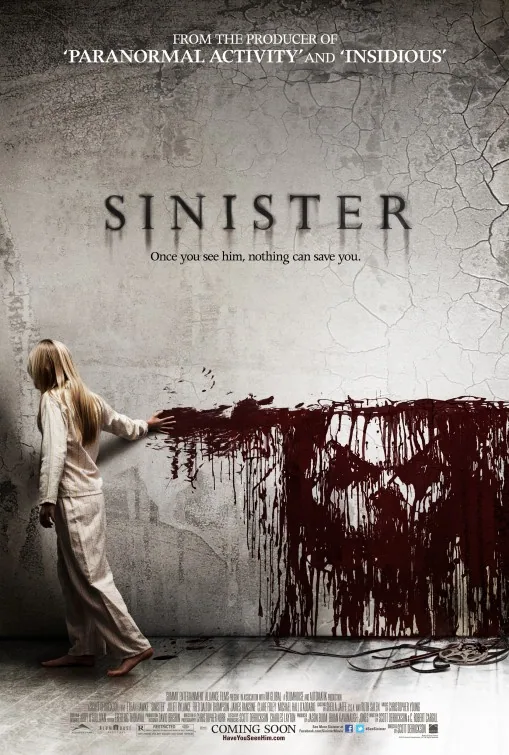
A true-crime writer moves his family into a house connected to an unsolved murder, concealing the reason from his wife. The discovery of disturbing home movies offers material that might revive his career, but his investigation begins to suggest a pattern reaching beyond ordinary crime. Professional ambition keeps him close to evidence that threatens the household, making the urge to watch and interpret part of the danger itself.
Based on recorded story, mood and style. Your preferences can change the order.
Investigation
What changes The Girl on the Train: conflicting recollections and mystery reveal. I Know What You Did Last Summer: a slasher mystery alternates pursuit with revelations about past events.
A year after a deadly accident, a group of friends reunite in Southport and find themselves targeted by someone who knows what they concealed. As threats escalate, they seek help from survivors of an earlier killing spree and investigate how their past actions have returned. The legacy sequel revisits guilt, secrecy, and slasher convention while placing a new group of young adults inside an inherited cycle of violence.
Based on recorded story, mood and style. Your preferences can change the order.
Investigation
What changes The Girl on the Train: conflicting recollections and mystery reveal. Paranormal Activity: The Marked Ones: slow domestic unease accelerates into a supernatural chase.
A group of friends investigates strange sounds and behavior in a neighbor’s apartment after a young man becomes linked to a mysterious presence. Their curiosity leads them into a hidden network of supernatural activity, shifting the found-footage perspective from domestic haunting to a larger threat. The horror draws on friendship and ordinary neighborhood life before turning that familiarity into a source of dread.
Based on recorded story, mood and style. Your preferences can change the order.
Investigation
What changes The Girl on the Train: conflicting recollections and mystery reveal. The Uninvited: slow-building and revelation-led.
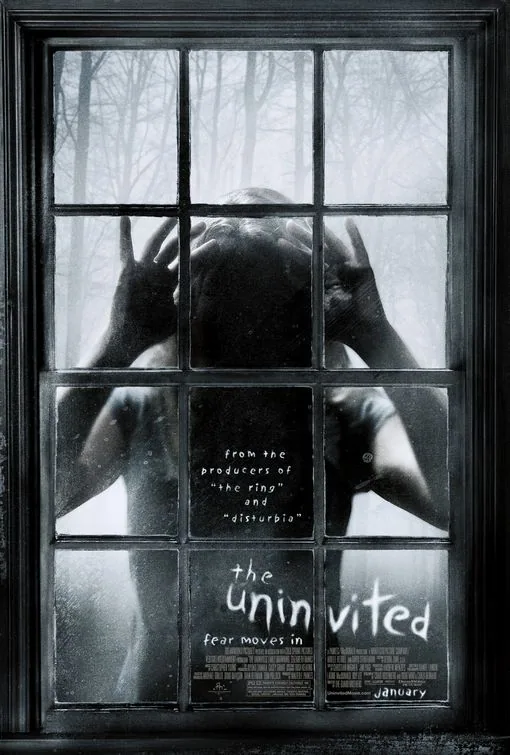
After leaving a psychiatric facility, a teenager returns home to live with her father and his new partner, while troubling events and memories complicate her sense of safety. Her sister supports her suspicions, but the household’s version of the past does not match what the girls remember. The horror remake uses family grief and uncertain recollection to build a mystery in which the apparent supernatural threat may be tied to a more intimate betrayal.
Based on recorded story, mood and style. Your preferences can change the order.
Investigation
What changes The Girl on the Train: conflicting recollections and mystery reveal. Rings: mystery clues accumulate before supernatural attacks.
A young woman becomes involved with a mysterious video that appears to predict the death of anyone who watches it unless they pass it on. Her search for the recording’s origin leads into a history of exploitation and supernatural danger. The horror sequel mixes investigation with a curse mechanism, turning curiosity and the circulation of media into risks that are difficult to escape.
Based on recorded story, mood and style. Your preferences can change the order.
Investigation
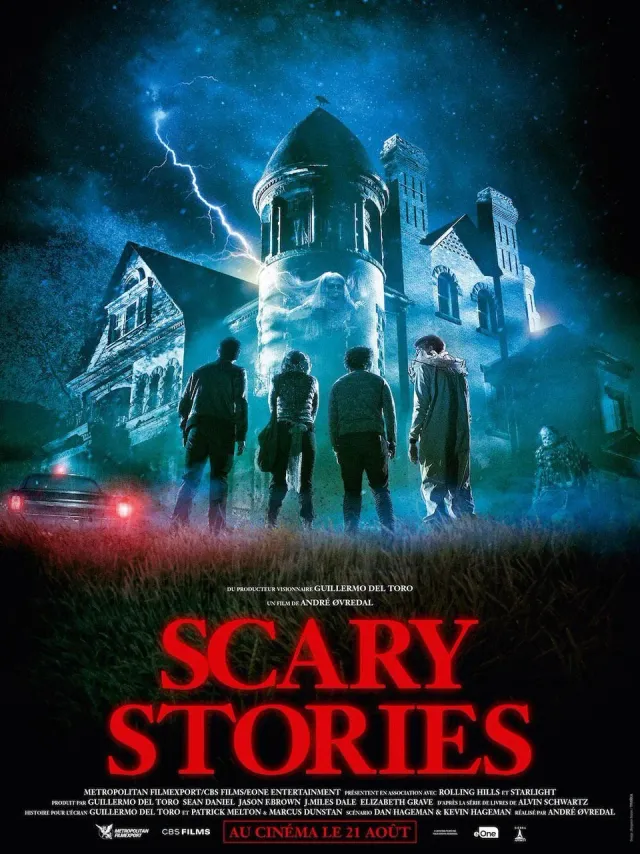
What changes The Girl on the Train: conflicting recollections and mystery reveal. Scary Stories to Tell in the Dark: anthology-like episodes build a common threat.
In 1968, teenager Stella and her friends explore an abandoned mansion on Halloween and find a book written by the long-dead Sarah Bellows. New stories appear in its pages, each drawing one of the friends into a local legend made frighteningly real. The film links a group of young characters’ choices to folklore, a town’s buried history and the possibility that stories can preserve suffering as well as entertain.
Based on recorded story, mood and style. Your preferences can change the order.
Investigation
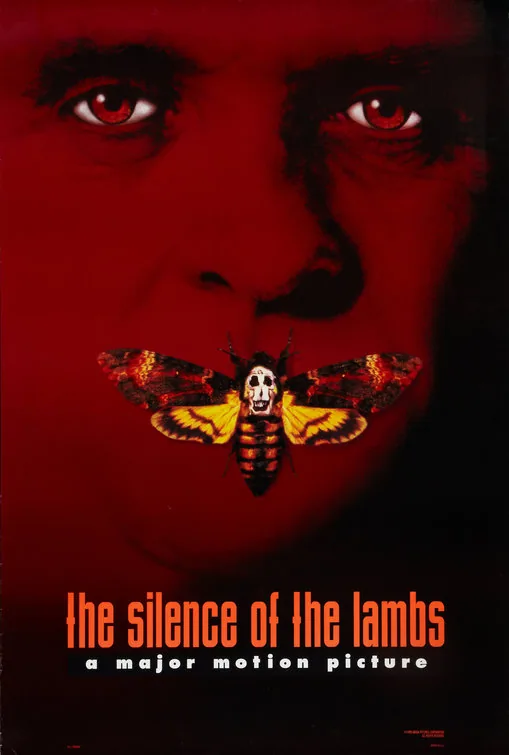
What changes The Girl on the Train: conflicting recollections and mystery reveal. The Silence of the Lambs: slow burn and intense.
FBI trainee Clarice Starling is sent to interview an imprisoned psychiatrist whose insight might help locate a serial killer holding another woman captive. The prisoner converts access to information into a demand for personal disclosure, making progress depend on navigating an unequal and dangerous exchange. Working through evidence beyond his guidance, Clarice must distinguish professional judgement from the humiliation, curiosity and manipulation directed toward her.
Based on recorded story, mood and style. Your preferences can change the order.
Investigation
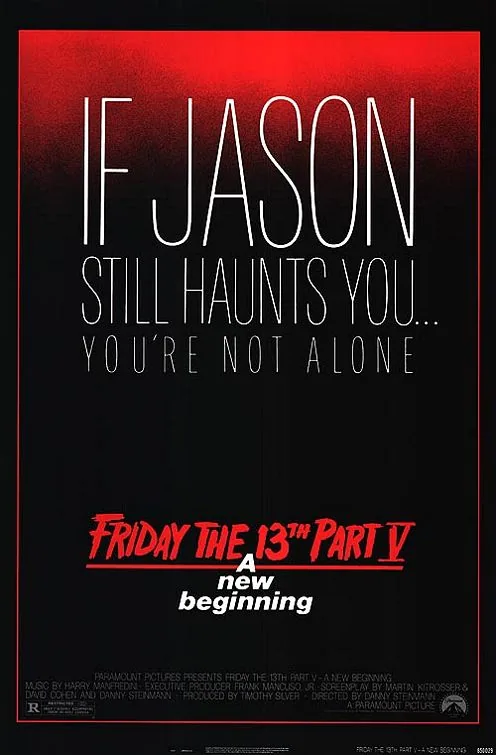
What changes The Girl on the Train: conflicting recollections and mystery reveal. Friday the 13th: A New Beginning: steady kills and reveal-driven.
Years after a childhood encounter with violence at Camp Crystal Lake, Tommy Jarvis is sent to a halfway house where residents struggle with their own histories. A new killing spree begins, reviving fears about Jason Voorhees and leaving the group unsure whether the legend has returned. The slasher mystery uses a vulnerable community and unreliable assumptions to sustain its sequence of suspicion and attacks.
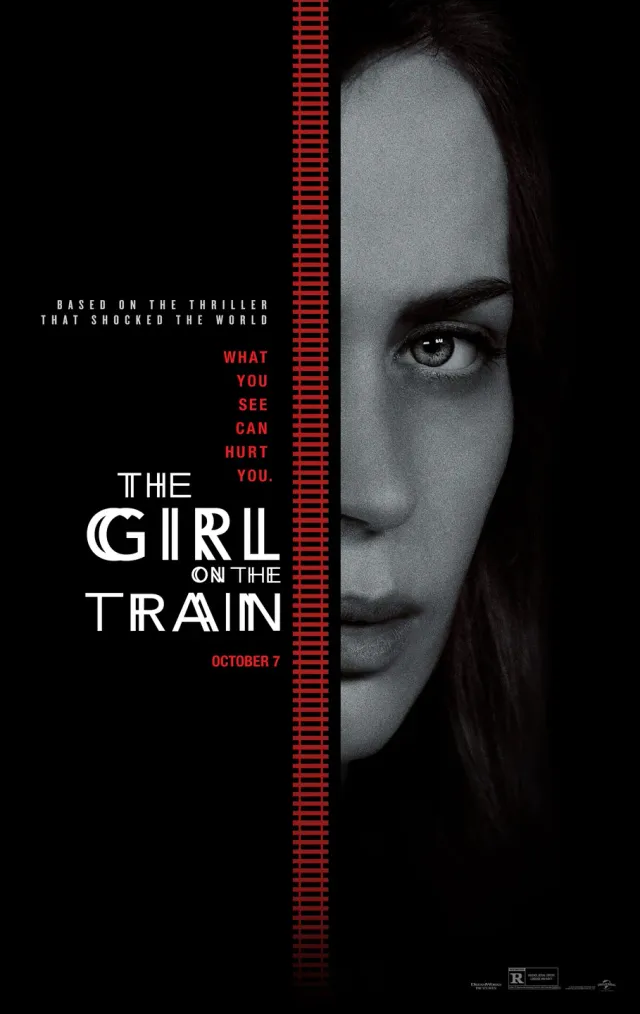
Rachel rides the train past the house where she once lived and watches a couple whose life she imagines as perfect. Her drinking and blackouts make her account of a night when the woman disappears unreliable, yet she becomes entangled in the investigation and in the lives of the people she has been observing. The story revisits the same relationships through shifting memories and perspectives, gradually separating what Rachel remembers from what happened. Its central mystery depends on the gap between public appearances, private violence and a narrator who doubts her own evidence.
What drives the story
The disappearance gives Rachel a reason to return to a life she is trying to escape, but her memory gaps make each attempted reconstruction suspect.
The people at its centre
Rachel’s loneliness, the missing woman’s private relationships and the men who control the competing accounts form a tense triangle of observation and distrust.
What it feels like
The film uses fractured recollection, repeated locations and changing viewpoints to make the mystery feel unstable. Alcohol use is not merely backstory; it directly complicates what the viewer can know.
Worth knowing
A match for domestic mysteries driven by unreliable memory and concealed abuse. Its adult themes and violence call for a more mature audience than a puzzle thriller with a detached investigator.