Explore films connected to The Guns of Navarone through Duty, Sacrifice, Moral compromise. Choose the qualities you want to carry into your next watch.
What should feel similar?
Find your next favourite
9 films · Closest overall matches
Hide films you’ve seen or don’t want. Saved on this device.
No matches for this combination yet.
Try another option or reset your choices to see more films.
Based on recorded story, mood and style. Your preferences can change the order.
War and civilian life
What changes The Guns of Navarone: mission planning and infiltration and combat. Battle: Los Angeles: continuous and combat-driven.
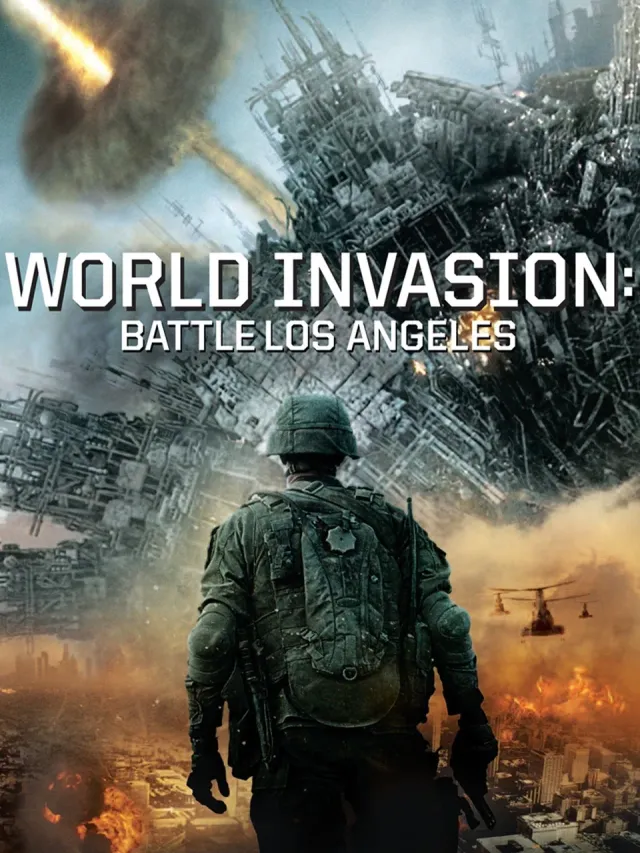
A veteran Marine staff sergeant leads a mixed group of soldiers and civilians through a city under alien attack. The mission begins as an evacuation and narrows into an attempt to reach trapped survivors while an apparently unstoppable enemy controls the streets. The film treats invasion as a ground-level military emergency, focusing on unit cohesion, civilian protection and exhausted people making decisions under fire.
Both share themes of duty, plus a heroic and somber atmosphere.
Why this matches +
Genres: War / Action
Shared film traits
Based on recorded story, mood and style. Your preferences can change the order.
War and civilian life
What changes The Guns of Navarone: mission planning and infiltration and combat. 12 Strong: mission-based escalation.
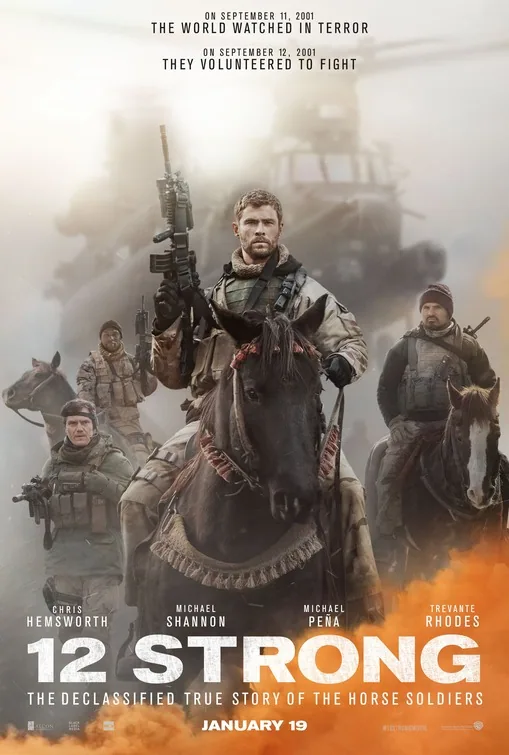
Following the September 11 attacks, a small U.S. Army Special Forces team deploys to Afghanistan and partners with local commander Abdul Rashid Dostum. The soldiers move across difficult terrain on horseback while trying to coordinate against Taliban forces and gain control of strategic locations. The war film frames the operation through unit discipline and alliance, while showing how unfamiliar tactics and trust shape a dangerous early mission.
Based on recorded story, mood and style. Your preferences can change the order.
War and civilian life
What changes The Guns of Navarone: mission planning and infiltration and combat. Act of Valor: mission-based episodic escalation.
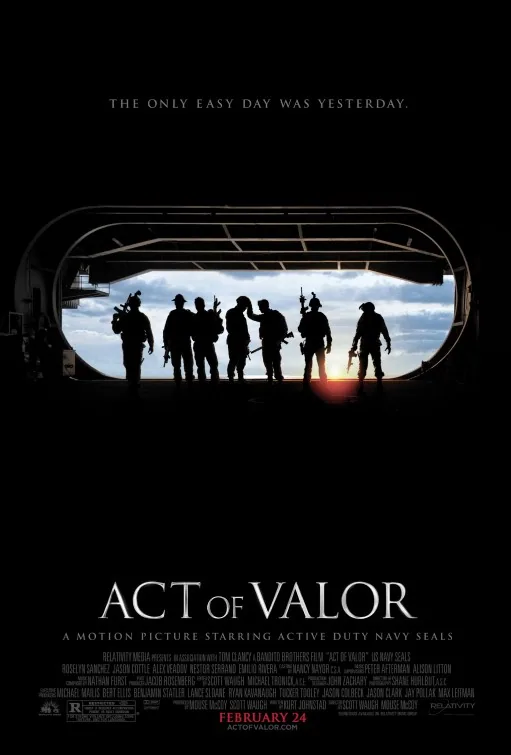
A team of U.S. Navy SEALs moves from a hostage rescue to a mission against an international terrorist network threatening American targets. The film presents military operations through action sequences and performances by active-duty SEALs, connecting individual missions to the unit’s code and family ties. Its narrative is structured as a patriotic action thriller, with tactical set pieces taking priority over character study.
Based on recorded story, mood and style. Your preferences can change the order.
War and civilian life
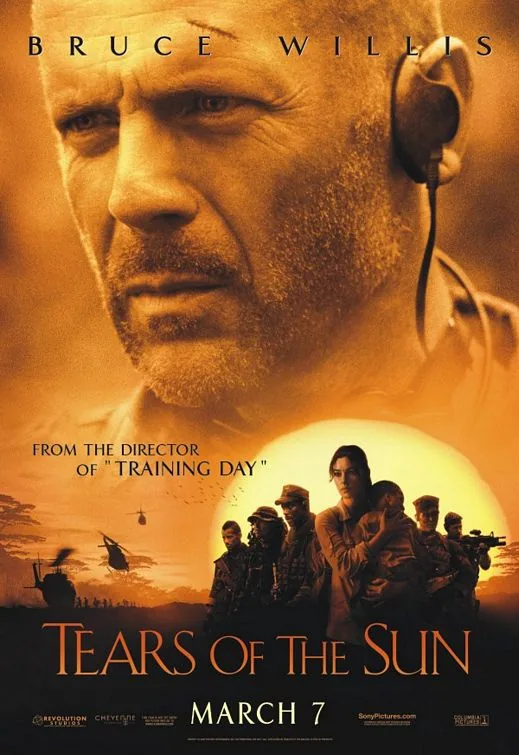
What changes The Guns of Navarone: mission planning and infiltration and combat. Tears of the Sun: relentless and journey-driven.
A Navy SEAL team enters Nigeria during political collapse to extract an American doctor from a remote clinic. She refuses to leave the people in her care, forcing soldiers to decide whether to follow orders narrowly or help civilians reach safety. The war drama follows the decision through a dangerous trek where protection, duty and military force carry conflicting meanings.
Both share themes of duty, plus a tense atmosphere.
Why this matches +
Genres: War / Drama
Shared film traits
Based on recorded story, mood and style. Your preferences can change the order.
War and civilian life · Escape and pursuit
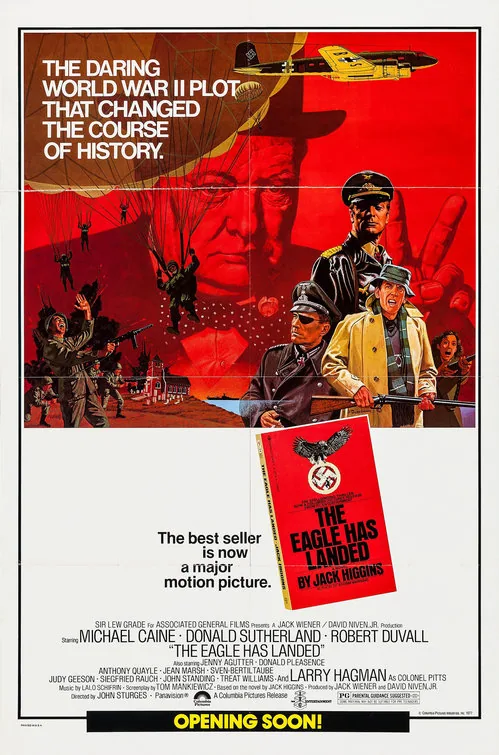
What changes The Guns of Navarone: mission planning and infiltration and combat. The Eagle Has Landed: building, tactical and escalating.
German intelligence plans a commando operation to kidnap Winston Churchill from a quiet English village during World War II. Colonel Kurt Steiner and Irish operative Liam Devlin lead a unit disguised as Polish paratroopers, supported by local agent Joanna Grey. Their cover begins to fail after an act of rescue reveals the uniforms beneath, drawing villagers, resistance forces and British troops into a confrontation. The film frames a high-risk military plot through shifting loyalties and civilian lives.
Based on recorded story, mood and style. Your preferences can change the order.
War and civilian life
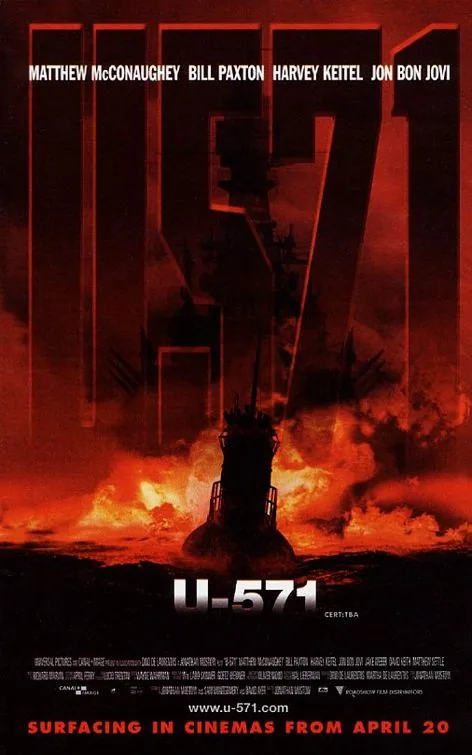
What changes The Guns of Navarone: mission planning and infiltration and combat. U-571: propulsive and suspenseful.
During the Battle of the Atlantic, an American submarine crew undertakes a dangerous mission to seize a German Enigma machine from a disabled U-boat. The operation forces the crew into close quarters, with command, survival and deception all under pressure. The film shapes its wartime story as a confined action thriller built around a high-risk maritime objective.
Both share themes of duty and sacrifice, plus a tense atmosphere.
Why this matches +
Genres: Drama / War
Shared film traits
Based on recorded story, mood and style. Your preferences can change the order.
War and civilian life
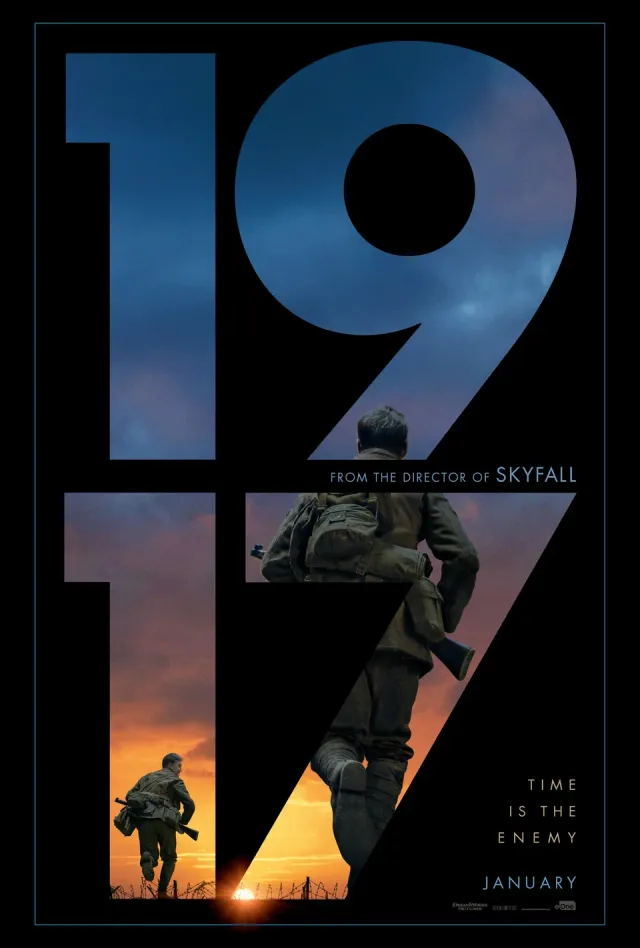
What changes The Guns of Navarone: mission planning and infiltration and combat. 1917: intense.
Two young British soldiers are ordered to cross apparently abandoned territory to deliver a warning that could prevent an attack from walking into a trap. One has a brother among the troops at risk, giving the assignment an immediate private urgency. Movement through trenches, ruined settlements and unpredictable encounters makes each attempt to gain time expose them to dangers whose local significance can obscure the larger mission.
Based on recorded story, mood and style. Your preferences can change the order.
War and civilian life
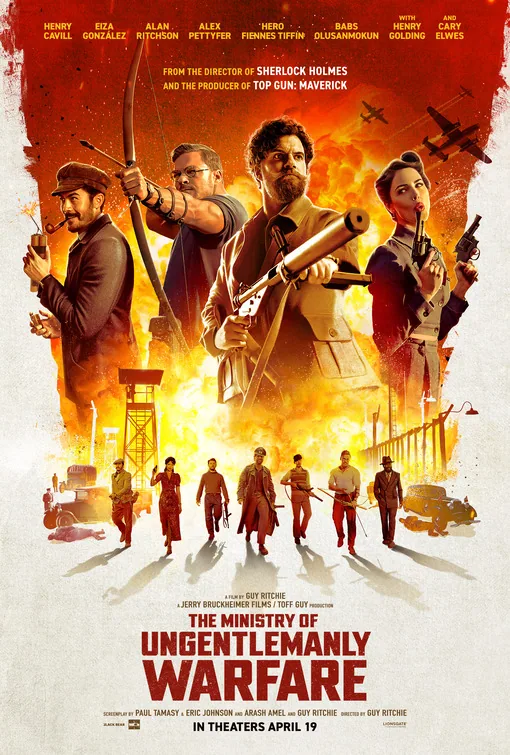
What changes The Guns of Navarone: mission planning and infiltration and combat. The Ministry of Ungentlemanly Warfare: a mission-driven caper moves briskly through planning and execution.
A covert team is assembled during World War II to sabotage German supply routes using methods outside conventional military procedure. The group combines soldiers, spies, and specialists whose skills support an audacious operation at sea. The action comedy turns a historical mission into a fast, stylish caper, emphasizing collaboration and improvisation while treating wartime violence with a deliberately pulpy tone.
Based on recorded story, mood and style. Your preferences can change the order.
War and civilian life
What changes The Guns of Navarone: mission planning and infiltration and combat. King Arthur: steady and escalating.
Soldiers who have completed years of service to Rome are ordered into one final evacuation beyond a frontier wall. The people they find expose cruelty inside the civilization whose legitimacy their commander has defended. Escorting refugees through an advancing invasion changes the meaning of freedom, because formal discharge no longer settles whom he believes he must protect. The revisionist adventure gives an Arthurian group a military-withdrawal story, turning allegiance toward a vulnerable local future rather than the distant authority promising reward.
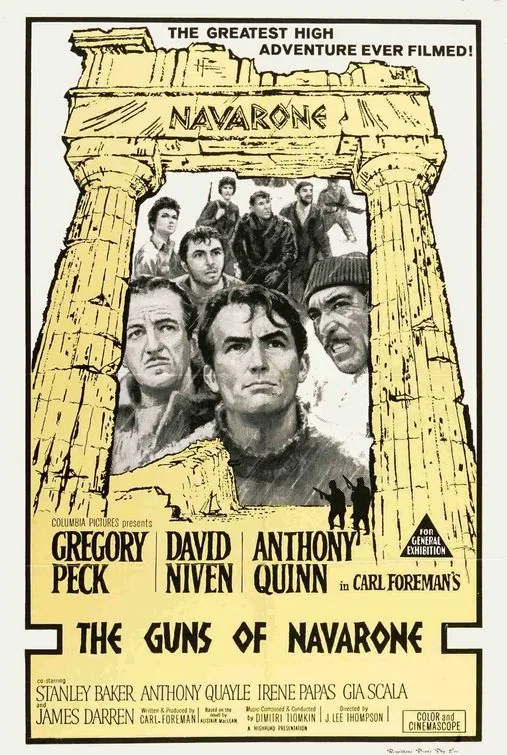
A British commando team is sent to infiltrate a German-held Greek island whose enormous guns prevent the Royal Navy from rescuing troops trapped on nearby Keros. Captain Keith Mallory, explosives expert John Miller and their companions must cross hostile terrain, survive mistrust within the group and reach the fortress before the rescue window closes. The mission’s practical problem—how to disable a position that air raids cannot reach—organizes the film’s mixture of covert movement, sabotage and wartime suspense. Its characters are fictional, and the island operation is a dramatic wartime adventure rather than a documentary account.
What drives the story
The guns turn a rescue into a timed sabotage mission: the commandos must penetrate the island and destroy the weapons before the fleet approaches.
The people at its centre
Mallory’s command depends on complementary skills and fragile trust. Andrea Stavros’s personal history and Miller’s professional responsibility complicate the team’s simple military objective.
What it feels like
A large ensemble war thriller alternates dangerous crossings and close-quarters tests with a climactic demolition. Suspense comes from plans repeatedly meeting the limits of terrain and time.
Worth knowing
For viewers who want classic commando-team suspense and wartime action. Its fictional mission is distinct from historically specific POW escape films or contemporary combat realism.
DutySacrificeMoral compromise
Mood
Tense · Heroic · Somber
Pacing
Mission planning · Infiltration and combat
Visual style
Widescreen war spectacle · Rugged landscapes
Storytelling
Island sabotage mission · Commando team · Civilian rescue