Based on recorded story, mood and style. Your preferences can change the order.
Sport and competition
What changes The Hustler: measured. The Color of Money: steady.
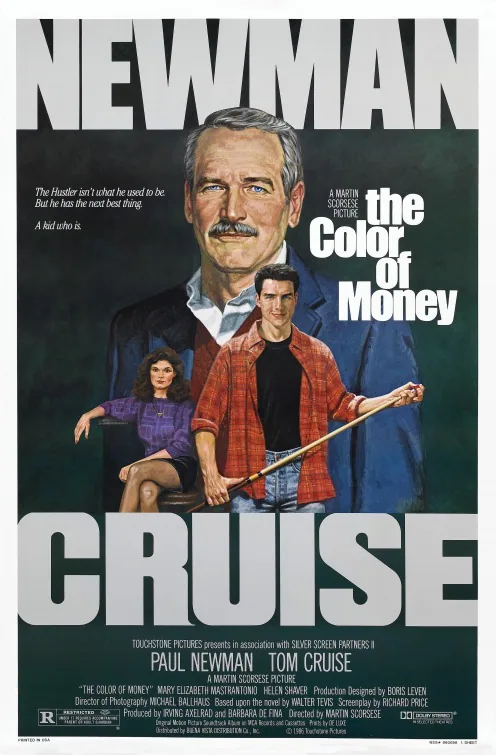
A former pool hustler recognises profitable talent in a brash young player and offers to teach him the business of winning selectively. Travelling together exposes differences between patient manipulation, showmanship and genuine competitive ambition. As the older man's appetite for playing returns, the mentorship becomes a contest over control, honesty and whether the pupil still needs his teacher.
Both share a character study, plus themes of ambition.
Why this matches +
Genres: Drama / Sport
Shared film traits
Based on recorded story, mood and style. Your preferences can change the order.
Sport and competition
Expect emotional and intimate, with measured pacing.
A waitress determined to become a boxer persuades a guarded trainer to give her the time and instruction he initially refuses. Their work creates a substitute family as progress in the ring offers the recognition her relatives withhold. When a devastating injury transforms the meaning of success, the relationship must confront dependence, responsibility and choices that neither sporting discipline nor affection can make emotionally simple.
Both share themes of ambition and integrity, plus a tense atmosphere.
Why this matches +
Genres: Drama / Sport
Shared film traits
Based on recorded story, mood and style. Your preferences can change the order.
Sport and competition
What changes The Hustler: measured. Blue Chips: season-long pressure.
College basketball coach Pete Bell wants to restore his program's winning reputation and recruits exceptional players to do it. The pressure to compete leads him to accept benefits that violate the rules he publicly claims to uphold. As the season progresses, success exposes the compromises behind it, turning the sports drama into a portrait of institutional ambition and the personal cost of treating victory as the only measure.
Based on recorded story, mood and style. Your preferences can change the order.
Sport and competition
What changes The Hustler is tagged tense and melancholic; Rocky is tagged hopeful and emotional.
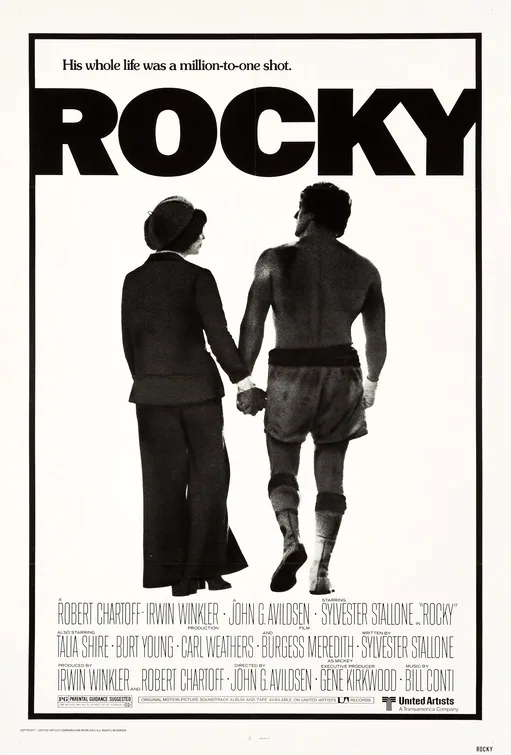
A small-time Philadelphia boxer supports himself with unglamorous work and occasional bouts while gradually forming a relationship with a painfully shy pet-shop employee. When the heavyweight champion selects him for a promotional title fight, an implausible opportunity demands serious preparation. The contest gives shape to a more personal ambition: proving that his apparently stalled life can hold dignity, endurance and connection even without a conventional victory.
Both share a character study, plus themes of ambition.
Why this matches +
Genres: Drama
Shared film traits
Based on recorded story, mood and style. Your preferences can change the order.
What changes The Hustler: measured. Whiplash: intense.
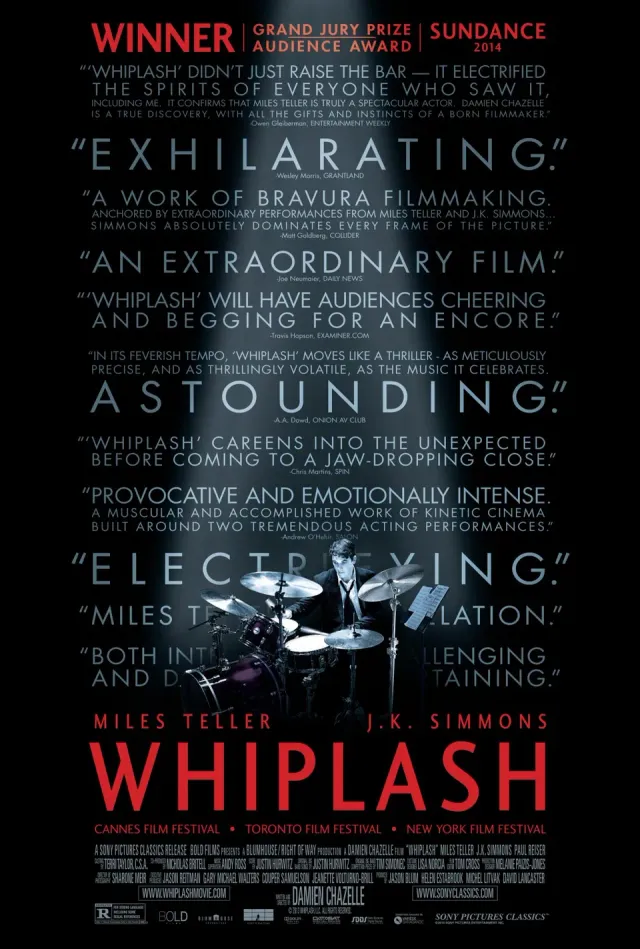
An ambitious jazz student earns a place in an elite ensemble led by a conductor who treats humiliation and psychological pressure as tools for producing greatness. The student's desire to prove exceptional talent makes approval increasingly difficult to separate from abuse. Rehearsal, competition and performance narrow his world as ordinary relationships and physical well-being become costs he is prepared to discount.
Both share a character study, plus themes of ambition.
Why this matches +
Genres: Drama / Sport
Shared film traits
Based on recorded story, mood and style. Your preferences can change the order.
Sport and competition
What changes The Hustler is tagged tense and melancholic; Moneyball is tagged thoughtful and determined.
The general manager of a financially constrained baseball team recruits an analyst whose statistical approach challenges traditional scouting. Replacing established stars with undervalued players invites resistance from staff, supporters and the team's own manager. A disappointing personal history sharpens the executive's need to prove that a different method can work, even when individual games cannot supply a clean verdict.
Based on recorded story, mood and style. Your preferences can change the order.
Sport and competition
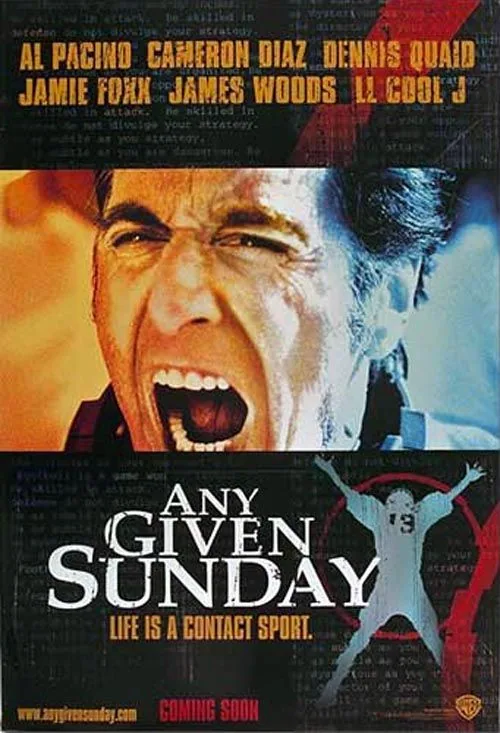
What changes The Hustler: measured. Any Given Sunday: fast.
A struggling professional football team loses its established quarterback and turns to a younger replacement whose success disrupts familiar authority. The coach, a commercially aggressive owner, injured players, and medical staff pursue goals that do not align neatly with winning. Celebrity and bodily risk make teamwork harder to sustain, revealing a sporting institution in which personal worth can be measured, traded, and discarded even during apparent triumph.
Based on recorded story, mood and style. Your preferences can change the order.
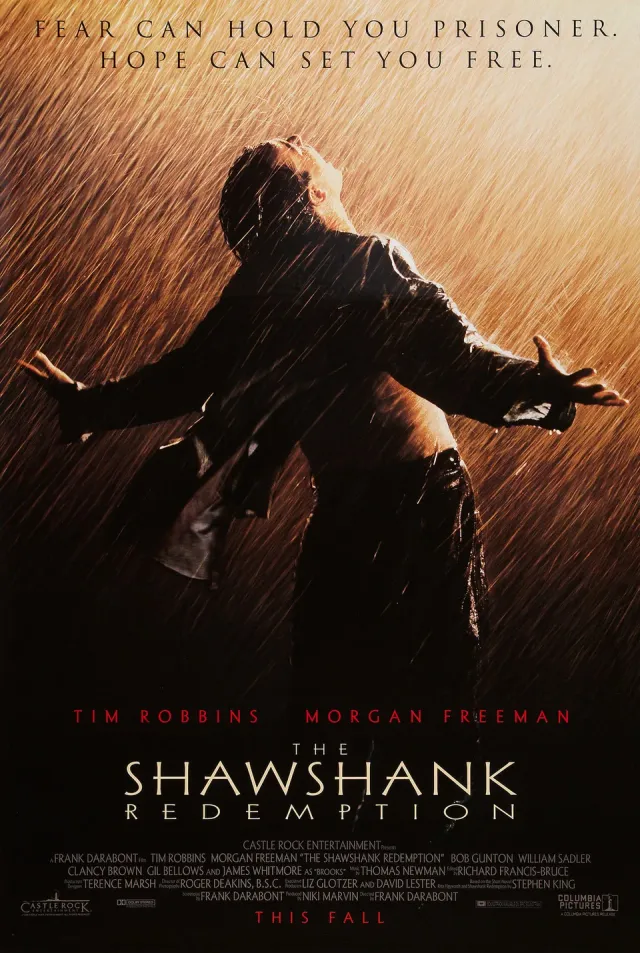
What changes The Hustler is tagged tense and melancholic; The Shawshank Redemption is tagged emotional and hopeful.
A banker convicted of murdering his wife enters a prison where brutality and institutional self-interest organise ordinary life. Friendship with an experienced inmate and the usefulness of his financial skills create limited space for work, learning and private hope. Years of adaptation expose different meanings of freedom, as the practical advantages that keep him alive also bind him more closely to people invested in maintaining his confinement.
Based on recorded story, mood and style. Your preferences can change the order.
Sport and competition
What changes The Hustler: measured. Young Woman and the Sea: training-to-event, steadily building and climactic.
Trudy Ederle grows up in a family uncertain whether competitive swimming is an appropriate future for a young woman. With determined coaching and her own endurance, she becomes an Olympic swimmer and sets her sights on crossing the English Channel. The biographical drama follows the training, public scrutiny and logistical barriers surrounding her attempt, framing the swim as an achievement earned through skill and persistence rather than a simple inspirational symbol.
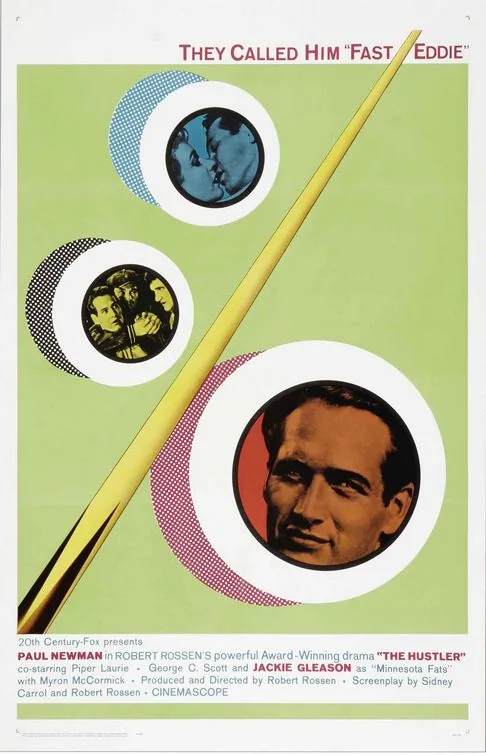
A talented pool player seeks recognition by challenging an established champion, but confidence and ability do not protect him from exhaustion, pride or exploitation. His relationship with a lonely woman offers connection while a calculating gambler offers backing under punishing terms. The pursuit of professional legitimacy becomes inseparable from the question of what winning is worth if it requires surrendering compassion and independence.
What drives the story
A gifted challenger must confront the psychological weaknesses and exploitative arrangements surrounding his ambition.
The people at its centre
A vulnerable couple and a controlling backer expose competing forms of dependence.
What it feels like
Long contests and bruising conversations create an adult drama about talent, character and cost.
Worth knowing
The competition is a vehicle for moral pressure and self-destruction, not simply a rewarding underdog tournament.