Based on recorded story, mood and style. Your preferences can change the order.
Family and care
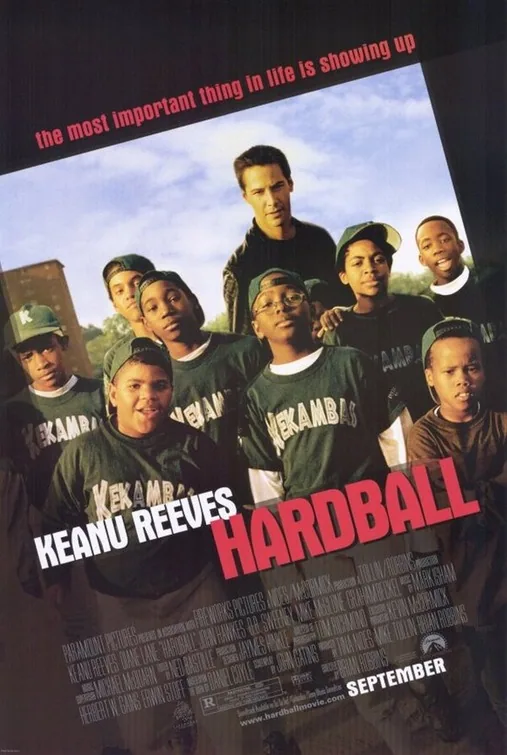
What changes The Last Rodeo: competition-led and emotionally direct. Hardball: the team’s practices and games turn a reluctant assignment into a test of conor’s reliability and care.
Gambler Conor O’Neill owes money to bookies and reluctantly agrees to coach a youth baseball team from Chicago’s ABLA housing projects in exchange for a weekly fee. The players have uneven skills and lives shaped by the neighborhood, while Conor initially sees the job as a way to settle his debts. Teacher Elizabeth Wilkes helps him understand what the children need from an adult. As the team practices and competes, Conor becomes more invested in the boys’ futures, even as his gambling debt continues to threaten him.
Based on recorded story, mood and style. Your preferences can change the order.
Memory and identity
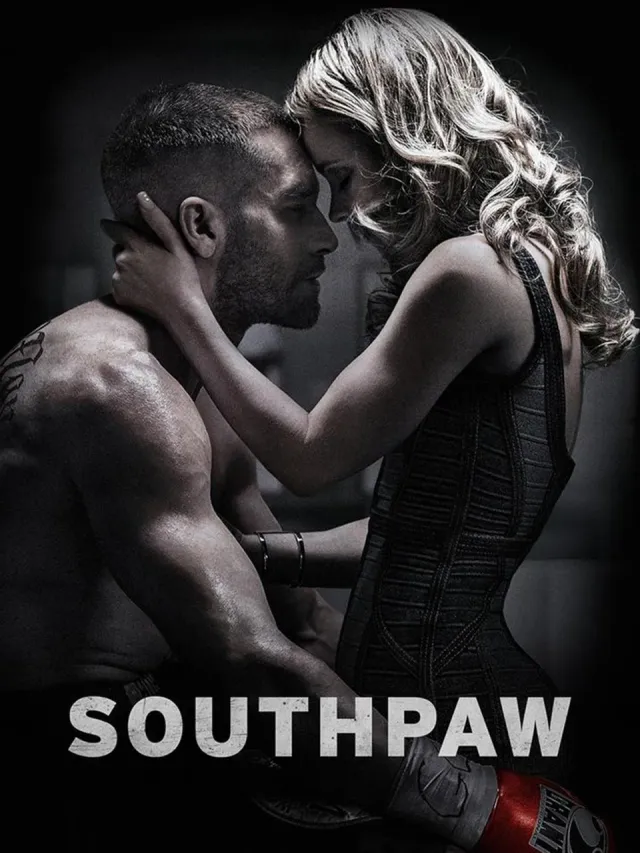
What changes The Last Rodeo: competition-led and emotionally direct. Southpaw: punishing setbacks give way to a final competitive test.
A champion boxer’s life collapses after a violent personal loss, a public outburst and the separation from his young daughter. He must rebuild his discipline and trust with help from a trainer if he hopes to return to the ring and regain a stable place in her life. The sports drama links physical recovery to grief, anger and the difficult work of being a parent.
Based on recorded story, mood and style. Your preferences can change the order.
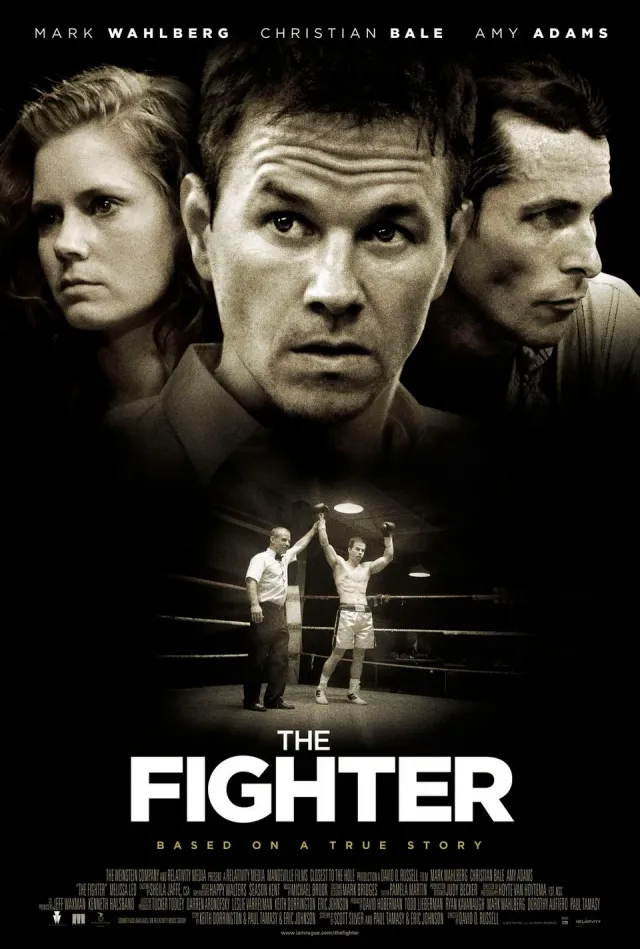
What changes The Last Rodeo: competition-led and emotionally direct. The Fighter: steady and escalating.
A Massachusetts boxer struggles to establish a career while his mother manages him and his older half-brother, a former fighter, trains him. Family loyalty becomes an obstacle as addiction and poor decisions repeatedly undermine his preparation. A new relationship and outside opportunities force him to decide what support he needs and which familiar forms of devotion he can no longer afford.
Both share themes of family and faith, plus an earnest and hopeful atmosphere.
Why this matches +
Genres: Drama / Music
Shared film traits
Based on recorded story, mood and style. Your preferences can change the order.
Family and care
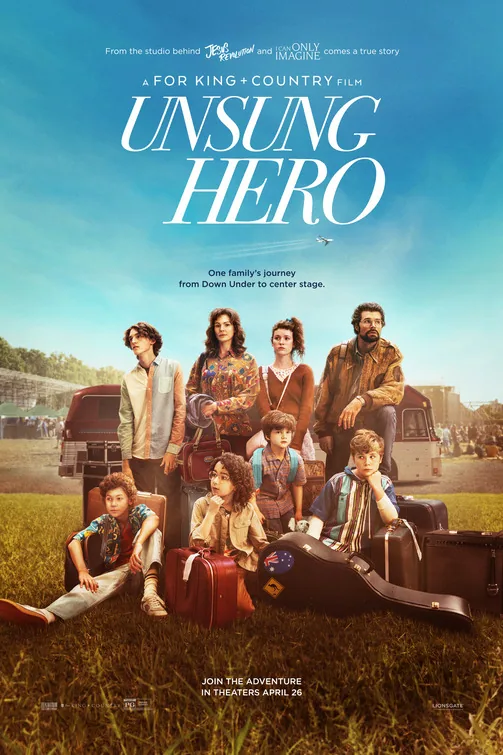
What changes The Last Rodeo: competition-led and emotionally direct. Unsung Hero: steady, family-centered and inspirational.
David Smallbone moves his family from Australia to Nashville believing a music career can give them a new start, but financial strain quickly deepens. His wife Helen and their children adjust to a city where opportunity and instability arrive together. The faith-based biographical drama draws on the family history behind the careers of Rebecca St. James and For King & Country, focusing on persistence, belief and shared support.
Both share themes of faith, plus an earnest atmosphere.
Why this matches +
Genres: Drama
Shared film traits
Based on recorded story, mood and style. Your preferences can change the order.
Family and care
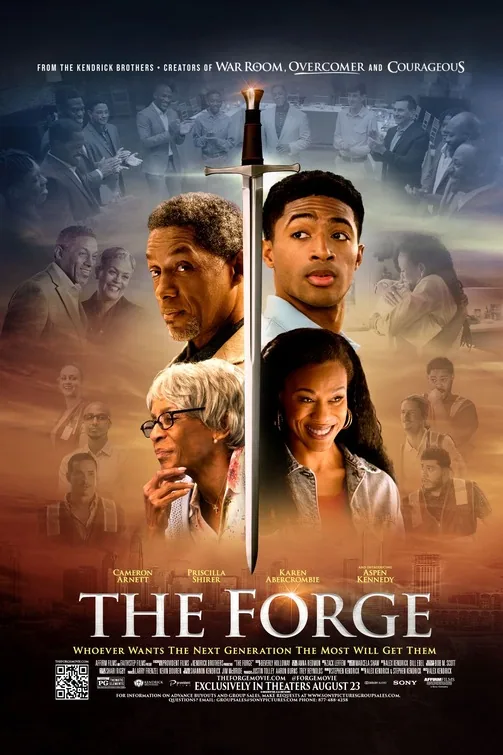
What changes The Last Rodeo: competition-led and emotionally direct. The Forge: measured, episodic and growth-focused.
Isaiah Wright has finished high school without a clear plan, spending much of his time on basketball and video games. His mother challenges him to take responsibility for his future, and a mentor introduces him to habits of faith, work and service. As Isaiah encounters new expectations at a local gym, he begins to see discipline as a daily practice and not a shortcut to success. The faith-centered drama follows a young man finding direction through community and accountability.
Based on recorded story, mood and style. Your preferences can change the order.
Family and care · Memory and identity
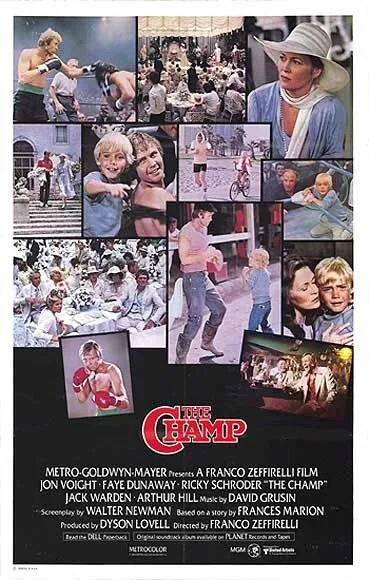
What changes The Last Rodeo: competition-led and emotionally direct. The Champ: character-led, emotional escalation, sporting climax and sentimental resolution.
Former boxing champion Billy Flynn now trains horses and tries to raise his young son T.J. on a modest Florida racetrack. T.J. admires his father and is unaware that Billy’s former wife Annie is still alive and wants to reconnect. Billy’s drinking, gambling, and pride repeatedly threaten the stability they have built, while Annie’s return forces all three to face the child’s understanding of his family. As money problems and a confrontation with a dangerous creditor push Billy back toward the ring, father and son must confront what loyalty can and cannot repair.
Based on recorded story, mood and style. Your preferences can change the order.
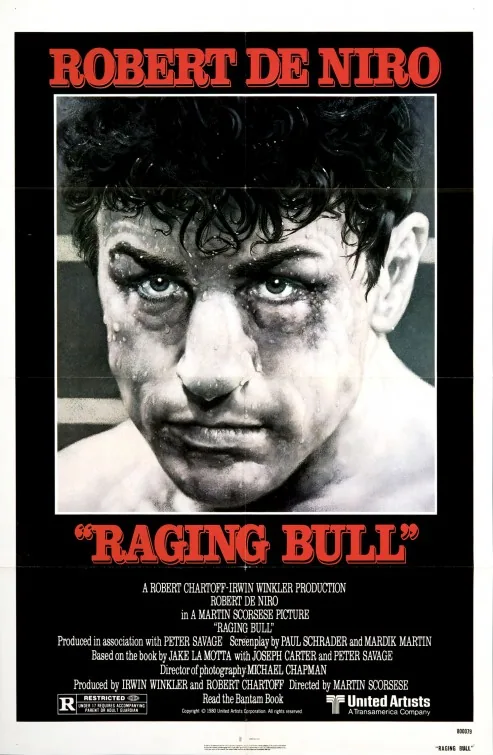
What changes The Last Rodeo: competition-led and emotionally direct. Raging Bull: intense.
A middleweight boxer builds a career through punishing physical ability while distrust and possessiveness corrode his private relationships. His brother manages practical opportunities, but cannot contain a jealousy that turns ordinary encounters into supposed evidence of betrayal. As professional success rises and recedes, the same aggression rewarded in the ring isolates him from his wife and family, leaving public performance and private damage inseparable.
Based on recorded story, mood and style. Your preferences can change the order.
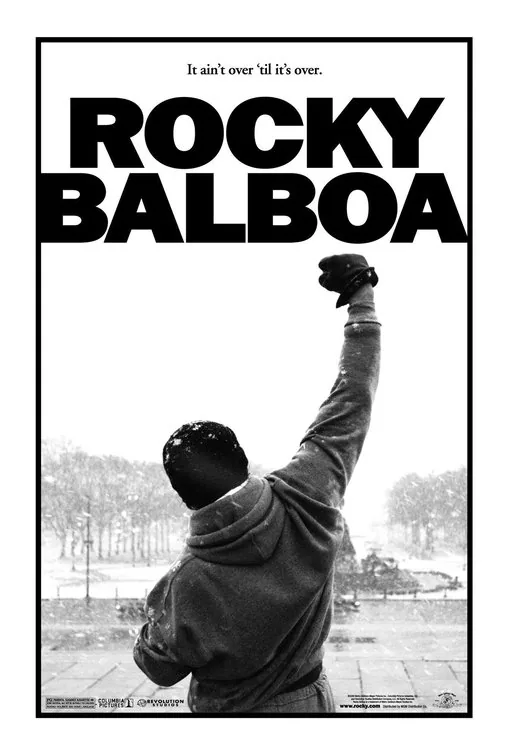
What changes The Last Rodeo: competition-led and emotionally direct. Rocky Balboa: measured, training-led and climactic.
Years after retiring from boxing, Rocky Balboa runs a Philadelphia restaurant and lives with grief for Adrian, while his relationship with adult son Robert remains strained. A television simulation comparing Rocky with reigning champion Mason Dixon rekindles Rocky’s desire to fight, and Dixon’s promoters agree to a charity exhibition. Robert fears that his father’s celebrity will keep overshadowing his own life, but the two reconcile before the bout. Rocky trains under Duke and enters the ring knowing his age and conditioning make a title run impossible. He goes the distance with Dixon, who wins a close decision, and leaves the ring at peace with his effort.
Based on recorded story, mood and style. Your preferences can change the order.
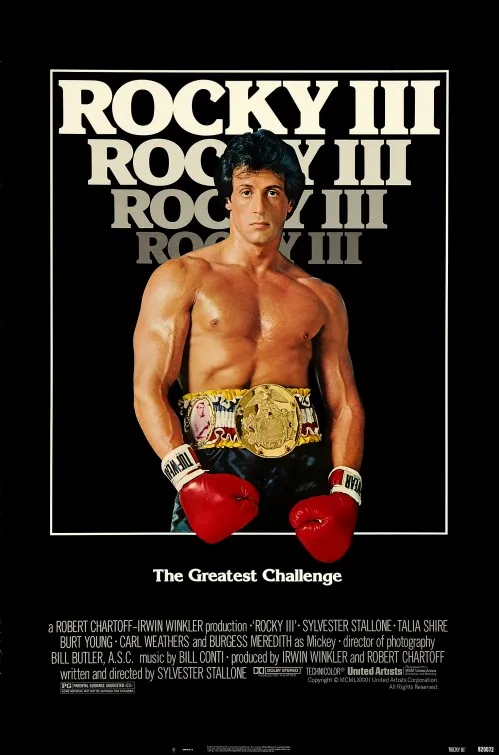
What changes The Last Rodeo: competition-led and emotionally direct. Rocky III: training-led, fast and climactic.
After years of successful title defenses, Rocky Balboa is challenged by the powerful Clubber Lang. Rocky learns that manager Mickey had chosen safer opponents to protect him, and his celebrity-filled training leaves him unprepared. Lang defeats him, and Mickey dies soon afterward. Former rival Apollo Creed offers to retrain Rocky in Los Angeles, where he must regain focus and learn a faster, more disciplined style. Adrian helps him work through his grief and fear before the rematch. Rocky wins back the title and then honors Apollo’s request for a private sparring match.
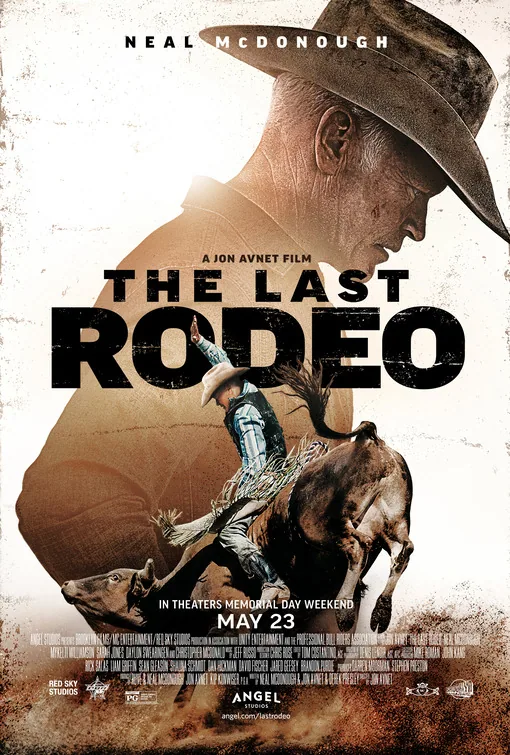
Joe Wainwright is an aging rodeo champion whose estranged family and financial pressures bring him back into the arena. He enters a high-stakes competition hoping to secure a future for people he loves, even as his body and past threaten the plan. The faith-based drama combines rodeo action with a reconciliation story about pride, sacrifice and the limits of proving one's worth through physical risk.
What drives the story
A veteran rodeo rider returns to competition while trying to repair family bonds.
The people at its centre
Joe's determination to provide for his loved ones collides with their concern about his choices.
What it feels like
The rodeo creates a tangible arena for questions of pride and sacrifice.
Worth knowing
Its emotional resolution follows a faith-oriented family drama alongside the sporting challenge.
familyagingpride
Mood
earnest · dramatic · hopeful · rugged
Pacing
competition-led · emotionally direct
Visual style
dusty arenas · Western landscapes · close rodeo action
Storytelling
sports drama · rodeo comeback · family reconciliation · faith story