Explore films connected to The Lost King through historical memory, recognition, persistence. Choose the qualities you want to carry into your next watch.
What should feel similar?
Find your next favourite
9 films · Closest overall matches
Hide films you’ve seen or don’t want. Saved on this device.
No matches for this combination yet.
Try another option or reset your choices to see more films.
Based on recorded story, mood and style. Your preferences can change the order.
Investigation · Memory and identity
What changes The Lost King: procedural, character-led, gradually building and lightly comic. Laapataa Ladies: comic mistaken-identity setup, parallel character journeys and measured social drama.
On a crowded train in rural India, a newlywed farmer accidentally brings home the wrong bride because the women traveling in matching veils are mistaken for one another. His missing wife, Phool, must find her way back, while Jaya begins building an unexpected life in a village that is not hers. Their mix-up leads to a police investigation and a gentle social comedy about women's autonomy, education, and the limited choices hidden behind familiar customs.
Based on recorded story, mood and style. Your preferences can change the order.
Social hierarchy
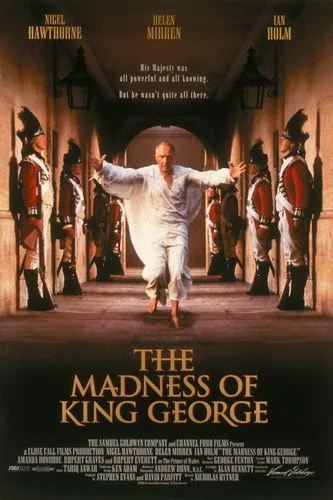
What changes The Lost King: procedural, character-led, gradually building and lightly comic. The Madness of King George: courtly comedy and parliamentary maneuvering build around the king’s unpredictable health and possible recovery.
When King George III begins behaving erratically in 1788, his illness creates a crisis over who will govern Britain. The Prince of Wales expects to become regent, while Prime Minister William Pitt and opposition leader Charles James Fox maneuver around the king’s capacity and the balance of power. Queen Charlotte and the royal household struggle with George’s deteriorating condition as physician Dr. Willis is brought in to treat him. The historical drama moves between court politics and the private strain of illness, showing how a monarch’s vulnerability unsettles a family, a government and the people whose authority depends on him.
Based on recorded story, mood and style. Your preferences can change the order.
Memory and identity
What changes The Lost King: procedural, character-led, gradually building and lightly comic. Bridget Jones: Mad About the Boy: memorial brings grief into social life, first dates create comic uncertainty and family and romantic choices shape a new routine.
Four years after her husband Mark Darcy dies on a humanitarian mission in Sudan, Bridget Jones is raising school-aged Billy and Mabel while trying to re-enter social life. Her first public step comes at a memorial gathering, where friends urge her to date again even as she and the children continue to grieve. Bridget eventually tries dating apps and navigates a new romance alongside parenting, work, and the complicated advice of Daniel Cleaver and her friends. The sequel follows middle age as a fresh chapter rather than a reset.
Based on recorded story, mood and style. Your preferences can change the order.
Investigation
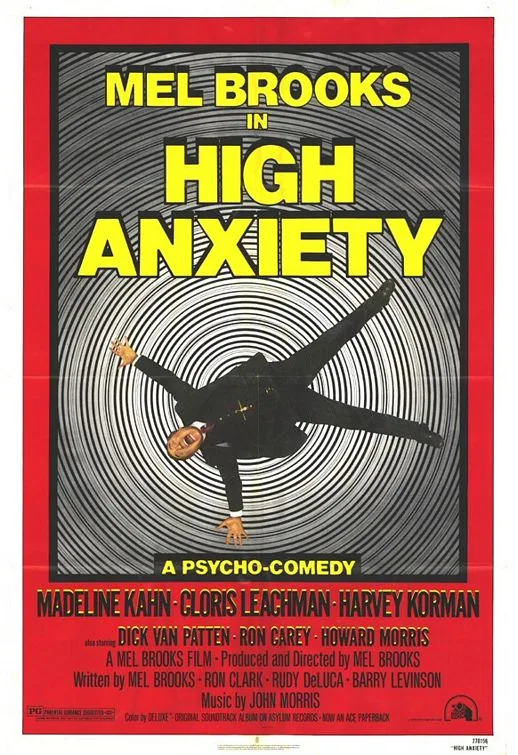
What changes The Lost King: procedural, character-led, gradually building and lightly comic. High Anxiety: episodic, escalating and set-piece driven.
Psychiatrist Richard Thorndyke arrives at the Psycho-Neurotic Institute for the Very, Very Nervous to replace its former director, who has died under suspicious circumstances. Thorndyke hopes to understand the patients and staff while managing his own severe fear of heights. Strange incidents lead him to suspect that the institute is concealing a crime, and attempts to discredit or endanger him turn his investigation into a succession of comic, Hitchcock-inspired suspense set pieces.
Based on recorded story, mood and style. Your preferences can change the order.
Memory and identity
What changes The Lost King: procedural, character-led, gradually building and lightly comic. Sorry, Baby: nonlinear chapters move through agnes's life, academic and social routines continue and past experience shapes present choices.
Agnes is a literature graduate student at a small New England college whose life is derailed by an assault from her thesis adviser. Rather than treating that experience as the whole of her identity, the film follows her across several years in nonlinear chapters, returning to her friendship with Lydie, her work, her humor, and the uneven process of trying to move forward. Agnes is later a professor at the same institution, still living with what happened while people around her continue their lives. The black comedy-drama balances pain with warmth and everyday absurdity.
Based on recorded story, mood and style. Your preferences can change the order.
What changes The Lost King: procedural, character-led, gradually building and lightly comic. Volver: interwoven secrets and emotional revelations.
Raimunda is managing work, family and a difficult marriage when a crisis at home leaves her trying to protect her teenage daughter and conceal a body. Her sister Sole is coping with another surprise: their dead mother Irene appears to return as a ghost and begins living with her. The women’s hometown treats stories about the dead with a mixture of superstition and familiarity, while Raimunda’s neighbor Agustina carries a connection to the family’s past. As the sisters reconnect, old secrets around a fire and their parents reshape what they understand about the women who raised them. Pedro Almodóvar mixes melodrama, comedy and ghost-story elements without letting humor erase harm. The film’s title means “to come back,” describing both a literal return and a recovery of family history.
Based on recorded story, mood and style. Your preferences can change the order.
What changes The Lost King: procedural, character-led, gradually building and lightly comic. The Jerk: loose episodic structure and gag-driven.
Navin Johnson leaves the loving family that raised him after learning that he was adopted, convinced that the outside world is waiting for him. His cheerful ignorance leads him through a series of jobs, romances, sudden wealth, and absurd setbacks as he tries to find where he belongs. Carl Reiner directs Steve Martin in an episodic comedy that turns a rags-to-riches story into a satire of luck, ambition, and self-importance, with physical gags and a deliberately foolish central character carrying the journey.
Based on recorded story, mood and style. Your preferences can change the order.
Memory and identity
What changes The Lost King: procedural, character-led, gradually building and lightly comic. Rumor Has It: comedy of inquiry, romantic turns and steady character-led flow.
Sarah Huttinger returns to Pasadena for her sister's wedding while uncertain about her own engagement. A family revelation leads her to suspect that her mother and grandmother inspired the people in a famous novel and film, so she seeks out a man connected to their past. The investigation turns into a personal test of what Sarah wants from marriage and whether family stories can be trusted. Rob Reiner's romantic comedy plays with literary and movie lore while keeping its focus on a contemporary woman trying to choose her future.
Based on recorded story, mood and style. Your preferences can change the order.
Investigation
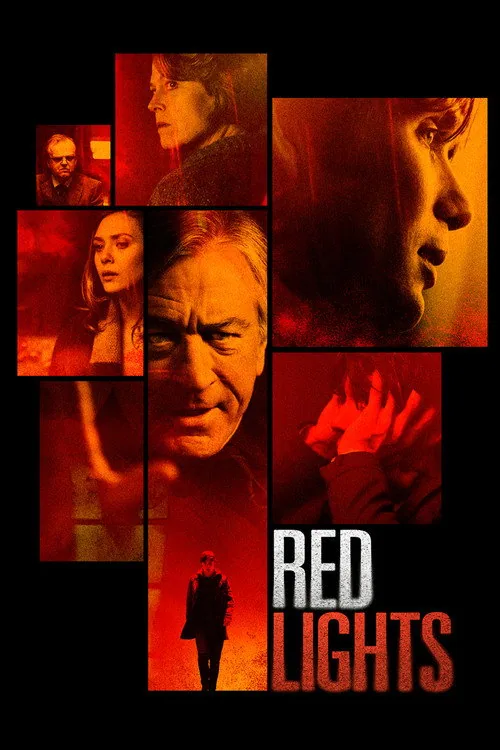
What changes The Lost King: procedural, character-led, gradually building and lightly comic. Red Lights: measured investigation and escalating psychological suspense.
University researchers Margaret Matheson and Tom Buckley investigate paranormal claims by searching for the small signals that can expose deception. Their work takes a dangerous turn when the celebrated blind psychic Simon Silver returns to public life after decades away, drawing intense attention and unsettling Matheson’s careful skepticism. Rodrigo Cortés builds the film as a psychological mystery about evidence, belief, performance, and the limits of observation, keeping the conflict focused on a trio of competing convictions.
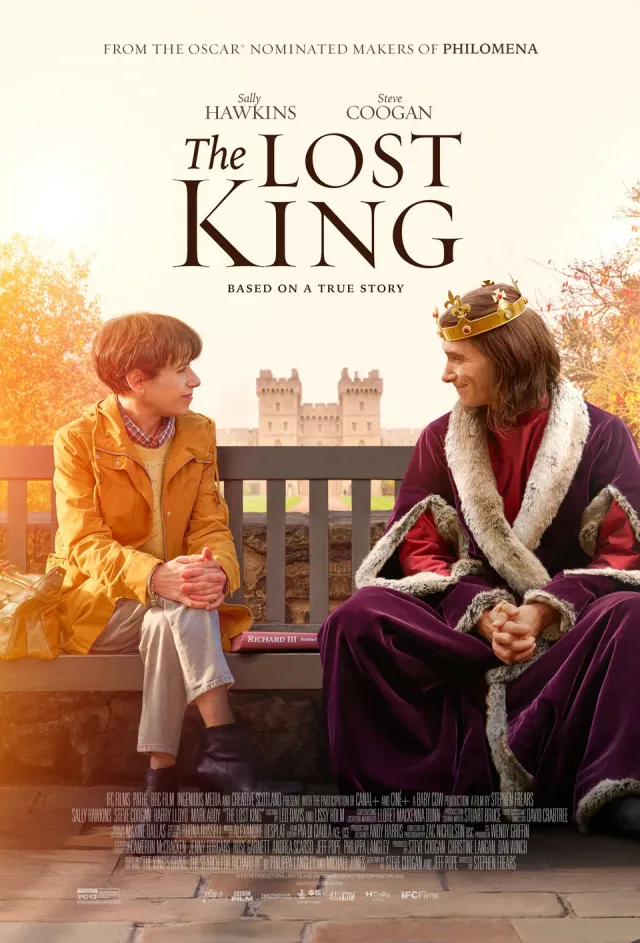
After being overlooked for a promotion and struggling with a chronic illness, Edinburgh professional Philippa Langley becomes absorbed in the history of Richard III. Her research leads her to the Richard III Society and toward an ambitious search for the king’s remains beneath a modern city car park. Stephen Frears’s drama follows a woman whose work is questioned by institutions and colleagues as she pursues a historical claim through records, persistence and public advocacy.
What drives the story
Philippa follows documentary clues about Richard III and tries to persuade researchers and civic authorities to support an excavation.
The people at its centre
Philippa turns personal fascination into sustained public work while navigating family responsibilities and professional dismissal.
What it feels like
A research-driven historical story gives an ordinary city site the momentum of a discovery and recognition struggle.
Worth knowing
A warm, process-focused true-story drama for viewers interested in history, research and an unconventional investigator.
historical memoryrecognitionpersistence
Mood
wry · curious · determined · warm
Pacing
procedural · character-led · gradually building · lightly comic
Visual style
modern Edinburgh streets · historical visions · office interiors · contrasting past and present