Explore films connected to The Love Witch through romantic idealization, gender roles, desire. Choose the qualities you want to carry into your next watch.
What should feel similar?
Find your next favourite
9 films · Closest overall matches
Hide films you’ve seen or don’t want. Saved on this device.
No matches for this combination yet.
Try another option or reset your choices to see more films.
Based on recorded story, mood and style. Your preferences can change the order.
Memory and identity
What changes The Love Witch: episodic, deliberate and melodramatic escalation. Red Riding Hood: mystery-led and escalating.
In the village of Daggerhorn, Valerie is drawn between her childhood love Peter and an arranged match with Henry. Their plans are interrupted by a werewolf that has haunted the community for years, and the villagers turn to a visiting hunter for protection. As fear and suspicion rise, Valerie learns that the danger may be closer to home than the village believes. Catherine Hardwicke recasts the fairy tale as a romantic mystery with horror and fantasy elements.
Based on recorded story, mood and style. Your preferences can change the order.
Romance and intimacy
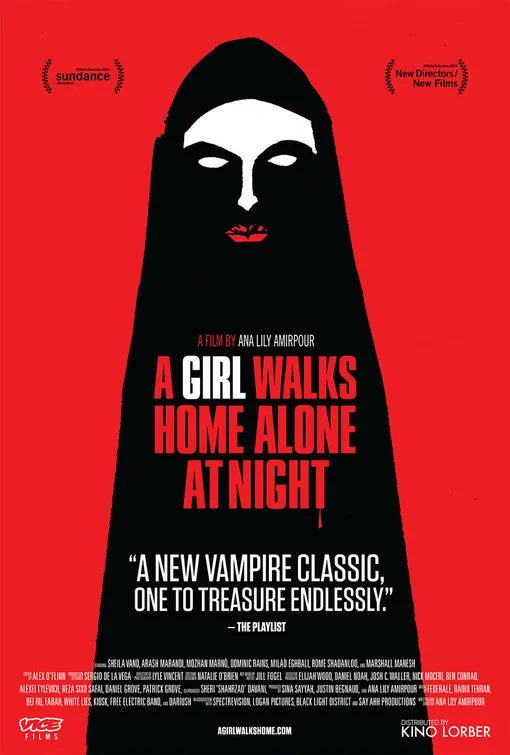
What changes The Love Witch is tagged stylized and sensual; A Girl Walks Home Alone at Night is tagged hypnotic and romantic.
In the fictional Iranian town of Bad City, Arash works to support his father and protect the life he has built while a predatory local figure pressures the people around them. At night, an unnamed young woman in a chador moves through the streets as a vampire, confronting men who exploit others. When she and Arash encounter one another, attraction and danger enter a world already shaped by poverty, addiction and unequal power.
Based on recorded story, mood and style. Your preferences can change the order.
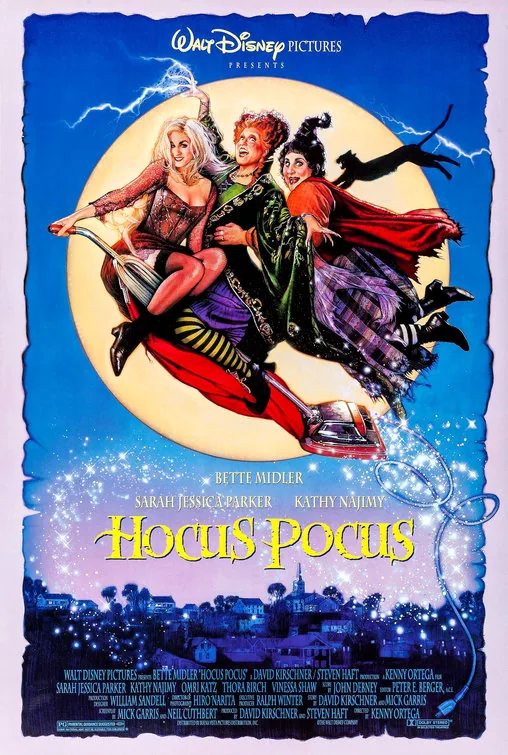
What changes The Love Witch: episodic, deliberate and melodramatic escalation. Hocus Pocus: fast and night-long chase.
On Halloween night, a teenager accidentally revives three witch sisters who once terrorized Salem and now have only until dawn to secure their return. He teams with his younger sister, a new friend, and a magical cat to keep the witches away from the town's children. The night becomes a comic chase through modern streets, where an old spellbook meets the awkwardness and courage of contemporary kids.
Based on recorded story, mood and style. Your preferences can change the order.
Memory and identity
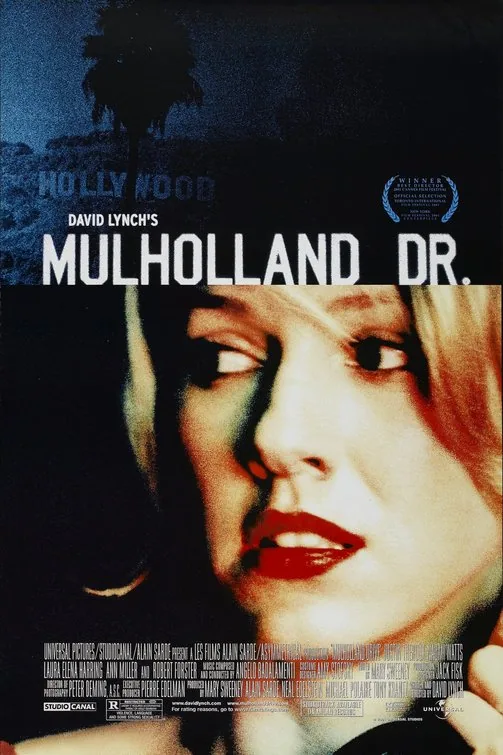
What changes The Love Witch: episodic, deliberate and melodramatic escalation. Mulholland Drive: slow burn.
An aspiring actress arriving in Los Angeles discovers a frightened woman who has lost her memory after a night-time car crash. Their attempt to establish an identity becomes entangled with a film director's unexplained pressures and other unsettling fragments of the city. As relationships, names and apparent realities shift, the investigation offers less a stable solution than a disturbing connection between desire, ambition, humiliation and the stories people construct about themselves.
Based on recorded story, mood and style. Your preferences can change the order.
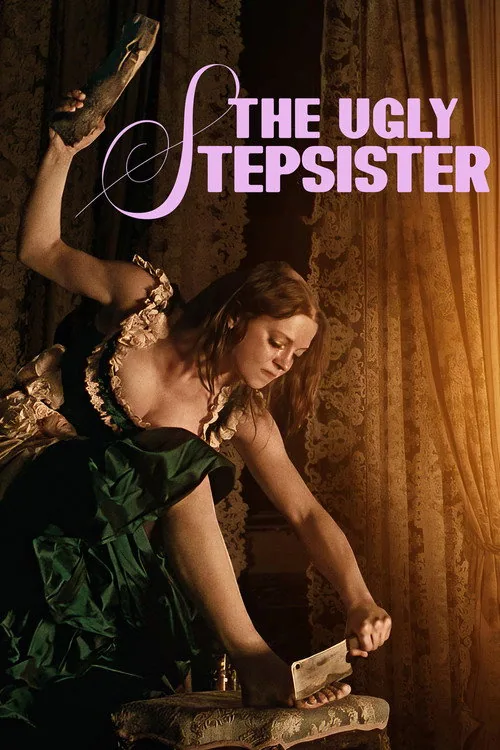
What changes The Love Witch: episodic, deliberate and melodramatic escalation. The Ugly Stepsister: family loss creates class anxiety, beauty and courtship efforts escalate and fairy-tale expectations turn toward horror.
After her mother's marriage into a wealthy household ends with the groom's sudden death, Elvira finds herself living beside beautiful stepsister Agnes and a family sliding into poverty. Elvira longs for the prince's attention and the social security that a royal marriage could bring, so her mother pushes her toward painful beauty treatments and strict courtship expectations. This grotesque fairy-tale reimagining retells Cinderella from the stepsister's position, linking appearance, class, and ambition to bodily horror.
Based on recorded story, mood and style. Your preferences can change the order.
Memory and identity
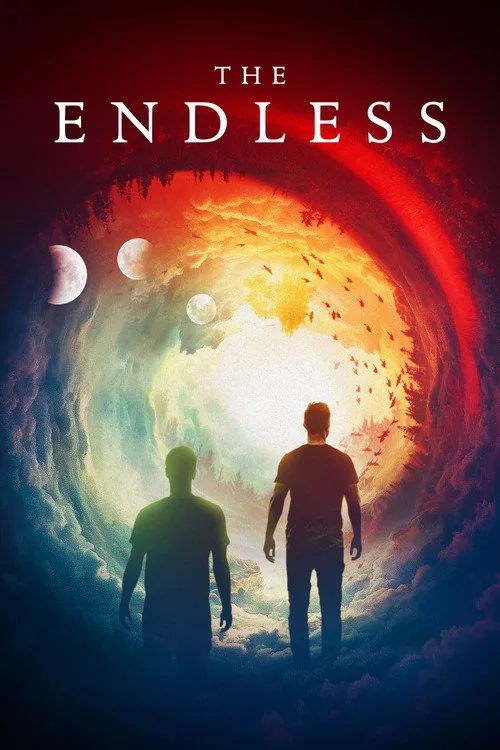
What changes The Love Witch: episodic, deliberate and melodramatic escalation. The Endless: gradual return and inquiry, episodic discoveries and escalating cosmic unease.
Brothers Justin and Aaron receive a mysterious message from the commune where they lived as children and decide to revisit it. Camp Arcadia's members seem welcoming, but their stories of strange lights and recurring phenomena unsettle the brothers. As the pair investigate the camp's surroundings, time appears to behave differently in separate pockets of the landscape. Their reunion becomes a test of memory, belief, and whether escape from an old life is possible.
Based on recorded story, mood and style. Your preferences can change the order.
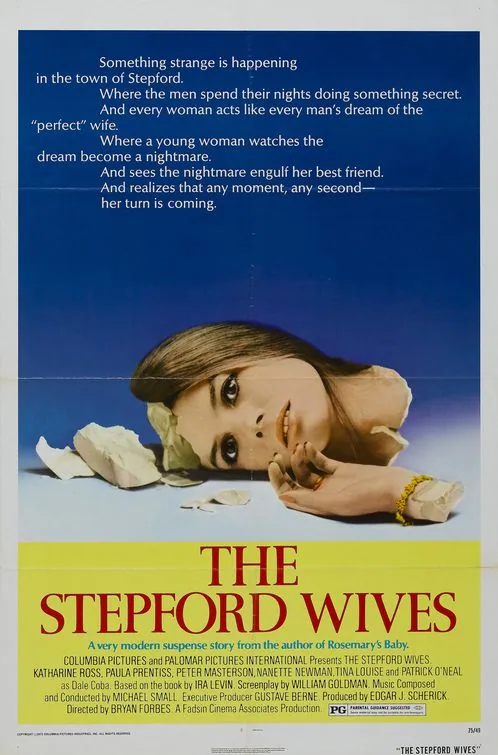
What changes The Love Witch: episodic, deliberate and melodramatic escalation. The Stepford Wives: slow burn and escalating dread.
Photographer Joanna Eberhart moves with her husband and children from New York to the affluent town of Stepford. She notices that the local wives seem devoted to flawless housekeeping and that the men spend their time at an exclusive association. As her friendship with another newcomer deepens, Joanna’s unease becomes an investigation into what the community expects women to become.
Based on recorded story, mood and style. Your preferences can change the order.
Memory and identity
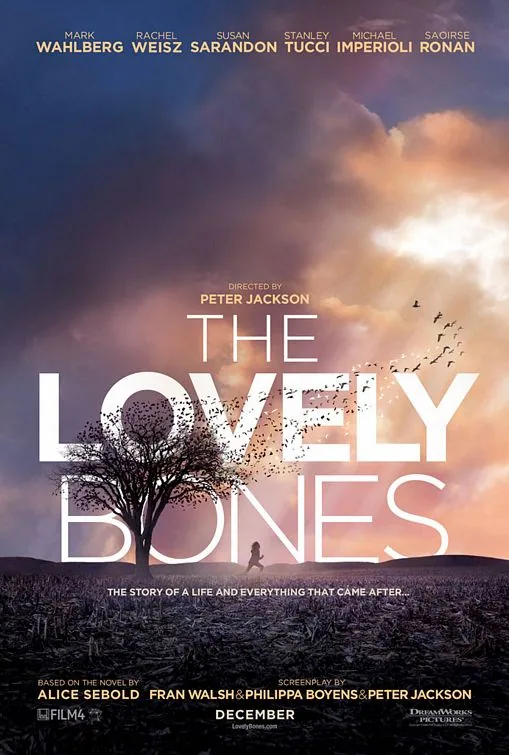
What changes The Love Witch: episodic, deliberate and melodramatic escalation. The Lovely Bones: parallel living and afterlife threads and slow emotional resolution.
Fourteen-year-old Susie Salmon is murdered, then watches from a liminal afterlife as her family and community struggle with grief and suspicion. Her father becomes consumed by the search for her killer, while her mother withdraws and her siblings try to continue growing up amid the loss. Susie’s attention shifts between those still living and the possibility of moving on. Peter Jackson adapts Alice Sebold’s novel as a family drama shaped by bereavement and fantasy imagery, while its central crime remains a source of profound distress.
Based on recorded story, mood and style. Your preferences can change the order.
Memory and identity
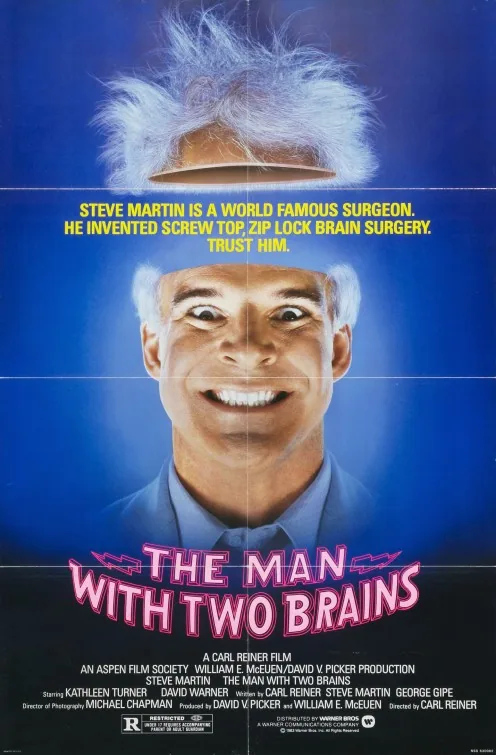
What changes The Love Witch: episodic, deliberate and melodramatic escalation. The Man with Two Brains: escalating comic complications.
Widowed neurosurgeon Michael Hfuhruhurr marries the glamorous Dolores after saving her life, then discovers that their relationship has little warmth or honesty. At a Vienna medical conference he meets Dr. Necessiter, whose bizarre experiments preserve human brains in jars, and forms an unexpected bond with Anne, one of them. The comic science-fiction premise turns romantic choice into absurd medical farce.
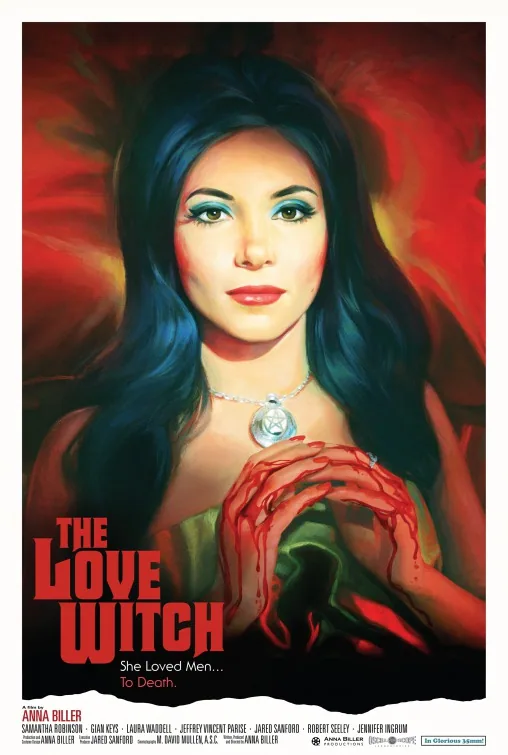
Elaine, a young witch, moves to a small California town after a relationship ends and sets out to find a man who will love her completely. She uses spells and potions to shape the men she meets, but her ideal of romance is difficult to sustain and her interventions bring painful consequences. Anna Biller places this modern story within carefully designed 1960s-inspired sets, costumes and color, using the look of vintage melodrama and horror to examine Elaine’s pursuit of an imagined perfect partner.
What drives the story
Elaine’s spells are meant to produce ideal love, but the relationships she controls expose the limits and dangers of her romantic fantasy.
The people at its centre
Elaine seeks devotion from men she regards as potential partners, while her relationships are shaped by mismatched expectations and her attempts at control.
What it feels like
Meticulous period styling turns a contemporary critique of romance and gender into a vivid homage to mid-century genre cinema.
Worth knowing
Its supernatural plot is filtered through a deliberately retro, female-centered critique of romantic scripts, rather than a period drama made in the style of its era.