Explore films connected to The Man Who Wasn't There through Detachment, Ambition, Consequence. Choose the qualities you want to carry into your next watch.
What should feel similar?
Find your next favourite
9 films · Closest overall matches
Hide films you’ve seen or don’t want. Saved on this device.
No matches for this combination yet.
Try another option or reset your choices to see more films.
Based on recorded story, mood and style. Your preferences can change the order.
Investigation
What changes The Man Who Wasn't There: measured crime escalation and retrospective reveal. The Player: meandering and slowly tightening.
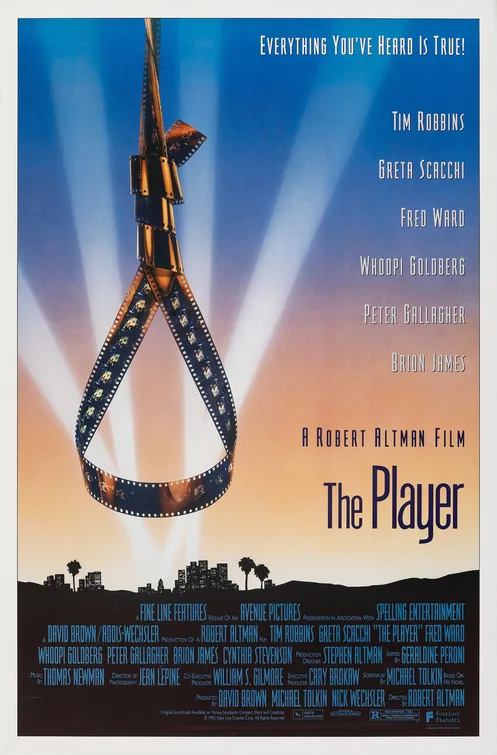
A powerful Hollywood studio executive begins receiving threatening messages from an unemployed writer and tries to identify who is sending them. The search soon becomes entangled with a murder and with the industry's culture of pitches, favors, and self-protection. As the studio's leaders keep performing confidence for one another, the investigation exposes a business where stories are constantly discussed and the people telling them are easily discarded.
Based on recorded story, mood and style. Your preferences can change the order.
Investigation
What changes The Man Who Wasn't There: measured crime escalation and retrospective reveal. Body Heat: measured and scheme tightens.
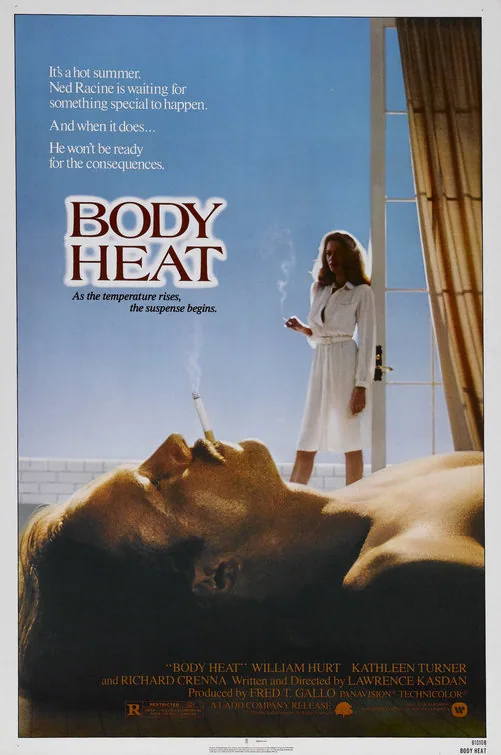
In a sweltering Florida town, lawyer Ned Racine begins an affair with Matty Walker, a married woman who suggests that her husband stands between them. Their attraction becomes a plan to kill him for money, but the apparent simplicity of the scheme gives way to suspicion, manipulation and consequences Ned cannot control. The film reshapes classic noir through humid atmosphere and a protagonist whose confidence outpaces his judgment.
Based on recorded story, mood and style. Your preferences can change the order.
Investigation
What changes The Man Who Wasn't There: measured crime escalation and retrospective reveal. Domino: rapid-fire and fragmented chronology.
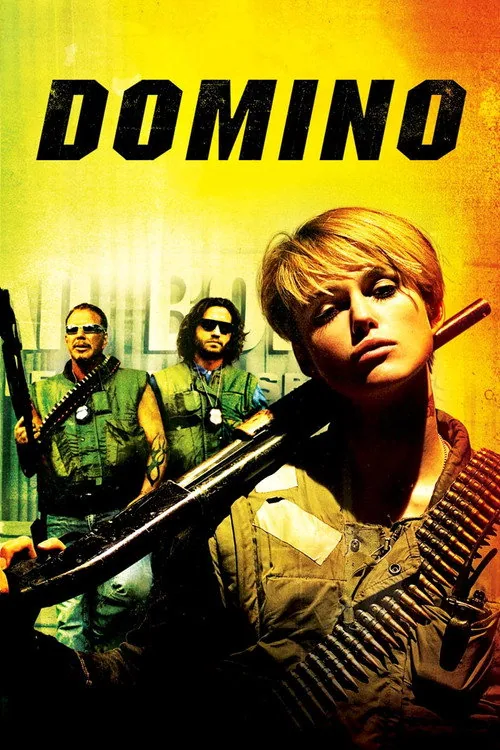
Loosely inspired by the life of Domino Harvey, the film follows a former model who leaves a privileged career to become a bounty hunter in Los Angeles. Working with a veteran partner and a former convict, Domino enters a world of fugitive arrests, unstable alliances, and a scheme involving a large amount of stolen money. Tony Scott presents the events through a highly stylized, fragmented account shaped by interrogation and memory, emphasizing velocity, dark humor, and the protagonist’s self-invention.
Both centre on criminal escalation and professional pursuit.
Why this matches +
Genres: Action / Comedy
Shared film traits
Based on recorded story, mood and style. Your preferences can change the order.
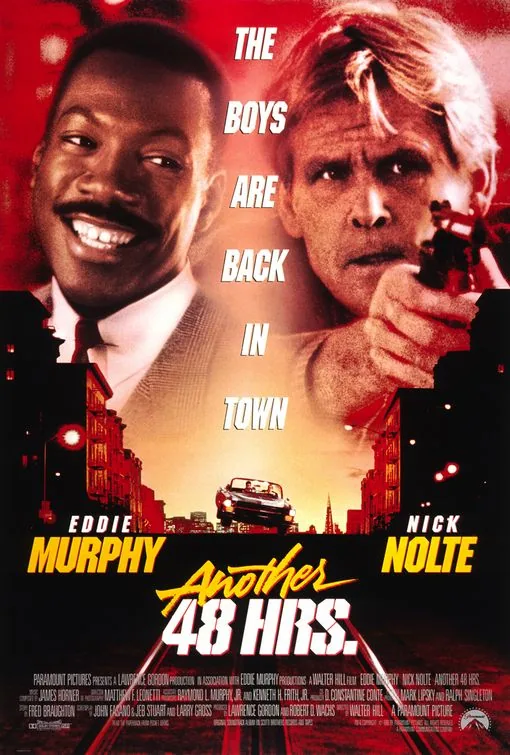
What changes The Man Who Wasn't There: measured crime escalation and retrospective reveal. Another 48 Hrs.: compressed and escalating.
After an informant's shooting leaves him facing prison again, Reggie Hammond is granted a short release so he can help Detective Jack Cates pursue a vicious gang of bank robbers. The uneasy partners have only two days to follow the trail and prevent more killings. Their conflicting methods turn the investigation into a volatile mixture of pursuit, old resentment, and reluctant reliance on each other's strengths.
Based on recorded story, mood and style. Your preferences can change the order.
Investigation
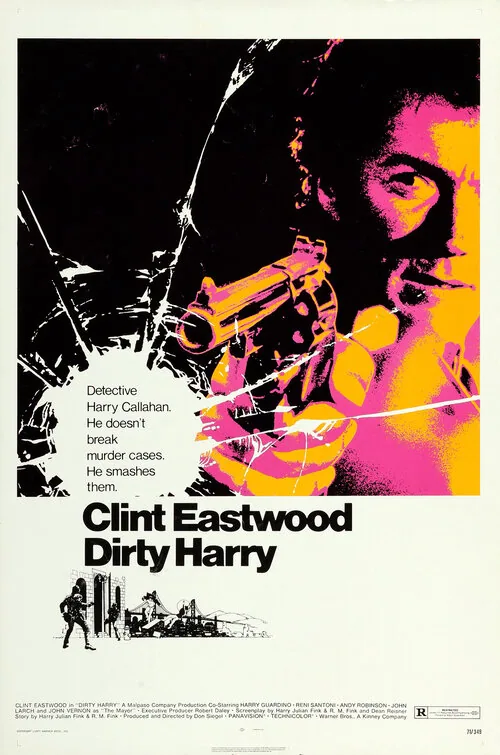
What changes The Man Who Wasn't There: measured crime escalation and retrospective reveal. Dirty Harry: measured.
A San Francisco detective pursues a sniper who uses threats and public fear to force the city into a sequence of demands. The officer's impatience with negotiation and legal restraint becomes central when his methods undermine the usable case against the suspect. Renewed danger makes the conflict more than a question of catching the right man: the film invites, and requires scrutiny of, a fantasy in which certainty of guilt appears to authorize power beyond ordinary accountability. The film’s thriller momentum depends on keeping viewers close to a detective whose certainty exceeds his legal authority.
Both share themes of ambition, plus a fatalistic atmosphere.
Why this matches +
Genres: Crime / Drama
Shared film traits
Based on recorded story, mood and style. Your preferences can change the order.
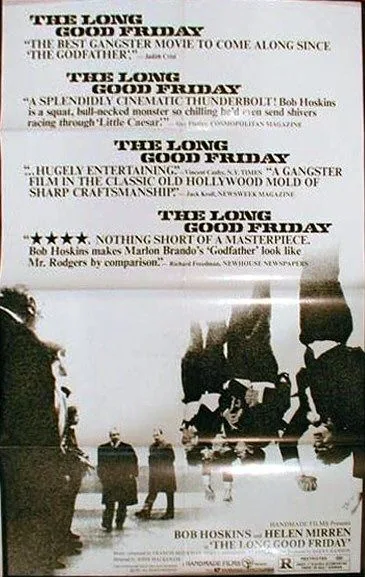
What changes The Man Who Wasn't There: measured crime escalation and retrospective reveal. The Long Good Friday: compressed timeline, escalating violence, investigative and tragic.
Harold Shand, a London gangster, wants to turn his criminal fortune into a legitimate property empire and has brought American investors into his plan to redevelop the docks. On Good Friday, attacks begin against his associates and businesses, and the bodies of his people suggest a coordinated threat rather than random street violence. Harold tries to identify the attackers while keeping his American partners confident and his own organization in line. As the violence reaches people close to him, the pursuit of a respectable future collapses into a reckoning with political power, loyalty, and the costs of his ambition.
Based on recorded story, mood and style. Your preferences can change the order.
Investigation
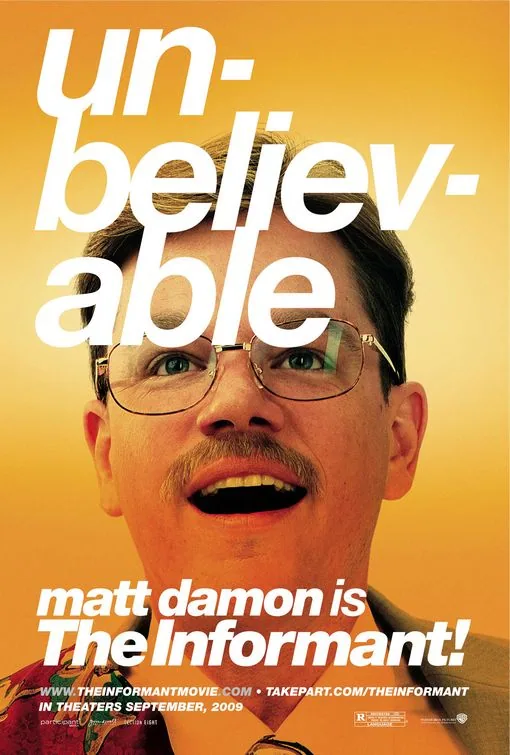
What changes The Man Who Wasn't There: measured crime escalation and retrospective reveal. The Informant!: episodic and measured.
A mid-level executive approaches federal investigators claiming that his company is involved in price-fixing, positioning himself as a valuable insider. The inquiry grows more complicated as his accounts shift and his own conduct becomes a subject of scrutiny. The film uses deadpan humor and an unreliable central perspective to explore self-justification, corporate misconduct and the gap between a person’s public explanation and private motives.
Based on recorded story, mood and style. Your preferences can change the order.
Investigation
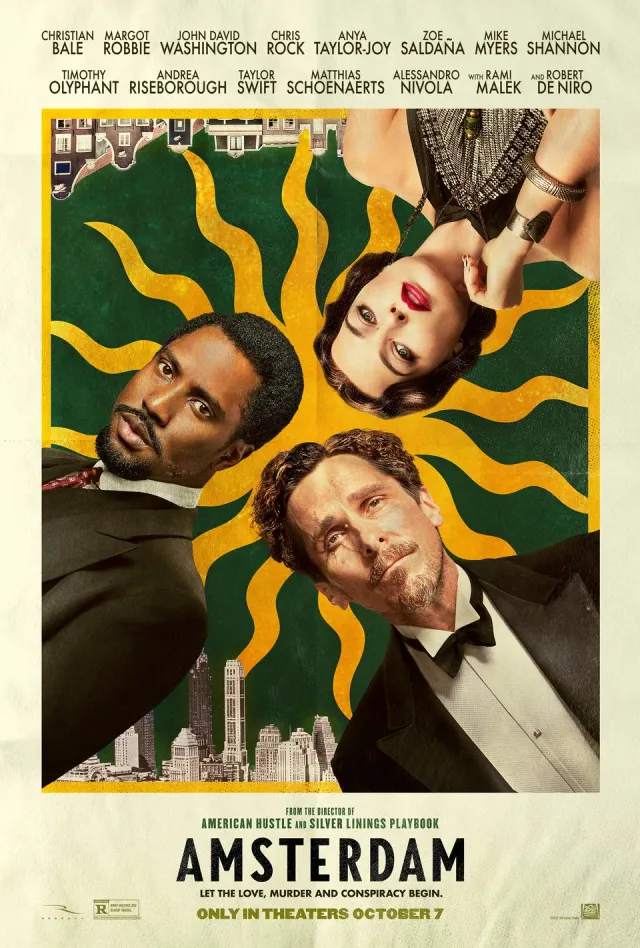
What changes The Man Who Wasn't There: measured crime escalation and retrospective reveal. Amsterdam: ensemble-driven and reveal-led.
In 1930s New York, doctor Burt Berendsen and lawyer Harold Woodman investigate the death of a military officer whose family they know. Their search draws them back to a friendship formed in wartime Europe and into a political conspiracy involving wealthy industrialists. The film mixes murder mystery, historical satire and personal loyalty, using an eccentric ensemble to trace how a private crime connects to a threat against democratic government.
Based on recorded story, mood and style. Your preferences can change the order.
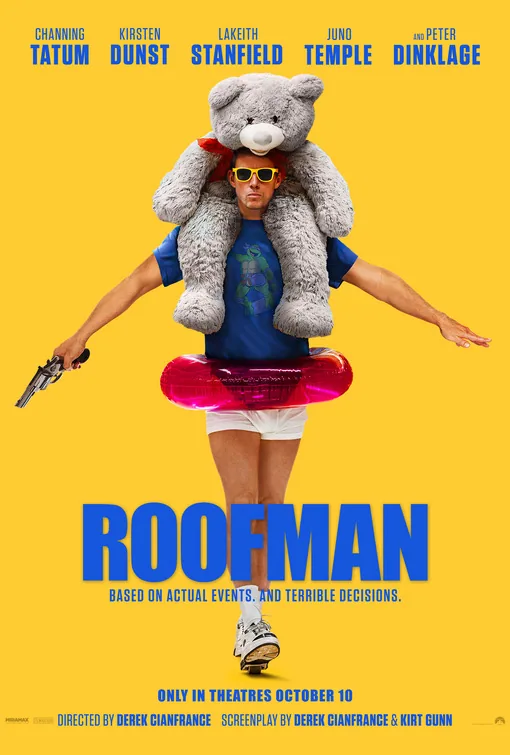
What changes The Man Who Wasn't There: measured crime escalation and retrospective reveal. Roofman: a criminal hideout story develops into a relationship under growing exposure.
Based on the case of Jeffrey Manchester, the film follows a former soldier who robs fast-food restaurants and hides inside a toy store while evading police. There he forms a relationship with an employee and struggles to keep his secret from people who might trust him. The crime drama combines an unusual concealment premise with questions about reinvention, family responsibility, and the harm caused by a life built on deception.
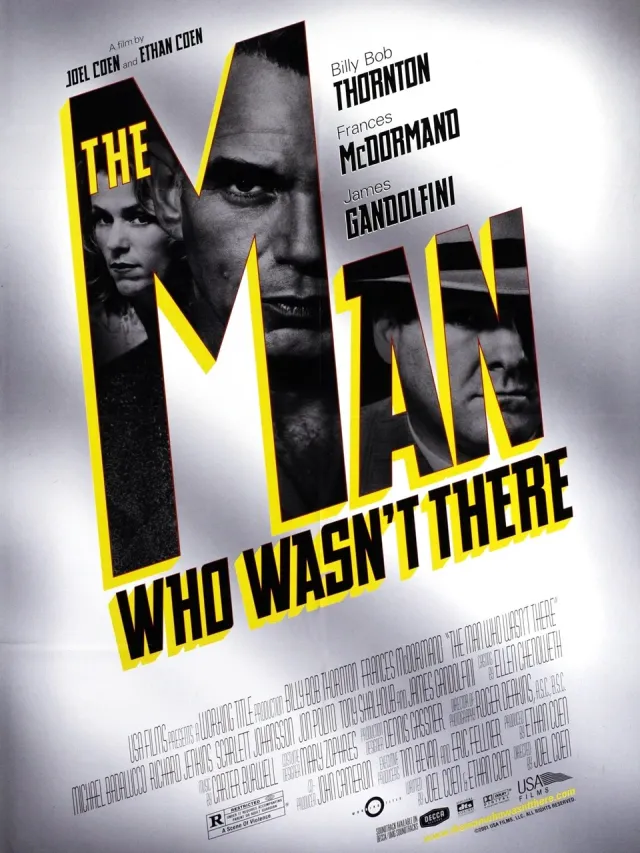
In 1949, California barber Ed Crane learns that his wife Doris is having an affair with her employer, Big Dave. When a stranger proposes a business investment, Ed sees a way to leave the quiet routine he dislikes, but his attempt to raise money sets off a chain of blackmail, violence and suspicion. The consequences grow more serious as Ed tries to stay removed from events he has helped trigger. Joel and Ethan Coen’s black-and-white crime film uses Ed’s reserved narration to frame a story about a man who mistakes detachment for control.
What drives the story
Ed’s attempt to fund a new life through blackmail creates consequences he cannot predict or keep at a distance.
The people at its centre
Ed’s silence frustrates Doris and obscures his own motives. His relationship with aspiring pianist Birdy briefly suggests a future, but he treats her ambition as another route out rather than a bond to nurture.
What it feels like
A measured noir with dry humor, deep-focus black-and-white images and a deliberately restrained lead performance.
Worth knowing
For viewers who like fatalistic, quiet crime stories and ironic narration. It is more introspective and absurd than a fast procedural or a conventional gangster film.