Based on recorded story, mood and style. Your preferences can change the order.
Space exploration
What changes The Midnight Sky is tagged somber and reflective; Ad Astra is tagged melancholic and contemplative.
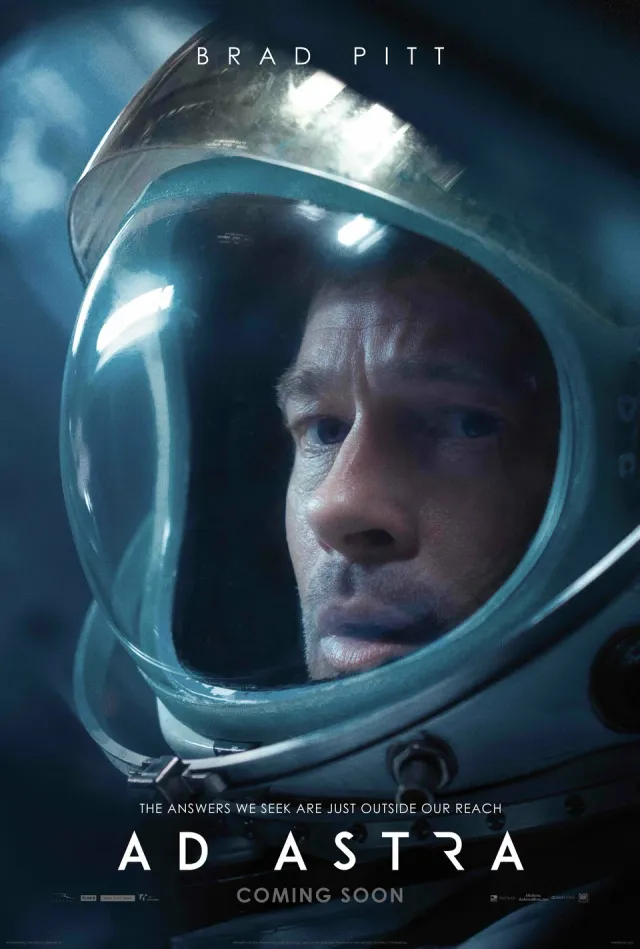
An emotionally controlled astronaut is sent towards the outer planets after destructive energy surges are linked to a long-missing mission led by his father. Public duty conceals a personal search for a man both admired and resented. Encounters along the route expose the limits of institutional confidence while forcing the son to examine whether the detachment that serves his profession has also organised his own loneliness.
Both share themes of exploration, plus a reflective atmosphere.
Why this matches +
Genres: Adventure / Drama
Shared film traits
Based on recorded story, mood and style. Your preferences can change the order.
Space exploration · Survival
Expect wondrous and uneasy, with measured and escalating pacing.
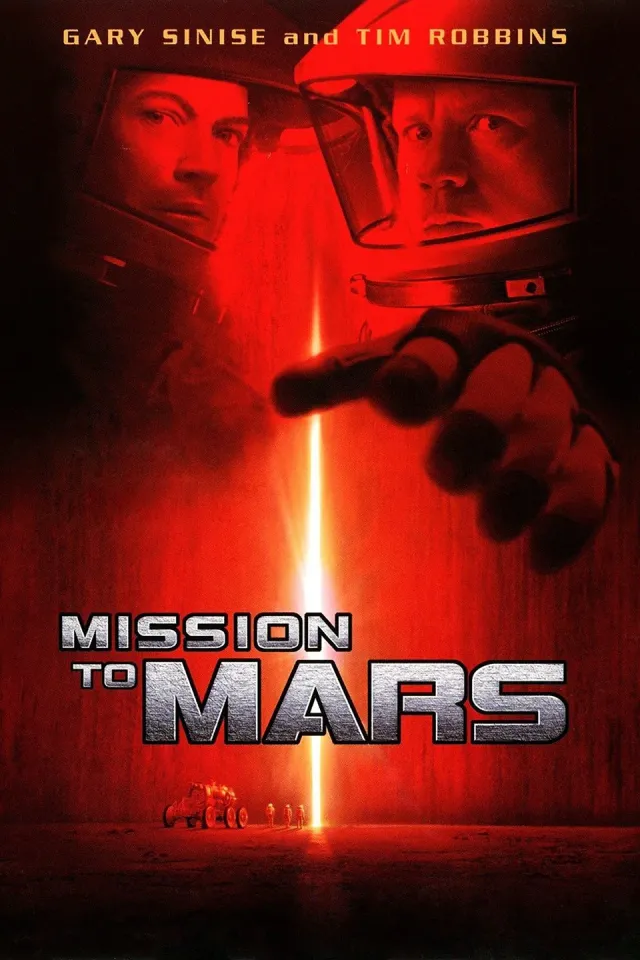
A crewed expedition reaches Mars after a preceding mission fails, then encounters evidence that complicates the crew’s understanding of the planet and humanity’s place in space. The astronauts must weigh scientific discovery against the immediate need to survive and communicate with Earth. The film turns exploration into a reflective, sometimes perilous team story.
Based on recorded story, mood and style. Your preferences can change the order.
Space exploration
Expect contemplative and tense, with measured and procedural pacing.
Years after the Discovery mission ended in disaster, scientist Heywood Floyd travels to a joint American-Soviet expedition near Jupiter to investigate a mysterious spacecraft and the events surrounding HAL's failure. The international crew must coordinate a high-risk journey as political tension on Earth threatens cooperation, while signals from the distant monolith suggest that the mission may involve questions larger than the fate of the astronauts.
Based on recorded story, mood and style. Your preferences can change the order.
Space exploration · Survival
What changes The Midnight Sky is tagged somber and reflective; Interstellar is tagged wondrous and emotional.
A former pilot leaves an increasingly uninhabitable Earth to investigate distant worlds that might support human life. The mission separates him from his children and subjects ordinary promises of return to the unequal passage of time. Scientific uncertainty, scarce resources and disagreement among the crew turn exploration into a conflict between immediate family attachment and responsibility for people who may never know the travellers' names.
Based on recorded story, mood and style. Your preferences can change the order.
Space exploration
What changes The Midnight Sky: alternating, measured and survival-focused. Star Trek Generations: mystery build and franchise crossover.
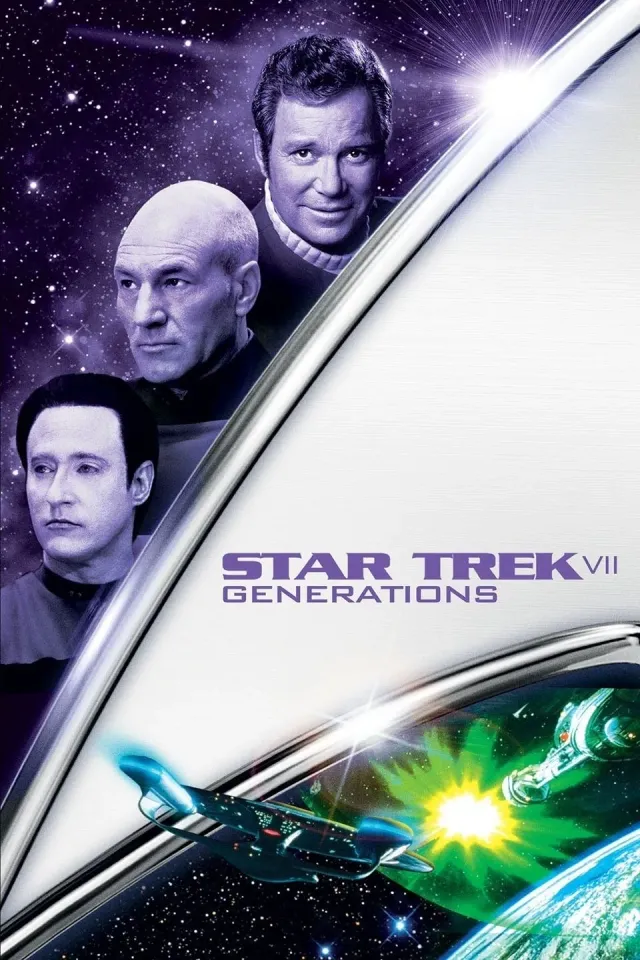
A rescue on the maiden voyage of the Enterprise-B leaves James Kirk presumed dead after an energy ribbon tears through the ship. Decades later, Captain Jean-Luc Picard investigates scientist Tolian Soran, whose plan to reach the ribbon's life-giving Nexus threatens inhabited worlds. Picard's grief over the deaths of his brother and nephew makes Soran's fixation on returning to a lost paradise especially unsettling. The crisis eventually joins the earlier and later Enterprise crews in a story about legacy, loss and what a captain owes the living.
Based on recorded story, mood and style. Your preferences can change the order.
Space exploration · Survival
What changes The Midnight Sky: alternating, measured and survival-focused. Moonfall: accelerating and spectacle-led.
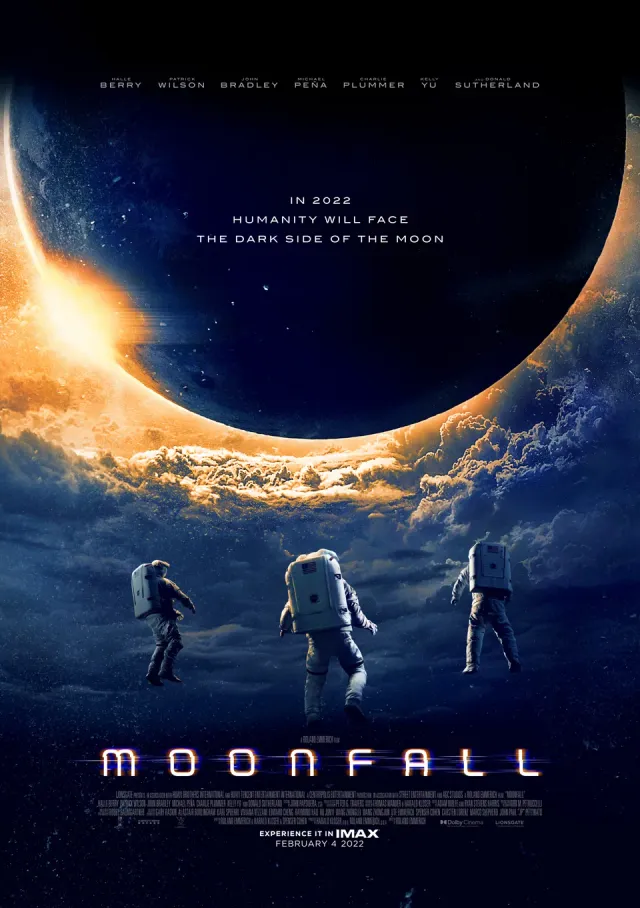
When the Moon begins moving toward Earth, an astronaut once discredited for describing an impossible encounter becomes central to an emergency mission. Joined by a NASA leader and a conspiracy-minded outsider, he searches for an explanation inside the approaching disaster. Their journey links cosmic speculation with family rescue on Earth, where changing gravity and widespread destruction make survival a rapidly narrowing problem.
Based on recorded story, mood and style. Your preferences can change the order.
Space exploration
What changes The Midnight Sky: alternating, measured and survival-focused. Solaris: meditative.
A psychologist travels to a space station orbiting a mysterious oceanic planet to assess reports of disturbing events among its researchers. There he encounters a woman resembling his dead wife, whose presence forces unresolved guilt into a relationship that cannot be understood as ordinary reunion. As the visitors become emotionally consequential, the investigation turns from evaluating alien phenomena toward the limits of knowing another consciousness and one's own memories.
Based on recorded story, mood and style. Your preferences can change the order.
Survival
What changes The Midnight Sky: alternating, measured and survival-focused. Finch: finch’s attempt to prepare for his death becomes a practical education in how to care for another being..
After a solar catastrophe leaves most of Earth dangerous to inhabit, robotics engineer Finch Weinberg lives in a protected St. Louis laboratory with his dog Goodyear and a small robot named Dewey. As his health worsens and a massive storm approaches, he builds a more capable humanoid machine, Jeff, and sets out with the robots and dog toward San Francisco. Miguel Sapochnik’s post-apocalyptic road film centers on Finch teaching Jeff how to care for Goodyear, turning a survival journey into a story about responsibility, trust, and the future of companionship.
Based on recorded story, mood and style. Your preferences can change the order.
Space exploration
What changes The Midnight Sky: alternating, measured and survival-focused. 2001: A Space Odyssey: meditative.
A mysterious object connects stages of human development separated by vast spans of time. During a later voyage towards Jupiter, two astronauts oversee a spacecraft whose intelligent computer begins behaving in ways they cannot safely interpret. The journey moves beyond a practical struggle for survival into an encounter that leaves ordinary categories of time, space and human understanding unsettled.
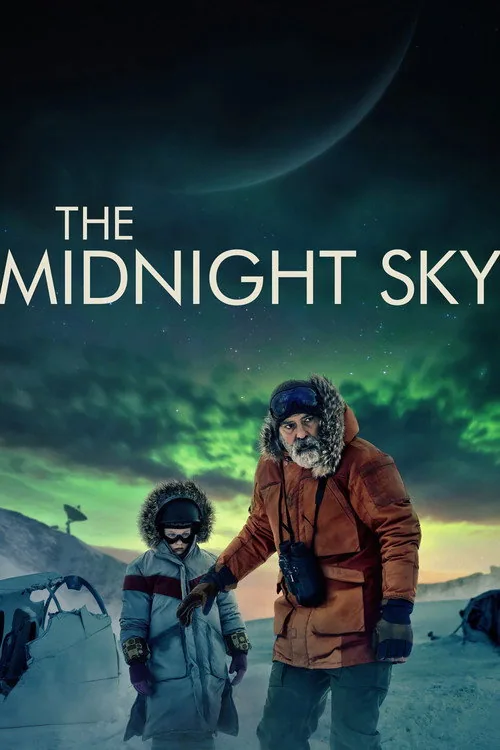
After catastrophe leaves Earth nearly uninhabitable, aging scientist Augustine Lofthouse remains at an Arctic research station. He discovers that spacecraft Aether is returning from a mission to Jupiter’s moon K-23 and tries to warn its crew not to come home. A young girl named Iris is hiding at the base, and Augustine must take her across the frozen landscape to reach a stronger antenna. George Clooney’s drama connects an isolated survival journey with the crew’s difficult choices in space.
What drives the story
An isolated scientist races to warn a returning crew after catastrophe makes Earth unsafe. Augustine and Iris cross the Arctic as the Aether faces damage and learns the truth.
The people at its centre
Augustine’s growing attachment to Iris reframes earlier choices, while the crew weighs returning home against starting anew.
What it feels like
Contains illness, injury, death, environmental catastrophe, and peril involving a child.
Worth knowing
The alternating Arctic survival story and space mission join personal regret to the possibility of human renewal.