Explore films connected to The Other Guys through Professional recognition, Corruption, Partnership. Choose the qualities you want to carry into your next watch.
What should feel similar?
Find your next favourite
9 films · Closest overall matches
Hide films you’ve seen or don’t want. Saved on this device.
No matches for this combination yet.
Try another option or reset your choices to see more films.
Both centre on professional pursuit and institutional investigation.
Why this matches +
Genres: Comedy / Buddy cop
Shared film traits
Based on recorded story, mood and style. Your preferences can change the order.
Investigation · Criminal underworld
What changes The Other Guys is tagged absurd and broad; The Nice Guys is tagged darkly comic and chaotic.
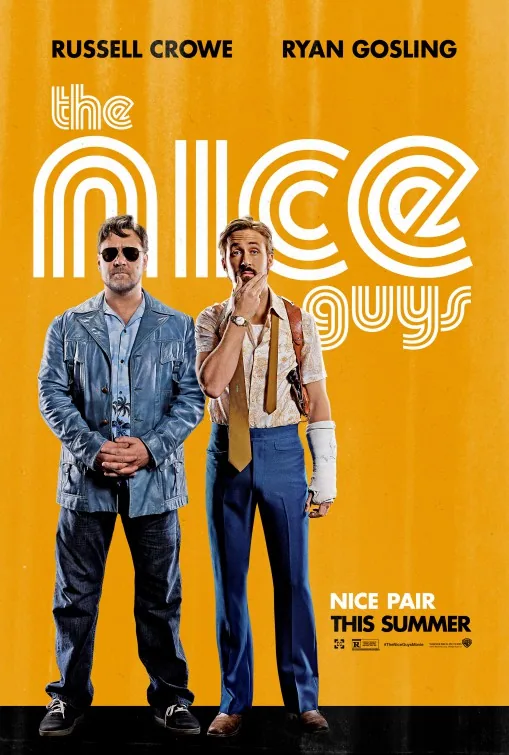
In 1970s Los Angeles, private investigator Holland March is hired to find Amelia, a young woman whose disappearance appears connected to the death of adult-film actress Misty Mountains. Enforcer Jackson Healy is separately paid to keep March away from the case, but the two men discover that Amelia is trying to evade a much more powerful network. March's observant daughter Holly keeps inserting herself into the investigation, often seeing danger the adults miss. The trail runs through the porn industry, environmental protest and an auto-industry cover-up, turning a missing-person job into a conspiracy that neither investigator can handle alone. Their progress depends as much on surviving their own impulsive choices as on reading the clues.
Based on recorded story, mood and style. Your preferences can change the order.
Investigation · Criminal underworld
What changes The Other Guys is tagged absurd and broad; The Last Boy Scout is tagged hard-edged and bitterly comic.
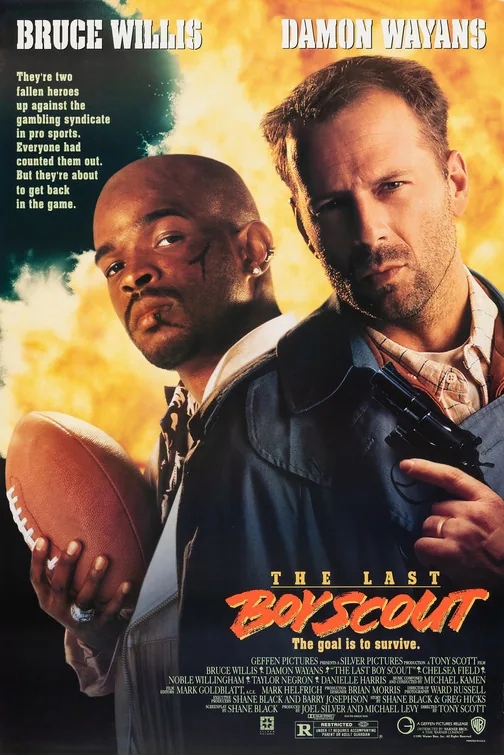
Joe Hallenbeck, a disgraced former Secret Service agent turned private investigator, reluctantly teams with Jimmy Dix, a suspended football player whose girlfriend has been murdered. Their inquiry exposes a scheme linking professional football, political influence, and a ruthless crime boss. The two men have little patience for one another, but the case forces them to combine streetwise improvisation with the instincts of someone who knows how institutions can be bought.
Based on recorded story, mood and style. Your preferences can change the order.
Investigation · Criminal underworld
What changes The Other Guys: fast-paced and escalating. Loaded Weapon 1: rapid-fire sketch escalation.
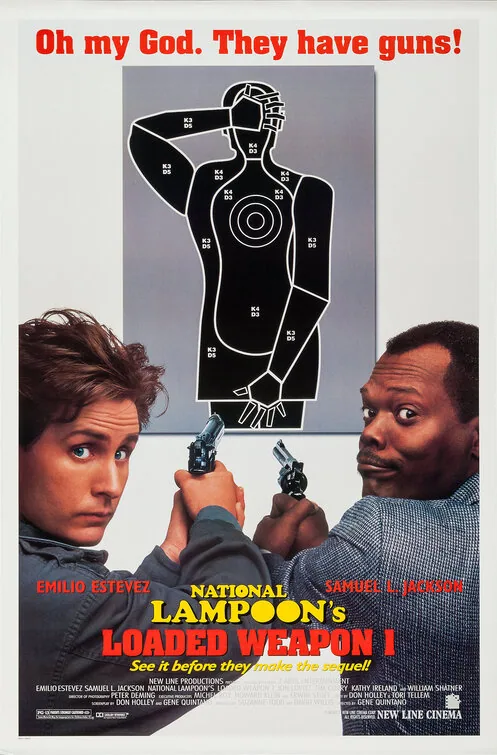
Detectives Jack Colt and Wes Luger are paired to investigate a murder linked to a larger criminal plot. Their pursuit supplies a loose frame for jokes about action films, police dramas and familiar genre clichés. Rather than sustaining suspense, the comedy repeatedly interrupts its investigation with visual gags and recognizable references, making the detectives' mismatched partnership a vehicle for parody.
Both centre on professional pursuit and institutional investigation.
Why this matches +
Genres: Crime / Drama
Shared film traits
Based on recorded story, mood and style. Your preferences can change the order.
Investigation · Criminal underworld
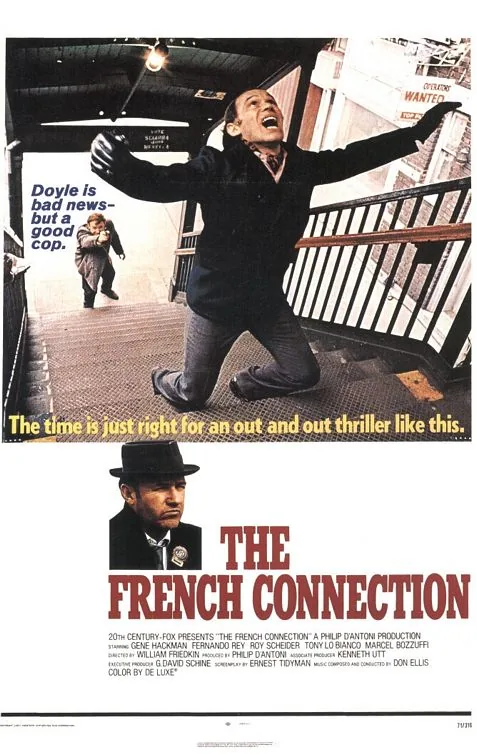
What changes The Other Guys: fast-paced and escalating. The French Connection: intense.
Two New York detectives notice a small-time criminal spending beyond his apparent means and begin following a possible connection to an international heroin shipment. Surveillance links local intermediaries with a sophisticated French trafficker, but certainty remains difficult to translate into a successful interception. One detective's aggressive persistence brings dangerous public confrontations and personal fixation, making the pursuit's momentum increasingly hard to separate from its cost.
Based on recorded story, mood and style. Your preferences can change the order.
Investigation · Criminal underworld
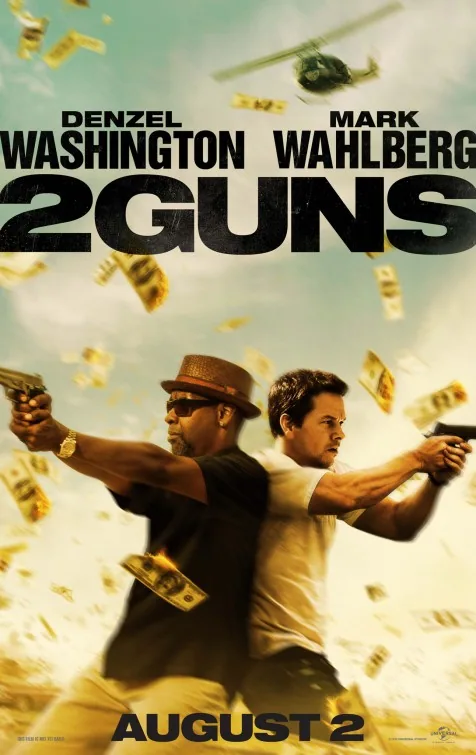
What changes The Other Guys: fast-paced and escalating. 2 Guns: fast and reversal-driven.
Two men planning a robbery believe they understand their criminal partnership, but each is concealing an undercover role from the other. The money they steal belongs to a network more dangerous than either expected, leaving them betrayed by their own organizations. Forced back into cooperation, they navigate shifting allegiances and institutional corruption through a mixture of mistrust, competitive banter and increasingly destructive improvisation.
Based on recorded story, mood and style. Your preferences can change the order.
Investigation · Criminal underworld
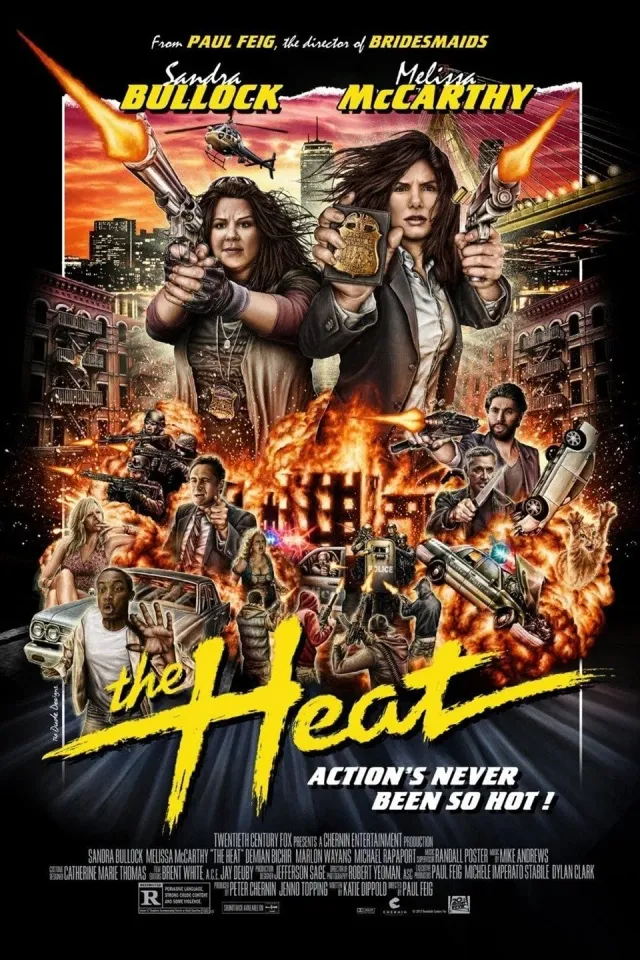
What changes The Other Guys: fast-paced and escalating. The Heat: brisk and dialogue-driven comedy.
A highly capable but socially abrasive FBI agent is sent to Boston to investigate a drug organization and is forced to collaborate with a local detective whose methods alarm her. Their pursuit becomes tangled with the detective's family and with professional rivals who dismiss them. Insults and procedural clashes gradually produce a durable partnership, giving the crime story an emotional center in two women learning how to rely on each other.
Based on recorded story, mood and style. Your preferences can change the order.
Investigation
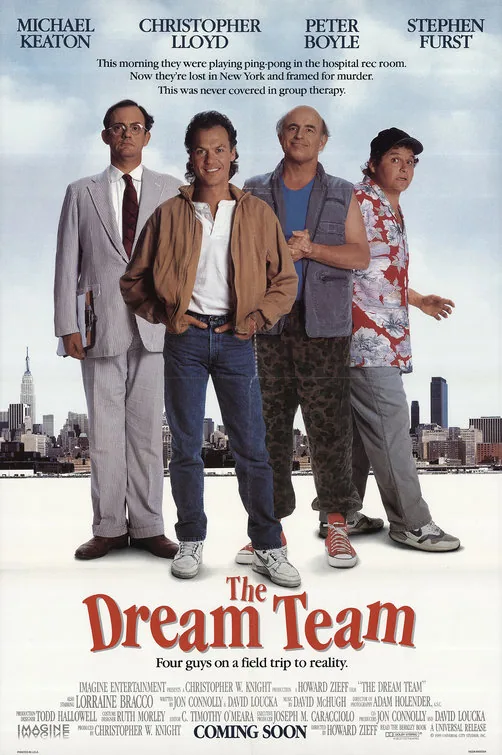
What changes The Other Guys: fast-paced and escalating. The Dream Team: episodic city encounters gather momentum toward a group-led rescue.
Psychiatrist Jeff Weitzman takes four patients—Billy, Henry, Jack and Albert—on an outing to a New York Yankees game, hoping a change of scenery will help them. After he witnesses corrupt police officers kill another officer, Weitzman is attacked and hospitalized, leaving the group stranded in Manhattan. The patients must navigate the city and protect the doctor who has treated them with care, while both the killers and police search for them. Encounters with people from their earlier lives reveal abilities and longings obscured by the labels others place on them, and the group ultimately exposes the criminals.
Based on recorded story, mood and style. Your preferences can change the order.
Criminal underworld
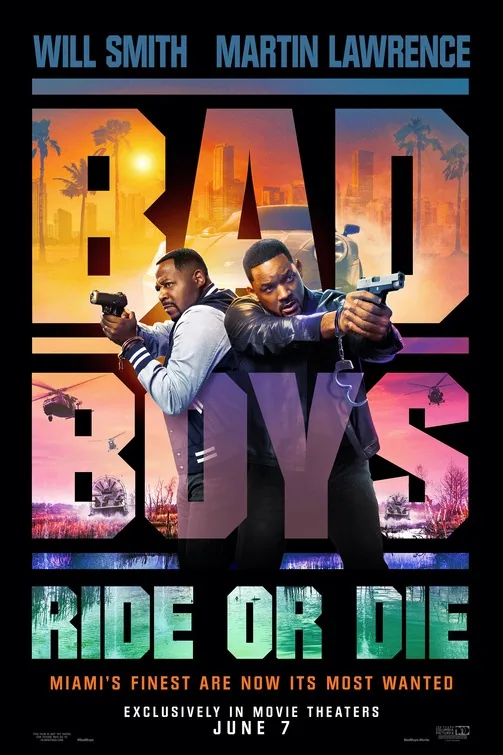
What changes The Other Guys: fast-paced and escalating. Bad Boys: Ride or Die: rapid and set-piece driven.
Miami detectives Mike Lowrey and Marcus Burnett are pulled into danger when evidence appears to implicate their late captain in a corruption scheme. Determined to defend his reputation, the partners follow the case outside normal police channels and become fugitives themselves. Their pursuit draws in family and allies as they try to uncover who manufactured the evidence, while Marcus's new belief that he is invulnerable adds reckless humor to the danger.
Both centre on professional pursuit and institutional investigation.
Why this matches +
Genres: Action / Comedy
Shared film traits
Based on recorded story, mood and style. Your preferences can change the order.
Investigation · Criminal underworld
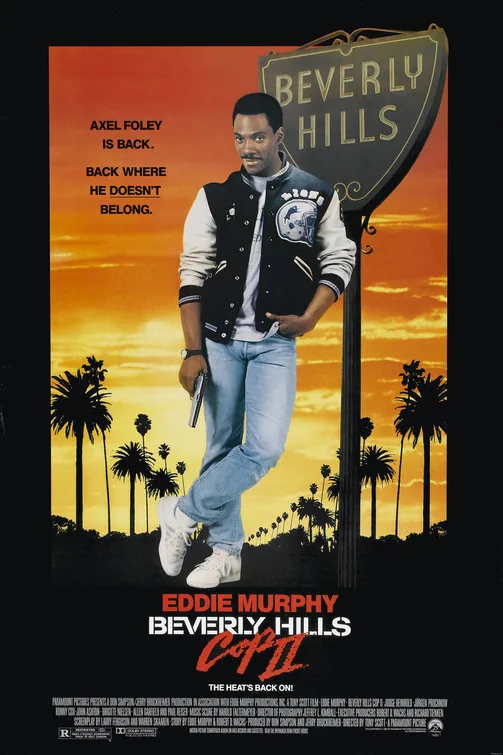
What changes The Other Guys: fast-paced and escalating. Beverly Hills Cop II: fast.
An attack on a Beverly Hills police officer brings Axel back into contact with colleagues who have become friends. Their effort to connect a series of stylized crimes must proceed around a leadership more concerned with appearances and obedience than the earlier partnership's instincts. Following the clues exposes a larger operation, giving the returning outsider another opportunity to turn disruptive performance into practical investigative access.
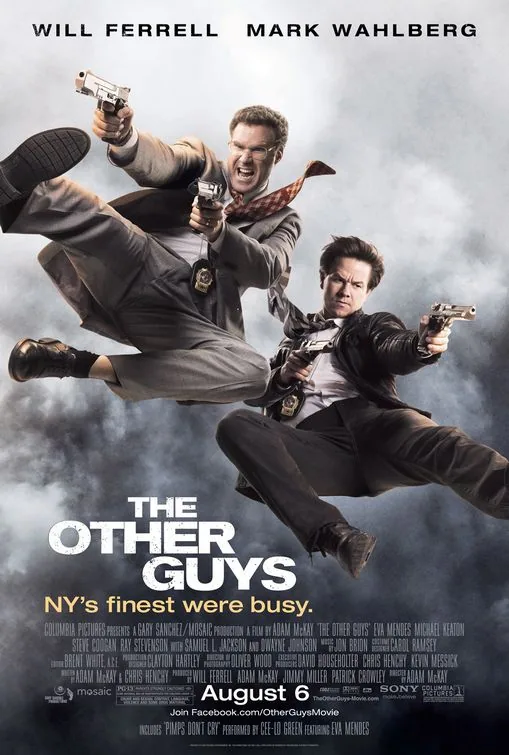
NYPD detectives Terry Hoitz and Allen Gamble are relegated to desk-bound work while the department celebrates its reckless star pair. When those stars die in a stunt, Terry expects a chance to take their place, but Allen would rather pursue a permit violation tied to financier David Ershon. Their investigation brings them into contact with a corporate scheme and a team of armed men, forcing the mismatched partners to follow the money rather than chase celebrity. Terry's anger at being overlooked and Allen's quiet, bookish approach produce a constant clash, while Allen's home life is an unexpected source of surprise for his partner. The case gives the department's so-called other guys a chance to prove whether careful work can matter more than spectacle.
What drives the story
A minor paperwork inquiry opens onto financial crime, and the detectives must investigate a corporate scheme after their department's heroes are gone.
The people at its centre
Terry wants recognition and action; Allen prefers evidence and routine. Their partnership improves when Terry stops mistaking volume for competence and Allen takes responsibility.
What it feels like
A broad buddy-cop satire alternates absurd set pieces with a story about financial oversight and the damage hidden behind impressive numbers.
Worth knowing
For viewers after irreverent police comedy and reluctant-partner banter. It satirizes the action-hero cop template rather than offering a straight procedural or hard-edged crime thriller.