Based on recorded story, mood and style. Your preferences can change the order.
Survival
What changes The Parenting: escalating, ensemble-driven and set-piece based. Bhooth Bangla: inheritance brings the family to the palace, wedding preparations uncover strange events and arjun confronts the threat.
Financially struggling Arjun Acharya inherits an ancestral palace in Mangalpur and decides to host his sister's long-delayed wedding there. Local warnings say no bride survives in the town, and the old building soon produces supernatural disturbances that threaten the family gathering. As the wedding preparations turn into a confrontation with the palace's history, Arjun must protect his relatives from an ancient evil. This Hindi horror comedy reunites Akshay Kumar and director Priyadarshan for a haunted-house story built around family chaos, folklore, and comic ensemble timing.
Based on recorded story, mood and style. Your preferences can change the order.
Constructed reality
What changes The Parenting: escalating, ensemble-driven and set-piece based. A Haunted House: sketch-like escalation with recurring scare gags.
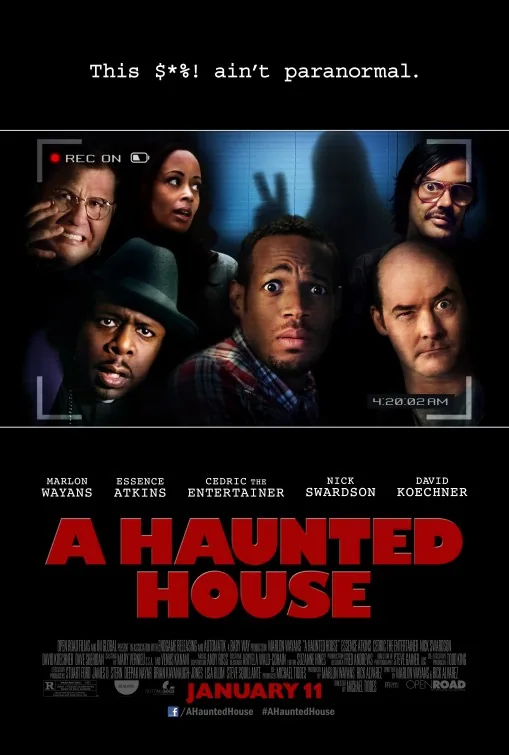
A young couple move into a new home and record increasingly strange events, only to find their attempts at investigation tangled in a parody of possession and found-footage horror conventions. Their relationship, roommates and neighbors become part of the escalating chaos. The comedy is intentionally crude, using familiar supernatural scares as setups for sexual jokes, slapstick and genre spoofing.
Based on recorded story, mood and style. Your preferences can change the order.
Survival
What changes The Parenting: escalating, ensemble-driven and set-piece based. Speak No Evil: slow-burn escalation, quiet social scenes and sudden shifts in threat.
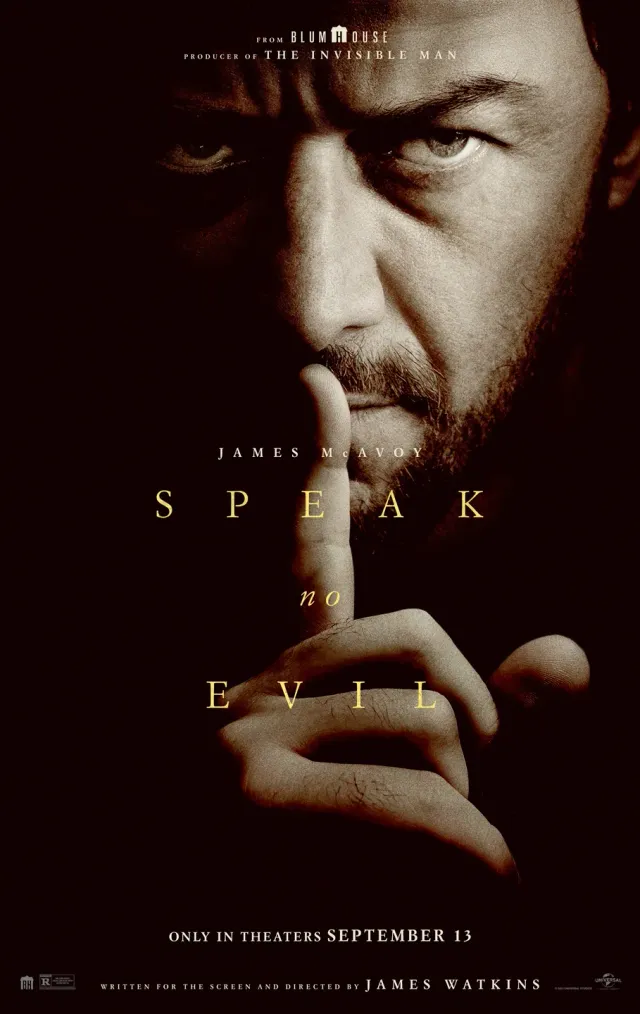
During a holiday in Tuscany, Danish couple Bjørn and Louise befriend Dutch couple Patrick and Karin, then accept an invitation to visit their remote home. Small social discomforts accumulate as the guests notice troubling differences in the hosts' behavior and the children are caught in an awkward household dynamic. Bjørn and Louise struggle between politeness and the instinct to leave, turning an ordinary weekend visit into a study of boundaries and fear. Christian Tafdrup's thriller uses restrained interactions and escalating tension to make social compliance feel dangerous.
Based on recorded story, mood and style. Your preferences can change the order.
Survival
What changes The Parenting: escalating, ensemble-driven and set-piece based. Speak No Evil: a slow weekend visit tightens through repeated boundary violations.
An American family accepts an invitation from a British couple they met on vacation, hoping for a relaxing weekend in the countryside. Small social discomforts accumulate as the hosts’ behavior becomes harder to explain and the guests debate whether politeness is still safe. The psychological horror builds tension through hospitality and hesitation, examining how people can ignore clear unease when social rules tell them not to offend.
Based on recorded story, mood and style. Your preferences can change the order.
Survival
What changes The Parenting: escalating, ensemble-driven and set-piece based. Poltergeist: escalating disturbances lead to a rescue climax.
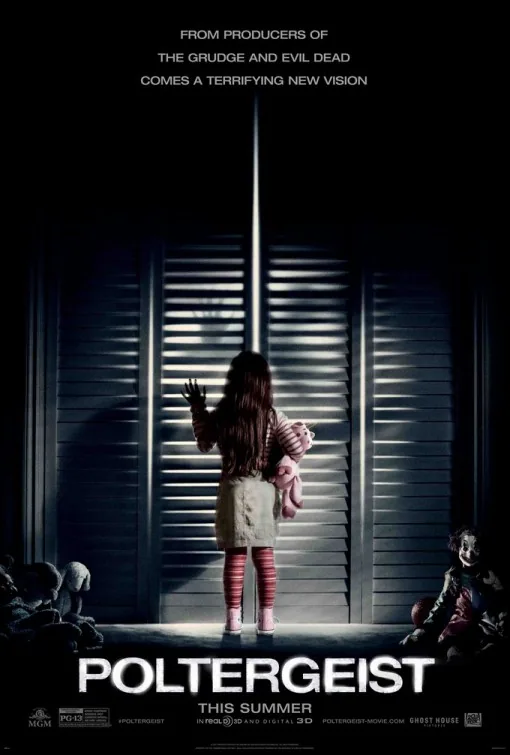
A family moves into a suburban home where a series of increasingly dangerous supernatural events culminates in the disappearance of their youngest daughter. Her parents and siblings must work together with specialists to find her before the house’s presence becomes irreversible. The remake uses a familiar family-under-threat structure, pairing domestic warmth with haunted-house shocks and urgent rescue.
Both share themes of family, plus a chaotic atmosphere.
Why this matches +
Genres: Comedy / Horror
Shared film traits
Based on recorded story, mood and style. Your preferences can change the order.
Family and care · Constructed reality
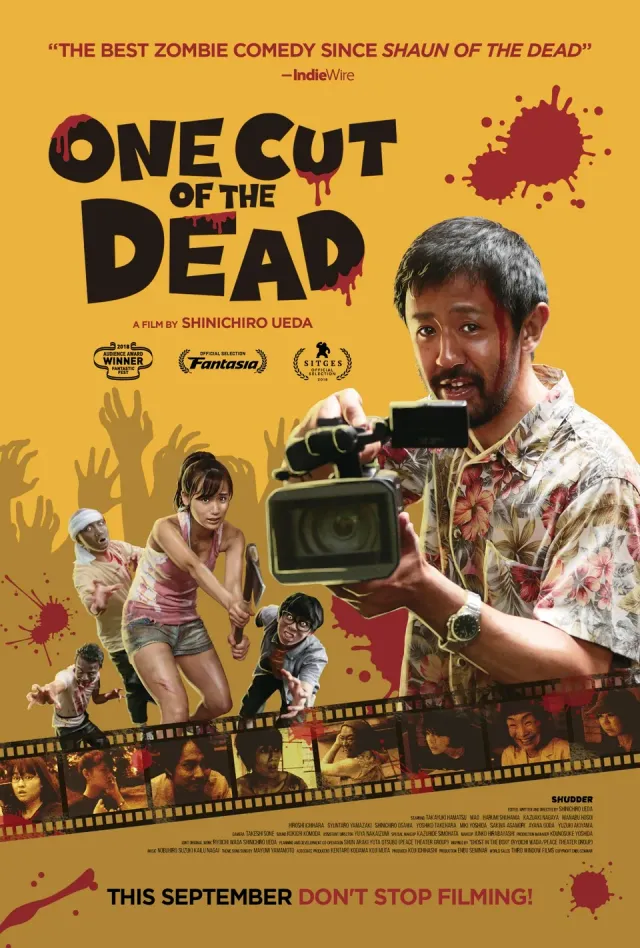
What changes The Parenting: escalating, ensemble-driven and set-piece based. One Cut of the Dead: slow-burn opening, perspective shift and comic payoff.
A small film crew shoots a zombie movie inside an abandoned water-treatment plant, where the determined director keeps the cameras rolling as strange events unfold. The story then widens beyond the apparent one-take horror scene, revealing the people, pressures, and improvised planning behind the production. This Japanese comedy-horror turns low-budget filmmaking into both its subject and its source of surprises, moving from undead chaos toward an affectionate portrait of creative teamwork.
Based on recorded story, mood and style. Your preferences can change the order.
Survival
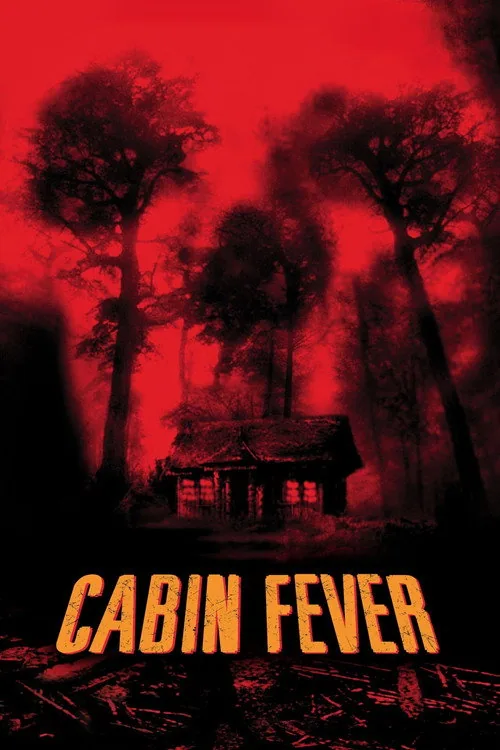
What changes The Parenting: escalating, ensemble-driven and set-piece based. Cabin Fever: escalating, ensemble panic and graphic set pieces.
Five college friends rent a remote cabin for a vacation, hoping to spend time away from school and work. Their trip changes when a severely ill hermit arrives, and the group learns that a flesh-eating infection is spreading through the area. Fear of contagion reshapes their relationships and their responses to strangers, while a lack of reliable help leaves them increasingly isolated. Eli Roth’s horror comedy combines body horror, rural isolation, and distrust among friends in a deliberately abrasive genre exercise.
Based on recorded story, mood and style. Your preferences can change the order.
Survival
What changes The Parenting: escalating, ensemble-driven and set-piece based. Zombieland: episodic journey.
In a United States devastated by a zombie outbreak, anxious college student Columbus survives by following a strict set of rules. On the road he joins Tallahassee, a fearless hunter who is looking for Twinkies, and later sisters Wichita and Little Rock, who have learned to fend for themselves through deception. Their uneasy group travels toward a California amusement park, with each new encounter testing whether trust is more dangerous than the zombies. The horror-comedy lets the characters’ mismatched coping styles carry the road story as much as the undead threat. The film uses the rules as a way to narrate fear, then reveals that personal connection cannot be reduced to a checklist.
Based on recorded story, mood and style. Your preferences can change the order.
Survival
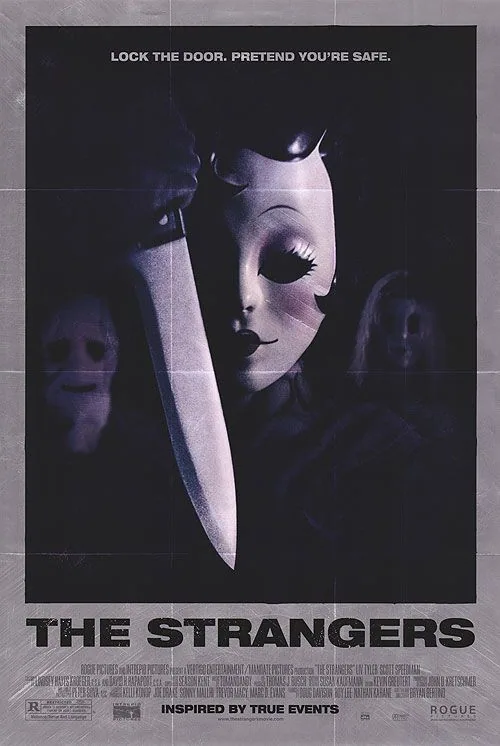
What changes The Parenting: escalating, ensemble-driven and set-piece based. The Strangers: slow-burn and bursts of violence.
After attending a wedding, James and Kristen retreat to his family's isolated vacation house, already tense after an unanswered marriage proposal. A late-night knock begins a sequence of intrusions by three masked strangers who appear at the windows and doors without offering a motive. The couple's phone and transport options fail, turning the familiar house into a place they cannot secure. Their attempts to hide, call for help and get out of the property are interrupted by the strangers' patient movement through the rooms. The lack of explanation makes the violence feel arbitrary, while the couple's strained relationship gives them one more uncertainty to manage as the night narrows their choices.
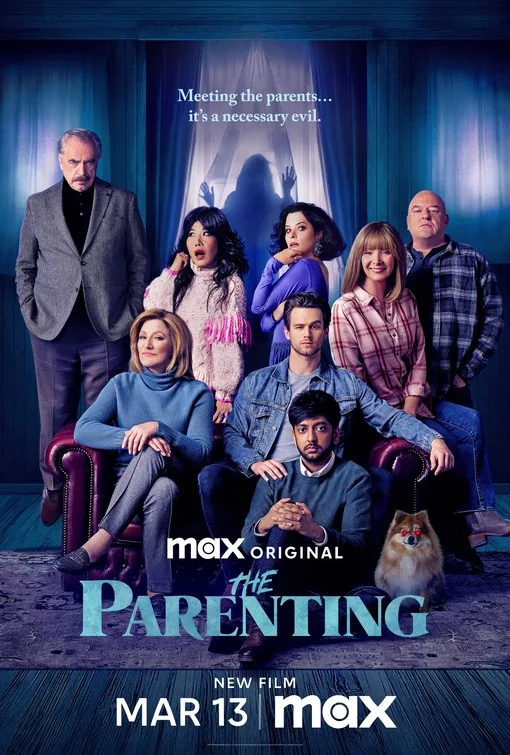
A young couple brings their relationship to a weekend gathering with both families at a country house. The visit is already tense because of different expectations and unresolved family dynamics, but a supernatural presence in the home turns the meeting into a horror-comedy ordeal. As the guests try to understand what is happening, polite introductions give way to panic, exposing how little control anyone has over the strange situation or each other's behavior.
What drives the story
A couple's family weekend becomes a crisis when a supernatural presence appears in their rental house.
The people at its centre
The partners try to keep both families together as old assumptions and new dangers collide.
What it feels like
The horror premise amplifies the discomfort of meeting relatives and negotiating acceptance.
Worth knowing
Its scares are framed through an unruly ensemble comedy rather than sustained supernatural dread.