Both share an ensemble story, plus themes of loss.
Why this matches +
Genres: Comedy / Adventure
Shared film traits
Based on recorded story, mood and style. Your preferences can change the order.
Both directed by Wes Anderson.
What changes The Royal Tenenbaums: measured. The Grand Budapest Hotel: fast.
A former hotel owner recounts his apprenticeship under a celebrated concierge in a mountain resort between the wars. An inheritance dispute draws the pair into accusations, flight and a struggle to protect both a friendship and a particular code of hospitality. The adventure is filtered through layers of recollection, giving its comic movement the sadness of remembering a social world that violence and history have already erased.
Both share a character study, plus a melancholic and humorous atmosphere.
Why this matches +
Genres: Drama / Romance
Shared film traits
Based on recorded story, mood and style. Your preferences can change the order.
Expect humorous and melancholic, with measured pacing.
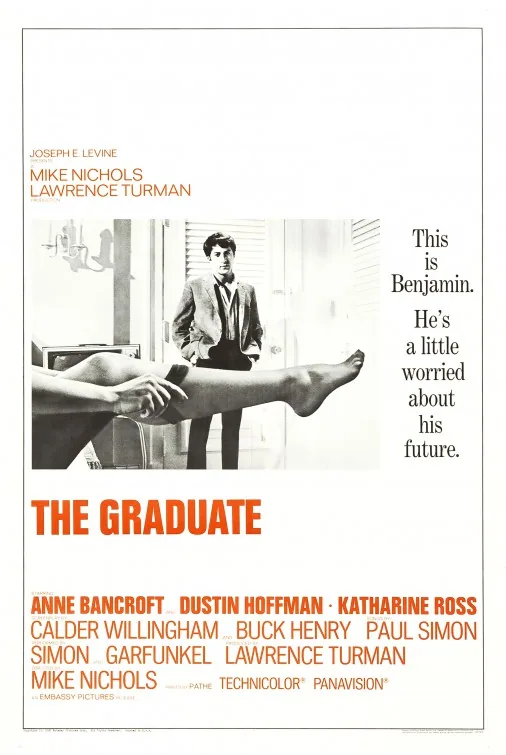
Returning home after college, a young man finds material comfort and parental expectations offering little sense of direction. An affair with an older family acquaintance gives his aimlessness a secret routine, but becoming interested in her daughter makes that arrangement destructive and difficult to conceal. Attempts to turn romantic pursuit into a decisive escape expose how little certainty he has developed about what comes after rejecting the life prepared for him.
Both share an ensemble story, plus themes of family.
Why this matches +
Genres: Comedy / Drama
Shared film traits
Based on recorded story, mood and style. Your preferences can change the order.
Both directed by Wes Anderson.
What changes The Royal Tenenbaums: measured. Moonrise Kingdom: steady.
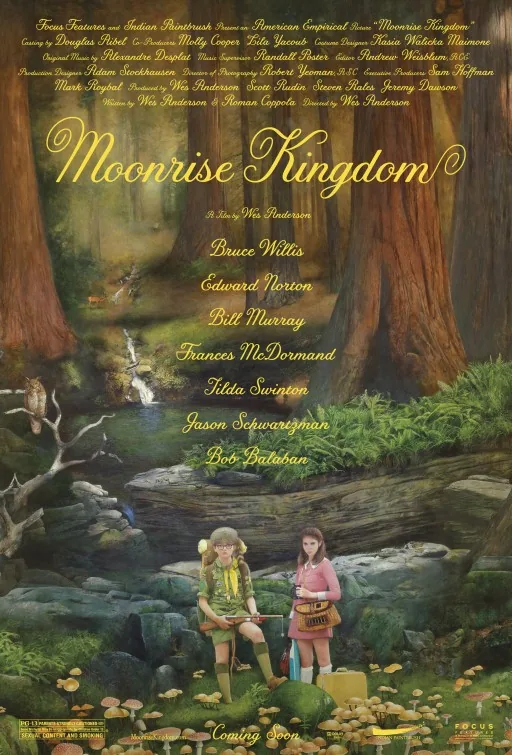
Two isolated children secretly arrange to leave their families and scout routines to live together on a New England island. Their disappearance draws troubled adults into a search as an approaching storm raises the practical risks of the plan. What begins as an idealised escape reveals how little emotional security the surrounding institutions provide, while affection and makeshift alliances offer imperfect alternatives to simply returning each child to the old arrangement.
Both share a character study, plus themes of family.
Why this matches +
Genres: Drama / Comedy
Shared film traits
Based on recorded story, mood and style. Your preferences can change the order.
Expect emotional and humorous, with measured pacing.
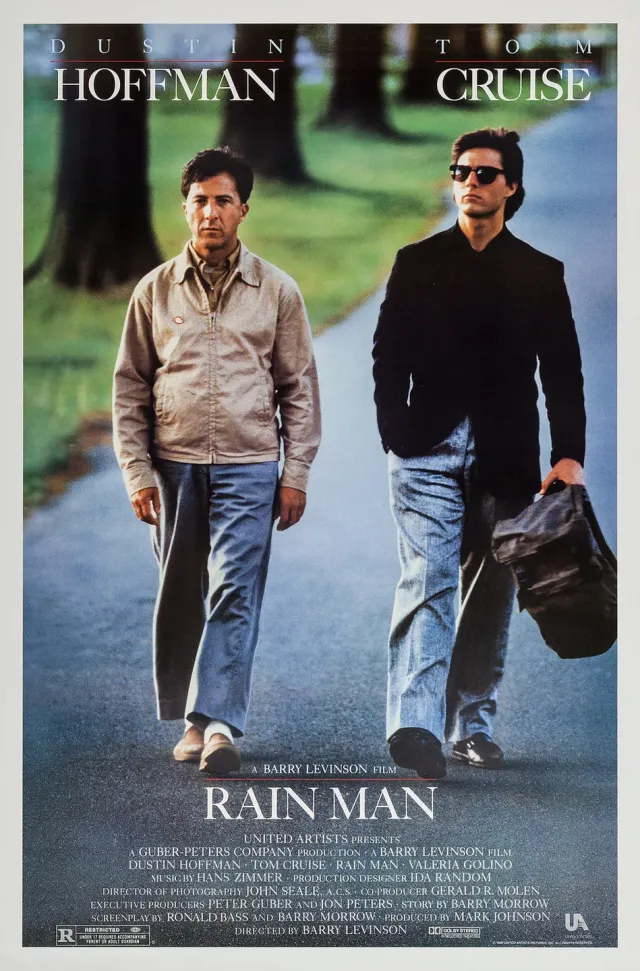
A financially pressured car dealer discovers that his estranged father's estate has been left to a brother he did not know existed. Hoping to regain control of the inheritance, he removes the autistic man from familiar care and takes him across the country. Travel disruptions and unfamiliar routines gradually expose the limits of his transactional approach, making accommodation and sibling responsibility more important than the money that began the journey.
Based on recorded story, mood and style. Your preferences can change the order.
Expect melancholic and humorous, with measured pacing.
A newly retired insurance employee loses his wife and begins questioning what his work and marriage have actually meant. Traveling toward his daughter's wedding gives him a chance to interfere with her plans while presenting his life to a distant sponsored child through letters. The gap between his self-description and the encounters around him exposes grief, resentment, and a need for significance he struggles to express generously.
Both share a character study, plus themes of family.
Why this matches +
Genres: Drama / Romance
Shared film traits
Based on recorded story, mood and style. Your preferences can change the order.
What changes The Royal Tenenbaums: measured. Silver Linings Playbook: steady.
After leaving psychiatric treatment, a former teacher moves back into his parents' home determined to restore his marriage despite a restraining order. A young widow offers to help him communicate with his estranged wife if he becomes her partner in a dance competition. Their uneasy arrangement exposes grief, family superstition and unrealistic recovery narratives, gradually making reciprocal attention more important than returning to an idealised former life.
Both share a character study, plus a melancholic and humorous atmosphere.
Why this matches +
Genres: Drama / Comedy
Shared film traits
Based on recorded story, mood and style. Your preferences can change the order.
Expect unsettling and humorous, with measured pacing.
A suburban advertising worker responds to dissatisfaction with work and marriage by attempting a dramatic reinvention of his daily life. His fixation on his daughter's friend becomes one expression of a wish to recover a younger, less constrained self. Neighbouring households reveal other gaps between appearances and private experience, while narration from beyond the story's endpoint makes ordinary grievances unfold beneath an approaching death.
Both share themes of family, plus a humorous atmosphere.
Why this matches +
Genres: Drama / Comedy
Shared film traits
Based on recorded story, mood and style. Your preferences can change the order.
What changes The Royal Tenenbaums: measured. August: Osage County: escalating.
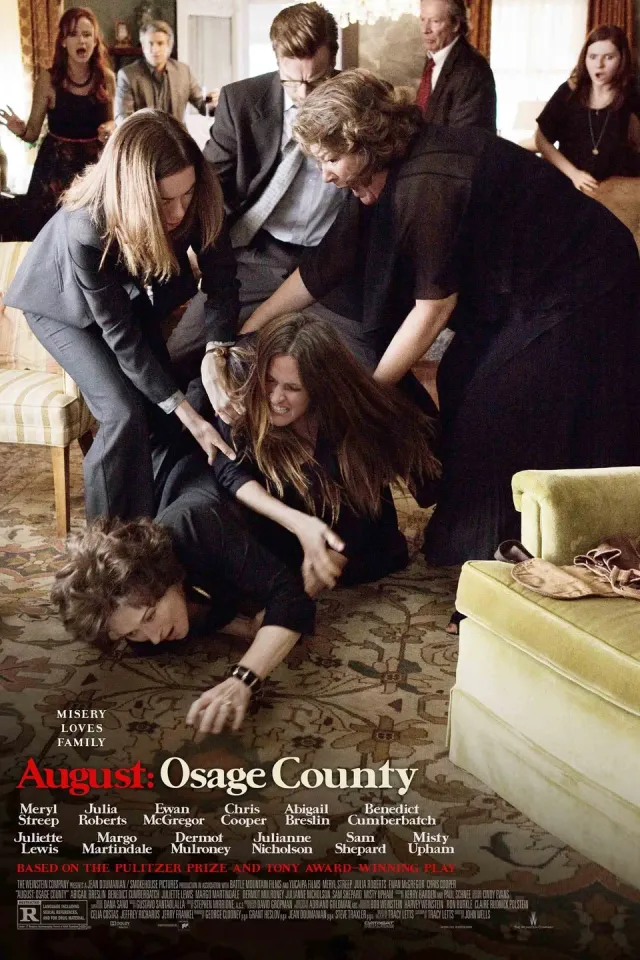
A family returns to an Oklahoma home after its patriarch disappears, bringing adult children into close contact with a mother whose illness and addiction sharpen longstanding cruelty. Practical arrangements become occasions for exposing secrets and testing who will provide care. As old alliances collapse, attempts to challenge the household's authority risk reproducing its methods, making departure and responsibility equally difficult to justify as simple solutions.
Both share themes of family, plus a bittersweet and humorous atmosphere.
Why this matches +
Genres: Comedy / Drama
Shared film traits
Based on recorded story, mood and style. Your preferences can change the order.
What changes The Royal Tenenbaums: measured. Mrs. Doubtfire: steady and escalating.
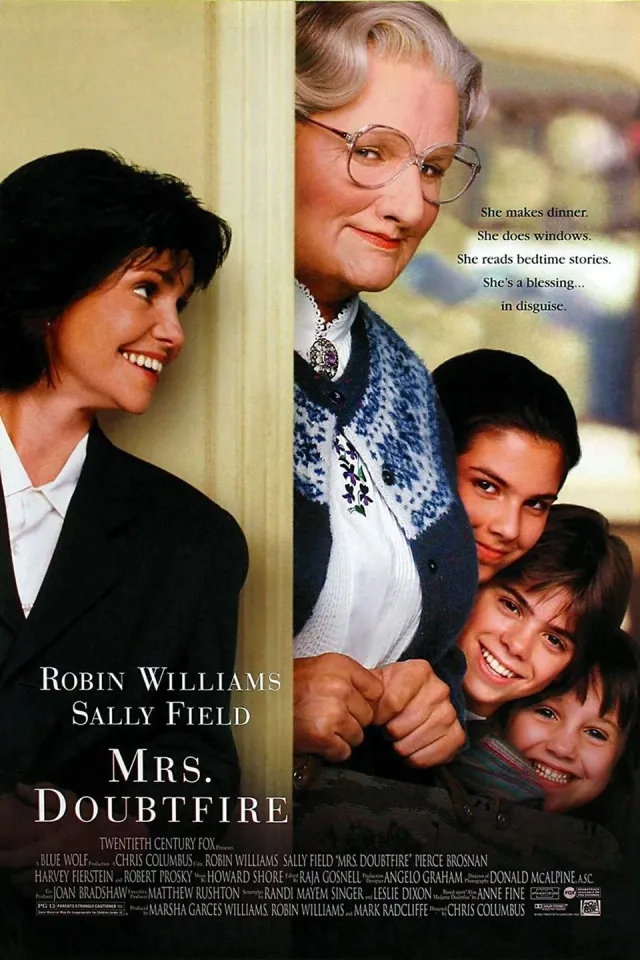
After divorce restricts time with his children, an impulsive actor disguises himself as an older housekeeper and is hired by his former wife. Maintaining the double life gives him access to the family while exposing responsibilities he previously avoided. As competing identities become harder to sustain, a wish to stay close to his children collides with the damage caused by further deception.
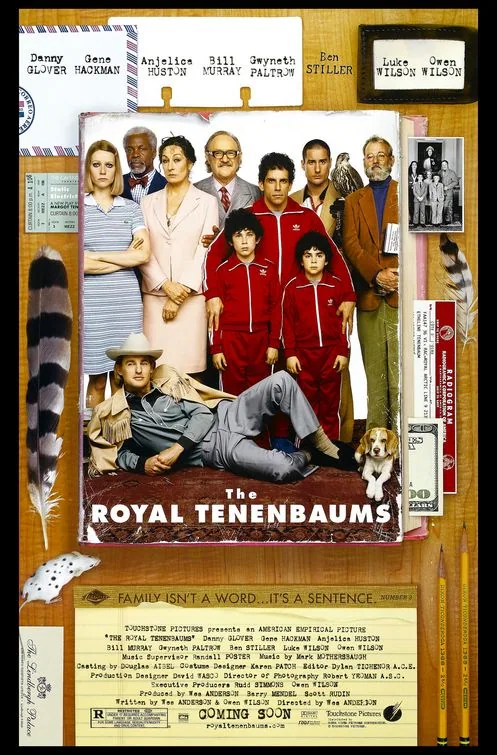
An estranged father returns to the household of his once-celebrated children with a claim that requires their attention and care. Their adult lives already carry disappointment, grief and attachments left unresolved beneath the public memory of early brilliance. His attempt to regain a place in the family forces everyone to negotiate whether acknowledging harm can coexist with accepting an imperfect possibility of connection.
What drives the story
A disruptive paternal return brings separate, stalled adult lives back into contact and tests the terms on which reconciliation might occur.
The people at its centre
A charming but unreliable father seeks renewed attachment from children whose different defences reveal the persistence of childhood injury.
What it feels like
Carefully composed rooms, dry humour and narrated episodes give family pain a stylised, melancholy warmth.
Worth knowing
Its visual wit does not remove the suicide, betrayal and loss within the family, and reconciliation does not require treating the father's past behaviour as harmless.