The state turns mass death into entertainment through a race; Frankenstein and the rebels test whether a spectacle can be turned against its organizers.
Why this matches +
Selected for the central appeal: A coerced contestant turns a deadly entertainment system into a chance to expose authoritarian power.
Genres: Action / Science fiction
Shared film traits
Based on recorded story, mood and style. Your preferences can change the order.
Survival · Political resistance
What changes A regime turns lethal competition into popular entertainment until a participant challenges its political machinery; a satirical cross-country car race replaces a framed man’s televised arena escape.
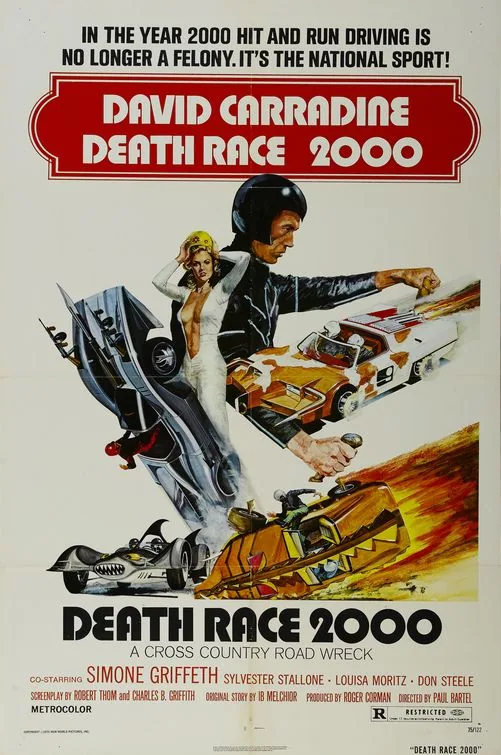
In a future America, the government channels public anger into a coast-to-coast road race where drivers earn points by killing pedestrians. The masked champion Frankenstein enters the annual event while a resistance group plans to derail its propaganda value. Rival driver Machine Gun Joe presses the race toward open brutality, forcing spectacle, rebellion and survival onto the same track.
A captive fighter’s body becomes part of a mass entertainment system controlled remotely by paying players.
Why this matches +
Selected for the central appeal: A coerced contestant turns a deadly entertainment system into a chance to expose authoritarian power.
Genres: Science fiction / Action
Shared film traits
Based on recorded story, mood and style. Your preferences can change the order.
Constructed reality
What changes Prisoners fight for public entertainment in a technologically controlled spectacle that a star contestant tries to break; remote player control and harsher digital grotesquerie replace studio hunters and edited television.
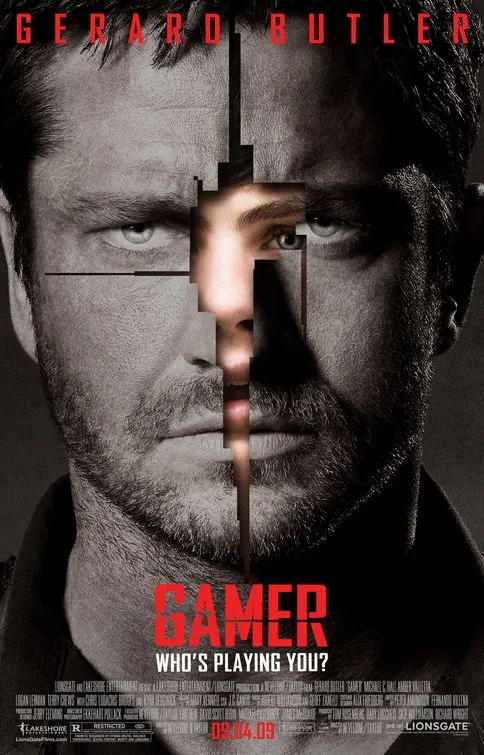
In a near-future society, a death-row inmate is controlled by players through a popular combat game and fights for survival as a public spectacle. A young gamer’s influence and the system’s powerful creator become entangled with the inmate’s attempt to regain control of his life. The action thriller turns entertainment technology into a question of consent, making bodily autonomy and public consumption central to its violent, stylized world.
Miles must survive the forced contest and confront its organizers after the online spectacle threatens someone he cares about.
Why this matches +
Related viewing experiences with the specific differences recorded for each pair.
An adjacent discovery: a related idea with a different viewing experience.
Genres: Action / Comedy
Shared film traits
Based on recorded story, mood and style. Your preferences can change the order.
What changes A civilian forced into a streamed death contest must confront the audience and system exploiting him; frantic internet-age black comedy replaces a trained soldier and a state television regime.
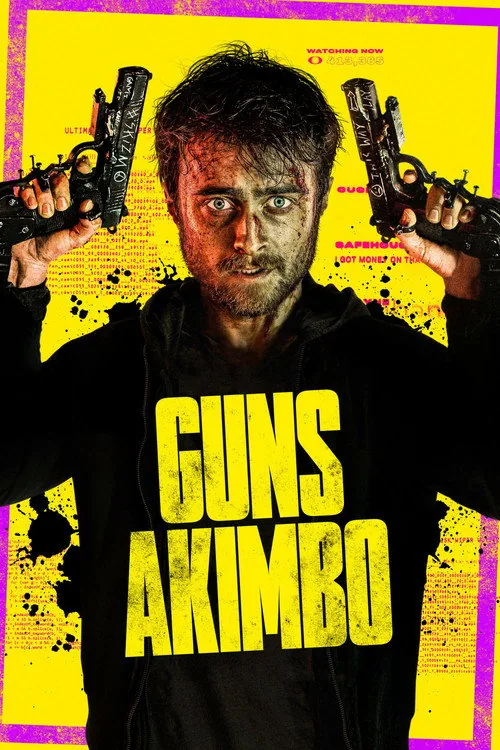
Miles, a socially awkward video-game developer who enjoys provoking an online death-match group, wakes to find guns bolted to his hands. The gang forces him into its live-streamed street contest against Nix, a highly capable fighter, and turns his city into a hunting ground. Miles initially tries to escape rather than fight, but the danger to his former girlfriend Nova pushes him to confront the people running the spectacle. Jason Lei Howden’s science-fiction action comedy uses exaggerated violence and internet-age satire.
A coercive televised tournament makes survival depend on practical skill and managing an audience whose attention can be both a resource and an instrument of control.
Why this matches +
Related viewing experiences with the specific differences recorded for each pair.
An adjacent discovery: a related idea with a different viewing experience.
Genres: Science fiction / Fantasy
Shared film traits
Based on recorded story, mood and style. Your preferences can change the order.
Survival · Political resistance
What changes A public survival contest turns individual resistance into a challenge to a coercive political order; a young heroine’s restrained emotional drama replaces adult action wisecracks and grotesque gladiators.
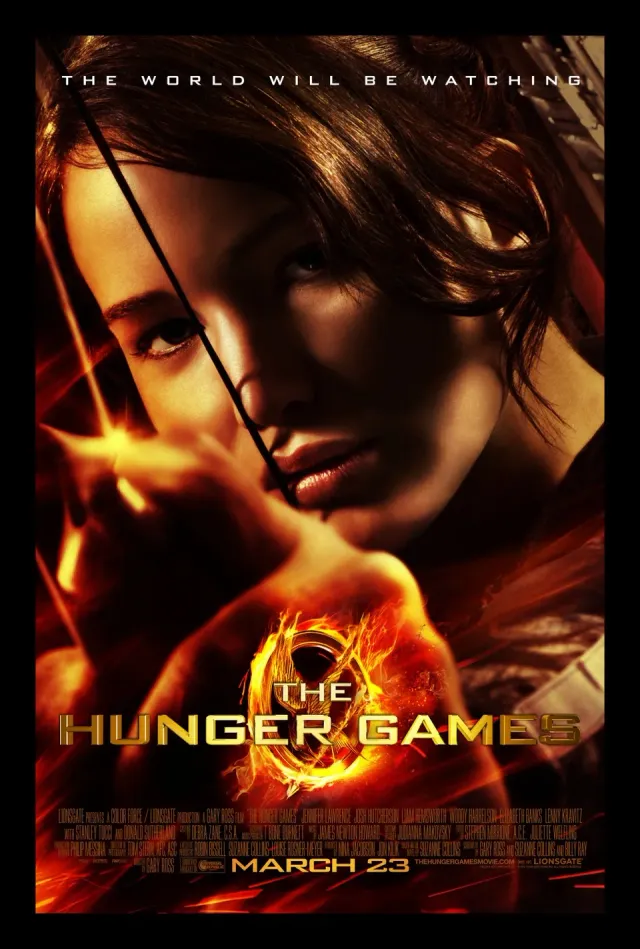
A teenager volunteers to replace her younger sister in an annual contest that forces young people from impoverished districts to kill one another for a wealthy capital's entertainment. Training and presentation make public image part of survival before she enters a closely controlled arena. A fellow contestant's declared affection and the expectations of spectators force her to consider when a gesture is personal, strategic or capable of disrupting the authorities' intended story.
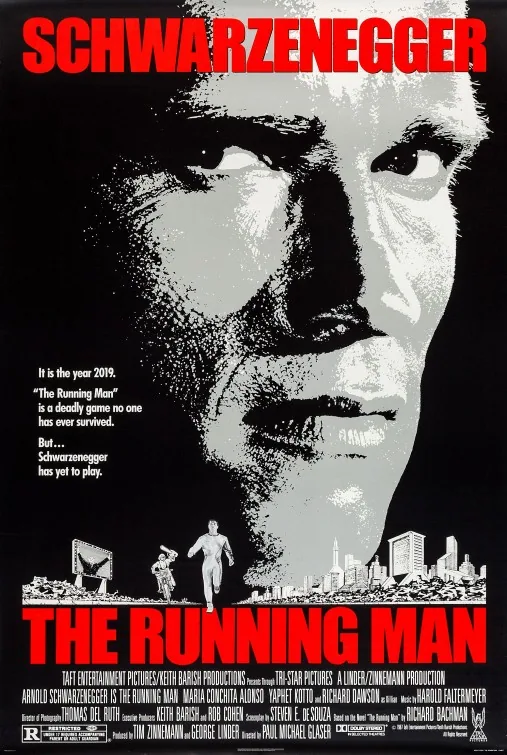
In a near-future police state, helicopter pilot Ben Richards is blamed for refusing an order to fire on civilians and is sent to a brutal prison. He escapes with fellow inmates, but authorities recapture them and offer a route to freedom through a televised game show: survive a series of professional hunters while the public watches. Richards is paired with the reluctant Amber, who initially doubts his account of the broadcast's manipulation. The show's host Killian controls the spectacle and edits events to keep the audience invested in the regime's version of justice. As the contestants fight their way through the arena, Richards tries to turn the same broadcast infrastructure into a way to expose the state.
What drives the story
A false conviction becomes state entertainment when a fugitive is forced to perform survival for a public trained to accept edited spectacle as justice.
The people at its centre
Richards relies on physical instinct and distrust, while Amber moves from skeptical civilian to witness; Killian's polished showmanship makes coercion look like choice.
What it feels like
Neon game-show sets, costumed hunters and televised commentary fuse 1980s action excess with a satirical dystopian premise.
Worth knowing
For viewers who want a fast, broad action satire about media and authoritarian spectacle. The film is much more comic-book-like than a restrained political thriller or a faithful adaptation of Stephen King's darker novel.