Explore films connected to The School for Good and Evil through friendship, identity, good and evil. Choose the qualities you want to carry into your next watch.
What should feel similar?
Find your next favourite
9 films · Closest overall matches
Hide films you’ve seen or don’t want. Saved on this device.
No matches for this combination yet.
Try another option or reset your choices to see more films.
Both share a whimsical and adventurous atmosphere.
Why this matches +
Genres: Family / Fantasy
Shared film traits
Based on recorded story, mood and style. Your preferences can change the order.
Coming of age · Family and care
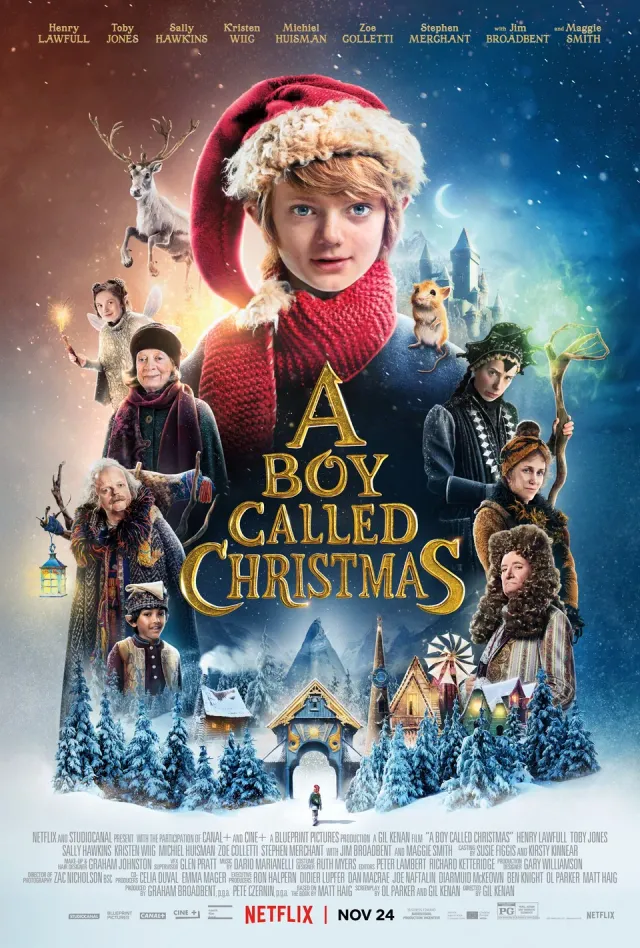
What changes The School for Good and Evil: adventure-driven, episodic, ensemble-based and climactic. A Boy Called Christmas: aunt ruth begins a story of nikolas’s quest and and each stage of his journey brings him closer to elfhelm and its people..
On Christmas Eve, Aunt Ruth tells three grieving children a story about Nikolas, a boy who leaves home to search for the fabled land of Elfhelm. With his speaking mouse Miika, Nikolas encounters a world of elves and dangers while trying to discover what happened to his father and help the people he meets. The frame story and fantasy journey connect loss with generosity and hope.
Both share themes of friendship and identity, plus a fantastical atmosphere.
Why this matches +
Genres: Fantasy / Musical
Shared film traits
Based on recorded story, mood and style. Your preferences can change the order.
What changes The School for Good and Evil: adventure-driven, episodic, ensemble-based and climactic. Wicked: musical development and part-one arc.
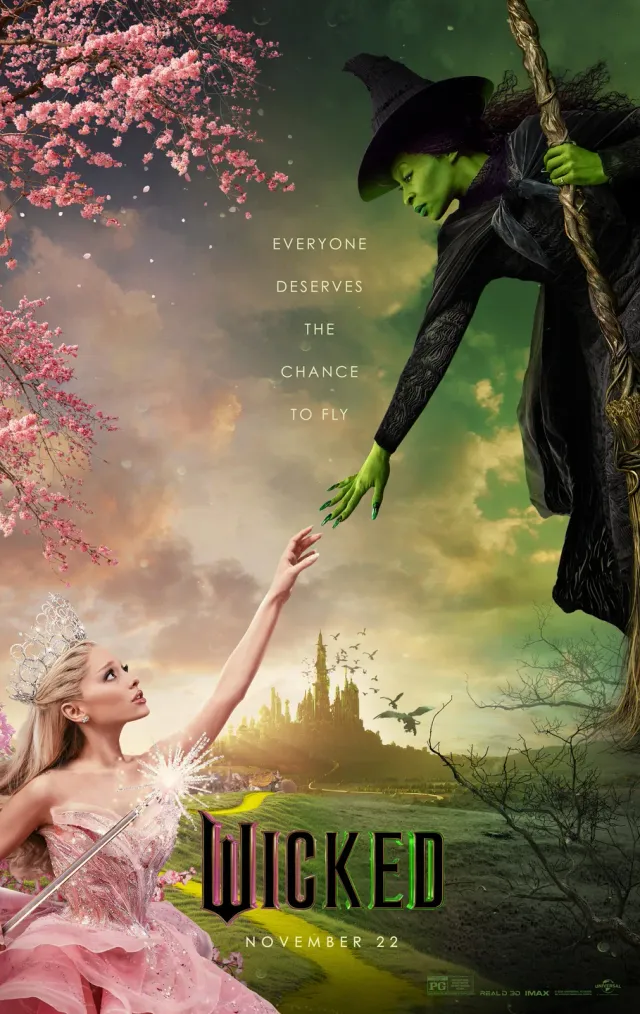
In the Land of Oz, the story follows Elphaba, a young woman whose green skin makes her an outsider, and the popular Glinda as they meet at school and develop an unlikely friendship. Their bond is tested as they encounter the Wizard’s authority and discover that public stories about good and evil may conceal political choices. This film covers the first portion of a two-part adaptation of the stage musical, ending before the full arc reaches its conclusion. Songs and fantasy spectacle frame a story about identity, belonging and power. Part one ends with their friendship tested by consequences of Elphaba's refusal to conform. Glinda's choices remain tied to school status even as her friend chooses dissent.
Based on recorded story, mood and style. Your preferences can change the order.
Coming of age
What changes The School for Good and Evil: adventure-driven, episodic, ensemble-based and climactic. Descendants: fast.
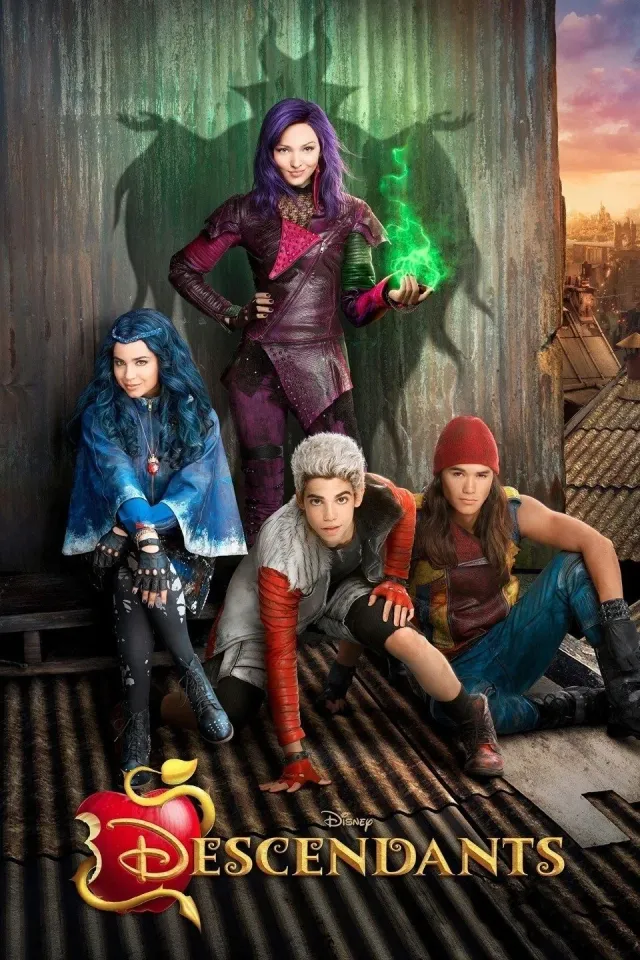
Four children raised by banished fairy-tale villains are invited to attend a prosperous kingdom's school, where their parents expect them to steal the wand that maintains the boundary between communities. New friendships offer possibilities beyond inherited reputations, but acceptance remains conditional in a society already comfortable treating lineage as destiny. Carrying out the mission would restore parental approval at the cost of relationships that make another account of the future imaginable.
Based on recorded story, mood and style. Your preferences can change the order.
What changes The School for Good and Evil: adventure-driven, episodic, ensemble-based and climactic. Harry Potter and the Deathly Hallows – Part 1: measured and slow burn.
Three young friends leave the routines and protections of school to search for objects sustaining the power of a political enemy. A hostile government and uncertain information make movement, shelter and secrecy ordinary problems rather than pauses between adventures. Scarce progress exposes tensions within the group, while inherited clues and unreliable accounts of an admired mentor complicate the assumption that loyalty means already knowing which instructions can safely be followed.
Based on recorded story, mood and style. Your preferences can change the order.
Coming of age
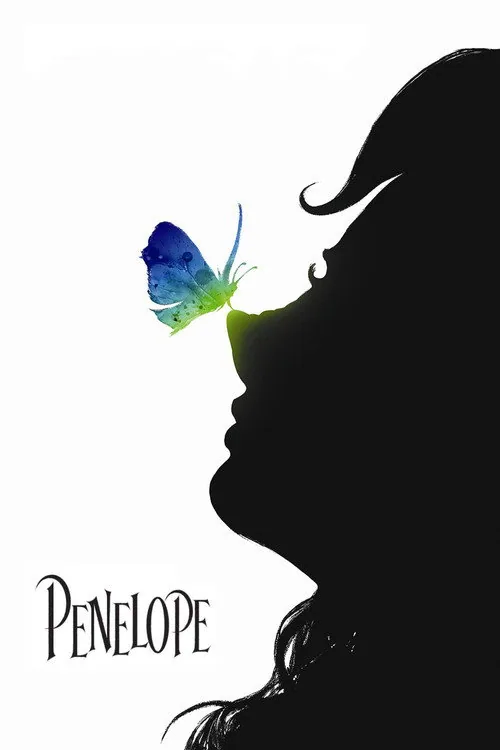
What changes The School for Good and Evil: adventure-driven, episodic, ensemble-based and climactic. Penelope: light and storybook-like and gradual romantic development.
Penelope Wilhern is born into a wealthy family with a pig-like nose caused by a curse, and her parents believe that marriage to someone from their own social class will break it. Potential suitors are screened in private, while Penelope grows tired of being hidden from public view. A young man’s arrival opens a new possibility, but she must decide whether her future should depend on someone else’s acceptance. Mark Palansky’s modern fairy tale mixes romance, comedy, and fantasy with a story about self-image and independence.
Based on recorded story, mood and style. Your preferences can change the order.
Coming of age · Constructed reality
What changes The School for Good and Evil: adventure-driven, episodic, ensemble-based and climactic. Before I Fall: repeating-day structure, incremental emotional shifts and contemplative resolution.
High-school senior Samantha Kingston wakes after a fatal night and finds herself reliving the same day repeatedly. At first she follows the habits of her popular social group, but each cycle reveals more about how her actions affect classmates, especially the isolated girl she and her friends have bullied. With the day resetting, Samantha gets repeated chances to change small choices and confront the social cruelty that shaped her life. The fantasy drama uses a time loop for a coming-of-age moral reckoning.
Based on recorded story, mood and style. Your preferences can change the order.
Coming of age
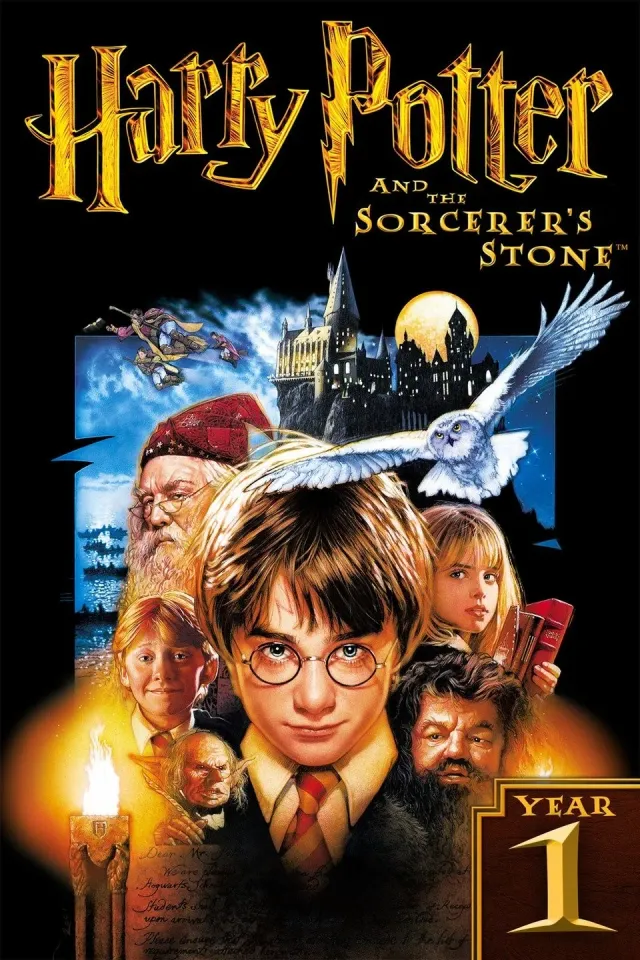
What changes The School for Good and Evil: adventure-driven, episodic, ensemble-based and climactic. Harry Potter and the Philosopher's Stone: steady.
An orphan raised in an unwelcoming household learns that he belongs to a hidden magical community and enters a school that also carries memories of his parents. Friendship and lessons make unfamiliar abilities feel like a possible home, while an apparent threat to an object guarded inside the school draws the children into investigation. Learning whom to trust becomes as important as mastering new skills, especially when public stories about his own survival exceed what he can remember or explain.
Based on recorded story, mood and style. Your preferences can change the order.
Coming of age · Constructed reality
What changes The School for Good and Evil: adventure-driven, episodic, ensemble-based and climactic. Jumanji: The Next Level: fast.
A young man dissatisfied with life after school returns to the game world where his avatar once made confidence seem easy. Friends follow to rescue him, but the malfunction also draws in two older men whose damaged friendship and unfamiliar bodies change the group's resources. Completing a new quest requires understanding identities that no longer match the previous adventure's assignments. The sequel uses repeated play to ask whether a return to powerful fantasy can repair disappointment, while making reconciliation depend on acknowledging time and change outside it.
Both share themes of identity and belonging, plus a whimsical atmosphere.
Why this matches +
Genres: Comedy / Family
Shared film traits
Based on recorded story, mood and style. Your preferences can change the order.
Constructed reality · Family and care
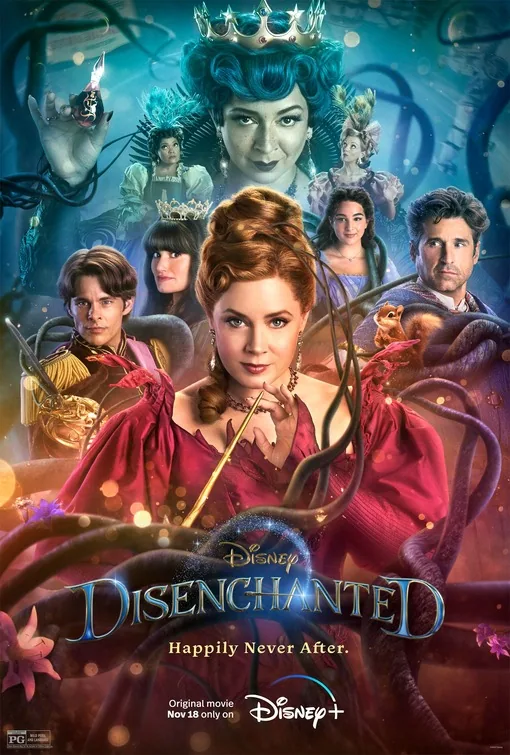
Expect whimsical and musical, with musical and episodic pacing.
Years after settling in Manhattan, Giselle, Robert and their family move to the suburb of Monroeville hoping for a simpler life. The change leaves teenage Morgan feeling displaced, while Giselle struggles with renovations and the rhythms of a new town. After receiving a wish-granting wand, Giselle tries to reshape the community into a fairy-tale world and discovers that the wish affects her own identity as well as the people around her.
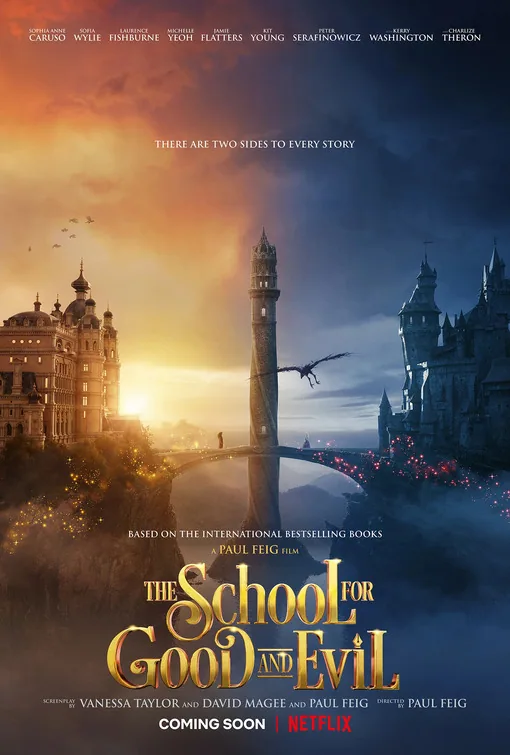
Best friends Sophie and Agatha are swept from Gavaldon to a school that trains fairy-tale heroes and villains. Their placement at opposite institutions contradicts the roles they expected, challenging the friendship that has defined their lives. As the school’s rules and histories reveal a conflict between its founders, the girls question whether goodness and evil are identities a person inherits or choices made under pressure.
What drives the story
Sophie and Agatha’s placement at rival schools draws them into a conflict over the institutions’ origins and their own friendship.
The people at its centre
The friends reconsider their ideas of ambition and loyalty as their apparent roles clash with what they know about one another.
What it feels like
The paired school settings turn familiar fairy-tale categories into an elaborate world of costumes, lessons and social rules.
Worth knowing
A young-adult fantasy adventure for viewers who enjoy magical schools, fairy-tale lore and friendship under pressure.