Based on recorded story, mood and style. Your preferences can change the order.
Memory and identity · Investigation
What changes The Skin I Live In: controlled and revelatory. The Brave One: escalating and character-led.
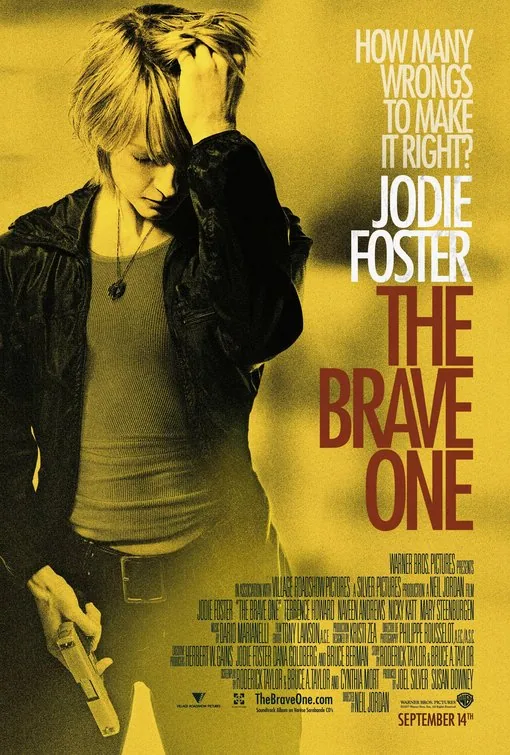
After a brutal attack kills her fiancé and leaves her seriously injured, a radio host becomes increasingly fearful of the city she once knew. When she begins carrying a weapon and using it during encounters with violence, a detective investigates the cases and becomes drawn into her moral crisis. The film follows the unsettling shift from victimhood toward retaliation, asking whether self-protection can become a new identity organized around revenge.
Based on recorded story, mood and style. Your preferences can change the order.
What changes The Skin I Live In is tagged clinical and disquieting; Promising Young Woman is tagged unsettling and bitter.
A former medical student spends her nights confronting men who mistake her apparent intoxication for an opportunity. Her ritual is tied to an assault that devastated her closest friend and to the people who dismissed it. A possible new romance briefly opens another future, but renewed contact with the past pushes her toward more targeted confrontations, placing private grief against institutions and social circles invested in forgetting.
Based on recorded story, mood and style. Your preferences can change the order.
What changes The Skin I Live In: controlled and revelatory. Awake: contained, revelation-driven and tense.
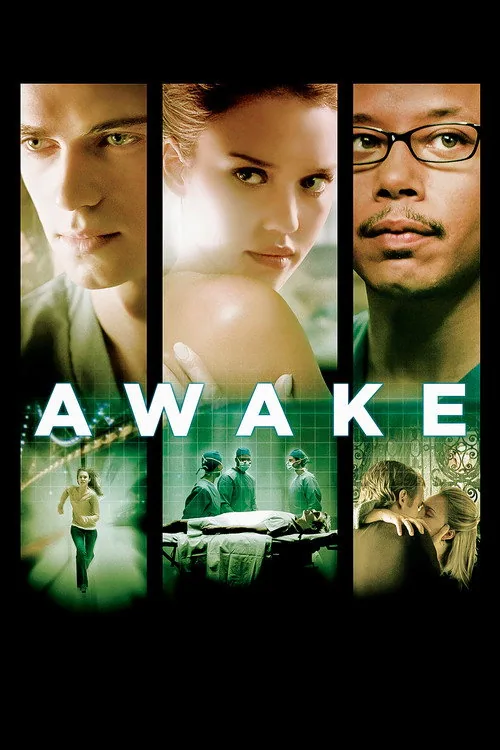
Wealthy heart-transplant patient Clay Beresford marries his partner Sam in secret before undergoing surgery. During the operation, he experiences anesthesia awareness and remains conscious but unable to move, hearing conversations around him. His perception of a plot against him turns the operating room into a psychological trap, while events outside it reveal conflicting loyalties among his loved ones and medical team. Joby Harold’s thriller builds suspense from bodily paralysis, medical vulnerability, and the question of who can be trusted.
Based on recorded story, mood and style. Your preferences can change the order.
Memory and identity · Investigation
What changes The Skin I Live In: controlled and revelatory. Shutter Island: slow burn.
Two federal marshals arrive at an isolated psychiatric institution to investigate the disappearance of a patient from a locked ward. A storm cuts off ordinary routes of departure as evasive staff and disturbing experiences intensify the lead investigator's suspicion. Memories of wartime atrocity and family loss enter his account of the case, making the effort to expose institutional deception increasingly inseparable from the reliability of his own perception.
Based on recorded story, mood and style. Your preferences can change the order.
Investigation
What changes The Skin I Live In: controlled and revelatory. It Was Just an Accident: journey-based and building tension.
A mechanic believes he has recognized the former prison official who tortured him, identified by the sound of a prosthetic leg. Unable to be certain, he turns to other former detainees, and each person's reaction complicates the decision about what should happen next. Jafar Panahi builds a tense moral road story from doubt, memory and revenge, asking how people carry the past when legal accountability remains uncertain.
Based on recorded story, mood and style. Your preferences can change the order.
Memory and identity · Investigation
What changes The Skin I Live In: controlled and revelatory. The Soul Eater: procedural, slowly tightening and investigative.
Two investigators are sent to a remote mountain community after violent crimes and disappearances unsettle its residents. Local fears gather around the legend of the Soul Eater, but the case also exposes old tensions, buried histories and fragile family lives. The detectives pursue evidence through an isolated landscape where rumor can shape behavior as powerfully as fact, while their own professional histories affect how they interpret the violence.
Both centre on coercive institution and concealed identity.
Why this matches +
Genres: Science fiction / Action
Shared film traits
Based on recorded story, mood and style. Your preferences can change the order.
What changes The Skin I Live In: controlled and revelatory. Equilibrium: fast.
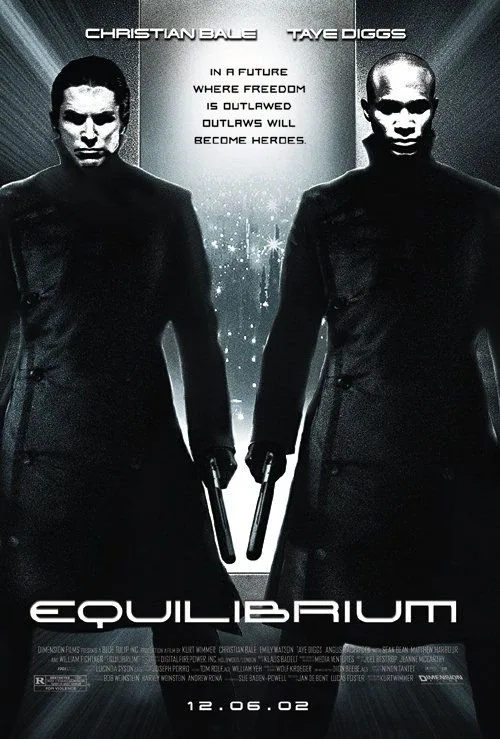
An elite officer in a society that suppresses emotion helps destroy the art and people its government defines as threats. Missing a dose of the required drug exposes feelings he has enforced against others, making routine obedience difficult to sustain. Concealing the change draws him toward resistance, but his professional role and the people watching it remain dangerous, turning personal awakening into a struggle over a system that presents control as collective safety.
Based on recorded story, mood and style. Your preferences can change the order.
Memory and identity · Investigation
What changes The Skin I Live In: controlled and revelatory. Ghost in the Shell: brisk and reflective.
Major, a human mind installed in an artificial body, leads an anti-cybercrime unit while investigating a terrorist and discovering that the corporation controlling her has lied about her past. Her search for memory makes corporate power part of the identity crisis: the body presented as a rescue is also an instrument designed for service. The live-action film builds an action-thriller around manufactured memory and personhood, while its casting and cultural displacement raise questions about who gets to embody the original story’s Japanese identity. Its story and look should be compared with, not collapsed into, the 1995 animated film’s different philosophical structure.
Based on recorded story, mood and style. Your preferences can change the order.
Investigation
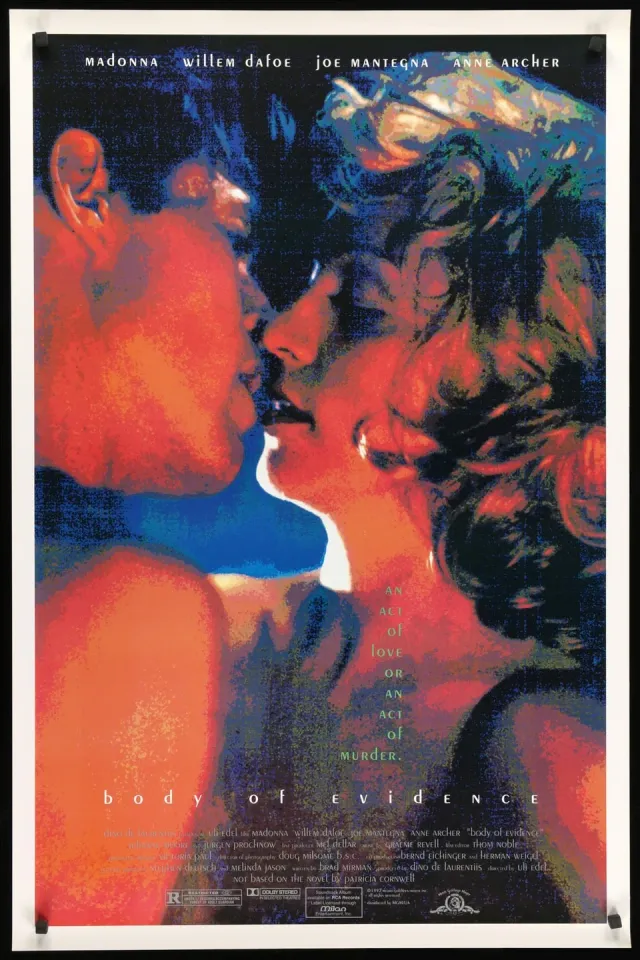
What changes The Skin I Live In: controlled and revelatory. Body of Evidence: legal argument and erotic entanglement intensify together as each new disclosure shifts suspicion.
After wealthy businessman Andrew Marsh dies during an erotic encounter, his lover Rebecca Carlson becomes the chief suspect because she stands to inherit his fortune. Defense attorney Frank Dulaney believes her denials and takes her case against prosecutor Robert Garrett. While the trial unfolds, Frank and Rebecca begin a secret relationship that compromises his judgment and endangers his marriage. Testimony about Rebecca’s past brings new doubts about her dealings with wealthy partners. The case turns into a contest over how much of Rebecca’s private life can prove motive, leaving Frank to separate his attraction from the evidence he is meant to assess.
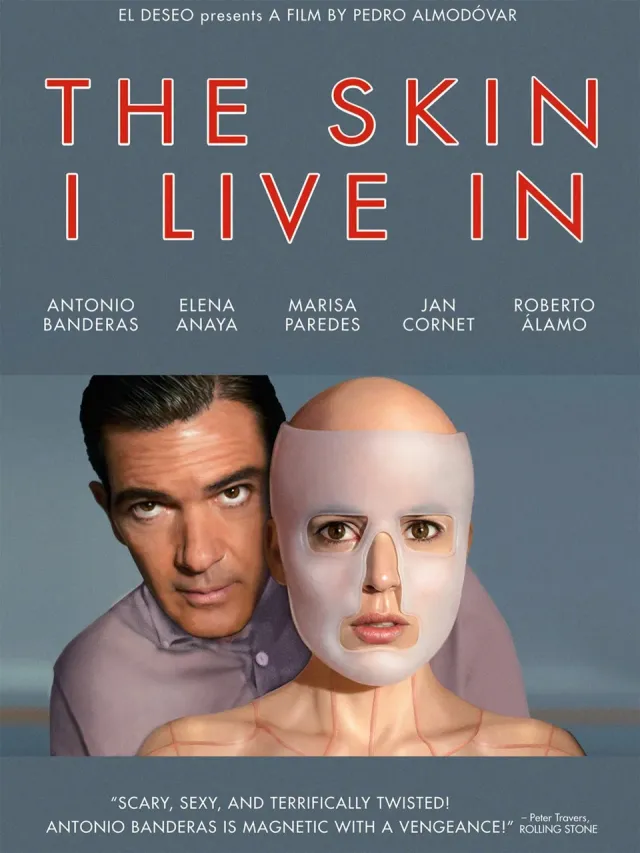
Plastic surgeon Robert Ledgard presents a burn-resistant synthetic skin while keeping Vera under constant surveillance in his secluded home. His account of Vera as a willing test subject is gradually undermined by flashbacks that reveal a history of revenge, grief and coerced bodily transformation. Marilia, who has served Robert for years, knows more about the household's violence than she admits, while a visitor from outside destabilizes the doctor's control. As the chronology shifts, the film asks viewers to revise who Vera was before confinement and what Robert's experiment has actually done. The medical premise becomes inseparable from captivity, identity and the power to impose a body on another person.
What drives the story
A surgeon's medical experiment is revealed as an instrument of private vengeance, with reordered memories changing the meaning of the captive patient's identity.
The people at its centre
Robert's technical brilliance masks obsessive control; Vera's apparent compliance is a survival strategy, while Marilia's loyalty is entangled with her own family history.
What it feels like
Almodóvar stages the thriller through sleek domestic spaces, precise colour and delayed flashbacks, combining melodrama, body horror and a puzzle structure.
Worth knowing
For viewers prepared for disturbing body horror and coercive control. The revenge plot involves the forced sex reassignment of a captive man; describe that violence as coercion, not as a neutral transition or a representation of transgender identity.